
Nutrition comparison
Lotus Root vs Sweet Potato: Nutrition, Satiety, and Health Comparison
Compare lotus root vs sweet potato for weight loss, blood sugar, and nutrients. Find out which root vegetable is better for your health goals.
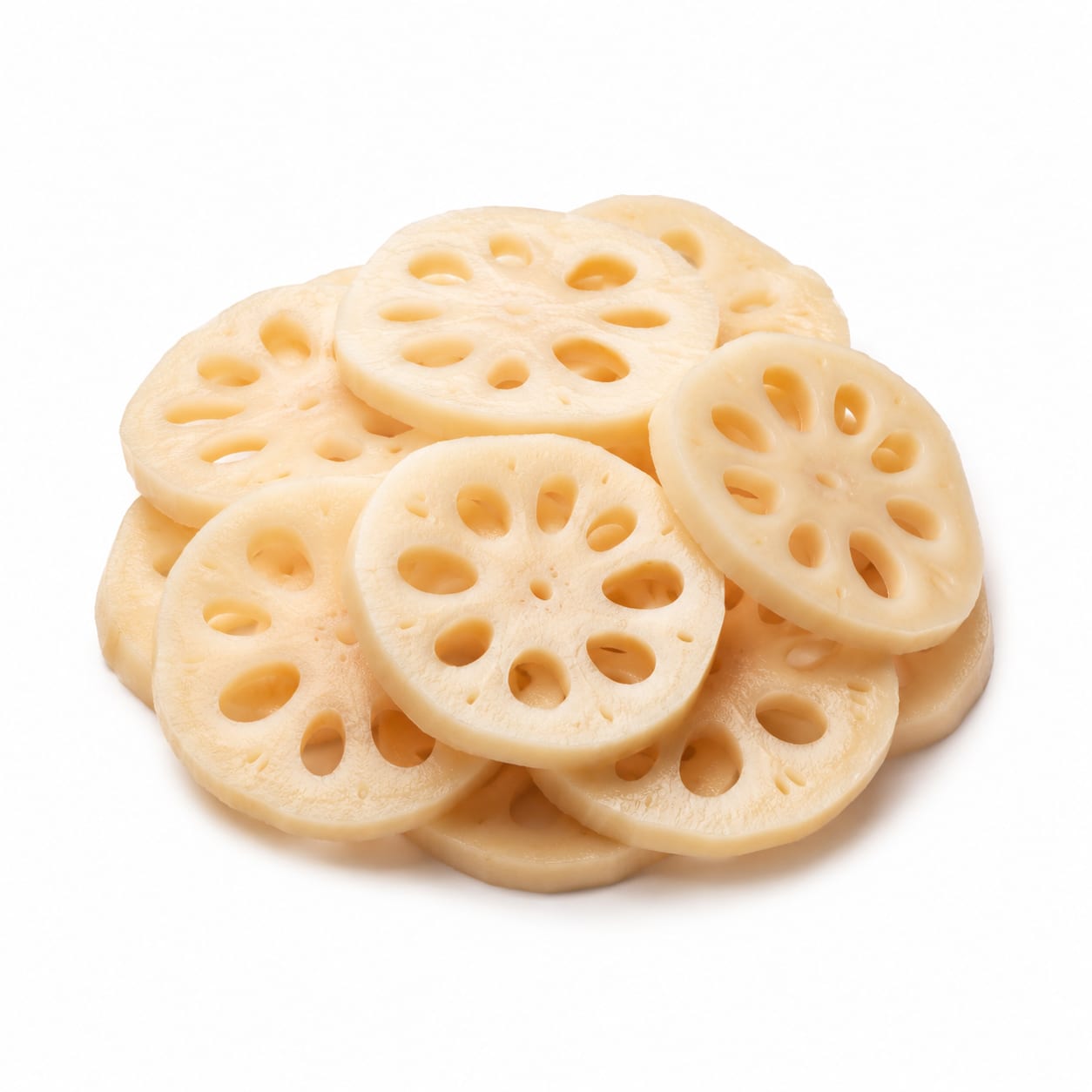
Lotus Root
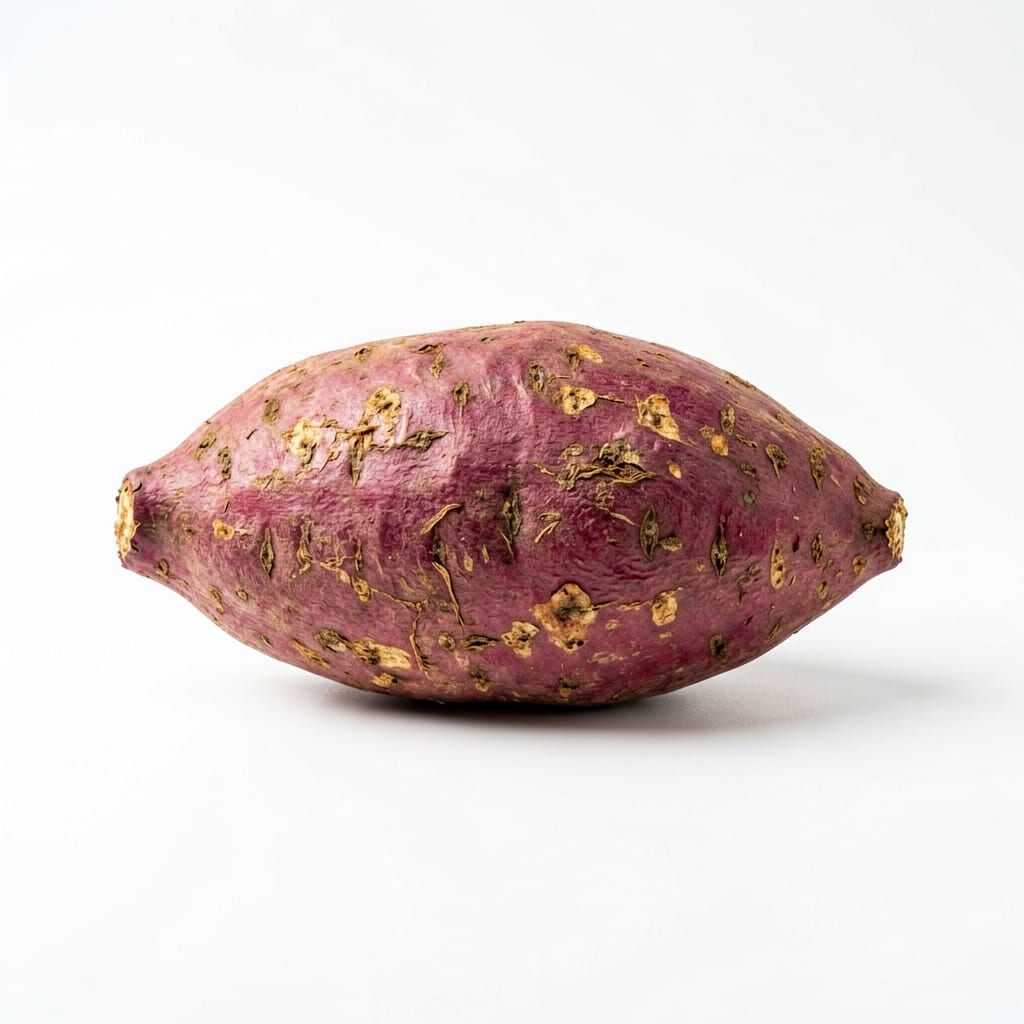
Sweet Potato
Sweet potato is a filling, nutrient-dense staple, while lotus root is a lighter, low-calorie alternative with a unique crunch.
Sweet potato scores higher due to superior satiety, broader micronutrient profile, and everyday practicality, though lotus root excels for low-calorie crunch and blood sugar control.
Comforting, calorie-dense energy versus light, crisp, low-calorie crunch.
At a glance
Executive summary
Overall
It depends
Healthier
It depends
More practical
Sweet Potato
Daily use
Sweet Potato
Key comparison lenses
Starchy carb alternatives for weight management
Both are root vegetables but offer vastly different calorie densities and carbohydrate loads, heavily impacting diet choices.
Blood sugar impact and energy stability
Sweet potato is a denser carb source, while lotus root is lighter, making their glycemic responses distinctly different.
Culinary practicality and everyday accessibility
Sweet potato is a pantry staple easy to prepare, whereas lotus root requires specific prep and is less accessible.
Best choice for
Lotus Root
- Low-calorie volume eating
- Texture-focused Asian dishes
- Blood sugar management
Sweet Potato
- Sustained energy for athletes
- Vitamin A needs
- Easy meal prep
Least suitable for
Lotus Root
- People wanting quick, easy meals
- High-calorie bulking diets
Sweet Potato
- Strict low-carb diets
- Low-calorie volume eating
Deep comparison
Dimension by dimension
Each lens scores both foods and breaks down who each option suits.
- Dimension 1 · Priority 90Lotus Root
Blood Sugar & Energy Stability
Lotus Root · 85Sweet Potato · 70Lotus root delivers steadier energy with less glycemic impact, while sweet potato provides denser, longer-lasting fuel.
Tradeoff
You get more sustained calories from sweet potato, but lotus root keeps blood sugar flatter.
Why it matters
Stable blood sugar prevents afternoon crashes and cravings.
Real-world impact
Lotus root feels light and non-sleepy after eating; sweet potato feels deeply satisfying but can cause a food coma if overeaten.
Lotus Root
- Steady energy without crashes
- Lighter lunches
Better for
- When you need serious caloric fuel
Worse for
Sweet Potato
- Post-workout recovery
- Heavy physical labor days
Better for
- Sedentary evenings when you want something light
Worse for
- Dimension 2 · Priority 95Sweet Potato
Nutrient Density & Micronutrients
Lotus Root · 75Sweet Potato · 92Sweet potato is a powerhouse of Vitamin A and potassium, whereas lotus root offers Vitamin C and unique antioxidants.
Tradeoff
Sweet potato dominates in vision and immune-supporting beta-carotene; lotus root provides collagen-supporting Vitamin C.
Why it matters
Micronutrients drive long-term health, skin quality, and immune resilience.
Real-world impact
Eating sweet potato visibly boosts orange-pigmented antioxidants; lotus root supports tissue repair and iron absorption.
Lotus Root
- Collagen synthesis
- Iron absorption pairing
Better for
- Those needing Vitamin A
Worse for
Sweet Potato
- Eye health
- Electrolyte replenishment
Better for
- Those watching total carb intake closely
Worse for
- Dimension 3 · Priority 85Sweet Potato
Satiety & Fullness
Lotus Root · 60Sweet Potato · 90Sweet potato is far more filling and acts as a true meal anchor, while lotus root is a lighter side dish.
Tradeoff
You feel physically fuller after sweet potato, but lotus root leaves you lighter on your feet.
Why it matters
Satiety determines how long you stay full before snacking again.
Real-world impact
A baked sweet potato can be a full meal; lotus root is a crunchy snack or side that leaves room for more food.
Lotus Root
- Volume eaters wanting low calories
Better for
- Those needing to feel stuffed
Worse for
Sweet Potato
- Replacing heavy grains
- Making a meal last
Better for
- People who get sluggish from heavy carbs
Worse for
- Dimension 4 · Priority 80Sweet Potato
Practicality & Convenience
Lotus Root · 45Sweet Potato · 95Sweet potato is a cheap, easy pantry staple; lotus root requires specialty stores and prep work.
Tradeoff
Lotus root demands peeling and soaking to prevent browning, while sweet potato just needs a quick wash and bake.
Why it matters
Convenience dictates what you actually cook on busy weeknights.
Real-world impact
You can microwave a sweet potato in 5 minutes; lotus root needs slicing, soaking, and stir-frying or boiling.
Lotus Root
- Gourmet cooking
- Impressing guests
Better for
- Time-crunched weeknights
Worse for
Sweet Potato
- Meal prep
- Quick weeknight dinners
Better for
- Adventurous culinary exploration
Worse for
- Dimension 5 · Priority 85It depends
Digestive Health & Fiber
Lotus Root · 85Sweet Potato · 85Both offer excellent but different fiber profiles: lotus root has resistant starch, sweet potato has soothing soluble fiber.
Tradeoff
Resistant starch in lotus root feeds gut bacteria differently than the soothing soluble fiber in sweet potato.
Why it matters
Gut health impacts everything from immunity to mood.
Real-world impact
Sweet potato is soothing for upset stomachs; lotus root acts more like a prebiotic broom for the gut.
Lotus Root
- Prebiotic diversity
- Constipation relief
Better for
- Bloating if not cooked properly
Worse for
Sweet Potato
- Soothing digestion
- IBS-friendly diets
Better for
- Excessive gas if eaten in very large amounts
Worse for
Timeline
Health impact over time
Short-term
Hours to days
Lotus Root
- Light, non-sleepy energy
- Quick prebiotic effect
Sweet Potato
- Deep satiety
- Immediate carb fuel for muscles
Long-term
Months to years
Lotus Root
- Better gut microbiome diversity
- Lower calorie maintenance
Sweet Potato
- Improved vision and skin from Vitamin A
- Stable long-term energy habits
Risk profile
Safety & processing
Both are whole, unprocessed root vegetables that you buy exactly as they grew from the ground.
Lotus Root
Oxalate content
lowLotus root contains moderate oxalates, a minor concern for those prone to kidney stones.
Browning and oxidation
lowRequires acidulated water soak after cutting to maintain quality, though not a direct safety risk.
Sweet Potato
Mold and spoilage toxins
mediumSweet potatoes can develop harmful mold or ipomeamarone toxins if stored improperly or damaged.
Who wins for whom
Audience fit
Same foods, different winners depending on your goal.
children
Sweet PotatoSweet potato is sweeter, softer, and packed with Vitamin A crucial for growing kids.
daily consumption
Sweet PotatoSweet potato is cheaper, easier to prep, and more versatile for daily meals.
diabetes
Lotus RootLotus root has a lower glycemic load and fewer carbs, causing gentler blood sugar shifts.
elderly
Sweet PotatoSweet potato is easier to chew, gentle on the stomach, and provides highly absorbable nutrients.
muscle gain
Sweet PotatoSweet potato offers the dense, quality carbohydrates needed to fuel heavy training and replenish glycogen.
weight loss
Lotus RootLotus root provides high volume and crunch for far fewer calories, making it easier to stay in a deficit.
Your move
Decision guide
Choose Lotus Root
- You want low-calorie crunch
- You need to keep blood sugar very flat
- You are cooking Asian-inspired cuisine
Choose Sweet Potato
- You need a filling, comforting carb base
- You want a quick, easy side dish
- You need post-workout fuel
Either works if
- You want whole-food fiber sources
- You are trying to avoid grains
- You want natural, unprocessed carbs
Avoid both if
- You are on a strict ketogenic diet
- You have severe carbohydrate malabsorption
Final recommendation
Keep sweet potato as your reliable daily carb, but use lotus root when you want a lighter, crunchier alternative that will not weigh you down.
Practical
Consumer tips
- 1
Choose firm, unblemished sweet potatoes without any soft spots or mold sprouts.
- 2
Soak sliced lotus root in water with a splash of vinegar to prevent browning and maintain crispness.
- 3
Boil sweet potatoes with the skin on to retain more nutrients and lower the glycemic impact.
- 4
Pair lotus root with a fat source like sesame oil to absorb its fat-soluble vitamins more effectively.