
Nutrition comparison
Lotus Root vs Carrot: Nutritional Comparison and Health Benefits
Compare lotus root and carrot nutrition including vitamin C, vitamin A, minerals, fiber, and practicality. Find out which root vegetable is better for your health goals.
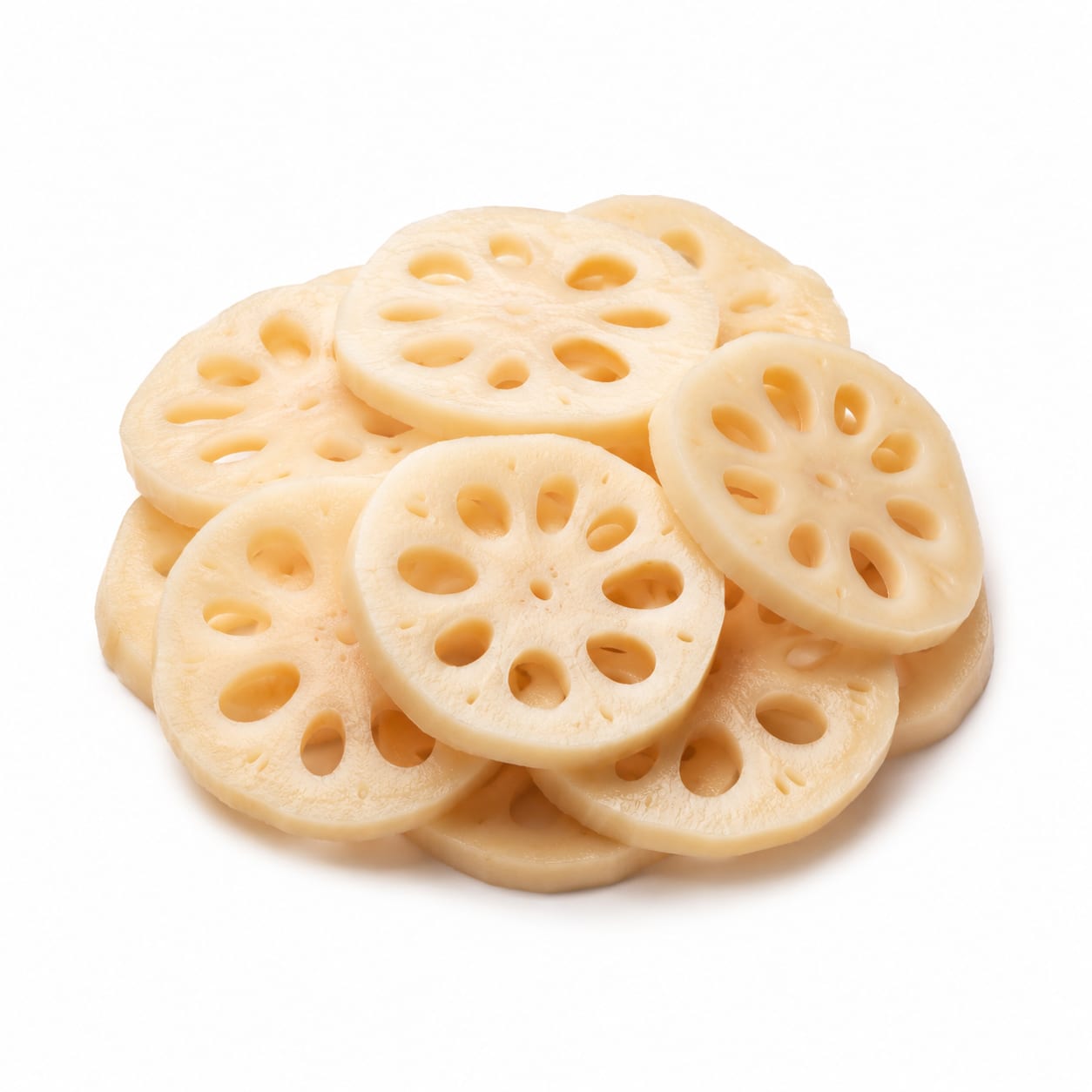
Lotus Root
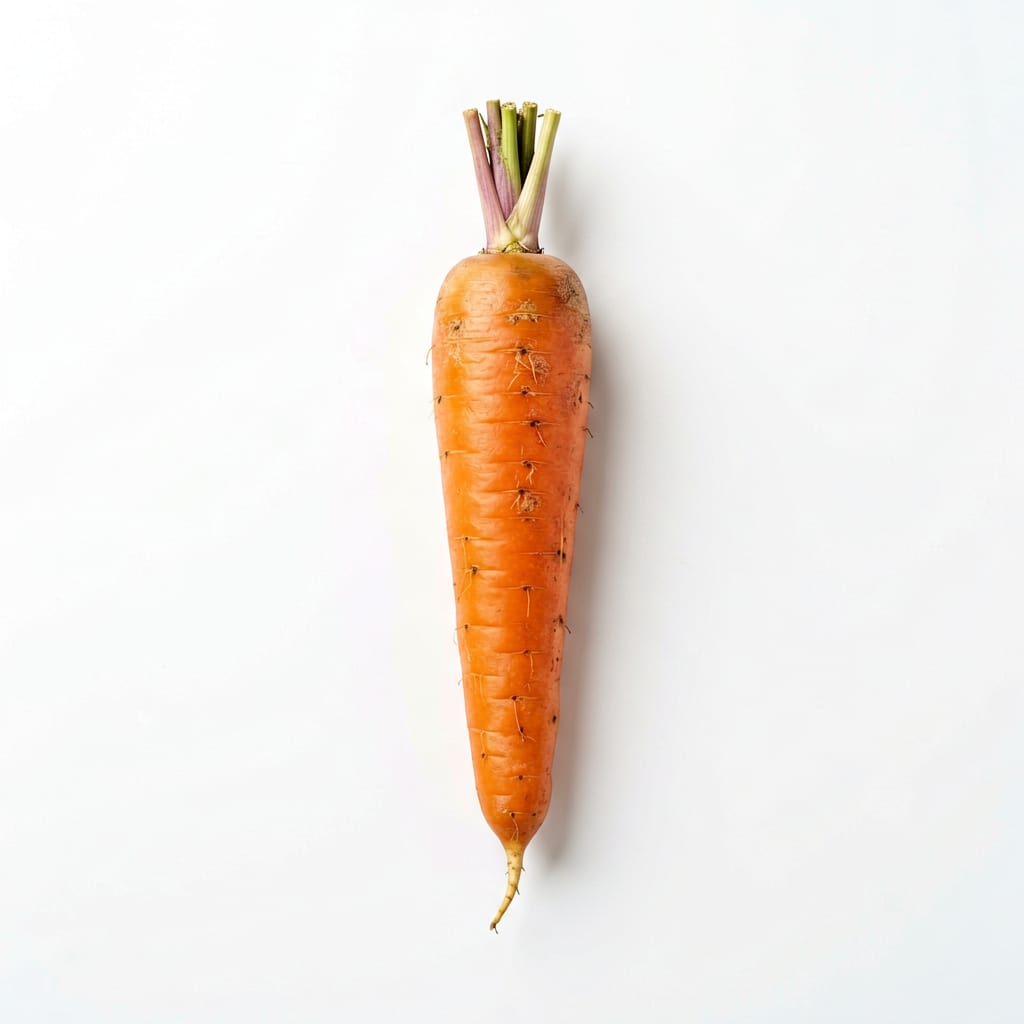
Carrot
Carrots win on convenience and vitamin A; lotus root delivers superior vitamin C, potassium, and unique minerals that carrots simply cannot match.
Carrots score higher primarily due to unmatched accessibility, raw versatility, and dominant vitamin A content. Lotus root offers a superior mineral and vitamin C profile but loses ground on convenience and availability, which heavily impacts real-world dietary adoption.
Everyday accessibility and raw snackability of carrots versus the richer mineral profile and immune-boosting vitamin C of lotus root.
At a glance
Executive summary
Overall
It depends
Healthier
It depends
More practical
Carrot
Daily use
Carrot
Key comparison lenses
nutrient profile diversity
These vegetables have strikingly different vitamin and mineral strengths, making the comparison about which nutrients matter more for your goals
practicality and accessibility
Carrots are available everywhere and need no cooking; lotus root requires specialty stores and preparation, which heavily influences real-world use
antioxidant type differences
Beta-carotene dominance in carrots versus polyphenol richness in lotus root creates a meaningful choice between different protective compounds
preparation flexibility
Carrots work raw or cooked while lotus root must be cooked, affecting convenience and how often people actually eat them
culinary and cultural context
Lotus root carries Asian culinary tradition and unique texture; carrots are universal, which shapes how people incorporate them into meals
Best choice for
Lotus Root
- People wanting to boost vitamin C and potassium intake
- Those exploring Asian cuisine and diverse vegetable textures
- Anyone needing more iron and copper from plant sources
- Immune system support during cold season
Carrot
- Busy people needing a ready-to-eat raw vegetable
- Anyone prioritizing eye health and vitamin A intake
- Families with children who prefer sweet, crunchy snacks
- Budget-conscious shoppers wanting maximum nutrition per dollar
Least suitable for
Lotus Root
- People without access to Asian grocery stores
- Anyone wanting a quick no-cook snack option
- Those unfamiliar with preparing aquatic vegetables
Carrot
- People with beta-carotene sensitivities or carotenemia concerns
- Those specifically seeking high vitamin C from vegetables
- Anyone needing significant potassium or iron supplementation through food
Deep comparison
Dimension by dimension
Each lens scores both foods and breaks down who each option suits.
- Dimension 1 · Priority 90Carrot
Vitamin A and Eye Health
Lotus Root · 15Carrot · 98Carrots are one of the richest beta-carotene sources available, while lotus root provides negligible vitamin A.
Tradeoff
Choosing lotus root means missing out on one of the easiest ways to protect long-term eye health through diet.
Why it matters
Vitamin A deficiency remains one of the most common nutrient gaps worldwide, and carrots solve this effortlessly.
Real-world impact
Eating carrots regularly can meaningfully improve night vision and protect against age-related eye decline over decades.
Lotus Root
- Reliance on lotus root for vitamin A will leave a significant nutrient gap
Worse for
Carrot
- Eye health maintenance
- Skin cell turnover and repair
- Immune function at mucosal surfaces
Better for
- Dimension 2 · Priority 88Lotus Root
Vitamin C and Immune Support
Lotus Root · 85Carrot · 40Lotus root delivers substantially more vitamin C per serving than carrots, making it a stronger immune-supporting vegetable.
Tradeoff
If you skip lotus root, you may need other vitamin C sources to fill the gap that carrots leave.
Why it matters
Vitamin C supports wound healing, iron absorption, and immune defense—areas where lotus root genuinely outperforms carrots.
Real-world impact
A serving of lotus root can cover over half your daily vitamin C needs, while carrots provide only a modest contribution.
Lotus Root
- Immune system reinforcement during illness
- Enhanced iron absorption from plant meals
- Collagen production for skin and joints
Better for
Carrot
- Carrots alone will not meaningfully boost vitamin C intake
Worse for
- Dimension 3 · Priority 86Lotus Root
Mineral Density
Lotus Root · 82Carrot · 55Lotus root contains significantly more potassium, iron, copper, and manganese than carrots, offering deeper mineral nourishment.
Tradeoff
Carrots provide decent potassium but fall short on iron and trace minerals that lotus root supplies in meaningful amounts.
Why it matters
Many people are marginally deficient in potassium and iron without realizing it, and lotus root addresses both simultaneously.
Real-world impact
Regular lotus root consumption can help with energy levels, blood pressure regulation, and oxygen transport more effectively than carrots.
Lotus Root
- Blood pressure management through higher potassium
- Energy and focus from better iron intake
- Trace mineral replenishment for metabolic function
Better for
Carrot
- Basic potassium needs are partially met
Better for
- Carrots are not a reliable iron or copper source
Worse for
- Dimension 4 · Priority 92Carrot
Practicality and Accessibility
Lotus Root · 30Carrot · 95Carrots are available in virtually every grocery store worldwide and require zero preparation. Lotus root demands specialty shopping and cooking.
Tradeoff
The superior nutrient profile of lotus root means little if you cannot find it or will not prepare it regularly.
Why it matters
The healthiest vegetable is always the one you actually eat consistently, and carrots win on sustainability of habit.
Real-world impact
Most people can eat carrots multiple times per week effortlessly; lotus root consumption tends to be occasional for most households.
Lotus Root
- Requires Asian grocery access
- Must be peeled, sliced, and cooked before eating
- Shorter shelf life once purchased
Worse for
Carrot
- Grab-and-go snacking without any prep
- Available in any supermarket year-round
- Easy to incorporate into any meal or cuisine
Better for
- Dimension 5 · Priority 82It depends
Antioxidant Diversity
Lotus Root · 78Carrot · 80Carrots concentrate beta-carotene while lotus root offers polyphenols and tannins—different protective compounds for different needs.
Tradeoff
Neither vegetable covers the full antioxidant spectrum alone; rotating both gives the broadest protection.
Why it matters
Diverse antioxidant intake protects different tissues and systems, reducing overall disease risk more than any single compound.
Real-world impact
Eating both vegetables regularly gives your body both fat-soluble and water-soluble antioxidant coverage, which is more complete than either alone.
Lotus Root
- Polyphenol-based anti-inflammatory protection
- Tannins that support digestive health
Better for
- Lacks significant carotenoid content
Worse for
Carrot
- Carotenoid-based protection for skin and eyes
- Fat-soluble antioxidant coverage that pairs well with dietary fats
Better for
- Polyphenol content is modest compared to lotus root
Worse for
- Dimension 6 · Priority 78It depends
Fiber Quality and Digestive Effect
Lotus Root · 76Carrot · 74Both vegetables provide good fiber, but lotus root offers more soluble fiber and mucilage-like compounds that soothe the digestive tract.
Tradeoff
Carrots provide slightly more insoluble fiber for regularity; lotus root offers gentler, more soothing fiber for sensitive stomachs.
Why it matters
The type of fiber matters as much as the amount, especially for people with digestive sensitivities.
Real-world impact
Lotus root feels gentler after eating and can be comforting for upset stomachs, while carrots provide more bulk for regular digestion.
Lotus Root
- Soothing effect on irritated digestive lining
- Better tolerated by sensitive stomachs
- Traditional use for gastrointestinal comfort
Better for
- Lower total fiber per serving than carrots
Worse for
Carrot
- More effective for promoting bowel regularity
- Pectin content supports healthy gut bacteria
Better for
- Can be slightly irritating for very sensitive digestive systems when raw
Worse for
- Dimension 7 · Priority 75Carrot
Cost Effectiveness
Lotus Root · 40Carrot · 90Carrots are among the most affordable vegetables globally. Lotus root is a specialty item with a premium price in most markets.
Tradeoff
Lotus root costs significantly more per serving, which limits how often most households can realistically include it.
Why it matters
Budget constraints determine actual dietary patterns more than nutritional ideals for most people.
Real-world impact
A bag of carrots costs a few dollars and lasts weeks; lotus root often costs several times more per pound and spoils faster.
Lotus Root
- Premium pricing limits frequency of use
- Shorter shelf life increases waste risk
Worse for
Carrot
- Extremely low cost per serving
- Long refrigerator shelf life reduces waste
- Bulk buying is easy and practical
Better for
Timeline
Health impact over time
Short-term
Hours to days
Lotus Root
- Vitamin C boost supports immediate immune function
- Potassium helps with quick hydration recovery after exercise
- Satisfying starch content provides steady energy without crashes
- Digestive-soothing fiber can calm mild stomach discomfort
Carrot
- Beta-carotene quickly supports skin appearance and night vision
- Natural sweetness satisfies cravings without refined sugar
- Crunchy raw texture promotes mindful eating and slower consumption
- Quick blood sugar-friendly snack that requires no preparation
Long-term
Months to years
Lotus Root
- Consistent potassium intake supports cardiovascular health over decades
- Iron and copper contribution helps prevent marginal deficiencies
- Polyphenol intake may reduce chronic inflammation markers
- Vitamin C habit protects against oxidative stress accumulation
Carrot
- Sustained beta-carotene intake strongly protects against age-related eye decline
- Regular fiber consumption lowers colorectal cancer risk
- Potassium habit supports long-term blood pressure management
- Carotenoid accumulation in skin provides measurable UV protection
Risk profile
Safety & processing
Both lotus root and carrots are whole, unprocessed vegetables as typically purchased. Neither carries meaningful additive concerns when bought fresh.
Lotus Root
Parasite contamination from aquatic growing environment
mediumLotus root grows in mud and stagnant water, which can harbor parasites. Thorough cooking eliminates this risk entirely, but raw consumption is unsafe.
Bacterial contamination from water source
lowWater quality at the growing site matters. Reputable suppliers and proper cooking make this a minor concern in practice.
Carrot
Pesticide residue on conventional carrots
mediumCarrots consistently appear on produce lists with detectable pesticide residues. Peeling reduces exposure significantly, and organic options eliminate this concern.
Carotenemia from excessive consumption
lowEating very large amounts of carrots can turn skin orange from beta-carotene accumulation. This is harmless and reversible but can cause unnecessary alarm.
Who wins for whom
Audience fit
Same foods, different winners depending on your goal.
children
CarrotCarrots are sweet, familiar, and can be eaten raw as finger food. Lotus root requires cooking and has a less kid-friendly texture and milder flavor profile.
daily consumption
CarrotCarrots are affordable, available everywhere, and require no cooking. These practical advantages make daily consumption realistic for nearly everyone.
diabetes
CarrotCarrots have a lower glycemic impact and can be eaten in controlled raw portions. Lotus root contains more starch, which requires more careful portion management for blood sugar control.
elderly
CarrotCarrots are softer when cooked, more familiar, and easier to prepare. Lotus root can be chewy and requires more effort to make elderly-friendly.
muscle gain
It dependsNeither vegetable is a meaningful protein source. Lotus root offers slightly more protein and iron which marginally supports muscle metabolism, but both require protein-rich accompaniments.
weight loss
CarrotCarrots are lower in calories per serving and can be eaten raw as an effortless low-calorie snack, making them easier to integrate into a calorie-controlled diet.
Your move
Decision guide
Choose Lotus Root
- You want to boost vitamin C, potassium, and iron through whole foods
- You enjoy Asian cooking and want authentic texture and flavor
- You have access to fresh lotus root and enjoy preparing it
- You are looking for digestive-soothing vegetables for sensitive stomachs
- You want to diversify your vegetable intake beyond common options
Choose Carrot
- You need a convenient raw snack that requires zero preparation
- Eye health and vitamin A intake are top priorities for you
- You are shopping on a budget and want maximum nutrition per dollar
- You want a vegetable that children will actually eat willingly
- You need something you can find at any grocery store anytime
Either works if
- You want to increase daily vegetable variety and fiber intake
- You are building a nutrient-dense soup or stew
- You are looking for whole-food potassium sources
- You want to reduce reliance on processed snack foods
Avoid both if
- You have specific allergies to either vegetable, though this is rare
- You are seeking high-protein vegetable sources—neither delivers meaningfully
Final recommendation
Keep carrots as your daily vegetable staple for their unmatched convenience and vitamin A, but add lotus root when you can find it for the vitamin C, iron, and mineral boost. The ideal approach is using carrots as your reliable base and lotus root as a powerful nutritional supplement a few times per month.
Practical
Consumer tips
- 1
Choose firm, unblemished lotus root with no soft spots—freshness matters more for aquatic vegetables
- 2
Peel carrots if you are concerned about pesticide residues, or buy organic to eat the nutrient-rich skin
- 3
Cook lotus root thoroughly to eliminate any parasite risk from its aquatic growing environment
- 4
Pair carrots with a fat source like hummus or olive oil to dramatically improve beta-carotene absorption
- 5
Slice lotus root thin and stir-fry quickly to preserve its satisfying crunch and vitamin C content
- 6
Store carrots in a sealed bag in the crisper drawer—they last weeks when kept away from ethylene-producing fruits
- 7
Try both vegetables together in a stir-fry for complementary nutrition and contrasting textures