
Nutrition comparison
Lotus Root vs Taro: Which Starchy Root Is Healthier for Daily Eating?
Compare Lotus Root and Taro nutrition, safety, and health impact. Discover which root vegetable is better for blood sugar, weight loss, and everyday cooking.
Overall winner · Lotus Root
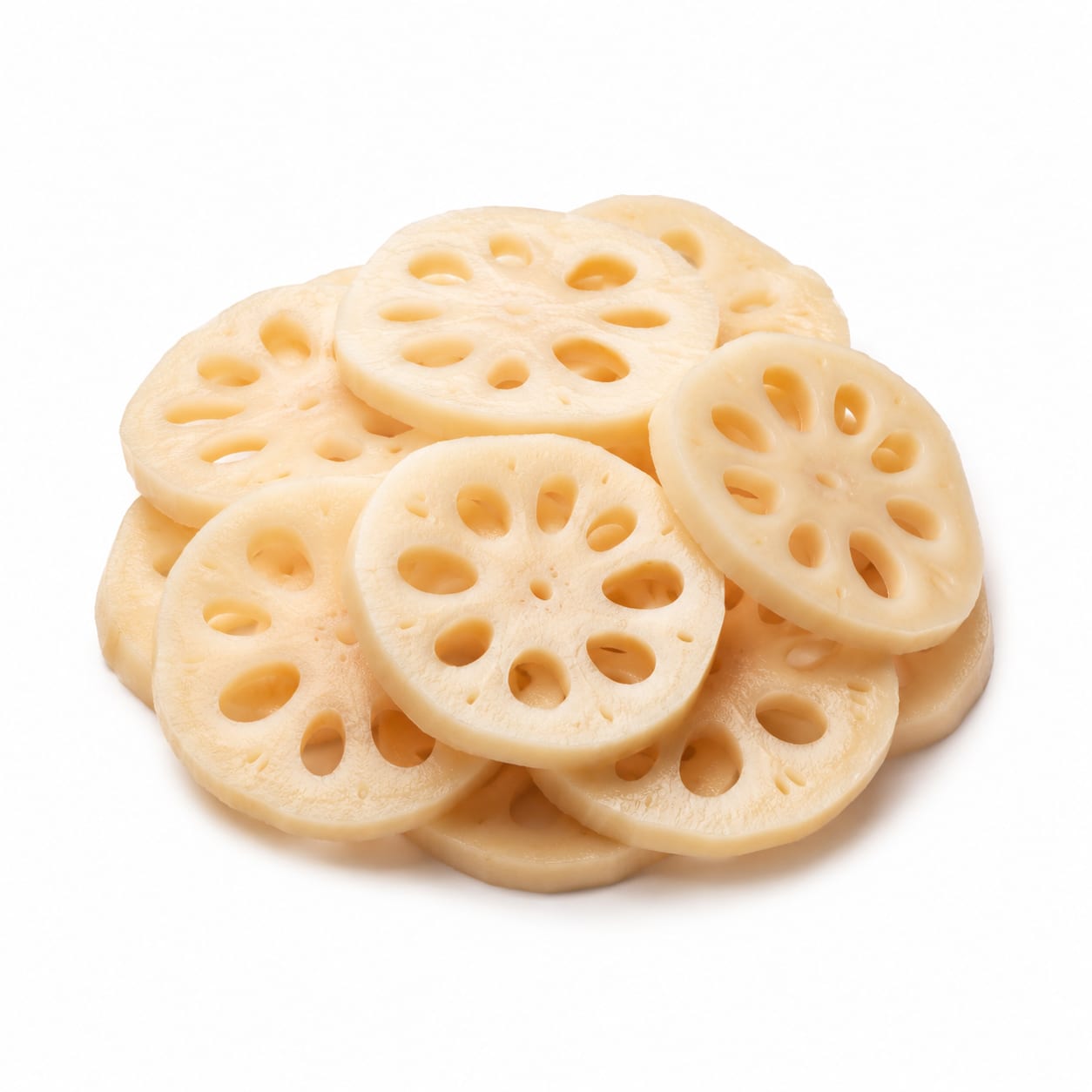
Lotus Root
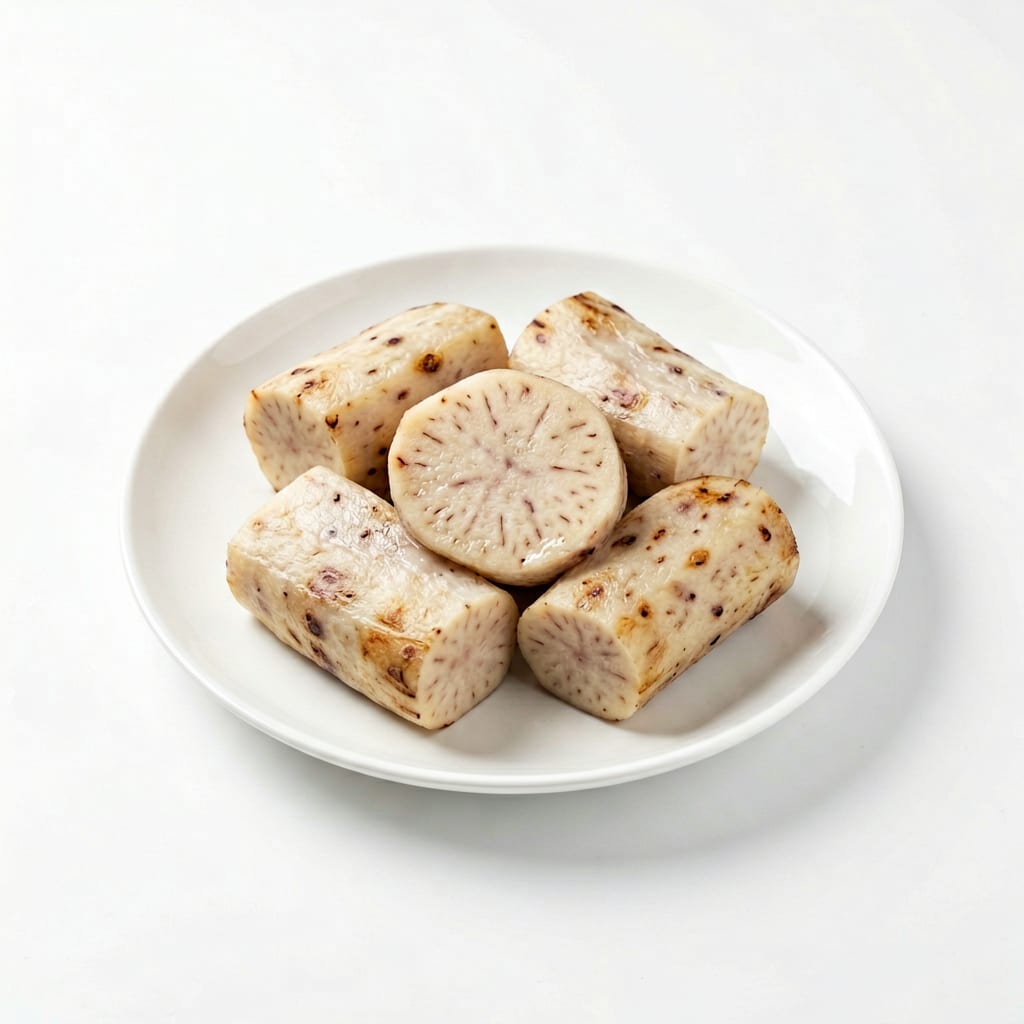
Taro
Lotus Root edges ahead for most everyday eaters thanks to its lower calorie density, gentler blood sugar impact, and easier preparation safety. Taro wins when you need hearty calories or creamier textures.
Lotus Root scores higher due to its lighter calorie profile, better blood sugar behavior, and safer handling. Taro remains valuable for its creaminess and mineral content but carries more metabolic and safety compromises for regular use.
Lighter, crisper, and safer versus richer, creamier, and more calorie-dense
At a glance
Executive summary
Overall
Lotus Root
Healthier
Lotus Root
More practical
Lotus Root
Daily use
Lotus Root
Key comparison lenses
blood sugar management
Both are starchy root vegetables with meaningfully different glycemic impacts, making this the top concern for most users
weight management and calorie density
Lotus Root is significantly lower in calories per serving than Taro, a critical factor for portion-aware eaters
safety and preparation requirements
Taro contains calcium oxalate and must be thoroughly cooked, while Lotus Root is safer to handle and prepare
nutrient density tradeoffs
Each root excels in different vitamins and minerals, creating a genuine nutritional tradeoff
digestive tolerance
Taro's oxalate content and heavier starch load can challenge sensitive digestions, while Lotus Root is generally gentler
Best choice for
Lotus Root
- People managing blood sugar or prediabetes
- Weight-conscious eaters wanting starchy satisfaction without the calorie hit
- Anyone seeking a low-risk root vegetable for regular meals
- Those who prefer lighter, crisper textures in stir-fries and soups
Taro
- Active individuals needing calorie-dense fuel
- Those wanting creamier, comfort-food textures
- People seeking higher potassium and vitamin E intake
- Traditional cuisine cooking where Taro is essential
Least suitable for
Lotus Root
- People needing high-calorie starchy staples for energy
- Those looking for very soft, mashable textures
Taro
- People with kidney issues sensitive to oxalates
- Those strictly managing blood sugar spikes
- Anyone wanting a low-calorie vegetable side dish
Deep comparison
Dimension by dimension
Each lens scores both foods and breaks down who each option suits.
- Dimension 1 · Priority 92Lotus Root
Blood Sugar Stability
Lotus Root · 78Taro · 55Lotus Root has roughly half the carbohydrates per serving and a lower glycemic load, making it far friendlier for steady energy.
Tradeoff
Taro delivers more sustained energy for active people but can spike blood sugar more sharply in sedentary contexts.
Why it matters
If you sit at a desk most of the day, Taro's starch surge may leave you sluggish an hour later.
Real-world impact
A Lotus Root stir-fry keeps you steady through the afternoon. A Taro-heavy meal might have you reaching for coffee by 3pm.
Lotus Root
- Prediabetics and diabetics
- Sedentary office workers
- Anyone avoiding afternoon energy crashes
Better for
- Athletes needing quick glycogen replenishment
Worse for
Taro
- Endurance athletes needing carb loading
- Manual laborers burning calories all day
Better for
- Insulin-resistant individuals
- People trying to minimize carb spikes
Worse for
- Dimension 2 · Priority 88Lotus Root
Calorie Density and Weight Management
Lotus Root · 82Taro · 52Lotus Root delivers satisfying crunch and fiber at roughly one-third the calories of Taro per serving.
Tradeoff
Taro fills you up faster with its heavy starch but at a much higher caloric cost per bite.
Why it matters
For anyone tracking portions, Lotus Root lets you eat a generous volume without blowing through your calorie budget.
Real-world impact
You can eat a full cup of sliced Lotus Root for under 80 calories. The same volume of Taro costs you over 180 calories.
Lotus Root
- Weight loss seekers
- Volume eaters who like big portions
- Anyone counting calories
Better for
- Those struggling to eat enough calories
Worse for
Taro
- Underweight individuals needing to gain
- Hikers and athletes requiring dense fuel
Better for
- Emotional eaters prone to overconsumption
- Anyone on a calorie deficit
Worse for
- Dimension 3 · Priority 85Lotus Root
Safety and Preparation Ease
Lotus Root · 80Taro · 50Taro contains calcium oxalate crystals that cause skin irritation and throat burning if undercooked. Lotus Root has no such toxicity risk.
Tradeoff
Taro requires gloves during peeling and thorough cooking to neutralize oxalates. Lotus Root only needs basic washing and cooking.
Why it matters
Raw Taro can cause painful stinging and swelling. This is not a theoretical risk — it happens frequently with careless prep.
Real-world impact
Peeling Taro without gloves leaves your hands itching and burning for hours. Lotus Root just needs a rinse and slice.
Lotus Root
- Home cooks wanting low-risk prep
- Families cooking with children nearby
- Anyone with sensitive skin
Better for
- None significant
Worse for
Taro
- Experienced cooks comfortable with safety protocols
Better for
- Novice cooks unfamiliar with oxalate risks
- People with kidney stones triggered by oxalates
- Anyone prone to skipping thorough cooking steps
Worse for
- Dimension 4 · Priority 80It depends
Nutrient Density
Lotus Root · 72Taro · 70Lotus Root wins on vitamin C and iron. Taro wins on potassium, magnesium, and vitamin E. It is a genuine tie with different strengths.
Tradeoff
Immune and blood support from Lotus Root versus electrolyte and antioxidant support from Taro.
Why it matters
Your personal nutrient gaps should drive this choice more than any universal ranking.
Real-world impact
If you rarely eat citrus, Lotus Root helps close your vitamin C gap. If you cramp easily or need magnesium, Taro is the better pick.
Lotus Root
- People low in vitamin C or iron
- Vegetarians needing non-heme iron sources
- Anyone wanting immune-boosting produce
Better for
- Those specifically needing potassium or magnesium
Worse for
Taro
- People needing potassium for blood pressure
- Those deficient in magnesium
- Anyone seeking vitamin E for skin health
Better for
- People relying on food for vitamin C intake
Worse for
- Dimension 5 · Priority 75Lotus Root
Digestive Tolerance
Lotus Root · 76Taro · 58Lotus Root is generally easier on the stomach. Taro's oxalate content and denser starch can cause discomfort in sensitive individuals.
Tradeoff
Gentler digestion with Lotus Root versus heavier satiety with Taro that may linger uncomfortably.
Why it matters
If you have IBS, oxalate sensitivity, or a delicate stomach, Taro is more likely to cause bloating or irritation.
Real-world impact
A Lotus Root soup feels light and clean after eating. A Taro dish can sit heavy, especially in large portions.
Lotus Root
- People with IBS or sensitive digestion
- Those prone to bloating from starchy foods
- Anyone with oxalate-related kidney stone history
Better for
- None significant
Worse for
Taro
- People with iron stomachs who tolerate heavy starch well
Better for
- Oxalate-sensitive individuals
- People with chronic bloating
- Those with kidney stone risk factors
Worse for
- Dimension 6 · Priority 70It depends
Culinary Versatility
Lotus Root · 72Taro · 72Lotus Root excels in stir-fries, soups, and salads where crunch matters. Taro shines in mashed dishes, desserts, and comfort food recipes.
Tradeoff
Crisp and refreshing versus creamy and comforting — they serve entirely different culinary roles.
Why it matters
Trying to substitute one for the other usually disappoints because their textures and flavors are so distinct.
Real-world impact
Lotus Root gives you that satisfying snap in a stir-fry. Taro gives you that velvety mash nothing else replicates.
Lotus Root
- Stir-fry enthusiasts
- Soup makers wanting texture
- Anyone preparing cold salads or pickled sides
Better for
- Recipes requiring a smooth, creamy base
Worse for
Taro
- Dessert makers wanting natural sweetness and creaminess
- Comfort food cooks making mash or dumpling fillings
- Anyone preparing traditional Hawaiian poi or Chinese taro cake
Better for
- Dishes where distinct crunch is desired
Worse for
Timeline
Health impact over time
Short-term
Hours to days
Lotus Root
- Provides steady energy without a sugar crash
- Light enough to eat before physical activity without feeling sluggish
- Vitamin C supports immediate immune function
Taro
- Delivers quick caloric energy but may cause drowsiness in sedentary contexts
- Can cause mouth or throat irritation if undercooked
- High potassium helps with post-exercise recovery
Long-term
Months to years
Lotus Root
- Consistent intake supports cardiovascular health through lower calorie and carb load
- Vitamin C and antioxidants contribute to skin and immune resilience over time
- Lower glycemic burden reduces long-term diabetes risk
Taro
- Potassium and magnesium support long-term blood pressure regulation
- Vitamin E contributes to skin and cellular protection
- Chronic oxalate exposure may increase kidney stone risk in susceptible individuals
- Higher calorie density can contribute to gradual weight gain if portions are not managed
Risk profile
Safety & processing
Both Lotus Root and Taro are whole, unprocessed root vegetables typically sold fresh. Neither carries significant additive concerns in their natural form. The main difference is that Taro requires more careful handling due to natural toxins, not artificial ones.
Lotus Root
Parasite contamination from muddy growing conditions
lowLotus Root grows in mud and may harbor parasites if eaten raw. Always cook thoroughly to eliminate risk.
Oxalate content
lowLotus Root contains moderate oxalates but far less than Taro. Generally safe for most people even with kidney stone concerns.
Taro
Calcium oxalate toxicity from raw or undercooked Taro
highRaw Taro contains sharp calcium oxalate crystals that cause immediate burning, swelling, and irritation in the mouth, throat, and skin. Thorough cooking neutralizes this risk completely.
Skin irritation during preparation
mediumPeeling raw Taro without gloves commonly causes itching and burning on hands. Wear gloves and wash thoroughly after handling.
Kidney stone aggravation from oxalates
mediumEven cooked Taro retains some oxalate content. People with calcium oxalate kidney stone history should moderate intake.
Who wins for whom
Audience fit
Same foods, different winners depending on your goal.
children
Lotus RootLotus Root has no toxicity risk during preparation and its milder starch load suits smaller appetites. Taro's oxalate risk demands careful cooking that adds unnecessary risk for family meals.
daily consumption
Lotus RootLower calorie density, safer preparation, and better blood sugar behavior make Lotus Root more sustainable as a daily staple without metabolic tradeoffs.
diabetes
Lotus RootLower carbohydrate content and gentler glycemic impact make Lotus Root significantly safer for blood sugar management.
elderly
Lotus RootEasier digestion, lower oxalate burden, and gentler blood sugar impact make Lotus Root more appropriate for aging bodies with slower metabolism and potential kidney sensitivity.
muscle gain
TaroTaro's higher carbohydrate and calorie content supports glycogen replenishment and the caloric surplus needed for muscle building.
weight loss
Lotus RootLotus Root provides satisfying volume and fiber at roughly one-third the calorie density of Taro, making portion control far easier.
Your move
Decision guide
Choose Lotus Root
- You want a lighter root vegetable that will not spike your blood sugar
- You are managing your weight and want more food volume for fewer calories
- You dislike complicated prep or worry about food safety with raw handling
- You have kidney stone concerns or oxalate sensitivity
- You prefer crisp, refreshing textures in your meals
Choose Taro
- You need calorie-dense fuel for physical labor or athletic training
- You are making desserts, mash, or comfort food where creaminess is essential
- You specifically want more potassium and magnesium in your diet
- You are an experienced cook comfortable with oxalate safety protocols
- You are preparing traditional dishes where Taro is irreplaceable
Either works if
- You want a starchy vegetable side and have no blood sugar or weight concerns
- You are rotating root vegetables for dietary variety
- You enjoy both textures and want to alternate based on the recipe
Avoid both if
- You are on a strict very-low-carb or ketogenic diet, as both are starchy
- You have severe oxalate restrictions and must limit all moderate-to-high oxalate foods
Final recommendation
For most people eating at home most days, Lotus Root is the smarter default. It gives you starchy satisfaction with fewer metabolic costs, safer prep, and better blood sugar behavior. Save Taro for when its creaminess and calorie density actually serve you — like post-workout meals, comfort food nights, or traditional recipes where nothing else works. Neither is a bad choice, but Lotus Root asks less of your body in return.
Practical
Consumer tips
- 1
Always wear gloves when peeling Taro. The itching is real and can last hours.
- 2
Slice Lotus Root thinly and soak in vinegar water to prevent browning and enhance crispness.
- 3
Boil Taro for at least 15-20 minutes to fully neutralize calcium oxalate crystals. Undercooked Taro is not just unpleasant — it is painful.
- 4
Buy Lotus Root that feels heavy and firm with no soft spots. Hollow or spongy texture means it is past its prime.
- 5
Taro should feel dense and firm with dry, intact skin. Avoid any with mold or mushy patches.
- 6
Both freeze well after blanching, making batch prep practical for busy weeks.
- 7
If you are new to Taro, start with small portions to test your digestive tolerance before making it a regular feature.