
Nutrition comparison
Lotus Root vs Potato: Which Starchy Root Is Better for Blood Sugar and Weight Loss?
Compare lotus root and potato on calories, glycemic impact, fiber, and convenience. Find out which root vegetable fits your health goals and when to choose each.
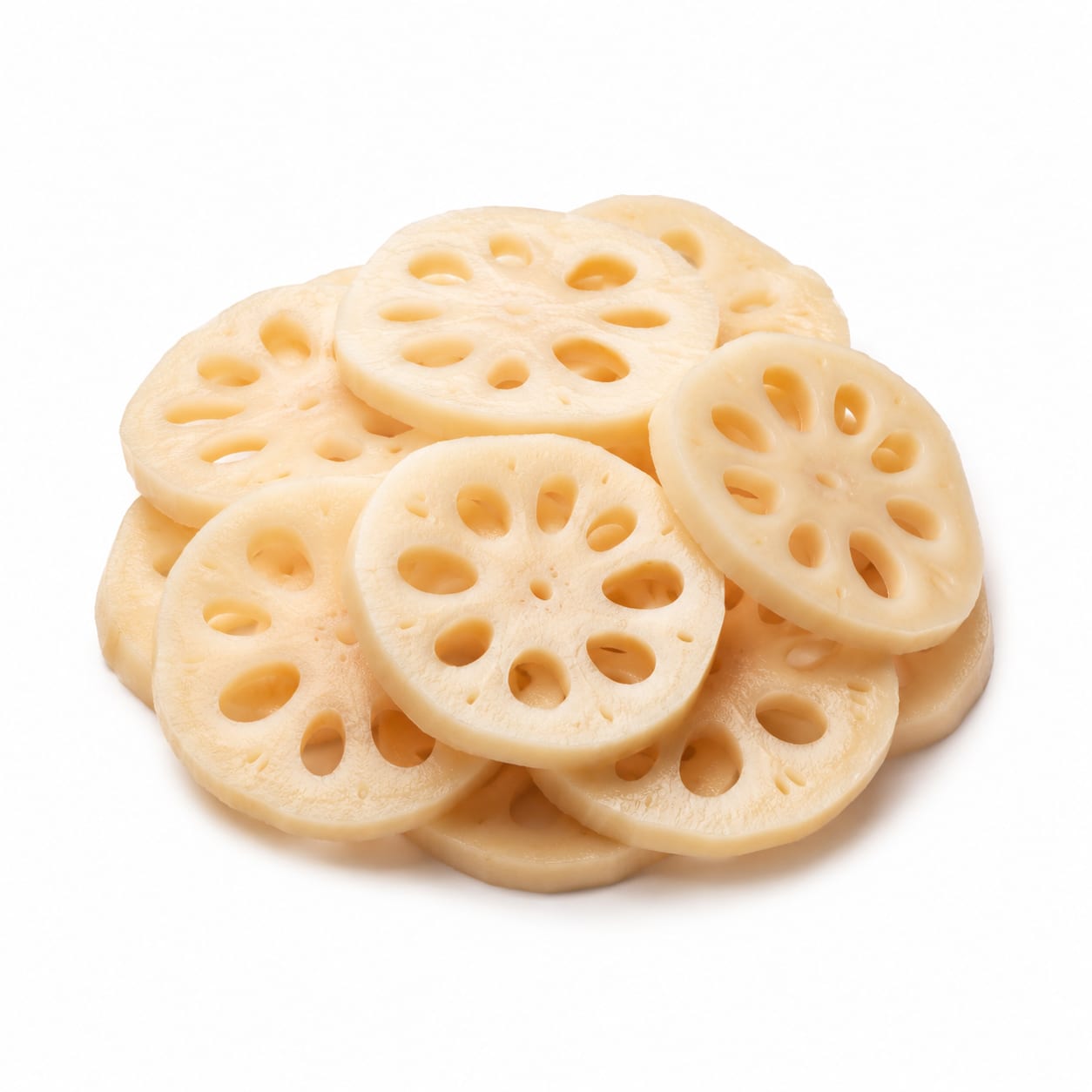
Lotus Root
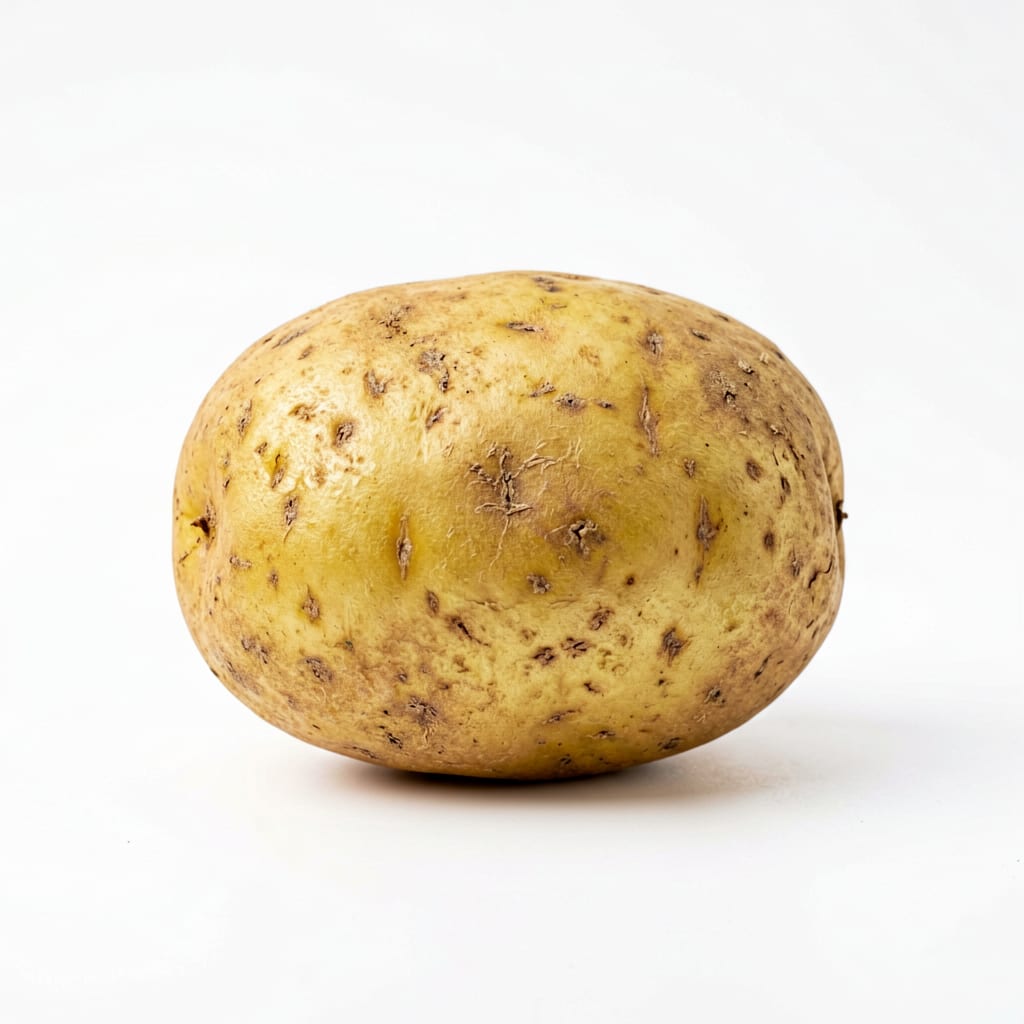
Potato
Lotus root is the metabolic winner with fewer calories and steadier blood sugar, but potato wins on convenience, cost, and everyday practicality.
Lotus root scores higher for metabolic health and nutrient density per calorie, but potato's unmatched convenience, affordability, and satiety keep it competitive. The small gap reflects that most people will eat potatoes far more often, which matters for real-world outcomes.
You trade easy access and comfort-food familiarity for better blood sugar control and lower calorie density.
At a glance
Executive summary
Overall
It depends
Healthier
Lotus Root
More practical
Potato
Daily use
Potato
Key comparison lenses
blood sugar management
Both are starchy root vegetables with significantly different glycemic impacts, making this the most consequential difference for daily health
weight management and calorie density
Lotus root is substantially lower in calories per serving while offering similar volume and satisfaction
practicality and everyday accessibility
Potato is universally available and cheap; lotus root requires specialty stores and more prep effort
fiber quality and digestive health
Both provide fiber but lotus root delivers more per calorie with a higher proportion of viscous and resistant starch
culinary versatility
Potato adapts to dozens of cooking methods and cuisines; lotus root is more niche and texture-specific
Best choice for
Lotus Root
- People managing diabetes or insulin resistance
- Anyone counting calories who still wants filling portions
- Those seeking more fiber and unique antioxidants
- Home cooks exploring Asian cuisine
Potato
- Budget-conscious families needing affordable calories
- Athletes needing quick glycogen replenishment
- Anyone who values convenience and wide availability
- People wanting comfort food that satisfies emotionally
Least suitable for
Lotus Root
- People without access to Asian grocery stores
- Anyone who needs quick weeknight meal solutions
- Those unfamiliar with its texture and preparation
- Households with picky eaters resistant to new foods
Potato
- People with severe blood sugar concerns
- Those on low-carb or keto diets
- Anyone trying to reduce calorie density while eating large volumes
- People avoiding nightshades due to inflammation sensitivities
Deep comparison
Dimension by dimension
Each lens scores both foods and breaks down who each option suits.
- Dimension 1 · Priority 95Lotus Root
Blood Sugar Stability
Lotus Root · 82Potato · 45Lotus root causes a much gentler blood sugar rise than potato, especially baked or mashed potato.
Tradeoff
Potato gives faster energy but risks crashes; lotus root delivers steadier, longer-lasting fuel.
Why it matters
If you get sleepy after meals or crave sweets an hour later, potato is likely the culprit. Lotus root avoids that rollercoaster.
Real-world impact
After a potato-heavy lunch you might feel sluggish by 3pm. After lotus root, energy holds steadier through the afternoon.
Lotus Root
- Diabetics and prediabetics
- People who experience afternoon energy crashes
- Anyone trying to reduce sugar cravings
Better for
- Situations demanding immediate energy replenishment
Worse for
Potato
- Endurance athletes mid-event who need rapid glucose
- Underweight individuals needing easy calories
Better for
- Sedentary evenings when excess glucose stores as fat
- Anyone monitoring HbA1c
Worse for
- Dimension 2 · Priority 90Lotus Root
Calorie Density and Weight Management
Lotus Root · 85Potato · 55Lotus root delivers roughly half the calories per cup compared to potato, making it far easier to eat satisfying portions without overconsuming.
Tradeoff
You get more food volume with lotus root but less of the starchy comfort that makes potato emotionally satisfying.
Why it matters
When you can eat a larger portion for fewer calories, you naturally eat less without feeling deprived.
Real-world impact
A full cup of lotus root costs you about 75 calories. A cup of potato runs 130-150. That gap adds up over a week.
Lotus Root
- Anyone actively losing weight
- Volume eaters who like large portions
- People tracking calories closely
Better for
- Those who need calorie-dense meals to maintain weight
Worse for
Potato
- Growing teenagers who need calorie surplus
- Manual laborers with high energy expenditure
Better for
- Emotional eaters who struggle to stop at one serving
Worse for
- Dimension 3 · Priority 82Lotus Root
Fiber and Digestive Health
Lotus Root · 84Potato · 62Lotus root provides more fiber per calorie, including mucilaginous compounds that soothe the gut lining and support healthy digestion.
Tradeoff
Potato fiber is decent, especially with skin on, but lotus root's fiber profile is more diverse and gut-protective.
Why it matters
Better fiber means better fullness, smoother digestion, and a healthier gut microbiome over time.
Real-world impact
Regular lotus root consumption can help with constipation and gut regularity more effectively than potato.
Lotus Root
- People with sluggish digestion
- Anyone increasing fiber intake gradually
- Those with mild gut inflammation
Better for
- Those unaccustomed to high fiber who might experience bloating initially
Worse for
Potato
- People with very sensitive digestion who need bland, easy-to-tolerate foods
Better for
- Anyone relying on it as their primary fiber source
Worse for
- Dimension 4 · Priority 88Potato
Convenience and Accessibility
Lotus Root · 30Potato · 92Potato is available everywhere, cheap, and cooks in minutes. Lotus root requires specialty stores, peeling, and soaking.
Tradeoff
The health advantages of lotus root mean nothing if you cannot find it or will not prepare it regularly.
Why it matters
The best food for you is the one you will actually eat consistently. Potato wins on sustainability for most households.
Real-world impact
You can buy potatoes at any gas station. Lotus root might require a 30-minute trip to an Asian market.
Lotus Root
- Urban dwellers near Asian grocery stores
- Meal preppers who batch-cook on weekends
Better for
- Weeknight cooking when time is short
- Communities without international grocery access
Worse for
Potato
- Rural and suburban households
- Busy parents needing quick side dishes
- Anyone cooking on a tight budget
Better for
- None significant — potato is among the most convenient foods available
Worse for
- Dimension 5 · Priority 78Lotus Root
Nutrient Density and Unique Compounds
Lotus Root · 80Potato · 65Lotus root contains vitamin C, potassium, copper, and unique antioxidants like quercetin and catechin that potato lacks.
Tradeoff
Potato provides more potassium and B6 per serving, but lotus root offers a broader micronutrient spectrum per calorie.
Why it matters
Eating nutrient-diverse foods reduces the need for supplements and supports long-term health more effectively.
Real-world impact
Lotus root contributes antioxidants that support skin health and inflammation control beyond basic nutrition.
Lotus Root
- Those seeking antioxidant variety
- People interested in functional food benefits
Better for
- Situations where potassium intake is the priority
Worse for
Potato
- Anyone needing potassium for blood pressure or cramp prevention
- Those relying on a few staple foods for most nutrients
Better for
- Diets already high in common starchy staples needing more diversity
Worse for
- Dimension 6 · Priority 80Potato
Satiety and Emotional Satisfaction
Lotus Root · 60Potato · 85Potato ranks among the most satiating foods tested. Its warm, starchy comfort is emotionally satisfying in ways lotus root cannot match.
Tradeoff
Lotus root fills you up physically through fiber but lacks the psychological comfort that makes potato a beloved staple worldwide.
Why it matters
Foods that satisfy emotionally are easier to eat long-term. Boredom or dissatisfaction leads to snacking.
Real-world impact
A baked potato feels like a meal. Lotus root feels like a side dish or snack. That difference shapes how much you eat afterward.
Lotus Root
- Those who prioritize physical fullness over comfort
- People eating mindfully with diverse dishes
Better for
- Emotional eaters who need warmth and comfort from meals
Worse for
Potato
- Comfort food seekers
- Anyone trying to reduce between-meal snacking through satisfaction
Better for
- Those who find starchy comfort foods trigger overeating
Worse for
Timeline
Health impact over time
Short-term
Hours to days
Lotus Root
- Steadier energy after meals with no sugar crash
- Mild fullness from high fiber, though less emotional satisfaction
- Possible bloating if you are not used to the fiber load
Potato
- Quick energy boost within 30-60 minutes of eating
- Strong physical fullness, especially boiled or baked
- Risk of drowsiness 1-2 hours after a large serving
Long-term
Months to years
Lotus Root
- Better blood sugar regulation with regular consumption
- Improved gut health and regularity from diverse fiber
- Antioxidant intake may support skin and vascular health
Potato
- Reliable potassium intake supporting blood pressure
- Consistent B6 intake for brain and nerve function
- Potential weight gain if portions are not managed, especially with butter or oil
Risk profile
Safety & processing
Both are whole, minimally processed root vegetables. Fresh lotus root and whole potato are equally clean choices. The concern with potato arises only when it becomes fries, chips, or instant mash — forms that add unhealthy fats, sodium, and preservatives.
Lotus Root
Parasite contamination from muddy growing conditions
mediumLotus root grows in pond mud and can harbor parasites if eaten raw. Always cook thoroughly.
Oxalate content
lowContains moderate oxalates. Not a concern for most people but worth noting for those prone to kidney stones.
Potato
Solanine toxicity from green or sprouted potatoes
mediumGreen spots and sprouts contain solanine, a natural toxin. Cut them away deeply or discard the potato entirely.
Acrylamide formation when fried or roasted at high heat
mediumHigh-temperature cooking creates acrylamide, a probable carcinogen. Boiling and steaming avoid this entirely.
Pesticide residue on conventional potatoes
mediumPotatoes frequently appear on dirty dozen lists. Peeling helps but removes beneficial nutrients. Organic is preferable.
Who wins for whom
Audience fit
Same foods, different winners depending on your goal.
children
PotatoKids universally accept potato in familiar forms. Lotus root's unusual texture and limited preparation familiarity make it a hard sell for most children.
daily consumption
PotatoAffordability, availability, and ease of preparation make potato realistic as a daily staple. Lotus root is better used as a rotational addition 2-3 times per week.
diabetes
Lotus RootSignificantly lower glycemic impact and higher fiber slow glucose absorption, making post-meal blood sugar far more manageable.
elderly
It dependsPotato is softer and easier to chew for those with dental issues. Lotus root supports better blood sugar control, which matters more for older adults with metabolic concerns.
muscle gain
PotatoMore carbohydrates per serving replenish glycogen faster after training, and the calorie surplus is easier to achieve with potato.
weight loss
Lotus RootHalf the calories per cup with more fiber makes lotus root the clear choice for sustainable calorie reduction without hunger.
Your move
Decision guide
Choose Lotus Root
- You are managing blood sugar, insulin resistance, or diabetes
- You want lower-calorie meals that still feel substantial
- You enjoy Asian cooking and have access to lotus root
- You are looking to diversify your starch sources beyond the usual staples
Choose Potato
- You need affordable, filling calories for a household
- You want a versatile base that works in dozens of recipes
- You are an athlete needing quick carbohydrate replenishment
- Comfort and familiarity matter more than metabolic optimization
Either works if
- You want a whole-food starch source and are willing to rotate both
- You are generally healthy with no blood sugar concerns
- You enjoy cooking and want variety in your vegetable rotation
Avoid both if
- You are on a strict ketogenic or very-low-carb diet
- You have severe digestive conditions that require low-fiber diets temporarily
- You are sensitive to nightshades and also cannot tolerate lotus root fiber
Final recommendation
Use potato as your everyday starch for practicality, but swap in lotus root 2-3 times per week for better blood sugar control and fiber diversity. The best approach is not choosing one — it is rotating both so you get the comfort and convenience of potato alongside the metabolic advantages of lotus root.
Practical
Consumer tips
- 1
Boil or steam potato rather than frying to avoid acrylamide and keep calories low
- 2
Always cook lotus root thoroughly — never eat it raw due to parasite risk
- 3
Cut away any green spots on potato deeply to remove solanine
- 4
Buy organic potato when possible since it is a high-pesticide crop
- 5
Slice lotus root and soak in vinegar water for 10 minutes before cooking to prevent browning and improve texture
- 6
Cool boiled potato in the fridge overnight to increase resistant starch, which lowers its glycemic impact significantly
- 7
Pair potato with protein and healthy fat to blunt the blood sugar spike — a plain baked potato alone is the worst way to eat it
- 8
Look for lotus root that feels heavy and firm with no soft spots — lighter pieces may be hollow or woody