
Nutrition comparison
Lotus Root vs Turnip: Nutrition, Taste, and Which to Choose
Compare lotus root and turnip side by side—nutrients, carbs, health benefits, cost, and cooking uses. Find out which root vegetable fits your diet and lifestyle better.
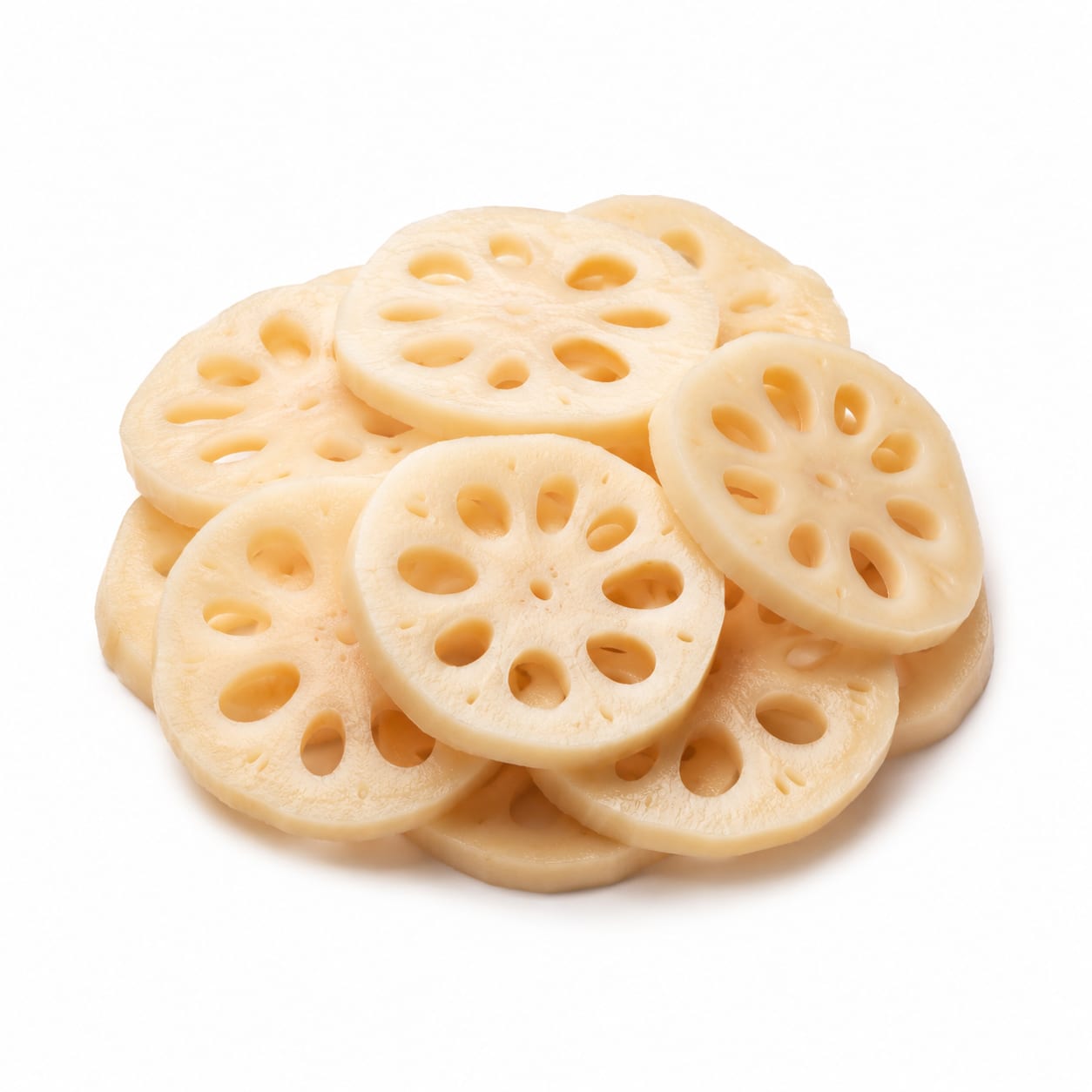
Lotus Root
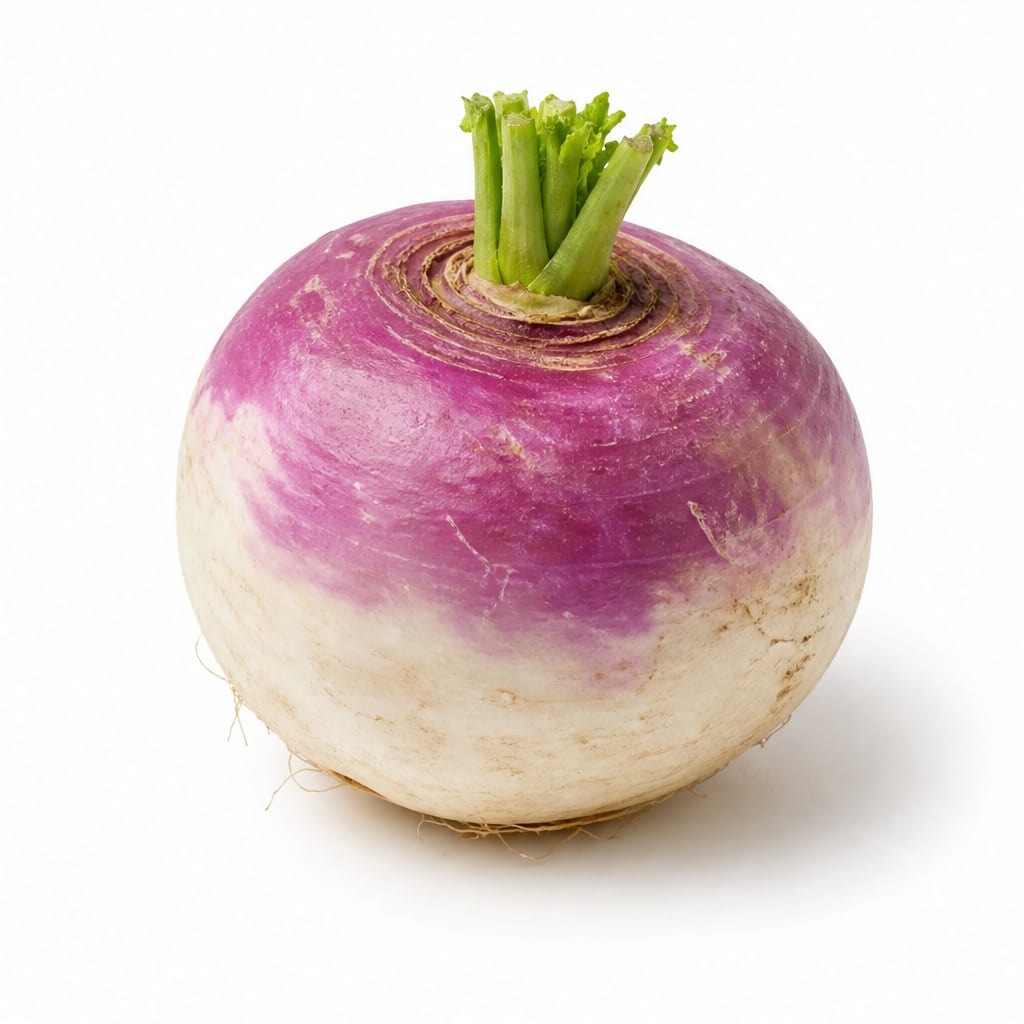
Turnip
Lotus root delivers more nutrients and unique antioxidants but costs more and requires effort to find. Turnip is the pragmatic everyday choice with surprising cancer-fighting compounds and near-zero prep barriers.
Lotus root scores higher on nutritional density and unique health compounds, but turnip stays competitive through superior accessibility, lower carbs, and everyday practicality. The close scores reflect that neither dominates—the better choice depends on your priorities.
Nutritional depth and culinary uniqueness versus affordability and everyday convenience
At a glance
Executive summary
Overall
It depends
Healthier
Lotus Root
More practical
Turnip
Daily use
Turnip
Key comparison lenses
root vegetable nutrition comparison
Both are root vegetables but with vastly different nutrient profiles and culinary traditions
accessibility and practicality
Lotus root is a specialty item while turnip is a everyday staple, heavily influencing real-world choice
blood sugar and carb management
Significant carbohydrate difference makes this relevant for low-carb and diabetic diets
antioxidant and anti inflammatory benefits
Each offers distinct phytonutrients—polyphenols in lotus root vs glucosinolates in turnip
digestive health and fiber quality
Different fiber types affect gut health and satiety in different ways
Best choice for
Lotus Root
- People seeking vitamin C and potassium richness
- Those wanting unique polyphenol antioxidants
- Anyone following Asian cooking traditions
- Home cooks exploring new textures and flavors
- Those needing higher carb intake for active lifestyles
Turnip
- Budget-conscious shoppers
- Anyone following a low-carb or keto diet
- People who want quick-prep weeknight vegetables
- Families needing widely available produce
- Those interested in cruciferous cancer-fighting benefits
Least suitable for
Lotus Root
- People without access to Asian grocery stores
- Anyone on a strict low-carb diet
- Those wanting minimal prep time
- Shoppers on tight budgets
Turnip
- People avoiding cruciferous vegetables due to thyroid concerns
- Those seeking high-potassium foods
- Anyone wanting a crisp, crunchy texture in raw form
- People looking for vitamin B6 sources
Deep comparison
Dimension by dimension
Each lens scores both foods and breaks down who each option suits.
- Dimension 1 · Priority 90Lotus Root
Nutritional Density
Lotus Root · 78Turnip · 62Lotus root packs more vitamin C, potassium, vitamin B6, and copper per serving than turnip.
Tradeoff
You get more micronutrients with lotus root but also significantly more carbohydrates and calories
Why it matters
Higher nutrient density means each bite delivers more of what your body actually needs, especially minerals most people fall short on
Real-world impact
Eating lotus root regularly can help close potassium gaps that affect blood pressure and muscle function more effectively than turnip
Lotus Root
- Potassium intake for blood pressure management
- Vitamin C for immune support
- Copper and iron for energy production
- B6 for brain and nerve function
Better for
- Higher carb load may not suit low-carb goals
- More calories per serving if watching intake
Worse for
Turnip
- Lower calorie meals
- Vitamin K for bone health
- Folate intake
- Glucosinolate compounds for cellular defense
Better for
- Lower mineral content overall
- Less vitamin C per serving
Worse for
- Dimension 2 · Priority 85Turnip
Blood Sugar and Carb Load
Lotus Root · 45Turnip · 82Turnip has roughly one-third the carbohydrates of lotus root, making it far more blood-sugar friendly.
Tradeoff
Lotus root provides more sustained energy from complex carbs, but turnip keeps glucose levels steadier with minimal impact
Why it matters
For anyone managing diabetes, metabolic syndrome, or trying to stay in ketosis, carb density is often the deciding factor
Real-world impact
A turnip side dish won't cause the afternoon energy dip that a large lotus root portion might trigger in carb-sensitive people
Lotus Root
- Active individuals needing carb fuel
- Post-workout recovery meals
- Endurance athletes replenishing glycogen
Better for
- Can spike blood sugar if eaten in large portions
- Not suitable for strict keto
Worse for
Turnip
- Diabetics managing blood sugar
- Keto and low-carb dieters
- Anyone wanting lighter meals without carb crashes
- Evening meals where lower carbs aid sleep
Better for
- May not provide enough energy for very active people
- Less satisfying as a standalone carb source
Worse for
- Dimension 3 · Priority 78It depends
Antioxidant and Anti-inflammatory Profile
Lotus Root · 76Turnip · 74Lotus root offers polyphenols and tannins that fight oxidative stress, while turnip delivers glucosinolates linked to cancer prevention.
Tradeoff
Different antioxidant families serve different purposes—polyphenols for general inflammation versus glucosinolates for detoxification pathways
Why it matters
Long-term disease prevention depends on consuming diverse antioxidant types, not just high amounts of one kind
Real-world impact
Eating both vegetables over time gives broader cellular protection than loading up on just one
Lotus Root
- Reducing chronic inflammation
- Protecting blood vessels from oxidative damage
- Supporting liver health through tannins
Better for
- Lacks glucosinolate benefits specific to cruciferous vegetables
Worse for
Turnip
- Activating detoxification enzymes
- Reducing cellular damage linked to certain cancers
- Supporting the body's natural Phase II detox pathways
Better for
- Lower total polyphenol content than lotus root
Worse for
- Dimension 4 · Priority 72Lotus Root
Fiber Quality and Digestive Health
Lotus Root · 75Turnip · 68Lotus root provides more total fiber with a higher soluble fiber content that feeds beneficial gut bacteria.
Tradeoff
Lotus root's mucilaginous fiber is excellent for gut lining health but creates a slippery texture some people dislike; turnip's fiber is more conventional and easier to tolerate
Why it matters
Soluble fiber specifically feeds probiotic bacteria and produces short-chain fatty acids that protect the colon
Real-world impact
Regular lotus root consumption can improve bowel regularity and gut microbiome diversity more noticeably than turnip
Lotus Root
- Feeding beneficial gut bacteria
- Soothing digestive tract inflammation
- Improving stool consistency
- Supporting microbiome diversity
Better for
- Slippery texture may be off-putting
- More gas production if gut isn't adapted
Worse for
Turnip
- Gentle fiber for sensitive stomachs
- Less unusual texture for picky eaters
- Cruciferous fiber linked to lower colon cancer risk
Better for
- Lower total fiber per serving
- Less soluble fiber for microbiome benefits
Worse for
- Dimension 5 · Priority 88Turnip
Availability and Practicality
Lotus Root · 35Turnip · 90Turnip is available in virtually every grocery store year-round at low cost. Lotus root requires specialty stores and costs significantly more.
Tradeoff
Lotus root's rarity makes it exciting and unique but impractical for weekly meal planning; turnip's ubiquity makes it effortless to keep on hand
Why it matters
The healthiest vegetable is the one you actually buy and eat consistently, not the one with a slightly better nutrient profile you can never find
Real-world impact
Most people can grab turnips on any grocery run, while lotus root requires a dedicated trip to an Asian market or online order
Lotus Root
- Special occasion meals that feel unique
- Exploring authentic Asian recipes
- Impressing dinner guests with something different
Better for
- Hard to find in most areas
- More expensive per serving
- Shorter shelf life once purchased
Worse for
Turnip
- Weeknight cooking without planning ahead
- Budget meal prep
- Consistent daily vegetable intake
- Rural or small-town grocery access
Better for
- Less exciting or adventurous on the plate
- More likely to be ignored in the produce drawer
Worse for
- Dimension 6 · Priority 70It depends
Culinary Versatility and Enjoyment
Lotus Root · 72Turnip · 70Lotus root offers a unique crunchy texture and beautiful presentation, while turnip adapts to more cooking methods and flavor profiles.
Tradeoff
Lotus root excels in specific Asian dishes but feels out of place elsewhere; turnip blends into soups, roasts, mashes, and stews across many cuisines
Why it matters
Enjoyment drives consistency—if a vegetable feels like a chore to cook or eat, it won't stay in your rotation long
Real-world impact
Lotus root makes stir-fries and bento boxes special, but turnip can disappear into comfort food that even vegetable-avoiders will eat
Lotus Root
- Visual appeal with its lacy cross-section pattern
- Crunchy texture in stir-fries and tempura
- Authentic Asian soup and braised dishes
- Unique snacking when thinly sliced and fried
Better for
- Limited to mostly Asian flavor profiles
- Turns brown quickly without acidulated water prep
- Texture doesn't suit creamy or mashed dishes
Worse for
Turnip
- Mashing as a low-carb potato substitute
- Roasting alongside other root vegetables
- Adding to stews and pot roasts
- Raw in salads with dip
- Pureeing into soups
Better for
- Can become bitter or watery if overcooked
- Less visually impressive on the plate
- Peeling is tedious with waxy skin
Worse for
Timeline
Health impact over time
Short-term
Hours to days
Lotus Root
- Provides noticeable energy from complex carbohydrates within an hour
- Supports hydration due to high water and potassium content
- May cause mild bloating if digestive system isn't used to soluble fiber
Turnip
- Very light on the stomach with minimal digestive discomfort
- Keeps blood sugar stable without energy spikes or crashes
- Can cause gas in sensitive individuals due to cruciferous compounds
Long-term
Months to years
Lotus Root
- Regular potassium intake supports healthy blood pressure over time
- Polyphenol antioxidants may reduce chronic inflammation markers
- Vitamin C content contributes to collagen maintenance and skin health
- Mucilaginous fiber supports gut lining integrity and microbiome balance
Turnip
- Glucosinolates activate detoxification enzymes linked to reduced cancer risk
- Consistent low-calorie intake supports weight management without restriction
- Cruciferous vegetable consumption associated with lower cardiovascular disease risk
- Vitamin K supports bone density maintenance as you age
Risk profile
Safety & processing
Both vegetables are typically sold whole and unprocessed. Lotus root sometimes comes pre-sliced in vacuum packs which may contain preservatives, so whole root is preferable. Turnip is almost always sold fresh and whole with no additives.
Lotus Root
Parasitic contamination from aquatic growing environment
mediumLotus root grows in muddy pond sediment and can harbor parasites if eaten raw or undercooked. Always cook thoroughly.
Browning and spoilage after cutting
lowOxidation happens quickly once sliced. Soak in vinegar water and use promptly to maintain quality and safety.
Turnip
Goitrogenic compounds affecting thyroid function
lowCruciferous vegetables contain goitrogens that can interfere with thyroid hormone when consumed raw in very large amounts. Cooking largely deactivates these compounds.
Pesticide residue on conventionally grown crops
lowTurnips appear on the Clean Fifteen list with typically low pesticide residues, making organic optional rather than essential.
Who wins for whom
Audience fit
Same foods, different winners depending on your goal.
children
TurnipTurnip can be mashed or roasted into familiar textures kids accept more easily, while lotus root's unusual appearance and texture can be a hard sell for picky eaters
daily consumption
TurnipTurnip's easy availability, low cost, and mild flavor make it realistic to eat every day, while lotus root's specialty status makes daily use impractical for most people
diabetes
TurnipTurnip's minimal carbohydrate content causes negligible blood sugar impact, while lotus root's higher carb load requires more careful portion management
elderly
It dependsTurnip is easier to chew when cooked soft and supports bone health with vitamin K, but lotus root's potassium helps with blood pressure management common in older adults
muscle gain
Lotus RootLotus root provides more carbohydrates for glycogen replenishment and slightly more potassium for muscle recovery and cramp prevention
weight loss
TurnipTurnip has roughly half the calories and one-third the carbs of lotus root, making it easier to fit into calorie-restricted meals without feeling heavy
Your move
Decision guide
Choose Lotus Root
- You have access to an Asian grocery store and want to explore new ingredients
- You're looking for potassium-rich foods to support blood pressure or muscle function
- You want impressive visual presentation for dinner parties or bento boxes
- You're an active person who benefits from quality carbohydrate sources
- You're interested in traditional Asian medicinal cooking approaches
Choose Turnip
- You want a reliable, affordable vegetable available at any supermarket
- You're managing blood sugar, following keto, or counting carbs
- You need a low-calorie potato substitute for mashing or roasting
- You're meal prepping for the week and want something that stores well
- You want cancer-fighting cruciferous benefits without the bitterness of broccoli
Either works if
- You're simply trying to eat more vegetables and both sound appealing
- You want fiber diversity by rotating different vegetable types weekly
- You're cooking a root vegetable medley and want textural variety
Avoid both if
- You have severe digestive issues and need to follow a low-FODMAP elimination diet
- You're on a strict nightshade-free or root-vegetable-restricted protocol
Final recommendation
Keep turnip as your everyday root vegetable for its practicality, low carbs, and cruciferous benefits. Add lotus root when you find it fresh and want something special—its unique nutrients and texture are worth the occasional splurge. The best approach is rotating both for broader antioxidant coverage and more interesting meals.
Practical
Consumer tips
- 1
Soak sliced lotus root in water with a splash of vinegar immediately after cutting to prevent browning and maintain its pale, attractive color
- 2
Choose lotus roots that feel heavy for their size with no soft spots—the holes inside should look clean and uniform
- 3
Small young turnips are sweeter and more tender than large ones, which can become woody and bitter
- 4
Roast turnips with a drizzle of honey and thyme to balance their natural peppery bite
- 5
Cook lotus root thoroughly to eliminate any risk of aquatic parasites—steaming for 10 minutes or stir-frying until tender is sufficient
- 6
Both vegetables store well in the crisper drawer: lotus root for up to 2 weeks wrapped in damp paper towel, turnips for 2-3 weeks loose or in a bag
- 7
If lotus root is hard to find fresh, look for it frozen in Asian markets—texture holds up reasonably well for soups and braises