
Nutrition comparison
Lotus Root vs Cassava: Nutrition, Safety, and Health Comparison
Compare Lotus Root and Cassava to see which root vegetable is healthier. Learn about the safety risks of Cassava, blood sugar impacts, and the best choice for weight loss.
Overall winner · Lotus Root
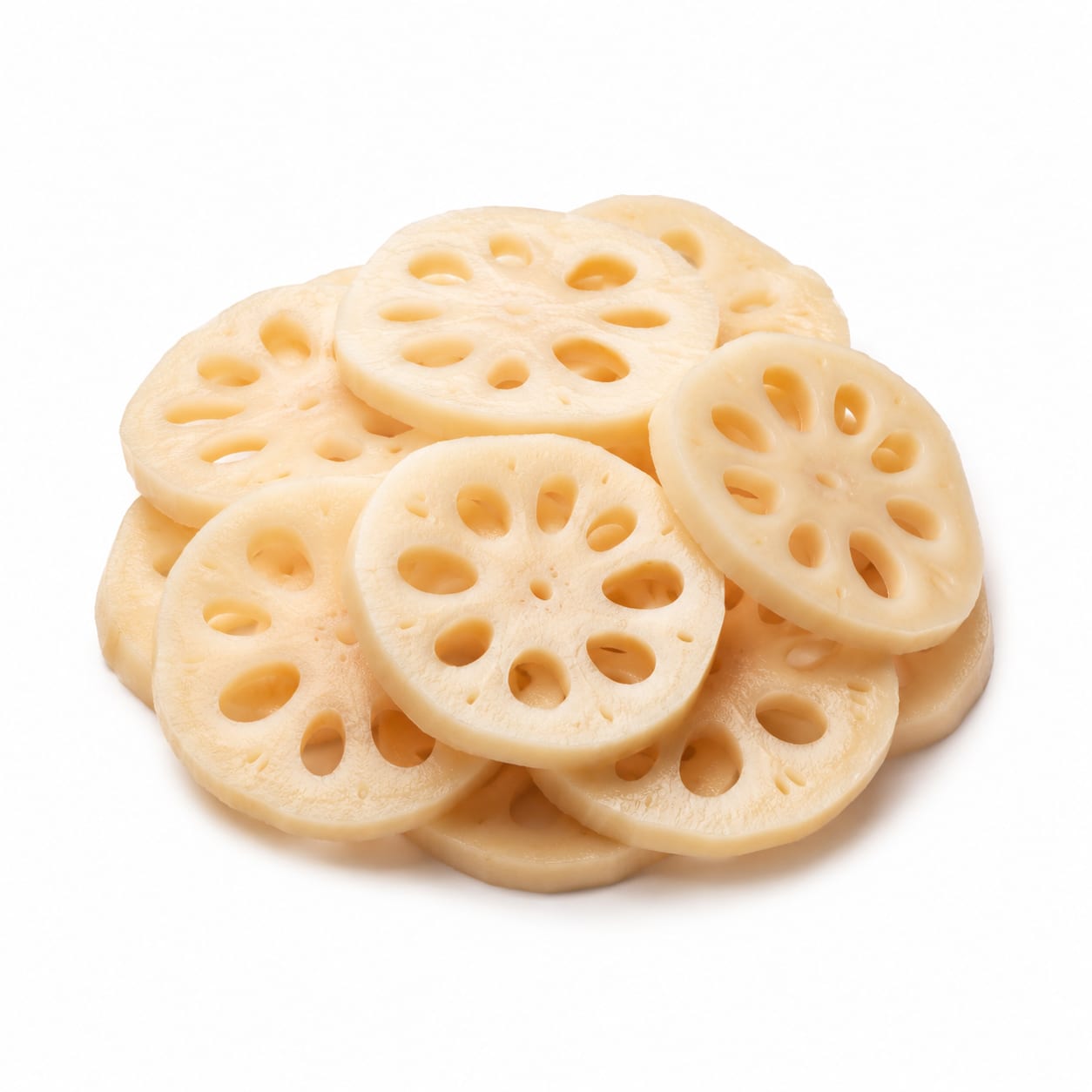
Lotus Root
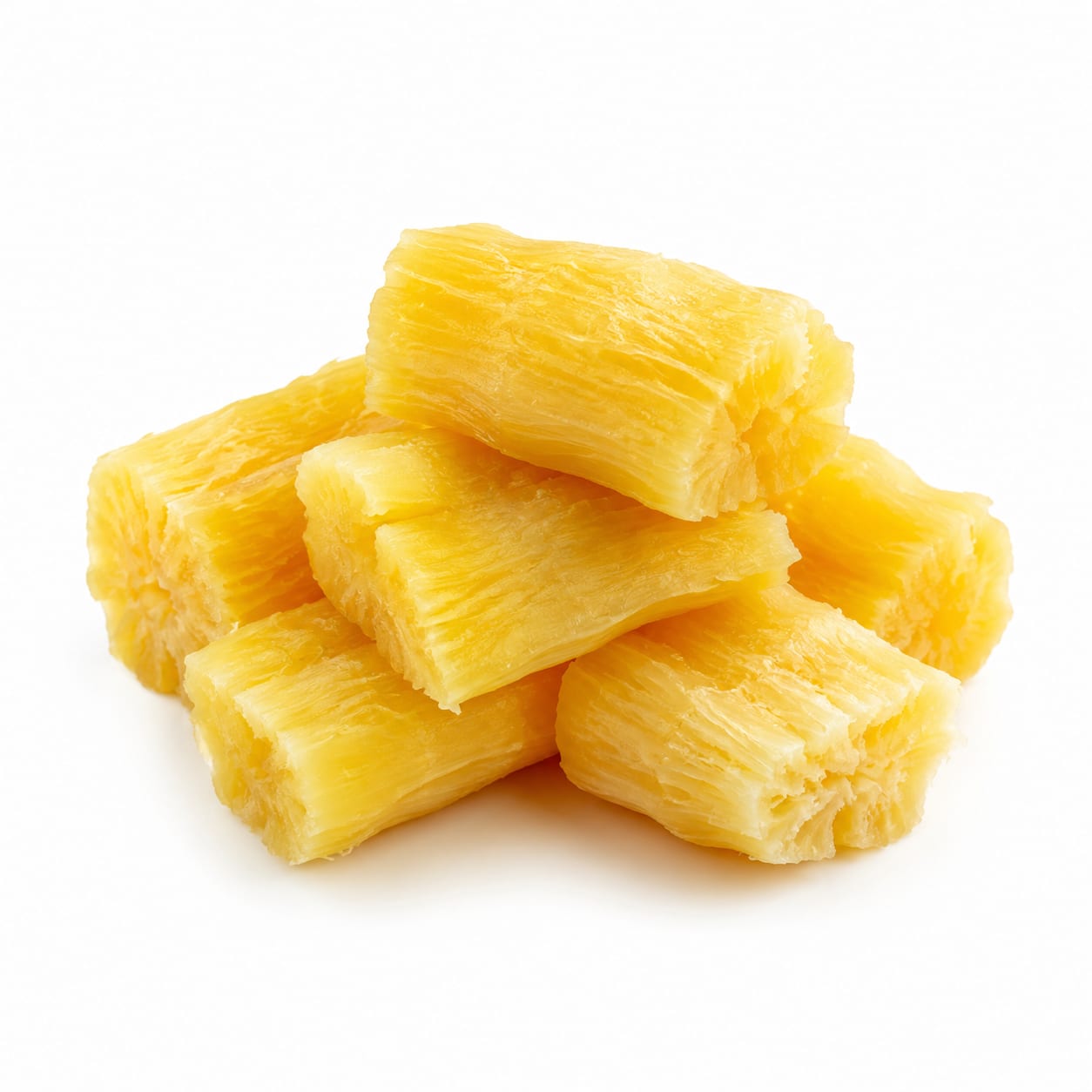
Cassava
Lotus Root is the healthier, safer, and more nutrient-dense choice, while Cassava serves primarily as a cheap, dense calorie source.
Lotus Root scores significantly higher due to its superior micronutrient profile, high fiber content, and complete lack of toxicity risks. Cassava loses ground because of its blood sugar impact, low nutrient density per calorie, and the inherent safety risks of cyanogenic compounds.
You trade safe, low-calorie nutrition in Lotus Root for heavy, energy-dense starch in Cassava—which carries a real toxicity risk if poorly prepared.
At a glance
Executive summary
Overall
Lotus Root
Healthier
Lotus Root
More practical
It depends
Daily use
Lotus Root
Key comparison lenses
Blood sugar impact and carbohydrate quality
Cassava is a dense starchy staple that spikes blood sugar, while Lotus Root offers complex carbs with much more fiber for steadier energy.
Food safety and toxicity
Cassava contains natural cyanogenic glycosides that require careful preparation, whereas Lotus Root is safe to eat with standard cooking.
Calorie density and weight management
Cassava is highly calorie-dense, making it easy to overeat, while Lotus Root is low in calories and highly filling.
Nutrient density per calorie
Lotus Root packs significantly more vitamins and minerals per calorie compared to the starch-heavy Cassava.
Best choice for
Lotus Root
- People managing diabetes or blood sugar spikes
- Anyone tracking calories or trying to lose weight
- Those seeking safe, low-maintenance root vegetables
- People wanting to boost fiber and vitamin C intake
Cassava
- Endurance athletes needing dense carb fuel
- Individuals struggling to get enough daily calories
- Those following traditional tropical diets with proper preparation knowledge
Least suitable for
Lotus Root
- People needing massive calorie intake on a budget
- Those who dislike the slightly crunchy or aquatic texture
Cassava
- People with diabetes or insulin resistance
- Anyone unfamiliar with the strict safety preparation required to remove toxins
- Those on a low-carb or calorie-restricted diet
Deep comparison
Dimension by dimension
Each lens scores both foods and breaks down who each option suits.
- Dimension 1 · Priority 95Lotus Root
Blood Sugar Stability
Lotus Root · 85Cassava · 35Lotus Root provides steady energy with its fiber-to-carb ratio, while Cassava digests rapidly into sugar.
Tradeoff
Choosing Cassava means accepting a rapid blood sugar spike in exchange for quick, dense energy.
Why it matters
Frequent blood sugar spikes from Cassava can lead to afternoon energy crashes and increased cravings.
Real-world impact
A Lotus Root side dish keeps you full and focused, whereas a Cassava-heavy meal might leave you hungry again an hour later.
Lotus Root
- Steady afternoon energy
- Managing diabetes
- Reducing sugar cravings
Better for
- Situations requiring rapid caloric replenishment
Worse for
Cassava
- Quick carb-loading before intense physical labor
Better for
- Sitting at a desk all day
- Pre-diabetes management
Worse for
- Dimension 2 · Priority 90Lotus Root
Food Safety and Toxins
Lotus Root · 95Cassava · 40Lotus Root is naturally safe to eat when cooked, but Cassava contains cyanide precursors that demand rigorous preparation.
Tradeoff
Cassava offers cheap calories globally, but consuming it improperly can cause acute poisoning or chronic neurological issues.
Why it matters
A food that can harm you if prepared incorrectly adds a layer of risk that most everyday vegetables do not have.
Real-world impact
You can casually steam or stir-fry Lotus Root without worry, but Cassava requires peeling, soaking, and thorough cooking to be safe.
Lotus Root
- Worry-free weeknight cooking
- Feeding children safely
Better for
Cassava
- Survival situations where calories outweigh safety protocols
Better for
- Rushed meal prep
- Inexperienced cooks
Worse for
- Dimension 3 · Priority 85Lotus Root
Nutrient Density
Lotus Root · 88Cassava · 45Lotus Root is packed with vitamin C, potassium, and fiber, while Cassava is essentially empty starch with minimal micronutrients.
Tradeoff
Cassava delivers pure caloric fuel at the expense of vitamins, whereas Lotus Root nourishes without the calorie load.
Why it matters
Eating nutrient-dense foods like Lotus Root supports immune function and digestion naturally through your meals.
Real-world impact
Choosing Lotus Root helps you hit your daily vitamin and mineral targets without needing supplements.
Lotus Root
- Boosting immune health with vitamin C
- Improving digestion with fiber
Better for
- Pure calorie replenishment after extreme endurance
Worse for
Cassava
- Gaining weight healthily when paired with nutrient-rich sides
Better for
- Preventing nutrient deficiencies on a restrictive diet
Worse for
- Dimension 4 · Priority 80Lotus Root
Calorie Density and Satiety
Lotus Root · 80Cassava · 50Lotus Root is low in calories but physically filling, while Cassava packs a massive calorie punch into a small serving.
Tradeoff
Cassava is highly efficient for getting calories but makes portion control very difficult if you are watching your weight.
Why it matters
Low calorie density foods allow you to eat a satisfying volume of food without accidentally overconsuming.
Real-world impact
You can eat a large bowl of Lotus Root soup for minimal calories, but a small Cassava cake can easily exceed 400 calories.
Lotus Root
- Weight loss diets
- Large, satisfying portion sizes
Better for
- Recovering from severe under-eating
Worse for
Cassava
- Bulking up
- Long hiking trips needing lightweight calorie density
Better for
- Late-night snacking
- Sedentary lifestyles
Worse for
Timeline
Health impact over time
Short-term
Hours to days
Lotus Root
- Improved digestion from high fiber intake
- Steady, crash-free energy levels
- Satisfaction from a large, low-calorie food volume
Cassava
- Rapid energy surge followed by a potential crash
- Feeling heavily satiated or even sluggish due to starch density
- Risk of mild stomach upset if not cooked thoroughly enough
Long-term
Months to years
Lotus Root
- Better blood sugar management and reduced diabetes risk
- Support for cardiovascular health via potassium
- Healthy weight maintenance due to low calorie density
Cassava
- Increased risk of weight gain if eaten frequently as a staple without portion control
- Potential for chronic neurological issues if bitter varieties are consistently under-processed
- Higher risk of metabolic syndrome due to high glycemic load
Risk profile
Safety & processing
Both Lotus Root and Cassava are whole, natural root vegetables. However, Cassava requires extensive human processing (peeling, soaking, fermenting, or pressing) just to be safe to eat, whereas Lotus Root needs only standard washing and cooking.
Lotus Root
Mud or aquatic bacteria
lowSince it grows in mud, thorough washing and cooking are necessary to remove common waterborne bacteria.
Cassava
Cyanogenic glycosides (Cyanide precursors)
highCassava roots contain compounds that release hydrogen cyanide when eaten raw or undercooked. Bitter varieties have especially high levels and can cause acute poisoning, paralysis, or death if not properly detoxified through soaking and cooking.
Who wins for whom
Audience fit
Same foods, different winners depending on your goal.
children
Lotus RootLotus Root is inherently safe with basic cooking, whereas Cassava poses a strict toxicity risk if a child is served improperly prepared portions.
daily consumption
Lotus RootLotus Root can be eaten daily as a healthy vegetable side without metabolic or safety concerns, unlike the starchy, high-glycemic Cassava.
diabetes
Lotus RootLotus Root has a much lower glycemic impact and more fiber, preventing the dangerous blood sugar spikes caused by Cassava.
elderly
Lotus RootOlder adults need nutrient-dense, easy-to-digest foods with high fiber for gut health; Lotus Root fits perfectly, while Cassava lacks nutrients and can disrupt blood sugar.
muscle gain
CassavaCassava provides the dense carbohydrate calories needed to fuel heavy training and recover muscle glycogen stores efficiently.
weight loss
Lotus RootLotus Root is low in calories and high in fiber, making it easy to eat large, satisfying portions without overconsuming calories.
Your move
Decision guide
Choose Lotus Root
- You want a low-calorie, high-fiber vegetable to fill your plate
- You are watching your blood sugar or trying to lose weight
- You want a safe, easy-to-prepare root vegetable for family dinners
Choose Cassava
- You are an athlete needing serious carbohydrate refueling
- You need affordable, dense calories to meet high daily energy demands
- You are experienced in traditional Cassava preparation methods
Either works if
- You want a gluten-free starch alternative to wheat
- You are making a hearty stew and need a root vegetable base
Avoid both if
- You are strictly following a ketogenic or very low-carb diet
Final recommendation
For everyday eating, Lotus Root is the clear winner—it is safer, far more nutritious, and much kinder to your waistline and blood sugar. Save Cassava for occasional use when you specifically need dense carb fuel, and always ensure it is meticulously prepared to avoid toxicity.
Practical
Consumer tips
- 1
Always peel Cassava completely and boil it thoroughly to destroy cyanide compounds; never eat it raw.
- 2
Buy pre-packaged, pre-washed Lotus Root slices to save significant prep time while still getting all the nutritional benefits.
- 3
If you want the comfort of Cassava but better blood sugar control, try mixing a small amount of Cassava with a larger portion of Lotus Root in soups.
- 4
Look for firm, unblemished Lotus Roots with no soft spots for the best texture and flavor.