
Nutrition comparison
Lotus Root vs Yam: Which Root Vegetable Is Better for You?
Compare lotus root and yam nutrition, calories, blood sugar impact, and practicality. Find out which starchy root fits your health goals and lifestyle better.
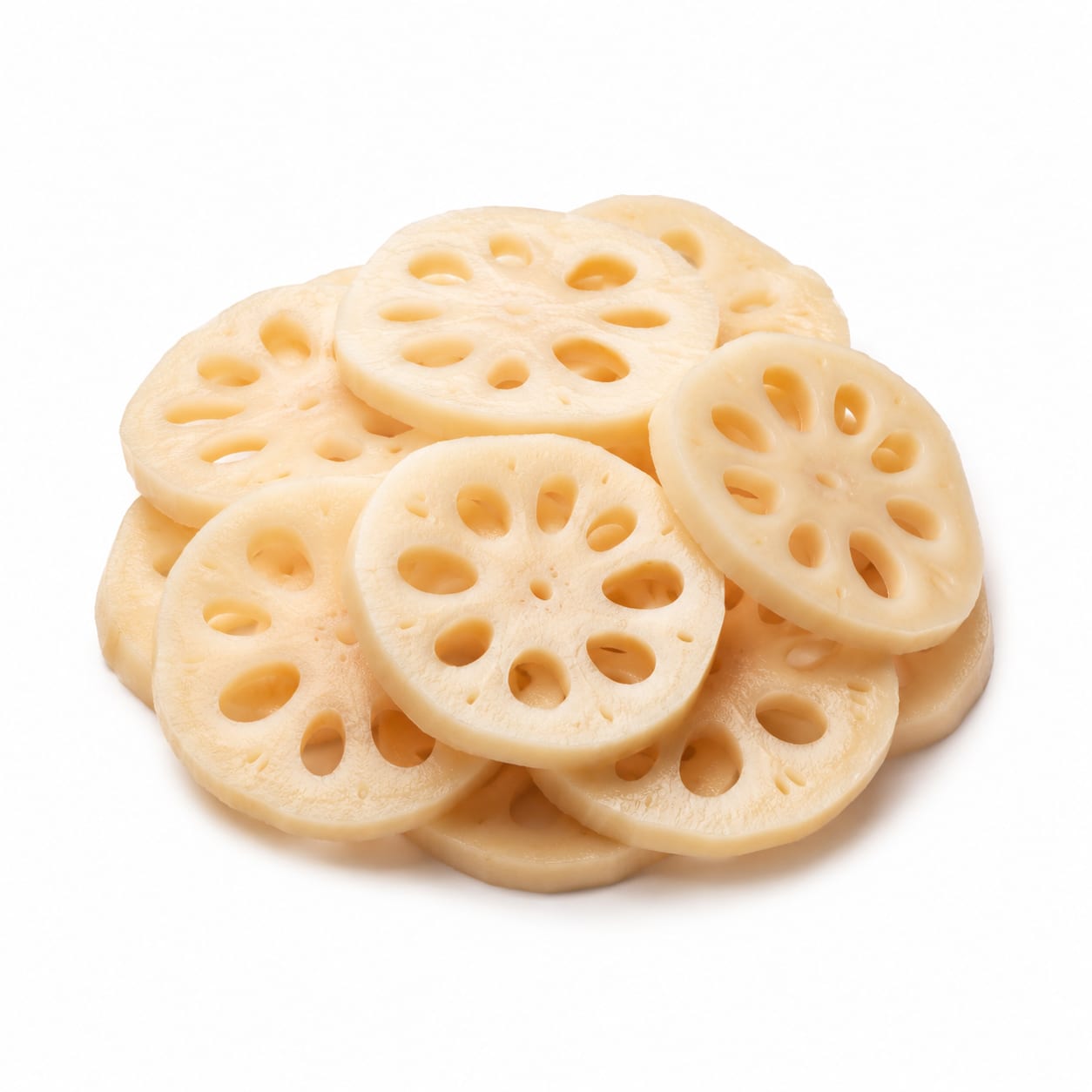
Lotus Root
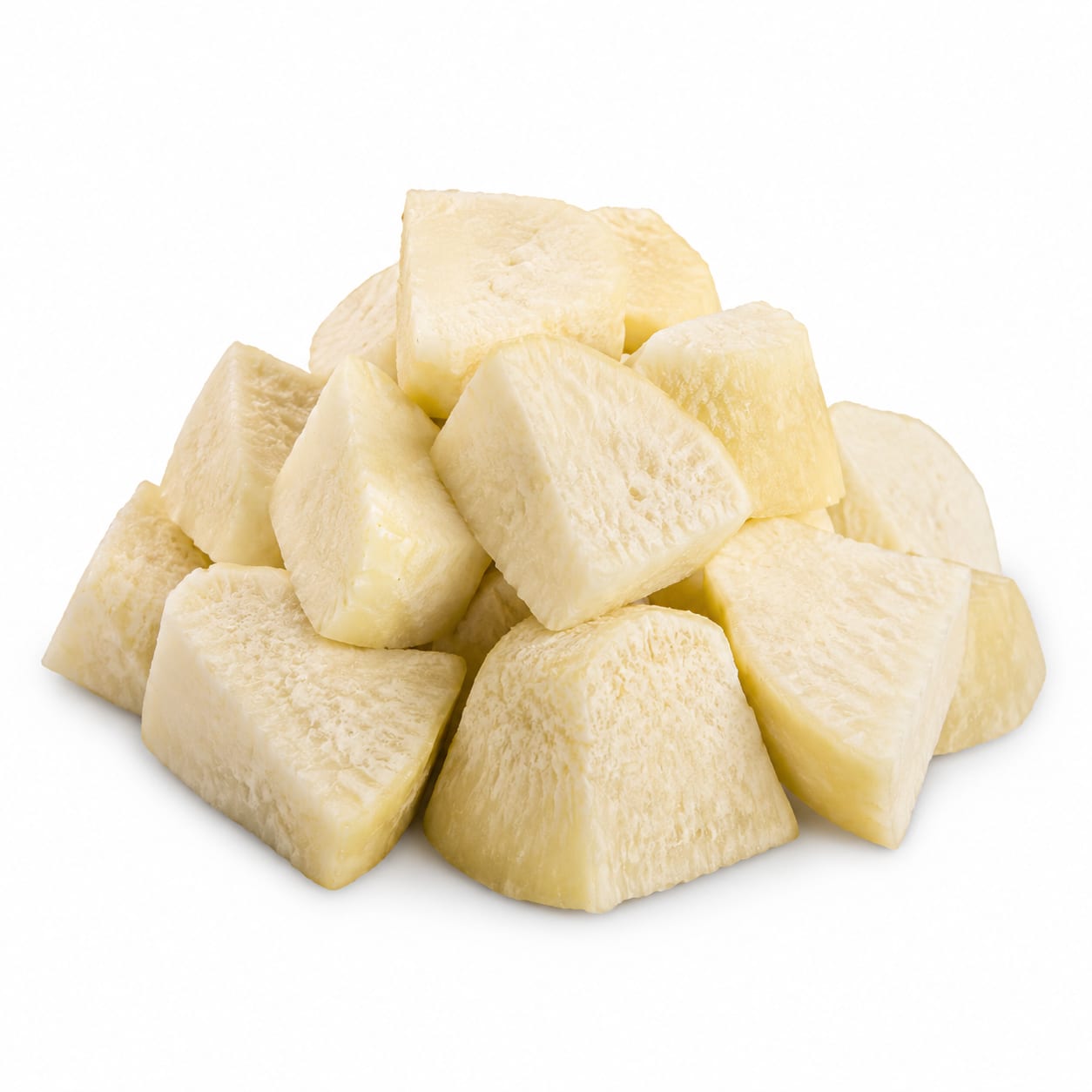
Yam
Lotus root is the lighter, lower-calorie choice with better blood sugar control. Yam is the heartier, more filling staple that satisfies longer.
Lotus root edges ahead on metabolic health and calorie efficiency, but yam's superior satiety and everyday practicality keep it competitive. The right choice depends heavily on your metabolic goals and lifestyle.
Calorie efficiency and glycemic control versus satiety and staple-food practicality.
At a glance
Executive summary
Overall
It depends
Healthier
Lotus Root
More practical
Yam
Daily use
Yam
Key comparison lenses
blood sugar management and glycemic impact
Both are starchy root vegetables but with significantly different carbohydrate loads and glycemic responses
weight management and calorie efficiency
Lotus root is dramatically lower in calories per serving while offering similar fiber, making it relevant for portion-conscious eaters
digestive health and gut tolerance
Both contain resistant starch and fiber but differ in how they affect digestion and gut comfort
practical everyday staple viability
Yam is a dietary staple in many cultures while lotus root is more specialized, affecting long-term sustainability
mineral and micronutrient priorities
Each offers distinct mineral profiles that matter differently depending on dietary gaps
Best choice for
Lotus Root
- People managing blood sugar or prediabetes
- Those seeking lower-calorie carb alternatives
- Anyone wanting nutrient density without the calorie load
- Digestive-sensitive individuals who find heavy starches uncomfortable
Yam
- Active people needing sustained energy
- Those who find light meals unsatisfying
- Anyone relying on affordable filling staples
- People in regions where yam is culturally familiar and accessible
Least suitable for
Lotus Root
- Those needing high-calorie fuel for intense physical labor
- People unfamiliar with its preparation or lacking access
- Anyone wanting a simple mash-and-eat staple
Yam
- People strictly limiting carbohydrates
- Those with blood sugar sensitivity eating large portions
- Anyone calorie-counting who finds it too easy to overeat
Deep comparison
Dimension by dimension
Each lens scores both foods and breaks down who each option suits.
- Dimension 1 · Priority 92Lotus Root
Blood Sugar Stability
Lotus Root · 82Yam · 58Lotus root has roughly half the carbohydrates of yam per serving, leading to a gentler glycemic response.
Tradeoff
You get steadier blood sugar with lotus root but less sustained energy for demanding activities.
Why it matters
If you experience afternoon energy crashes or have insulin resistance, this difference is daily-life noticeable.
Real-world impact
A lotus root lunch keeps you stable without the sleepy dip. A yam lunch fuels a workout but may cause drowsiness if you sit at a desk after.
Lotus Root
- Prediabetics and insulin-resistant individuals
- Desk workers who cannot afford post-meal drowsiness
- Anyone eating carbs late at night
Better for
- Endurance athletes needing glycogen replenishment
Worse for
Yam
- Athletes carb-loading before endurance events
- Manual laborers needing slow-burning fuel
Better for
- Sedentary individuals with blood sugar concerns
- People prone to post-meal energy crashes
Worse for
- Dimension 2 · Priority 88Yam
Satiety and Fullness
Lotus Root · 62Yam · 84Yam's higher calorie and carbohydrate density makes it significantly more filling per serving.
Tradeoff
You feel satisfied longer with yam, but it is easier to accidentally overeat calories.
Why it matters
If you find yourself snacking an hour after meals, yam may solve that. If you struggle with portion control, lotus root makes overeating harder.
Real-world impact
A yam-based dinner can keep you full until morning. A lotus root dinner may leave you reaching for a snack by 9pm.
Lotus Root
- People who prefer smaller, more frequent meals
- Anyone actively restricting calories
Better for
- People prone to late-night snacking
Worse for
Yam
- People who skip meals and need one to carry them
- Those who feel hungry on 'healthy' portions
- Growing teenagers with big appetites
Better for
- Chronic overeaters who do not measure portions
Worse for
- Dimension 3 · Priority 85Lotus Root
Nutrient Density Per Calorie
Lotus Root · 86Yam · 68Lotus root delivers more vitamin C, iron, and potassium per calorie than yam.
Tradeoff
You get more micronutrients per bite from lotus root, but yam provides more vitamin B6 and manganese in absolute terms per serving.
Why it matters
If you are eating within a calorie budget, lotus root gives you more nutritional return per calorie invested.
Real-world impact
Choosing lotus root over yam at the same calorie count is like getting a multivitamin bonus for free.
Lotus Root
- Calorie-restricted dieters needing maximum nutrition
- Anyone at risk for iron deficiency
- People who do not take a multivitamin
Better for
- People who need B6-rich foods for medication support
Worse for
Yam
- People with adequate calories who want B6 specifically
- Those needing manganese for bone health
Better for
- Anyone trying to maximize nutrients within tight calorie limits
Worse for
- Dimension 4 · Priority 82Lotus Root
Digestive Comfort and Gut Health
Lotus Root · 80Yam · 70Lotus root contains more resistant starch and is lighter on the stomach, while yam's denser starch can cause bloating in sensitive people.
Tradeoff
Lotus root feeds gut bacteria more effectively, but yam's higher total fiber provides more bulk for regularity.
Why it matters
If heavy starches make you bloated or sluggish, lotus root feels noticeably lighter after eating.
Real-world impact
After a lotus root stir-fry you feel comfortably satisfied. After a heavy yam meal you may feel stuffed and need a walk.
Lotus Root
- People with IBS or sensitive digestion
- Anyone who feels heavy after starchy meals
- Those wanting prebiotic resistant starch benefits
Better for
- Those relying on starchy bulk for bowel regularity
Worse for
Yam
- People needing help with constipation from higher fiber bulk
Better for
- People who get gassy or bloated from dense starches
Worse for
- Dimension 5 · Priority 78Yam
Practicality and Accessibility
Lotus Root · 48Yam · 82Yam is widely available, easy to prepare, and a familiar staple. Lotus root requires specialty stores and specific cooking techniques.
Tradeoff
Yam is the no-brainer convenient choice. Lotus root rewards effort with unique nutrition but demands more from you.
Why it matters
The healthiest food only works if you actually eat it. If lotus root is hard to find or you never cook it, yam wins by default.
Real-world impact
You can find yam in any grocery store and roast it with zero skill. Lotus root requires an Asian market, peeling, and knowing how to prevent discoloration.
Lotus Root
- Home cooks who enjoy exploring Asian recipes
- Anyone with access to Asian grocery stores
Better for
- People with limited cooking confidence
- Rural dwellers without specialty market access
Worse for
Yam
- Busy people who need simple meal prep
- Anyone living far from specialty markets
- Families wanting kid-friendly familiar food
Better for
- Culinary adventurers who get bored eating the same staples
Worse for
- Dimension 6 · Priority 72It depends
Mineral Profile and Electrolytes
Lotus Root · 78Yam · 76Lotus root is richer in iron and potassium per calorie. Yam provides more manganese and vitamin B6 per serving.
Tradeoff
If you need iron, lotus root is clearly better. If you need manganese or B6, yam has the edge.
Why it matters
Women with low iron and active people needing potassium may benefit more from lotus root. Those focused on bone health or B6-dependent processes may prefer yam.
Real-world impact
Adding lotus root to your diet is a practical way to boost iron intake without supplements. Yam helps meet B6 needs that support mood and sleep.
Lotus Root
- Women with heavy menstrual cycles needing iron
- Active people needing potassium for cramp prevention
Better for
- Those specifically targeting B6 intake goals
Worse for
Yam
- Older adults needing manganese for bone density
- People on medications that deplete B6
Better for
- Anyone with iron deficiency concerns
Worse for
Timeline
Health impact over time
Short-term
Hours to days
Lotus Root
- Lighter post-meal feeling without drowsiness
- Steadier energy without the carb crash
- Less bloating compared to heavier starches
- Immediate vitamin C boost supporting immune function
Yam
- Strong satiety that reduces between-meal snacking
- Sustained energy for physical activity lasting hours
- Possible drowsiness if eaten in large portions while sedentary
- Comforting, warming meal satisfaction especially in cold weather
Long-term
Months to years
Lotus Root
- Better glycemic control with regular consumption
- Improved gut microbiome from resistant starch intake
- Iron status support particularly for menstruating women
- Lower cumulative calorie intake if consistently chosen over denser starches
Yam
- Sustained energy adequacy for active lifestyles
- B6 intake supporting mood regulation and sleep quality long-term
- Manganese contributing to bone mineral density maintenance
- Reliable staple food security supporting consistent eating patterns
Risk profile
Safety & processing
Both lotus root and yam are whole, minimally processed root vegetables. Neither typically carries additives when purchased fresh. The main concern is that pre-packaged lotus root may be soaked in preservatives to maintain color, so fresh is preferable.
Lotus Root
Preservative exposure in pre-packaged slices
mediumCommercially packaged lotus root is often treated with sodium metabisulfite to prevent browning. Fresh whole lotus root avoids this entirely.
Parasite contamination from aquatic growing environment
lowLotus root grows in mud and stagnant water, so thorough cooking is essential. Never eat raw.
Oxalate content
lowContains moderate oxalates. Not a concern for most people but worth noting for those prone to kidney stones.
Yam
Naturally occurring toxic compounds in some yam varieties
mediumCertain wild yam species contain dioscorine, a neurotoxin. Proper peeling and thorough cooking neutralizes this. Always cook yam fully.
Confusion with toxic lookalikes
lowWild yams can be confused with bitter yam or other toxic tubers. Purchase from reputable sources rather than foraging.
Allergic reactions in sensitive individuals
lowSome people experience contact dermatitis when handling raw yam due to calcium oxalate crystals. Wear gloves when peeling.
Who wins for whom
Audience fit
Same foods, different winners depending on your goal.
children
YamYam's mild, sweet flavor and soft texture when cooked make it more kid-friendly and easier to eat in adequate quantities for growing bodies.
daily consumption
YamYam's availability, affordability, and versatility as a staple make it more sustainable as a daily food. Lotus root is excellent but harder to maintain as an everyday staple.
diabetes
Lotus RootWith significantly fewer carbs and a gentler glycemic impact per serving, lotus root is safer for blood sugar management. Portion control with yam can work, but lotus root offers more flexibility.
elderly
It dependsLotus root is better for elderly with blood sugar concerns or smaller appetites. Yam is better for those needing calorie-dense, easy-to-digest nourishment and B6 support.
muscle gain
YamYam provides more carbohydrates per serving to replenish glycogen after training, and its higher calorie density supports the surplus needed for muscle growth.
weight loss
Lotus RootLotus root provides satisfying crunch and fiber at roughly 60% of yam's calories per serving, making it easier to maintain a calorie deficit without feeling deprived.
Your move
Decision guide
Choose Lotus Root
- You are managing blood sugar, prediabetes, or insulin resistance
- You want maximum nutrition with minimum calories
- Heavy starchy meals leave you bloated or sluggish
- You enjoy cooking Asian cuisine and have access to fresh lotus root
- You need more iron in your diet naturally
Choose Yam
- You are active and need sustained carbohydrate fuel
- You find light meals unsatisfying and end up snacking
- You want a reliable, affordable everyday staple
- You are cooking for a family that prefers familiar foods
- You need B6 and manganese support in your diet
Either works if
- You want a whole-food carb source instead of refined grains
- You are seeking resistant starch benefits for gut health
- You enjoy rotating between different root vegetables for variety
Avoid both if
- You are on a strict very-low-carb or ketogenic diet
- You have severe oxalate sensitivity or kidney stone issues
- You cannot tolerate starchy foods regardless of source
Final recommendation
Use lotus root when you want a lighter, metabolically gentler meal — especially for dinner or when blood sugar control matters. Use yam when you need real staying power and satisfying fuel. Both are excellent whole-food carbs that beat refined grains by a wide margin. The smartest approach is rotating both: lotus root for lighter meals, yam for active days.
Practical
Consumer tips
- 1
Buy whole fresh lotus root instead of pre-sliced packages to avoid sulfite preservatives
- 2
Soak sliced lotus root in water with a splash of vinegar immediately after cutting to prevent browning
- 3
Always cook yam thoroughly — never eat it raw, as some varieties contain natural toxins neutralized by heat
- 4
Wear gloves when peeling yam if you have sensitive skin, as calcium oxalate crystals can cause irritation
- 5
Steam or boil lotus root to preserve its vitamin C content better than deep frying
- 6
Yam stores well in a cool dark place for weeks, while lotus root should be used within a few days of purchase
- 7
If lotus root is unavailable, jicama offers a similar crisp low-calorie alternative for some recipes
- 8
Pair either root with a protein source for a more complete and satisfying meal