
Nutrition comparison
Lotus Root vs Jicama: Nutrition, Fiber, and Snacking Comparison
Compare lotus root and jicama side by side — calories, fiber, vitamins, convenience, and gut health benefits. Find out which root vegetable fits your diet and lifestyle better.
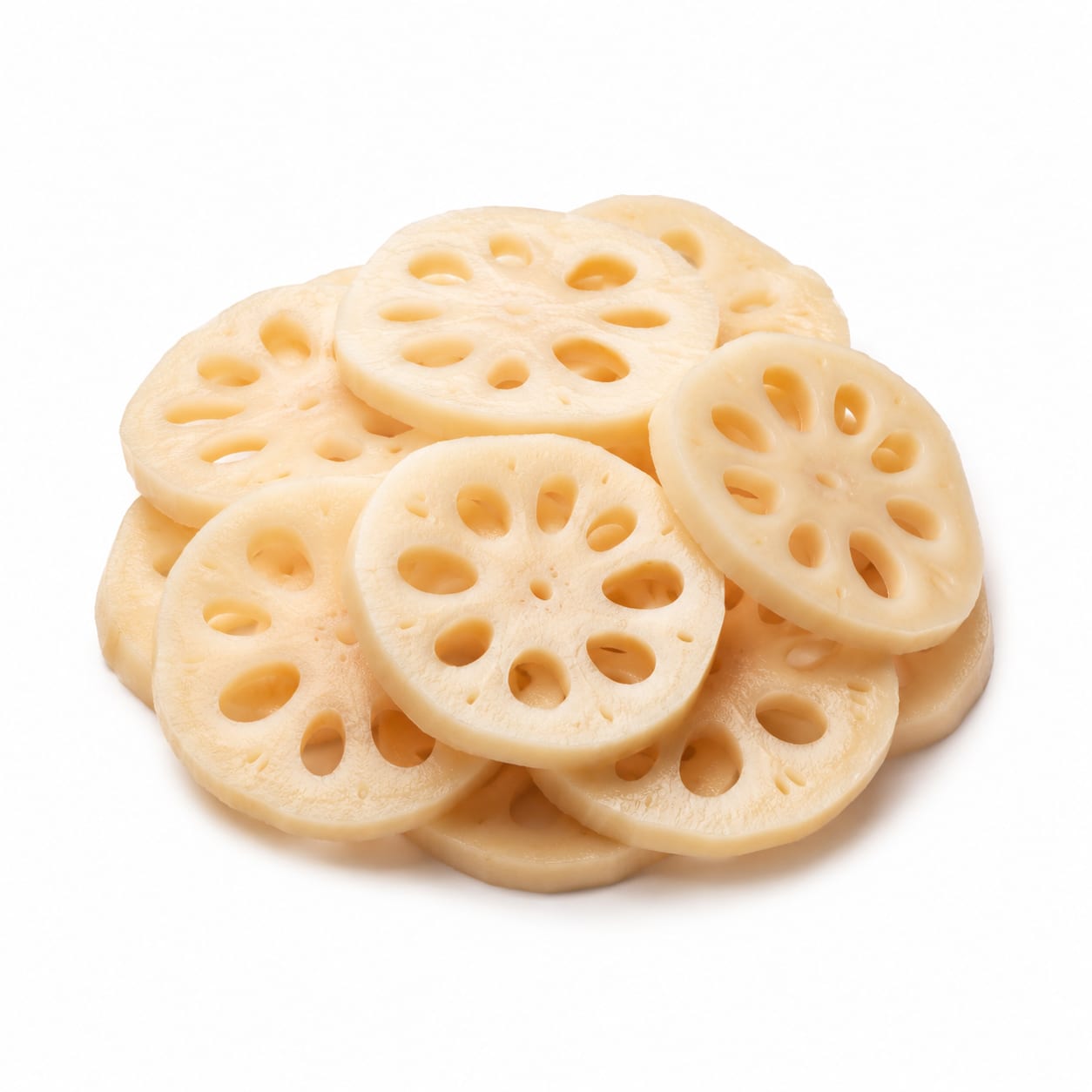
Lotus Root
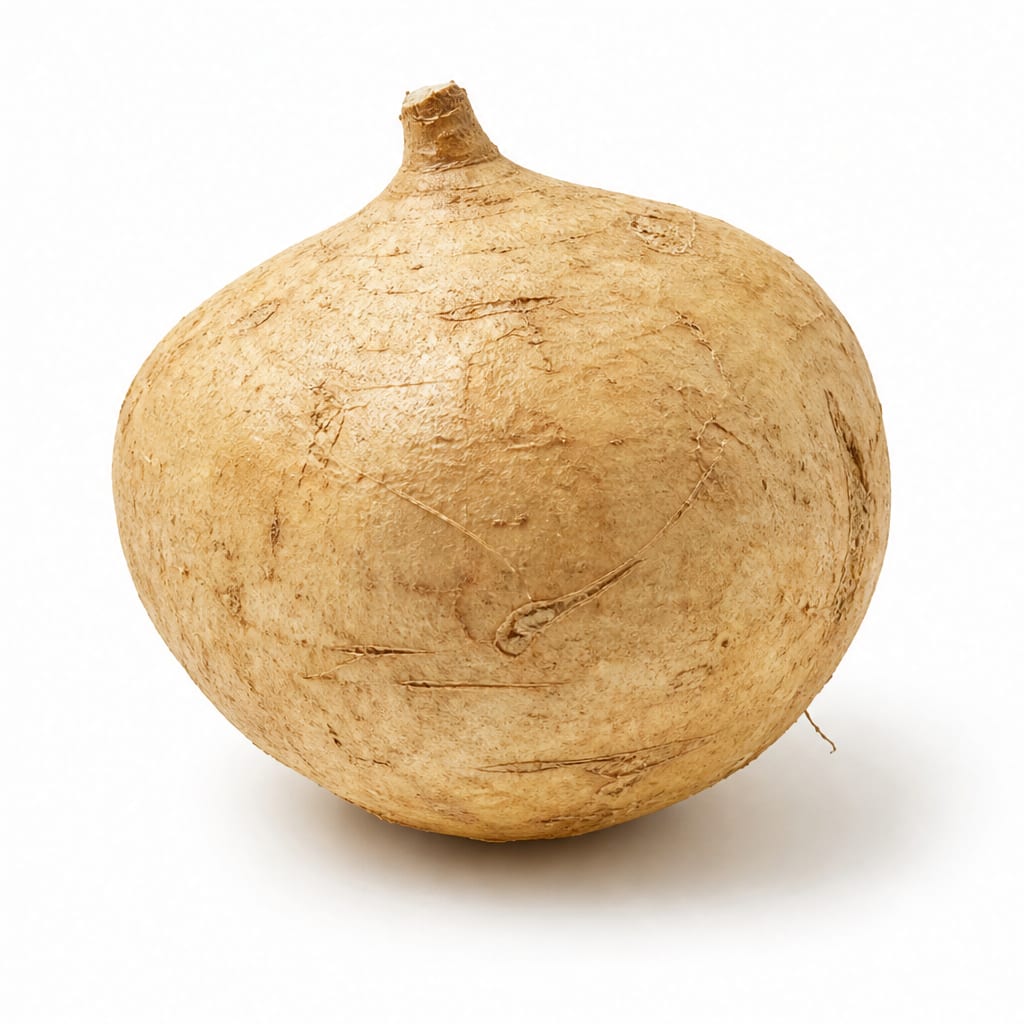
Jicama
Jicama wins for effortless low-calorie snacking and gut health, while lotus root delivers superior nutrition and more satisfying meals when you have time to cook.
Jicama edges ahead due to superior convenience, lower calorie density, and prebiotic fiber benefits. Lotus root counters with richer micronutrients and more meal versatility but loses points for requiring cooking and being harder to find.
Convenience and calories versus nutrient density and meal satisfaction — jicama is grab-and-go light, lotus root is cook-and-enjoy hearty.
At a glance
Executive summary
Overall
It depends
Healthier
It depends
More practical
Jicama
Daily use
Jicama
Key comparison lenses
Low-calorie snacking vs nutrient-dense cooking
Jicama is a raw snack staple at 38 calories per 100g while lotus root offers richer nutrition at nearly double the calories and requires cooking
Fiber quality and digestive health
Both are fiber champions but jicama excels in inulin prebiotic fiber while lotus root offers more diverse fiber with resistant starch
Preparation convenience and raw edibility
Jicama can be eaten raw straight from peeling while lotus root must be cooked and discolors quickly when cut
Vitamin and mineral density
Lotus root delivers significantly more vitamin C, potassium, and iron per serving than jicama
Blood sugar management
Both have low glycemic impacts but through different mechanisms — jicama through low starch content, lotus root through resistant starch
Best choice for
Lotus Root
- People wanting more vitamins and minerals per bite
- Those who enjoy cooking and want satisfying vegetable dishes
- Anyone needing more iron or potassium in their diet
- Home cooks exploring Asian cuisine
- People seeking a more filling vegetable side dish
Jicama
- Weight-conscious snackers wanting crunch without calories
- Busy people who want raw vegetable options with zero prep
- Those focusing on prebiotic fiber for gut health
- Anyone managing blood sugar who wants a low-starch option
- People new to root vegetables who want an easy entry point
Least suitable for
Lotus Root
- People wanting grab-and-go raw snacks
- Those strictly counting calories who want maximum volume
- Anyone without access to Asian grocery stores
- Impatient cooks who dislike multi-step vegetable prep
Jicama
- People wanting substantial nutrition per serving
- Those who need more iron or potassium from food sources
- Anyone looking for a filling meal component rather than a snack
- People who find watery vegetables unsatisfying
Deep comparison
Dimension by dimension
Each lens scores both foods and breaks down who each option suits.
- Dimension 1 · Priority 92Jicama
Calorie Density and Weight Management
Lotus Root · 58Jicama · 91Jicama delivers big crunch and volume at roughly half the calories of lotus root per 100g.
Tradeoff
Lotus root's extra calories come with substantially more nutrients, so you are not eating empty calories — just more of them.
Why it matters
If you snack frequently or track portions closely, jicama lets you eat more volume for fewer calories.
Real-world impact
A full cup of jicama sticks costs you about 46 calories. The same amount of lotus root runs closer to 80-90 calories and requires cooking first.
Lotus Root
- People who find very low-calorie foods unsatisfying
- Those who prefer nutrient density over volume
Better for
- Strict calorie counters wanting maximum food volume
Worse for
Jicama
- Grazers who want to munch without calorie anxiety
- Anyone in a calorie deficit who prioritizes volume
Better for
- People who feel hungry after eating watery low-calorie foods
Worse for
- Dimension 2 · Priority 88It depends
Fiber Quality and Gut Health
Lotus Root · 78Jicama · 85Jicama provides more total fiber and is especially rich in inulin, a prebiotic that feeds beneficial gut bacteria. Lotus root offers resistant starch alongside its fiber, which supports gut health differently.
Tradeoff
Jicama's inulin is more directly probiotic-friendly, while lotus root's resistant starch provides steadier fermentation and less bloating for sensitive people.
Why it matters
Inulin can cause gas in some people at higher intakes, whereas resistant starch tends to be gentler on digestion.
Real-world impact
Eating jicama daily may noticeably improve bowel regularity within days. Lotus root offers similar benefits but with less risk of bloating if you are sensitive to prebiotics.
Lotus Root
- People sensitive to inulin or FODMAPs who still want fiber benefits
- Those who find prebiotic supplements cause bloating
Better for
- Those wanting the most potent prebiotic effect per gram
Worse for
Jicama
- Anyone actively trying to rebuild gut microbiome diversity
- People wanting the strongest prebiotic food source
Better for
- People with IBS or inulin sensitivity who experience bloating
Worse for
- Dimension 3 · Priority 80Lotus Root
Vitamin and Mineral Density
Lotus Root · 86Jicama · 52Lotus root is the clear micronutrient winner with roughly double the vitamin C, nearly four times the potassium, and double the iron of jicama.
Tradeoff
You pay more calories for those nutrients, but the nutrient-per-calorie ratio still favors lotus root for most key minerals.
Why it matters
If you are not taking supplements and rely on food for micronutrients, lotus root contributes meaningfully to your daily targets.
Real-world impact
One serving of lotus root covers about 73% of your vitamin C needs versus 34% from jicama. That is a meaningful difference on days when you do not eat much fruit.
Lotus Root
- Anyone not eating much fruit who needs vitamin C from vegetables
- People with higher iron or potassium requirements
Better for
- People who only care about fiber and calories, not micronutrients
Worse for
Jicama
- Those already getting plenty of micronutrients from other foods
Better for
- Anyone relying on a limited diet where every nutrient counts
Worse for
- Dimension 4 · Priority 85Jicama
Preparation Convenience
Lotus Root · 38Jicama · 90Jicama peels easily and eats raw. Lotus root requires peeling, immediate acid-water soaking to prevent browning, and cooking before eating.
Tradeoff
Lotus root's extra prep yields a more versatile ingredient that works in soups, stir-fries, and braised dishes. Jicama is mostly a snack or salad addition.
Why it matters
On busy weeknights, jicama is ready in under a minute. Lotus root demands at least 15-20 minutes of active cooking.
Real-world impact
You can slice jicama for a snack while packing lunch. Lotus root requires planning — soaking, boiling or stir-frying, and seasoning — before it becomes edible.
Lotus Root
- Home cooks who enjoy meal prep and multi-dish cooking
- Anyone already cooking stir-fries or soups where lotus root fits naturally
Better for
- Weeknight cooks wanting fast side dishes
- Anyone who dislikes multi-step vegetable preparation
Worse for
Jicama
- People who want healthy snacks with zero cooking
- Anyone short on time who still wants raw vegetable options
Better for
- People who want a vegetable that can serve as a main dish component
Worse for
- Dimension 5 · Priority 75Jicama
Blood Sugar Stability
Lotus Root · 70Jicama · 88Both are blood sugar friendly, but jicama's extremely low starch content gives it a gentler glycemic profile.
Tradeoff
Lotus root contains more starch, which provides steadier sustained energy but causes a slightly higher glycemic response.
Why it matters
For people with diabetes or insulin resistance, jicama's near-zero starch makes it essentially worry-free at any portion size.
Real-world impact
You can eat a large bowl of jicama without thinking about blood sugar. With lotus root, portion awareness matters more, especially if you are pairing it with other carbs.
Lotus Root
- Active people who want carbs that provide sustained energy
- Those pairing vegetables with protein for balanced meals
Better for
- Those who need to strictly limit all starch intake
Worse for
Jicama
- People with diabetes wanting maximum freedom with portions
- Anyone doing low-carb or keto who still wants vegetable variety
Better for
- Athletes or very active people who benefit from some starch
Worse for
- Dimension 6 · Priority 72Lotus Root
Culinary Versatility
Lotus Root · 82Jicama · 60Lotus root transforms across cooking methods — crispy tempura, tender braised, crunchy stir-fried, or soothing in soup. Jicama stays firmly in raw territory.
Tradeoff
Jicama's raw-only strength means it does one thing extremely well. Lotus root does many things well but requires effort for each.
Why it matters
If you cook regularly, lotus root adds variety to your rotation. If you mostly snack or make salads, jicama fits better.
Real-world impact
Lotus root can be a crispy appetizer, a stew ingredient, or a pickled side dish. Jicama is excellent in salads and as crudité but becomes bland and watery when cooked.
Lotus Root
- Adventurous home cooks wanting a multi-purpose vegetable
- Anyone making Asian-inspired meals regularly
Better for
- Raw food enthusiasts who do not cook
- People wanting one ingredient that works without preparation
Worse for
Jicama
- People who primarily eat raw or prepare simple meals
- Those wanting a reliable snack vegetable
Better for
- Cooking enthusiasts who want ingredients that transform with heat
Worse for
Timeline
Health impact over time
Short-term
Hours to days
Lotus Root
- Provides more sustained energy from complex starch after a cooked meal
- High potassium helps with post-exercise recovery and hydration
- Vitamin C supports immune function during cold season
- Resistant starch may cause mild bloating if you eat large portions unaccustomed
Jicama
- Immediate hydration boost from high water content
- Inulin feeds gut bacteria quickly, sometimes causing gas in the first days of eating it
- Very low calorie intake makes it ideal between meals without spoiling appetite
- Crunchy texture satisfies snack cravings without heavy after-effects
Long-term
Months to years
Lotus Root
- Consistent potassium intake supports healthy blood pressure over time
- Iron contribution helps maintain energy levels, especially for women with higher needs
- Resistant starch intake may improve insulin sensitivity with regular consumption
- Vitamin C from whole food supports collagen production and skin health long-term
Jicama
- Regular inulin intake builds healthier gut microbiome diversity over months
- Very low calorie density supports sustainable weight management when used as a snack replacement
- High fiber intake promotes long-term digestive regularity
- Low starch profile makes it safe for consistent daily consumption without metabolic concern
Risk profile
Safety & processing
Both are whole root vegetables sold in their natural state. Watch for pre-packaged lotus root in brine or vacuum-sealed packs, which may contain preservatives. Fresh whole roots of either are as clean as produce gets.
Lotus Root
Parasite contamination from muddy growing conditions
mediumLotus root grows in pond mud and can harbor parasites if eaten raw. Cooking eliminates this risk entirely, which is why lotus root should never be consumed raw.
Oxidation and spoilage after cutting
lowCut lotus root discolors quickly. While not dangerous, it indicates nutrient degradation. Soak in acidulated water immediately after cutting to preserve quality.
Jicama
Skin and seed toxicity
mediumJicama skin and seeds contain rotenone, a natural toxin. Always peel completely and never eat the seeds or skin. The flesh itself is completely safe.
Pesticide residue on conventional varieties
lowAs a root vegetable, jicama has moderate pesticide exposure. Peeling eliminates most surface residue. Organic is preferable but not essential.
Who wins for whom
Audience fit
Same foods, different winners depending on your goal.
children
JicamaKids love the sweet crunch of raw jicama sticks, and the mild flavor is an easy sell. Lotus root requires cooking and has a more acquired texture.
daily consumption
JicamaJicama's raw convenience, low calorie load, and gentle digestion make it easier to eat every day without fatigue or effort.
diabetes
JicamaJicama's near-zero starch and high inulin fiber create minimal blood sugar impact, making portion control less critical.
elderly
Lotus RootLotus root's higher potassium supports blood pressure management, and its softer cooked texture is easier to chew for those with dental concerns.
muscle gain
Lotus RootLotus root provides more carbohydrates for glycogen replenishment and slightly more protein per serving, supporting training recovery better.
weight loss
JicamaJicama's extremely low calorie density and high water content let you eat large portions without overshooting your daily target.
Your move
Decision guide
Choose Lotus Root
- You enjoy cooking and want a nutrient-packed vegetable that transforms across dishes
- You need more iron, potassium, or vitamin C from whole food sources
- You are an active person who benefits from starchy vegetables for energy
- You regularly prepare Asian-inspired meals where lotus root fits naturally
- You want a vegetable that feels like a real meal component, not just a snack
Choose Jicama
- You want a grab-and-go raw snack that costs almost nothing in calories
- You are focused on gut health and want a potent prebiotic food
- You are managing blood sugar or following a low-carb approach
- You have limited time and want healthy food with zero cooking
- You want something crunchy and satisfying between meals without feeling heavy
Either works if
- You are simply trying to eat more vegetables and fiber overall
- You want variety in your root vegetable rotation
- You are looking for alternatives to potatoes or crackers for dipping
Avoid both if
- You have a known allergy to either plant family
- You are on a strict very-low-fiber diet for medical reasons
Final recommendation
Keep both in your rotation if possible. Use jicama for effortless daily snacking and lotus root for intentional cooking when you want something more nourishing. If you must pick one, jicama wins for everyday practicality, but lotus root is worth the effort when you have time to cook — your body gets more per bite.
Practical
Consumer tips
- 1
Soak cut lotus root in water with a splash of vinegar or lemon juice immediately to prevent browning and preserve that appealing pale color
- 2
Choose jicama that feels heavy for its size with smooth, unblemished skin — light or wrinkled specimens are dry and fibrous
- 3
Never eat lotus root raw due to parasite risk from its muddy growing environment — always cook thoroughly
- 4
Always peel jicama completely and discard all seeds, as both contain natural toxins that the edible flesh does not
- 5
Store whole jicama in a cool dry place for up to two weeks; once cut, wrap tightly and refrigerate for no more than three days
- 6
Fresh lotus root should be firm with no soft spots — use within a week of purchase and refrigerate in a bag with damp paper towel
- 7
Try jicama with chili powder and lime for a Mexican-style snack, or add to salads for water-chestnut-like crunch
- 8
Slice lotus root into coins for stir-frying — the natural holes create a beautiful presentation and help sauces cling to each piece