
Seafood
Lobster
A lean, high-protein marine crustacean with virtually zero carbohydrates.
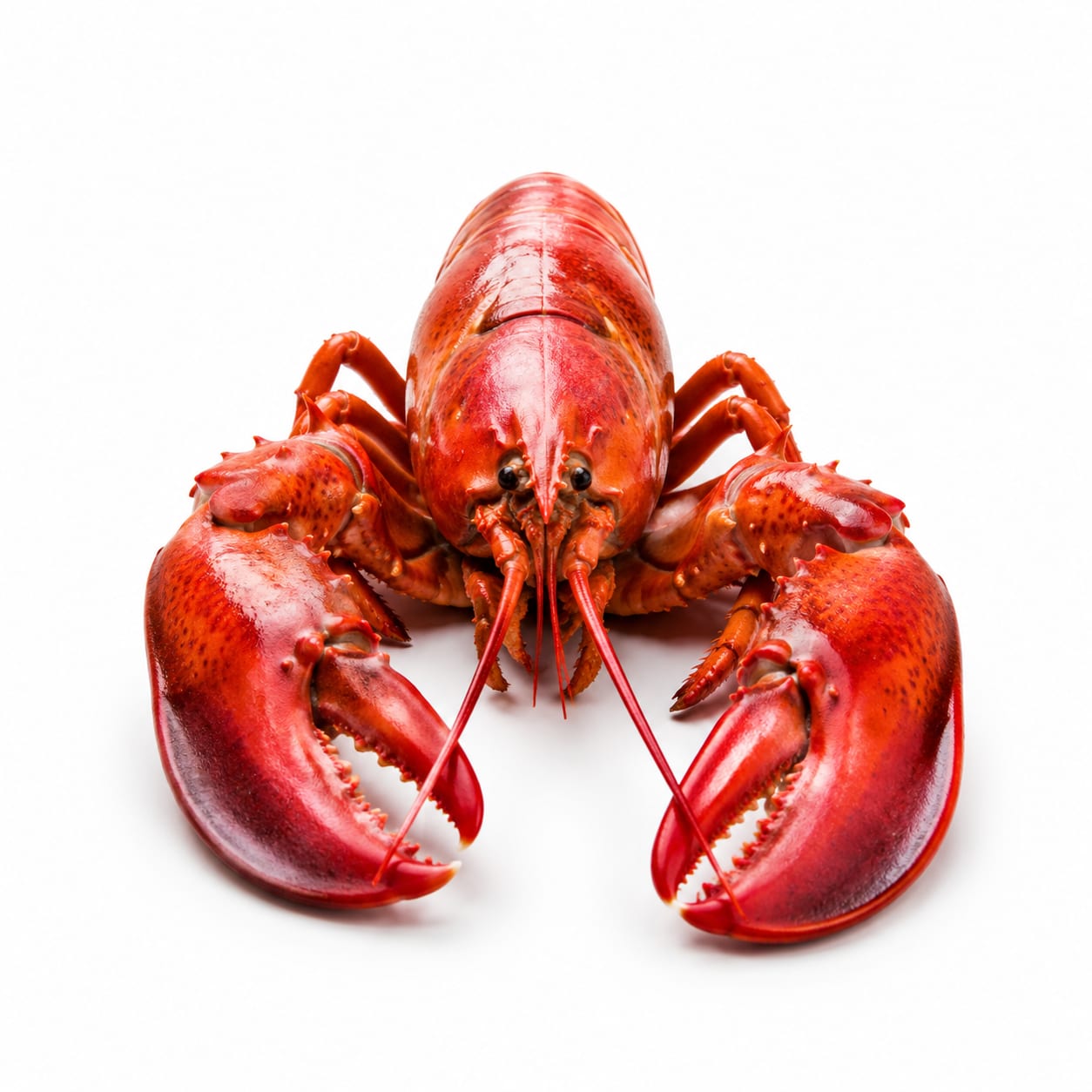
Lobster is a large marine crustacean prized for its sweet, tender meat. It is a lean, high-protein seafood that is naturally low in fat and carbohydrates, making it a popular choice for low-carb and high-protein diets.
protein-dense marine shellfish
Typical serving · 145g
Common varieties · maine lobster, spiny lobster, slipper lobster, european lobster
Overall context score across nutrition, safety, and diet fit
At a glance
Quick facts
Simple indicators based on nutrition, processing, and diet fit.
The story
What makes it unique
Lobster meat is primarily composed of water and complete protein, digesting at a moderate rate typical of animal proteins. It provides high satiety due to its protein density and near-zero carbohydrate content. As a minimally processed whole food, its macronutrient profile is dominated by protein with minimal fat, though it contains notable amounts of dietary cholesterol and naturally occurring sodium.
Varieties: maine lobster · spiny lobster · slipper lobster · european lobster
Per 100g
Nutrition breakdown
Macro balance and key metrics at a glance.
Energy
Density 0.89 kcal/g
Protein
Carbs
Fat
Fiber
Sugar
0 g
Sodium
330 mg
Potassium
300 mg
Glycemic index
0
Glycemic load
0
Water content
76%
Standout compounds
Nutrient highlights
Vitamin B12
highEssential for nerve function and red blood cell formation
Zinc
highSupports immune function and DNA synthesis
Selenium
highActs as a powerful antioxidant protecting cells from damage
Copper
moderateWorks with iron to form red blood cells and keeps blood vessels healthy
Protein
highBuilds and repairs tissues while promoting high satiety
Wellness map
Health scores & processing
NOVA processing scale
minimally processed · Whole food
Fresh or frozen lobster is a whole, unrefined animal food. Processing is limited to butchering and freezing, though restaurant preparations often add significant butter and sodium.
Diet compatibility
- Weight loss
- Muscle gain
- Diabetes
- Gut health
- Low carb
- High protein
- Heart health
Relative standing
Food rankings
Qualitative ranks compared to similar whole foods.
- Satietygood
- Blood sugarexcellent
- Nutrient densitygood
- Fitness fuelexcellent
- Processing qualityexcellent
Eat with confidence
Food safety profile
Lobster is generally safe when sourced from regulated waters. It is a bottom-dweller that can accumulate heavy metals like mercury and cadmium, though typically at lower levels than large predatory fish. Raw or undercooked lobster poses a risk for Vibrio bacteria and viral contamination.
Evidence confidence 85%
- Pesticideslow
- Antibioticsmoderate
- Heavy metalsmoderate
- Contaminationmoderate
Watch for
- mercury
- vibrio parahaemolyticus
- paralytic shellfish toxins
Safer choices
Sourcing from well-regulated cold-water fisheries, such as the Maine lobster industry, reduces contamination risks.
Prep tips
Ensure lobster is cooked to an internal temperature of 145°F (63°C) to eliminate harmful bacteria and parasites. Avoid consuming the tomalley (green digestive gland) due to potential toxin concentration.
Monitoring for marine biotoxins and heavy metal accumulation in coastal waters is strictly enforced in commercial fisheries.
Deep dive
Health analysis
How this food may fit different goals and preparation choices.
Weight loss
Extremely low energy density and high protein content promote strong satiety, making it easier to maintain a calorie deficit.
Blood sugar
Contains zero carbohydrates, resulting in no glycemic response and excellent blood sugar stability.
Fitness & energy
Provides complete amino acids for muscle repair and synthesis, though it lacks the fast-digesting carbohydrates needed for immediate post-workout glycogen replenishment.
Gut health
Lacks dietary fiber, offering no prebiotic benefits. However, the tender protein is easily digested by most individuals.
Processing quality
A whole, unrefined food that retains its natural nutrient matrix without additives or artificial preservatives.
Food safety
Primary risks stem from aquatic environmental contaminants and improper cooking. The digestive gland (tomalley) can concentrate toxins and should be avoided.
Common mistakes
Drowning lobster in melted butter or heavily salted cooking water drastically increases calorie, fat, and sodium intake, negating its natural leanness.
Best preparation
Steaming or grilling preserves the lean macronutrient profile while enhancing natural sweetness without adding excess fat.
Practical guide
Best use cases
When and how this food fits real eating patterns.
high-protein low-calorie meals
Provides exceptional protein density with minimal calories, ideal for body recomposition phases.
strict ketogenic diets
Zero-carb animal protein that fits seamlessly into strict macronutrient limits without requiring fiber offset.
special occasion dining
Offers a premium eating experience for celebrations without derailing health or weight goals.
Balance sheet
Pros & cons
Upsides
- Extremely high protein-to-calorie ratio
- Zero carbohydrates with no glycemic impact
- Rich in essential vitamins and minerals like B12 and selenium
- Naturally low in saturated fat
- Minimally processed whole food
Trade-offs
- High natural sodium content, amplified by cooking methods
- Contains significant dietary cholesterol
- Expensive compared to other protein sources
- Lacks dietary fiber for gut health
- Risk of heavy metal and toxin accumulation in the digestive gland
Fit check
Who is it for?
Great match
- low-carb diets
- high-protein weight loss
- diabetic meal plans
- lean muscle gain
Consider alternatives
- low-sodium diets
- strict budget eating
- vegans and vegetarians
- those with severe shellfish allergies
Side by side
How it compares
Open the full head-to-head analysis for nutrition, safety, and practical tradeoffs.
This food
Lobster
VS90% alike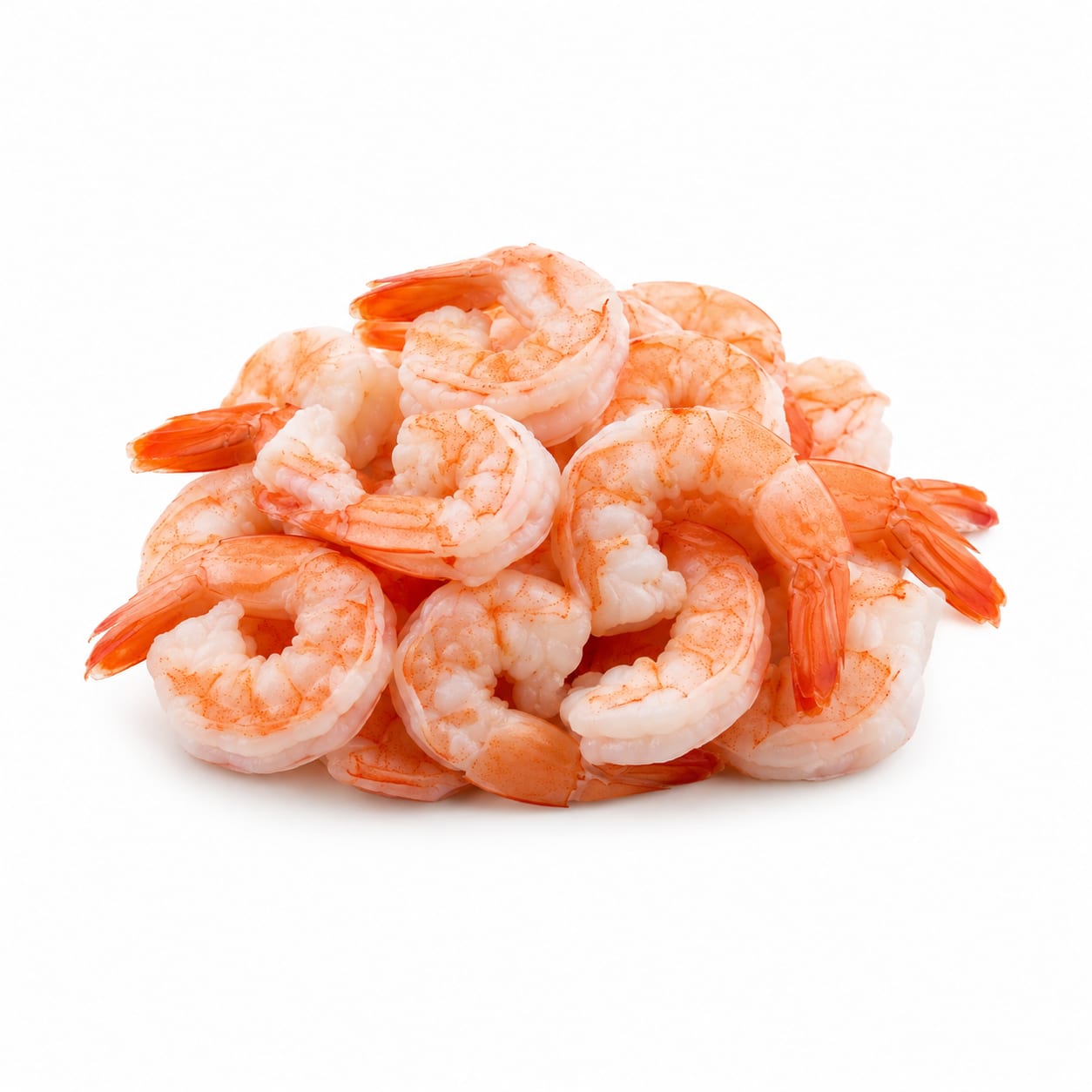
Compare with
Shrimp
Shrimp is slightly lower in calories and sodium, while lobster is slightly richer in certain minerals like zinc and copper. Both are excellent lean proteins.
Shrimp is lower in calories and sodium, while lobster offers slightly more zinc and a denser bite for better satiety.
This food
Lobster
VS85% alike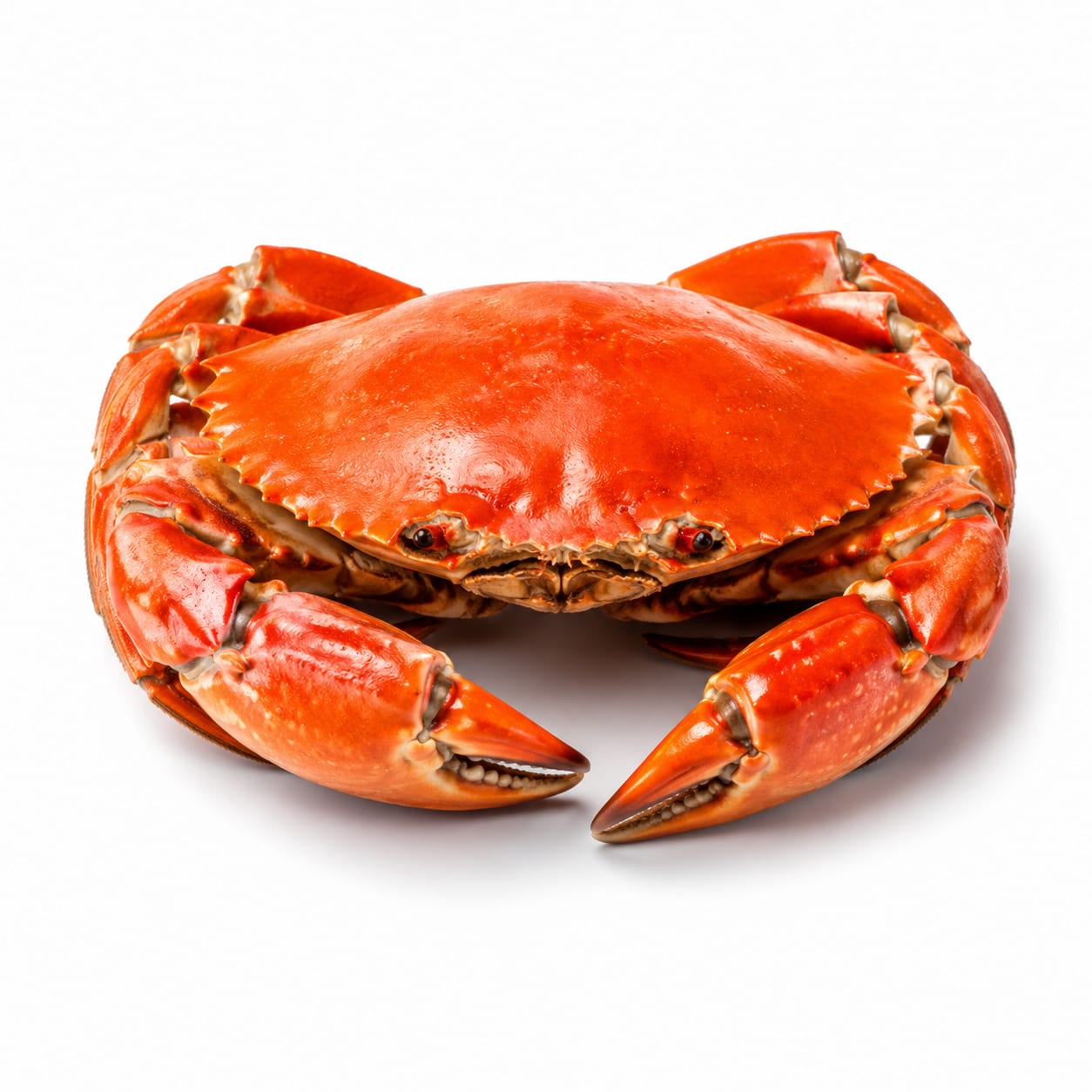
Compare with
Crab
Crab has slightly fewer calories and more vitamin B12, but lobster provides more protein per serving and is easier to eat in larger quantities.
Crab is slightly lower in calories, but lobster provides more protein per serving, making it better for muscle maintenance.
This food
Lobster
VS60% alike.jpg)
Compare with
Steak (Sirloin)
Steak provides more iron and B vitamins but contains significantly more saturated fat and calories. Lobster is the leaner choice by a wide margin.
Lobster is much lower in calories and saturated fat than steak, making it better for weight loss, while steak offers more iron.
This food
Lobster
VS65% alike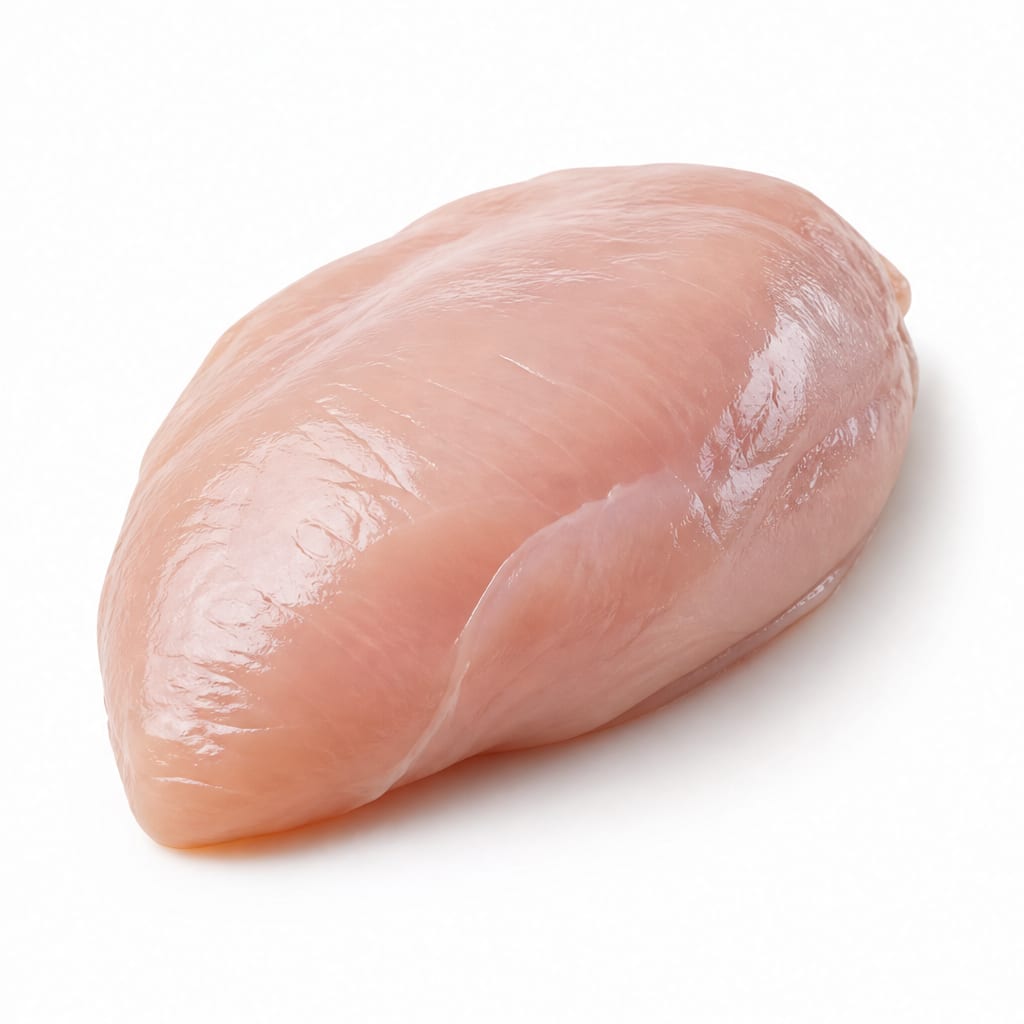
Compare with
Chicken Breast
Chicken breast is the ultimate lean protein with less sodium and cholesterol. Lobster offers more zinc and selenium but is far less practical for daily consumption.
Chicken breast is lower in sodium and more practical for daily lean protein, while lobster is a mineral-rich, low-fat treat.
This food
Lobster
VS80% alike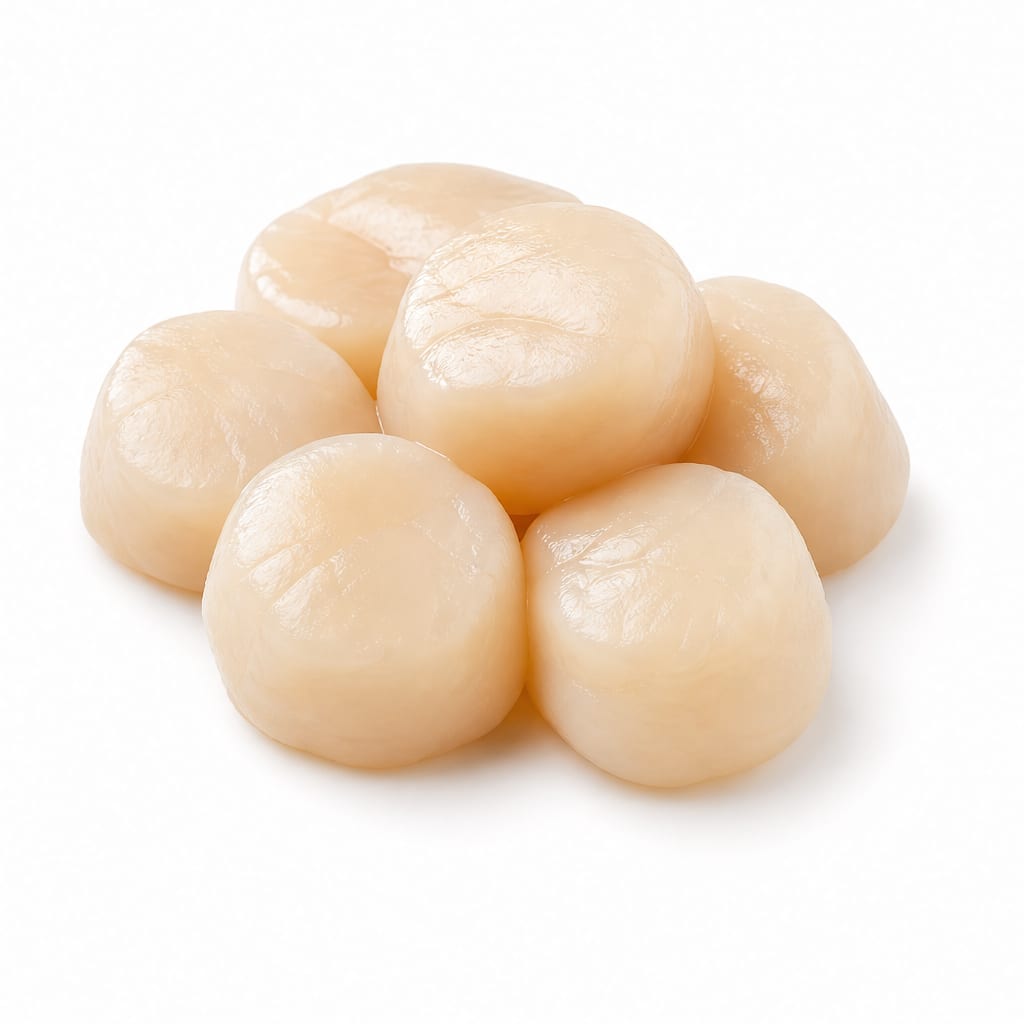
Compare with
Scallops
Scallops are lower in cholesterol and sodium, with a slightly sweeter, delicate flavor. Lobster provides a heartier texture and more protein per serving.
Scallops are lower in cholesterol and sodium, while lobster offers more protein and a denser, more filling texture.
This food
Lobster
VS70% alike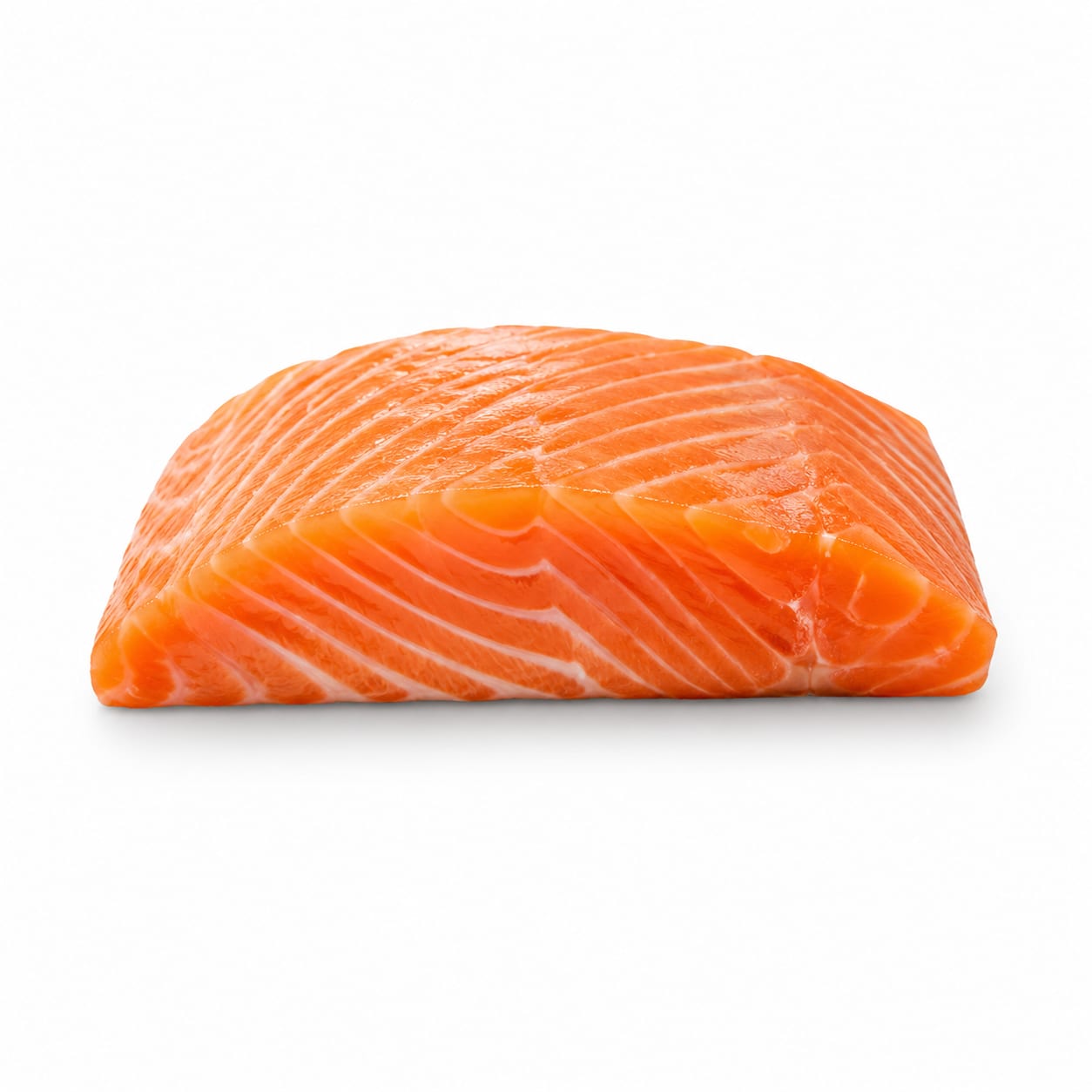
Compare with
Salmon
Salmon is rich in omega-3 fatty acids and vitamin D, whereas lobster is drastically lower in fat and calories. Salmon wins for heart health, lobster for strict calorie counting.
Lobster is much lower in calories and fat for weight loss, while salmon provides essential omega-3 fats for heart health.
This food
Lobster
VS75% alike.jpg)
Compare with
Tuna (Steak)
Tuna has slightly more protein and omega-3s but comes with a higher mercury risk. Lobster is lower in mercury and offers more zinc.
Tuna offers slightly more protein and omega-3s, but lobster is lower in mercury and richer in zinc.
This food
Lobster
VS70% alike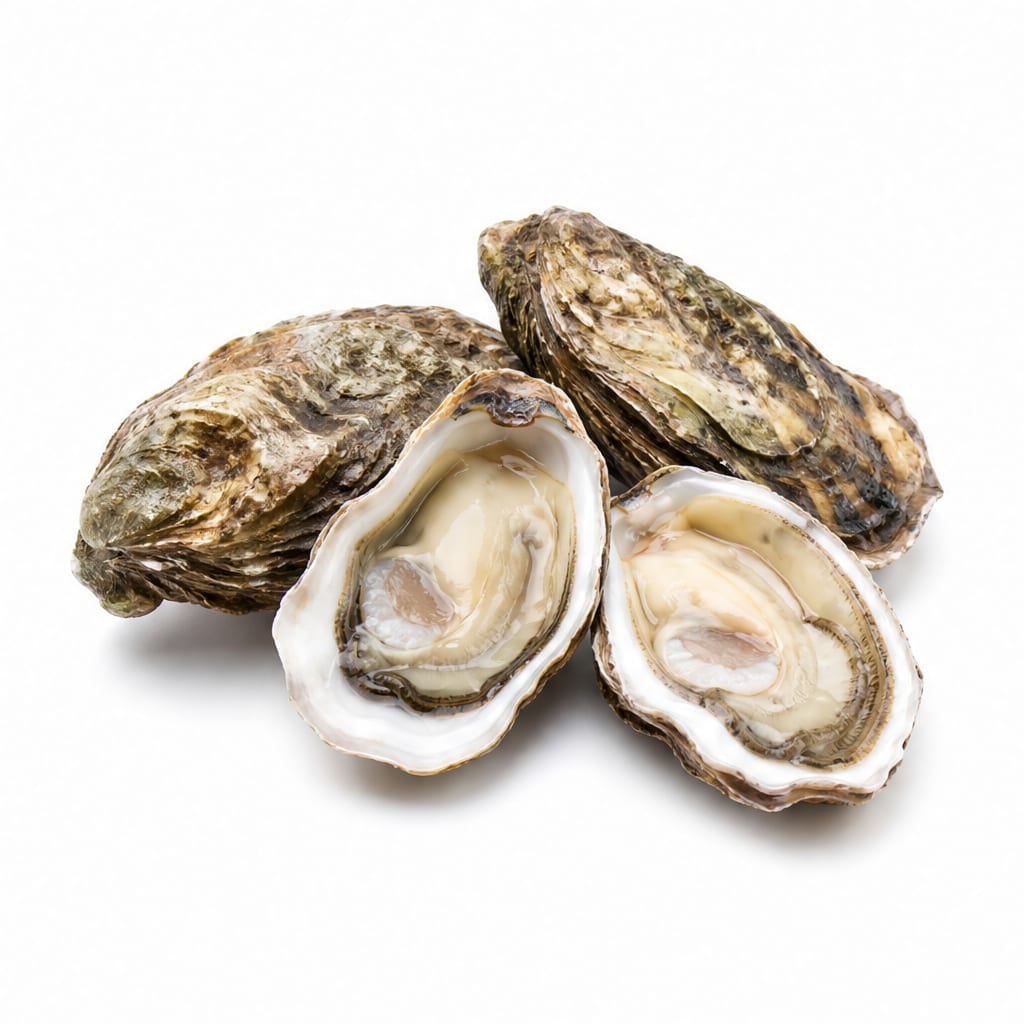
Compare with
Oysters
Oysters are incredibly rich in zinc and vitamin B12, and contain some carbohydrates. Lobster is a purely zero-carb, high-protein option with a more mainstream appeal.
Lobster provides far more protein and zero carbs, while oysters are a zinc powerhouse but much lower in protein.
This food
Lobster
VS70% alike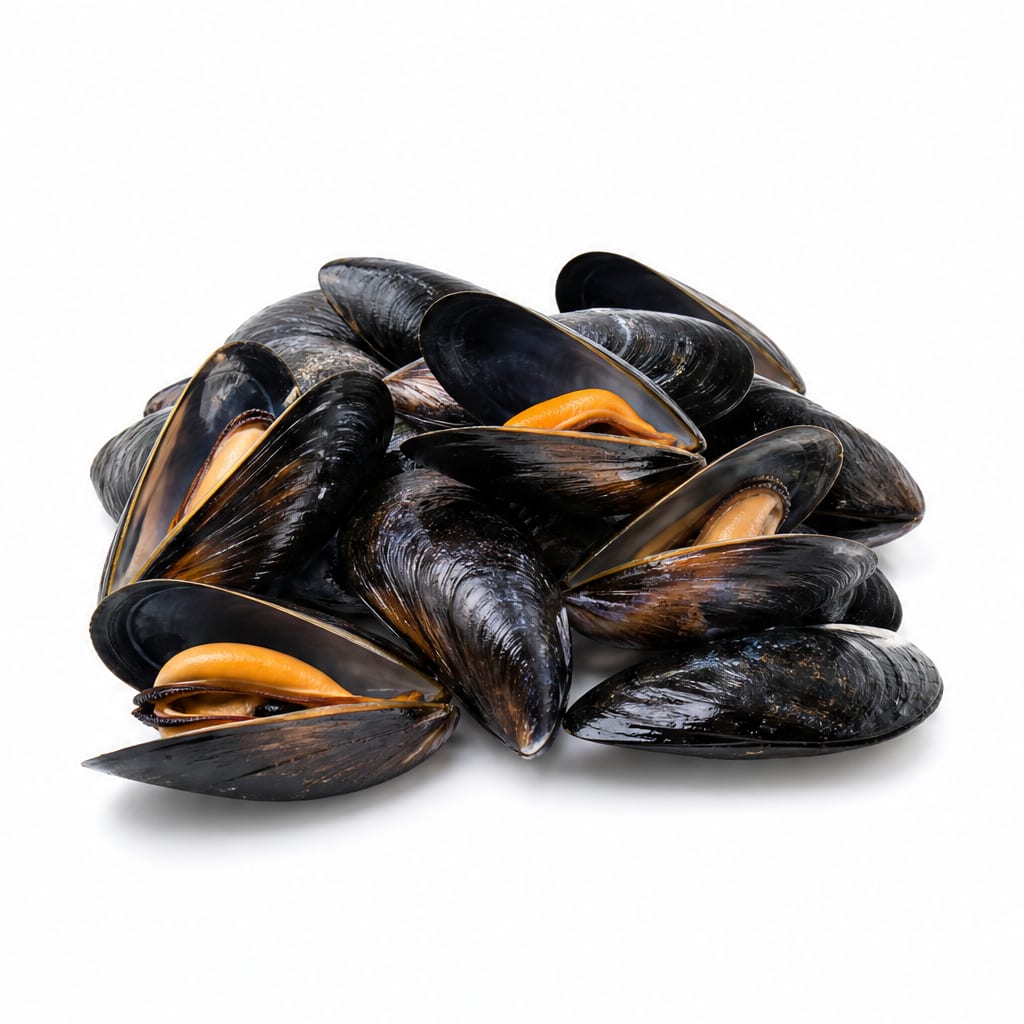
Compare with
Mussels
Mussels are much higher in iron and manganese, and very budget-friendly. Lobster is lower in calories and higher in protein per 100g.
Lobster is leaner and higher in protein, while mussels are superior for iron intake and much more affordable.
This food
Lobster
VS85% alike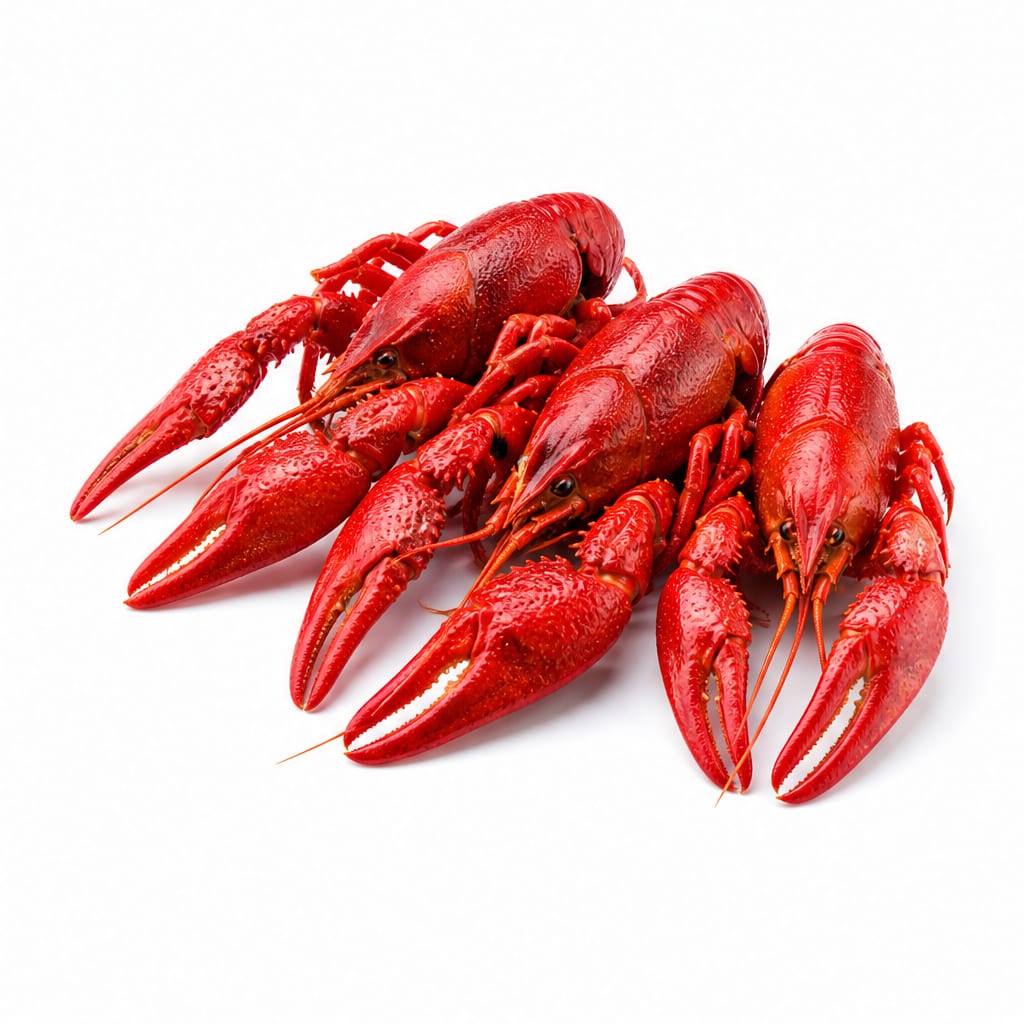
Compare with
Crawfish
Crawfish are very similar nutritionally but slightly lower in cholesterol and calories. Lobster yields more meat per animal and has a more tender texture.
Crawfish are slightly lower in cholesterol and calories, but lobster provides a larger, more satisfying portion of meat per serving.
Common questions
FAQ
Answers aligned with how people search for this food.
Is lobster good for weight loss?
Yes, lobster is excellent for weight loss. It is very low in calories and fat while being packed with protein, which helps you feel full and satisfied on fewer calories.
Is lobster high in cholesterol?
Lobster does contain a significant amount of dietary cholesterol, but it is very low in saturated fat. For most people, saturated fat impacts blood cholesterol more than dietary cholesterol, making lobster a safe choice in moderation.
Can I eat lobster on a keto diet?
Absolutely. Lobster has zero carbohydrates and zero sugar, making it a perfect protein source for ketogenic and strict low-carb diets, provided you avoid breading or sugary sauces.
How many calories are in a lobster tail?
A typical medium lobster tail (about 145g of meat) contains roughly 130 calories, almost entirely from lean protein.
Is lobster or shrimp healthier?
Both are highly nutritious, low-calorie shellfish. Shrimp is slightly lower in calories and sodium, while lobster provides slightly more zinc and vitamin B12. Both are excellent lean protein choices.
Can diabetics eat lobster?
Yes, lobster is safe for diabetics. It contains no carbohydrates, meaning it will not spike blood sugar levels. Just be cautious of high-sugar dipping sauces like cocktail sauce.
Why is lobster so expensive?
Lobster is expensive due to strict fishing regulations, slow growth rates, perishability, and high global demand. It requires specialized labor to catch and transport alive.
What is the green stuff in lobster?
The green paste is the tomalley, which serves as the lobster's liver and pancreas. While considered a delicacy by some, health agencies advise against eating it because it can concentrate toxins and heavy metals from the water.
Does lobster have omega-3 fatty acids?
Lobster contains some omega-3 fatty acids, but significantly less than fatty fish like salmon. It is not a primary source of omega-3s.
Is lobster safe during pregnancy?
Yes, lobster is generally safe during pregnancy when cooked thoroughly. It has lower mercury levels than many large fish, but pregnant women should still consume it in moderation and avoid the tomalley.
Transparency
Data confidence
Estimated confidence for nutrition data, interpretation, safety notes, and comparisons.
Nutrition data
Health analysis
Food safety
Comparisons