
Nutrition comparison
Lobster vs Crawfish: Nutrition, Sodium & Taste Compared
Compare lobster and crawfish to see which shellfish is healthier. Learn about protein, sodium levels, and which is better for your diet and budget.
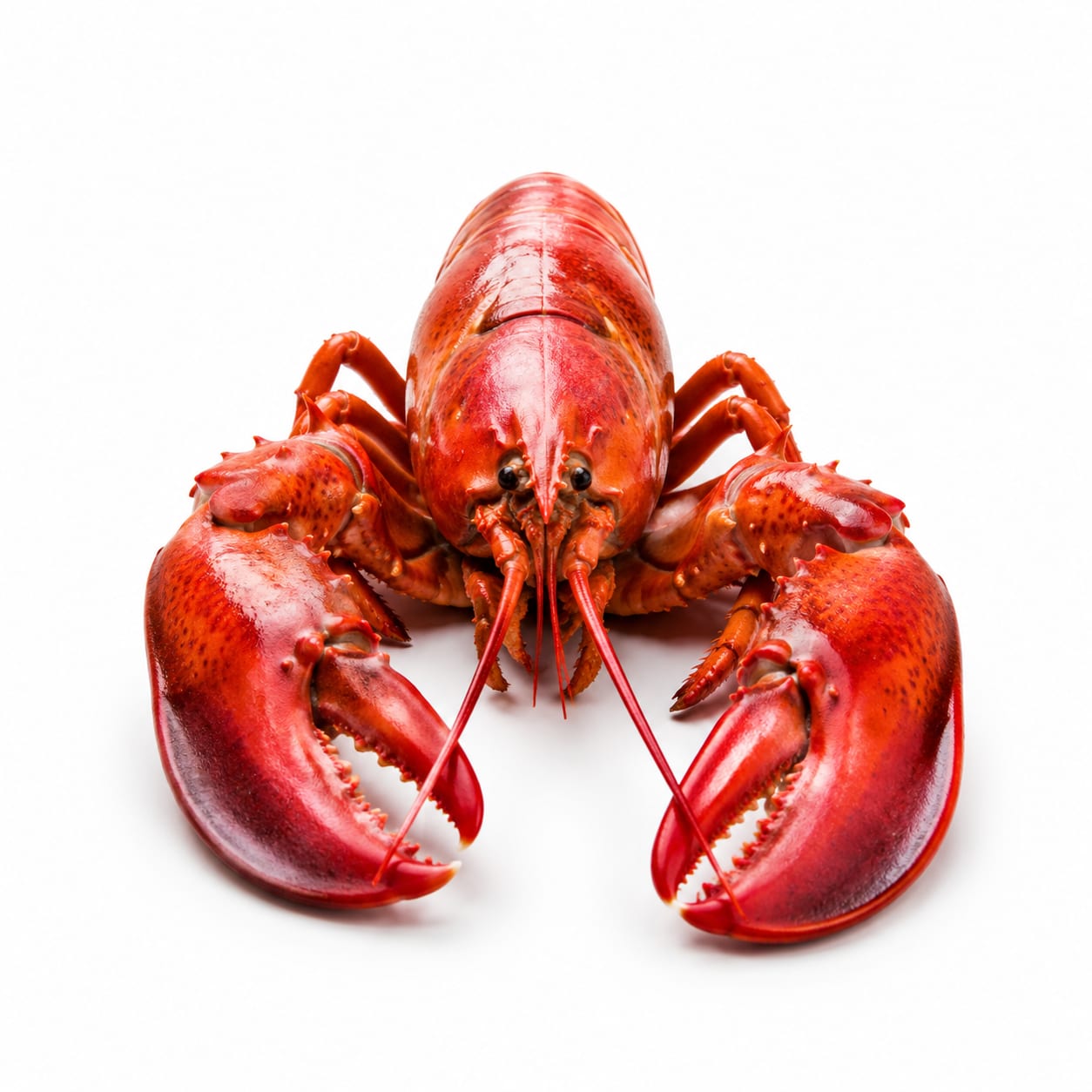
Lobster
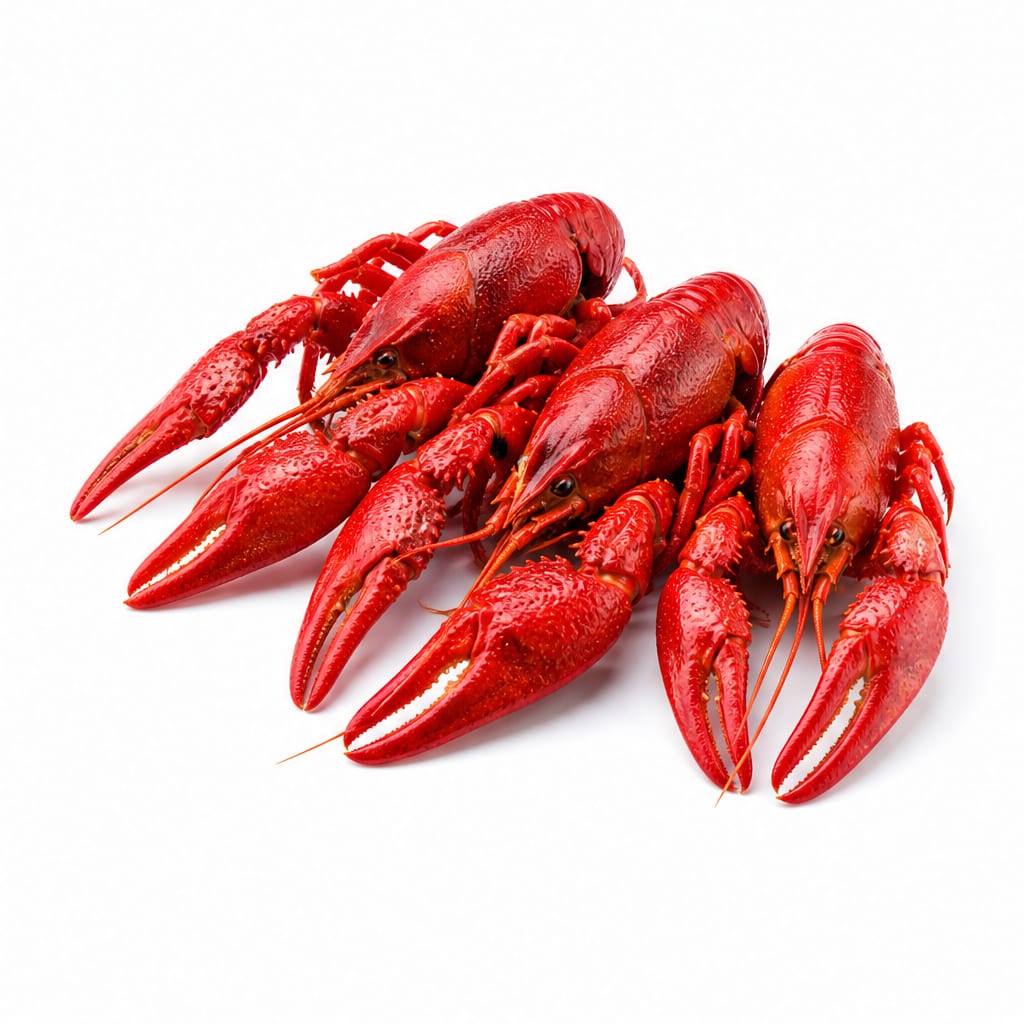
Crawfish
Lobster is the cleaner, leaner protein, but crawfish wins for affordable, social eating.
Lobster scores higher for nutritional purity and protein density, but crawfish remains a strong choice for accessible, culturally rich meals despite its sodium drawback.
You trade the low-sodium, high-protein purity of lobster for the fun, flavorful, but salt-heavy experience of a crawfish boil.
At a glance
Executive summary
Overall
It depends
Healthier
Lobster
More practical
Crawfish
Daily use
Lobster
Key comparison lenses
Sodium and heart health
Crawfish is almost always consumed in heavily salted boils, making sodium the biggest health differentiator.
Protein quality and satiety
Both are animal proteins, but their serving sizes and meat yields differ significantly, affecting how filling they are.
Cost and social eating practicality
Lobster is a luxury item eaten individually, while crawfish is an affordable, communal food.
Contaminant and bottom-feeder concerns
Both are bottom-feeders, leading to valid consumer concerns about water quality and heavy metals.
Best choice for
Lobster
- Keeping sodium low while eating high-quality protein
- Romantic dinners or upscale dining experiences
- Post-workout recovery with lean meat
Crawfish
- Large gatherings and backyard boils
- Budget-friendly shellfish cravings
- Enjoying bold, spicy flavors without breaking the bank
Least suitable for
Lobster
- Casual weeknight family dinners on a budget
- People who struggle with cooking shellfish at home
Crawfish
- People strictly managing blood pressure or sodium intake
- Those who dislike messy, hands-on eating
Deep comparison
Dimension by dimension
Each lens scores both foods and breaks down who each option suits.
- Dimension 1 · Priority 90Lobster
Protein Quality & Satiety
Lobster · 88Crawfish · 72Lobster delivers significantly more meat and protein per serving, making it far more filling.
Tradeoff
You get more satisfying, muscle-fueling protein from lobster, but you pay a premium for it.
Why it matters
Higher protein means steadier energy and less hunger later in the day.
Real-world impact
A lobster dinner keeps you full for hours, whereas a crawfish boil often requires side dishes like corn and potatoes to feel satisfying.
Lobster
- Athletes needing complete amino acids
- Anyone wanting a filling, low-carb main course
Better for
- Those wanting a cheap, casual protein source
Worse for
Crawfish
- Light snacking over a long social afternoon
Better for
- Bodybuilders or those needing high protein volume
Worse for
- Dimension 2 · Priority 95Lobster
Sodium & Heart Health
Lobster · 85Crawfish · 35Lobster is naturally low in sodium, while crawfish is typically soaked in salt and spice during boiling.
Tradeoff
Crawfish offers bold, addictive flavors but at the cost of a massive sodium hit that can spike blood pressure.
Why it matters
A single crawfish boil can exceed your daily sodium limit, leaving you bloated and thirsty.
Real-world impact
You might wake up the morning after a crawfish boil feeling puffy and dehydrated, whereas lobster leaves you feeling light.
Lobster
- People with hypertension
- Anyone trying to reduce water retention
Better for
- Anyone who drowns their lobster in melted butter and salt
Worse for
Crawfish
- Those who prioritize flavor and culinary experience over strict macros
Better for
- Heart patients or sodium-sensitive individuals
Worse for
- Dimension 3 · Priority 85Crawfish
Cost & Practicality
Lobster · 30Crawfish · 90Crawfish is incredibly affordable and designed for feeding crowds, while lobster is an expensive luxury.
Tradeoff
You sacrifice premium status and meat yield, but crawfish makes shellfish accessible for everyday people.
Why it matters
Food has to fit your life and budget to be sustainable.
Real-world impact
You can host ten friends for a crawfish boil for the price of two lobster tails.
Lobster
- Intimate celebrations or special occasions
Better for
- Casual Tuesday dinners
Worse for
Crawfish
- Weekend gatherings
- Large families on a budget
Better for
- Formal, elegant dinner parties
Worse for
- Dimension 4 · Priority 70Lobster
Toxin & Contaminant Load
Lobster · 75Crawfish · 65Both are bottom-feeders, but lobster generally comes from cleaner, more regulated cold-water fisheries.
Tradeoff
Crawfish from unknown water sources can carry more environmental contaminants, though farmed varieties are usually safe.
Why it matters
What the animal ate directly affects the quality of the meat you consume.
Real-world impact
Sourcing matters more with crawfish; buying from reputable suppliers prevents worrying about muddy or polluted water origins.
Lobster
- Those prioritizing cleaner, cold-water seafood
Better for
- None significant, assuming standard seafood safety
Worse for
Crawfish
- Budget-conscious buyers who trust their local supplier
Better for
- People highly concerned about water quality and heavy metals
Worse for
Timeline
Health impact over time
Short-term
Hours to days
Lobster
- High satiety without feeling heavy
- Steady energy from pure protein
Crawfish
- Immediate satisfaction from bold flavors
- High likelihood of bloating and extreme thirst from sodium
Long-term
Months to years
Lobster
- Supports lean muscle maintenance
- Kind to cardiovascular health if served without butter
Crawfish
- Frequent consumption risks elevated blood pressure from the boil seasoning
- Can contribute to chronic dehydration if not balanced with water
Risk profile
Safety & processing
Both animals are whole, unprocessed foods, but crawfish boils rely heavily on artificial spice blends and salt packets that add questionable additives to the final meal.
Lobster
Shellfish allergy
highLike all crustaceans, lobster is a top allergen that can cause severe reactions.
Bacterial contamination
mediumUndercooked lobster can harbor Vibrio bacteria, so proper boiling or steaming is essential.
Crawfish
Shellfish allergy
highCrawfish carries the same severe crustacean allergy risk as lobster.
Sodium and MSG overload
mediumCommercial boil seasonings often pack massive sodium and MSG, triggering headaches and blood pressure spikes.
Environmental contaminants
lowAs bottom-feeders in muddy waters, they can accumulate toxins if sourced from polluted farms.
Who wins for whom
Audience fit
Same foods, different winners depending on your goal.
children
LobsterLobster meat is easier for kids to eat without the intense spice and extreme salt of crawfish.
daily consumption
LobsterWhile neither is a daily staple for most, lobster's low sodium makes it far safer to eat regularly than salt-soaked crawfish.
diabetes
LobsterBoth are carb-free, but lobster avoids the sugary sauces and high-sodium sides that usually accompany crawfish boils.
elderly
LobsterLower sodium and easier digestion make lobster a safer choice for aging hearts and digestive systems.
muscle gain
LobsterLobster offers a denser, more concentrated serving of high-quality protein needed for muscle repair.
weight loss
LobsterLobster provides more filling protein with virtually zero carbs and no sodium bloat, making it easier to stay in a calorie deficit.
Your move
Decision guide
Choose Lobster
- You want a clean, high-protein meal without the salt crash
- It is a special occasion where quality matters more than cost
- You are watching your blood pressure closely
Choose Crawfish
- You are hosting a fun, casual outdoor gathering
- You crave bold, spicy flavors and a hands-on eating experience
- You want shellfish but need to feed a crowd on a budget
Either works if
- You just want high-quality crustacean protein
- You are confident in your shellfish allergy status
Avoid both if
- You have a diagnosed shellfish or iodine allergy
- You are on a strict low-purine diet for gout management
Final recommendation
Let the occasion decide. Choose lobster when you want a lean, elegant, and low-sodium protein hit. Choose crawfish when the goal is a flavorful, messy, social feast—just drink plenty of water and maybe skip the extra salt on the potatoes.
Practical
Consumer tips
- 1
Ask for crawfish boiled with less seasoning to cut the sodium load drastically.
- 2
Skip the drawn butter for lobster to keep it a genuinely heart-healthy meal.
- 3
If buying frozen crawfish tails, check the ingredient list for added sodium tripolyphosphate.
- 4
Pair either shellfish with a large side of non-starchy vegetables to balance the meal and add fiber.
- 5
Stay deeply hydrated before and after eating crawfish to help your body process the salt.