
Nutrition comparison
Lobster vs Tuna Steak: Nutrition, Mercury, and Health Comparison
Compare Lobster vs Tuna Steak. Discover which is better for protein, mercury safety, heart health, and weight loss to make the smartest seafood choice.
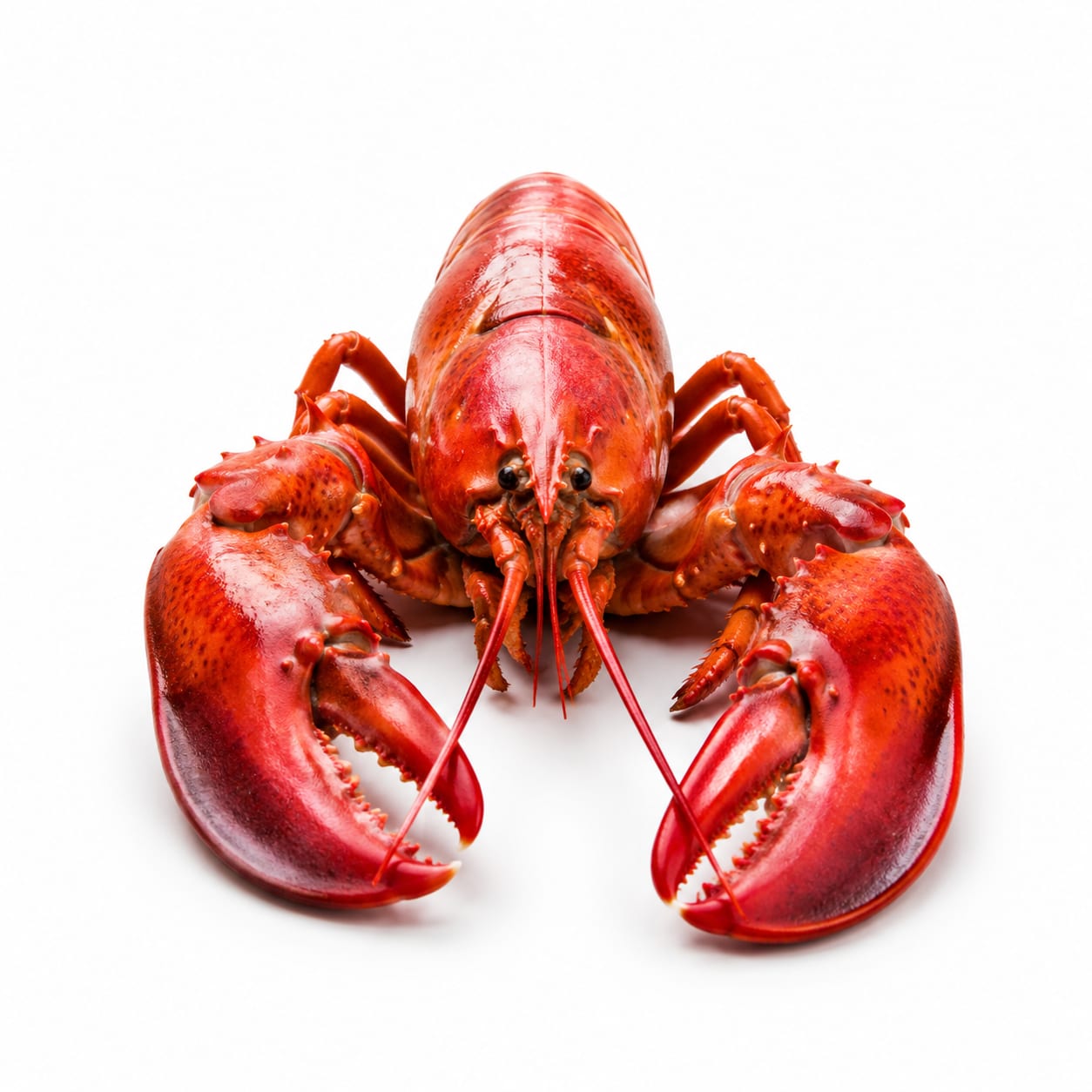
Lobster
.jpg)
Tuna (Steak)
Lobster is safer for frequent eating due to low mercury, while Tuna steak offers better heart-health fats and easier affordability but carries a higher mercury load.
Tuna steak scores slightly higher for practicality and omega-3 content, but Lobster stays competitive due to its significantly lower mercury levels, making the choice highly dependent on your consumption frequency.
Mercury safety versus omega-3 benefits and everyday practicality.
At a glance
Executive summary
Overall
It depends
Healthier
It depends
More practical
Tuna (Steak)
Daily use
Lobster
Key comparison lenses
Mercury and heavy metal exposure
Tuna steak is a large predatory fish with high mercury levels, while Lobster is a bottom-feeder with significantly lower mercury accumulation.
Heart health and cholesterol
Lobster is surprisingly high in dietary cholesterol and sodium, whereas Tuna offers heart-friendly omega-3 fats and low sodium.
Protein quality for lean muscle
Both are premium lean proteins, but users often compare them for fitness goals and satiety.
Practicality and everyday affordability
Lobster is a luxury item, while Tuna steak is a more accessible weeknight dinner option.
Best choice for
Lobster
- Pregnant women seeking lean protein
- People strictly monitoring mercury intake
- Special occasion low-fat indulgence
Tuna (Steak)
- Budget-conscious muscle builders
- People needing accessible omega-3s
- Quick weeknight seafood dinners
Least suitable for
Lobster
- Sodium-sensitive individuals
- Tight grocery budgets
- People with shellfish allergies
Tuna (Steak)
- Pregnant women or young children
- Frequent daily eaters
- People with finfish allergies
Deep comparison
Dimension by dimension
Each lens scores both foods and breaks down who each option suits.
- Dimension 1 · Priority 95Lobster
Safety and Heavy Metals
Lobster · 90Tuna (Steak) · 55Lobster has very low mercury, making it safer to eat regularly. Tuna steak accumulates significant mercury, requiring strict portion control.
Tradeoff
You give up the omega-3 density of Tuna to avoid the long-term mercury exposure risk.
Why it matters
High mercury intake impacts neurological health and is especially risky for pregnant women and children.
Real-world impact
Eating Tuna steak multiple times a week can push mercury levels into risky territory, whereas Lobster can be eaten more freely without the same worry.
Lobster
- Regular weekly seafood eaters
- Pregnant women
- Children
Better for
Tuna (Steak)
- Frequent consumers
- Pregnant women
- Young children
Worse for
- Dimension 2 · Priority 85Tuna (Steak)
Heart Health and Fats
Lobster · 60Tuna (Steak) · 88Tuna is rich in omega-3s and low in sodium and cholesterol. Lobster is lean but packs a surprising amount of cholesterol and sodium.
Tradeoff
You tolerate higher sodium and cholesterol in Lobster to get a richer, sweeter flavor profile.
Why it matters
Omega-3s actively reduce inflammation, while high sodium and cholesterol can strain cardiovascular health if overconsumed.
Real-world impact
A Tuna steak supports heart health and steady energy, while Lobster dipped in butter can quickly become a heavy, sodium-laden meal.
Lobster
- People with high blood pressure
- Those watching cholesterol
Worse for
Tuna (Steak)
- People managing cholesterol
- Those seeking anti-inflammatory fats
- Low-sodium diets
Better for
- Dimension 3 · Priority 80Tuna (Steak)
Protein and Muscle Building
Lobster · 82Tuna (Steak) · 90Both are excellent lean proteins, but Tuna offers slightly more protein per calorie and is far easier to eat regularly for muscle maintenance.
Tradeoff
Lobster is a high-quality protein but is too expensive and cumbersome to be a daily muscle-building staple.
Why it matters
Consistent, high-quality protein intake drives muscle repair and keeps you feeling full longer.
Real-world impact
Post-workout, a Tuna steak is a practical, affordable go-to. Lobster is more of a celebratory protein that won't derail your macros if eaten plain.
Lobster
- Those needing daily affordable protein
Worse for
Tuna (Steak)
- Athletes needing routine protein
- Budget-conscious gym-goers
Better for
- Dimension 4 · Priority 75Tuna (Steak)
Practicality and Affordability
Lobster · 35Tuna (Steak) · 80Tuna steak is widely available, easy to cook in minutes, and reasonably priced. Lobster is expensive, requires specific prep, and is rarely an everyday meal.
Tradeoff
You pay a premium and spend more time cooking for the unique texture and sweetness of Lobster.
Why it matters
Healthy eating only works if it fits into your lifestyle and budget without constant friction.
Real-world impact
Seared Tuna is a realistic Tuesday dinner. Lobster is typically reserved for weekends, dates, or special occasions.
Lobster
- Weeknight meal preppers
- Cost-conscious shoppers
Worse for
Tuna (Steak)
- Busy professionals
- Families eating on a budget
- Minimalist cooks
Better for
Timeline
Health impact over time
Short-term
Hours to days
Lobster
- Quick satiety from dense protein
- Possible bloating if paired with heavy butter or drawn butter
Tuna (Steak)
- Fast, clean energy from lean protein
- Risk of scombroid poisoning if the fish is not kept sufficiently cold
Long-term
Months to years
Lobster
- Excellent long-term safety profile regarding heavy metals
- Potential blood pressure concerns if eaten frequently due to natural sodium content
Tuna (Steak)
- Cardiovascular benefits from consistent omega-3 intake
- Mercury accumulation risks if consumed more than once or twice a week
Risk profile
Safety & processing
Both Lobster and Tuna steak are whole, minimally processed foods. The main concerns come from how they are handled and stored, not from artificial additives.
Lobster
Shellfish allergy
highLobster is a crustacean and can trigger severe, potentially life-threatening allergic reactions in sensitive individuals.
Sodium overload
mediumNaturally high in sodium, and cooking methods often add even more, which can spike blood pressure.
Tuna (Steak)
Mercury exposure
highTuna steaks (especially albacore or yellowfin) are high on the food chain and accumulate significant mercury, posing neurological risks over time.
Scombroid poisoning
mediumIf Tuna is improperly refrigerated, histamine levels can spike, causing flushing, headaches, and digestive distress.
Who wins for whom
Audience fit
Same foods, different winners depending on your goal.
children
LobsterLobster's extremely low mercury content makes it much safer for developing nervous systems compared to Tuna steak.
daily consumption
LobsterWhile impractical financially, Lobster's low mercury makes it safer for daily consumption, whereas daily Tuna steak would quickly lead to toxic mercury levels.
diabetes
Tuna (Steak)Both have zero carbs, but Tuna's lower sodium and beneficial omega-3s make it better for managing cardiovascular risks associated with diabetes.
elderly
It dependsTuna is better for heart health with its omega-3s, but Lobster is safer regarding mercury; the choice depends on whether cardiovascular risk or heavy metal exposure is the bigger personal concern.
muscle gain
Tuna (Steak)Tuna provides slightly more protein per serving and is affordable enough to eat consistently for muscle repair.
weight loss
Tuna (Steak)Tuna is lower in sodium and calories, making it easier to fit into a weight loss routine without water retention.
Your move
Decision guide
Choose Lobster
- You are pregnant, nursing, or feeding young children
- You eat seafood very frequently and need a low-mercury option
- You want a luxurious, zero-carb treat for a special occasion
Choose Tuna (Steak)
- You only eat seafood once or twice a week
- You want an affordable, omega-3 rich protein for muscle gain
- You need a quick, heart-healthy weeknight dinner
Either works if
- You need a zero-carb, high-protein main course
- You are looking for a gourmet salad topper
- You want a clean protein source after a workout
Avoid both if
- You have gout, as both are moderately high in purines
- You have severe seafood or shellfish allergies
- You are on a strict low-protein diet for kidney issues
Final recommendation
Let frequency dictate your choice. If you eat seafood often, Lobster is the safer long-term bet for avoiding mercury. If you eat seafood occasionally, Tuna steak gives you more heart-healthy omega-3s and practical value for your money. Keep Tuna to once a week, and enjoy Lobster without the butter to keep it truly lean.
Practical
Consumer tips
- 1
Limit Tuna steak to one serving per week to keep mercury levels in check.
- 2
Skip the drawn butter with Lobster; a squeeze of lemon saves hundreds of calories and keeps the meal truly lean.
- 3
Look for sustainably caught Tuna with lower mercury profiles, like skipjack, when possible.
- 4
If buying frozen Tuna, ensure it was flash-frozen at sea to prevent scombroid poisoning and preserve texture.
- 5
Rinse Lobster meat before eating to remove excess surface sodium.