
Nutrition comparison
Lobster vs Mussels: Nutrition, Mercury & Sustainability Compared
Compare Lobster vs Mussels to see which is healthier. Learn about omega-3s, protein, mercury risks, and sustainability to make the best seafood choice for your diet.
Overall winner · Mussels

Lobster
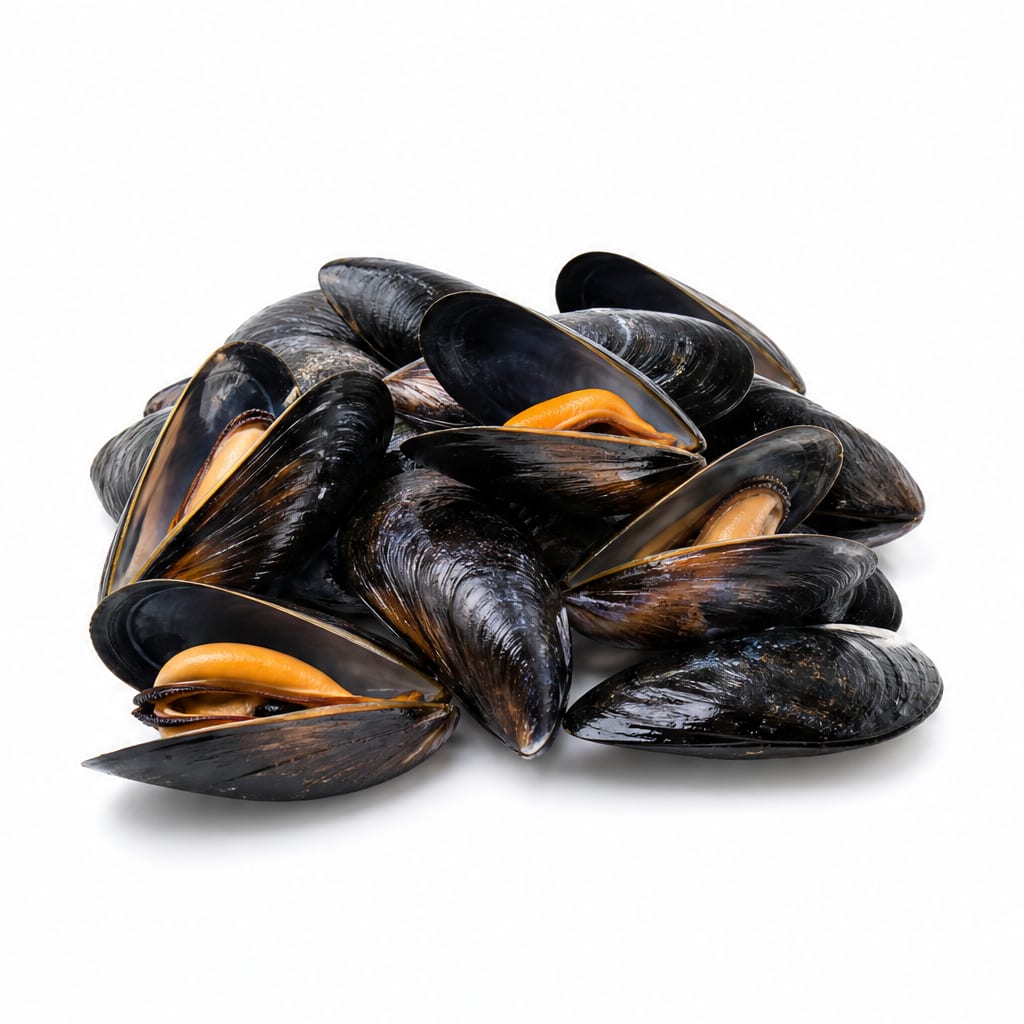
Mussels
Mussels offer far more nutritional value, heart-healthy fats, and sustainability for a fraction of the cost, making them the better everyday choice.
Mussels score significantly higher due to superior micronutrient density, beneficial omega-3 fats, and unmatched affordability and sustainability. Lobster remains an excellent lean protein but falls behind on everyday health practicality and cost.
Lobster provides a leaner, meatier protein bite with lower fat, but sacrifices the dense vitamins, omega-3s, and budget-friendliness that mussels deliver.
At a glance
Executive summary
Overall
Mussels
Healthier
Mussels
More practical
Mussels
Daily use
Mussels
Key comparison lenses
Nutrient density and omega-3 intake
Mussels are dramatically higher in omega-3s and micronutrients, making them a functional health food compared to the leaner lobster.
Heart health and cholesterol impact
Lobster is high in dietary cholesterol and often served with butter, while mussels provide heart-protective fats.
Seafood safety and contaminants
Comparing the mercury risk of bottom-feeders like lobster versus the microplastic and biotoxin risks of filter-feeders like mussels.
Budget and sustainability
Lobster is a luxury protein, whereas mussels are one of the most affordable and environmentally sustainable seafoods available.
Best choice for
Lobster
- High-protein, low-fat diets
- Special occasion dining
- Those seeking lean muscle recovery without added fats
Mussels
- Cardiovascular health and inflammation reduction
- Budget-friendly meal prep
- Getting enough omega-3s without fish oil supplements
- Sustainable seafood choices
Least suitable for
Lobster
- Tight grocery budgets
- Low-sodium diets due to typical boiling methods
- Frequent daily consumption
Mussels
- Those with specific concerns about microplastics in filter feeders
- People who dislike strong seafood flavors or chewy textures
Deep comparison
Dimension by dimension
Each lens scores both foods and breaks down who each option suits.
- Dimension 1 · Priority 95Mussels
Nutrient Density & Micronutrients
Lobster · 65Mussels · 96Mussels are a nutritional powerhouse packed with B12, selenium, zinc, and manganese, while lobster is lean but relatively micronutrient-poor.
Tradeoff
You trade the pure lean protein of lobster for a much wider spectrum of essential vitamins and minerals in mussels.
Why it matters
Micronutrients drive energy, immunity, and brain function. Mussels act like a natural multivitamin.
Real-world impact
Eating mussels regularly can help clear up brain fog and low energy, whereas lobster mainly just hits your protein macro.
Lobster
- Strict macro-tracking where only protein counts
Better for
- Reliance on supplements for trace minerals
Worse for
Mussels
- Correcting nutritional gaps naturally
- Boosting energy levels through B-vitamins
Better for
- Slightly higher carbohydrate content if on a strict keto diet
Worse for
- Dimension 2 · Priority 92Mussels
Heart Health & Fats
Lobster · 55Mussels · 94Mussels are rich in anti-inflammatory omega-3s, whereas lobster offers almost no beneficial fats and is high in cholesterol.
Tradeoff
Lobster is naturally lean but lacks the heart-protective fats of mussels, and is often drowned in butter before eating.
Why it matters
Omega-3s actively reduce heart disease risk, while high cholesterol and saturated fat dips can raise it.
Real-world impact
A bowl of mussels supports steady heart health long-term, while a butter-drenched lobster tail can leave you feeling heavy and sluggish.
Lobster
- Very low-fat diet protocols
Better for
- Risk of raising LDL if paired with butter
Worse for
Mussels
- Lowering blood pressure
- Reducing systemic inflammation
Better for
- Not suitable if you need to restrict all dietary fats
Worse for
- Dimension 3 · Priority 85Lobster
Protein Quality & Leanness
Lobster · 93Mussels · 82Lobster delivers more protein per calorie with virtually zero fat, making it a premier lean protein source.
Tradeoff
You get maximum protein leanness from lobster, but miss out on the health benefits that come with the natural fats in mussels.
Why it matters
For pure muscle repair and satiety without calorie dense fats, lobster is highly efficient.
Real-world impact
Post-workout, lobster gives you pure protein for recovery without slowing digestion the way a fattier meal might.
Lobster
- Lean muscle building
- Keeping daily calories strictly controlled
Better for
- Less staying power between meals
Worse for
Mussels
- More sustained satiety from the fat content
Better for
- Higher calorie density per gram of protein
Worse for
- Dimension 4 · Priority 80It depends
Contaminant & Safety Profile
Lobster · 70Mussels · 75Lobster carries a moderate mercury load, while mussels have virtually no mercury but carry risks from microplastics and biotoxins.
Tradeoff
You choose between higher heavy metal exposure with lobster or filter-feeding contaminants with mussels.
Why it matters
Both have unique risks that require smart sourcing to eat safely on a regular basis.
Real-world impact
Pregnant women might avoid lobster due to mercury, while those worried about ocean plastics might limit mussels.
Lobster
- Lower risk of microplastic ingestion
Better for
- Heavy metal accumulation with frequent consumption
Worse for
Mussels
- Safe mercury levels for pregnancy and children
Better for
- Potential biotoxin exposure if not from clean waters
Worse for
- Dimension 5 · Priority 88Mussels
Sustainability & Affordability
Lobster · 35Mussels · 98Mussels are incredibly cheap and actively improve water quality, while lobster is an expensive luxury with a higher carbon footprint.
Tradeoff
Lobster is a high-status dining experience, whereas mussels are an everyday superfood that is easy on your wallet and the planet.
Why it matters
Being able to afford healthy food consistently matters more than any single nutrient profile.
Real-world impact
You can eat mussels twice a week without financial strain, making their health benefits actually sustainable long-term.
Lobster
- High-end culinary experiences
Better for
- Prohibitive cost for regular meals
Worse for
Mussels
- Weeknight dinner budgets
- Environmentally conscious diets
Better for
- Not suitable for luxury dining events
Worse for
Timeline
Health impact over time
Short-term
Hours to days
Lobster
- High satiety from pure protein intake
- Potential bloating if eaten with heavy butter sauces
Mussels
- Quick nutrient replenishment, especially B12 and iron
- Steadier, longer-lasting fullness from balanced protein and fats
Long-term
Months to years
Lobster
- Possible cholesterol concerns if prepared with rich additives
- Heavy metal accumulation if eaten too frequently
Mussels
- Improved cardiovascular markers from omega-3s
- Better joint and brain health from sustained micronutrient intake
Risk profile
Safety & processing
Both lobster and mussels are whole, natural foods. The main additive risk comes from how they are prepared, particularly butter and salt with lobster.
Lobster
Mercury exposure
mediumAs a larger, longer-living bottom-dweller, lobster accumulates more mercury than small bivalves.
High sodium
mediumLobster is frequently boiled in seawater or heavily salted water, driving up sodium levels.
Mussels
Biotoxins and red tide
highBecause they filter large volumes of water, mussels can concentrate harmful algal blooms if harvested from unmonitored areas.
Microplastics
mediumFilter feeders naturally ingest microplastics from the ocean, which can end up in your meal.
Who wins for whom
Audience fit
Same foods, different winners depending on your goal.
children
MusselsMussels have virtually no mercury, making them safer for developing nervous systems, provided they are sourced from clean waters.
daily consumption
MusselsMussels are affordable, low in mercury, and highly nutritious, making them realistic to eat multiple times a week.
diabetes
MusselsThe omega-3s in mussels help improve insulin sensitivity and reduce systemic inflammation, which is crucial for diabetes management.
elderly
MusselsThe dense B-vitamins and omega-3s in mussels support brain health and joint mobility, which are major concerns for aging adults.
muscle gain
LobsterLobster offers a higher pure protein-to-calorie ratio, which is ideal for hitting high protein targets without overshooting daily calories.
weight loss
MusselsMussels provide more satiety per calorie due to their healthy fat and protein combo, making it easier to stick to a calorie deficit without feeling deprived.
Your move
Decision guide
Choose Lobster
- You want maximum protein with minimal fat and calories
- It is a special occasion and budget is not a constraint
- You are strictly tracking macros and need pure lean protein
Choose Mussels
- You want the most nutritional bang for your buck
- Heart health and reducing inflammation are top priorities
- You need an affordable, sustainable protein to eat regularly
Either works if
- You need high-quality, complete protein without land meat
- You are aiming to increase seafood intake for general health
Avoid both if
- You have a severe shellfish allergy
- You suffer from gout and are highly sensitive to purines
Final recommendation
Make mussels your everyday seafood staple for their unmatched nutrient density, omega-3s, and price point. Save lobster for special occasions when you want a lean, decadent treat, but skip the butter to keep it truly healthy.
Practical
Consumer tips
- 1
Always buy mussels from trusted suppliers who test for biotoxins; closed-shell mussels that open during cooking are safe to eat.
- 2
Skip the butter dip for lobster; use lemon and herbs instead to keep the meal heart-healthy and low-calorie.
- 3
If you are concerned about microplastics but want the benefits of mussels, limit intake to once a week and vary your seafood choices.
- 4
Choose farmed mussels whenever possible—they are one of the most sustainable ocean products and actually clean the water they grow in.