
Nutrition comparison
Lobster vs Crab: Nutrition, Cholesterol, and Health Comparison
Comparing Lobster and Crab? Discover which shellfish is lower in cholesterol, safer for heart health, and better for your budget. Full nutritional breakdown.
Overall winner · Crab
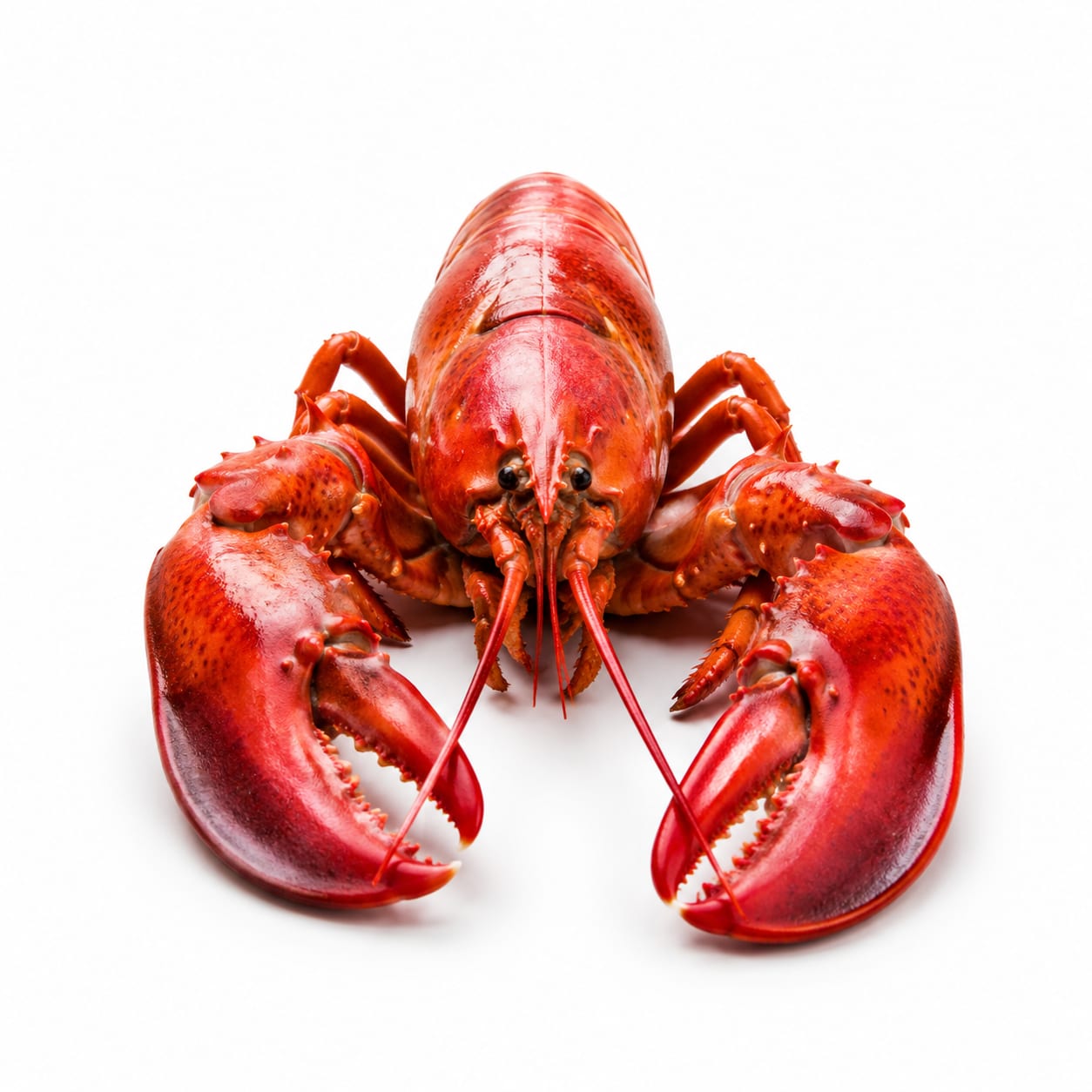
Lobster
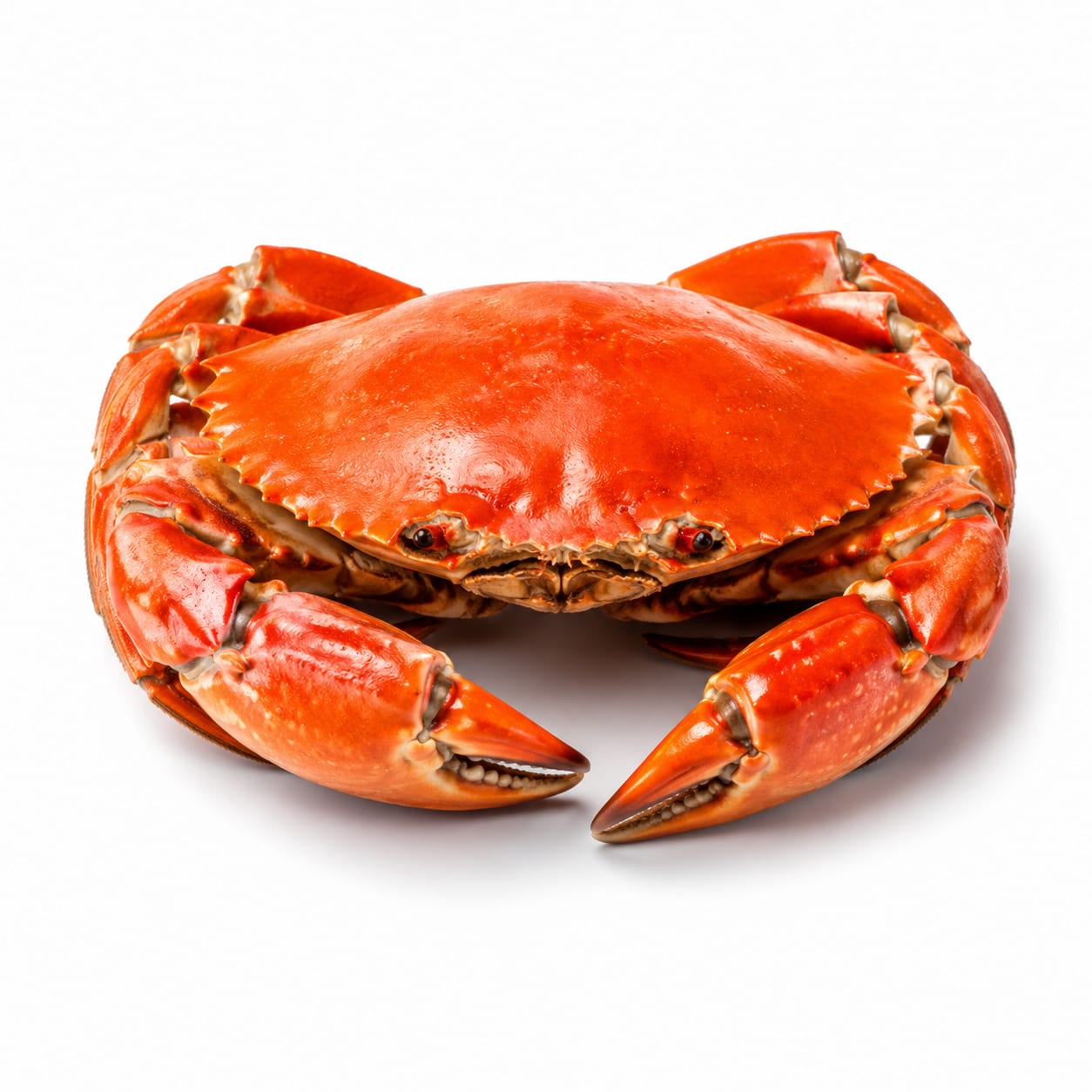
Crab
Crab edges out Lobster for everyday eating due to lower cholesterol, better versatility, and fewer toxin concerns, though Lobster offers a slightly leaner protein punch with less sodium.
Crab scores slightly higher overall due to its lower cholesterol, wider culinary accessibility, and safer toxin profile. Lobster remains an excellent low-sodium, high-protein choice but is held back by its cholesterol content and luxury pricing.
Lobster delivers more protein and less sodium but brings higher cholesterol and potential toxin accumulation in the tomalley. Crab is easier on the heart and wallet but can be saltier.
At a glance
Executive summary
Overall
Crab
Healthier
Crab
More practical
Crab
Daily use
Crab
Key comparison lenses
Cholesterol and heart health impact
Lobster is significantly higher in cholesterol than Crab, which is a major concern for many diners.
Sodium content and blood pressure
Both are naturally salty, but Crab often packs more sodium, especially certain species or canned varieties.
Toxin and heavy metal exposure
Lobster tomalley can concentrate marine toxins and heavy metals, raising safety questions.
Everyday practicality and cost
Crab is far more accessible and affordable for regular meals, while Lobster is typically a luxury item.
Best choice for
Lobster
- Those wanting maximum protein with minimal sodium
- Special occasion dining where luxury matters
- People avoiding high-sodium foods
Crab
- People watching their cholesterol
- Everyday meal prep like salads and tacos
- Those seeking better value and easier access
Least suitable for
Lobster
- People with severe high cholesterol
- Budget-conscious everyday meals
- Those concerned about marine toxin accumulation
Crab
- People strictly limiting sodium intake
- Those who prefer a denser, meatier texture in a single shellfish piece
Deep comparison
Dimension by dimension
Each lens scores both foods and breaks down who each option suits.
- Dimension 1 · Priority 90Crab
Cholesterol & Heart Health
Lobster · 60Crab · 85Lobster contains notably more cholesterol than Crab, making Crab the safer bet for heart health.
Tradeoff
You get a denser protein bite with Lobster, but at the cost of significantly more dietary cholesterol.
Why it matters
High cholesterol intake can impact blood lipid levels, especially for those already at risk for heart disease.
Real-world impact
If you are watching your heart health, eating Lobster regularly might push your daily cholesterol over recommended limits, whereas Crab is easier to fit into a heart-friendly diet.
Lobster
- Situations where dietary cholesterol is not a personal concern
Better for
- People with hypercholesterolemia
Worse for
Crab
- Managing high cholesterol
- Heart-healthy diets
Better for
- No significant downside here
Worse for
- Dimension 2 · Priority 85Lobster
Sodium & Blood Pressure
Lobster · 80Crab · 65Lobster naturally contains less sodium than Crab, especially compared to canned or King Crab varieties.
Tradeoff
Crab offers a more accessible and affordable option, but you often have to deal with a higher salt load.
Why it matters
Excess sodium drives up blood pressure and can leave you feeling bloated after the meal.
Real-world impact
A Crab salad can easily become a sodium bomb, whereas a plain Lobster tail is surprisingly gentle on your blood pressure.
Lobster
- Low-sodium diets
- Avoiding post-meal bloating
Better for
- No significant downside here
Worse for
Crab
- Situations where sodium is less of a concern or you are cooking from scratch and can control added salt
Better for
- People with hypertension
- Those sensitive to salt
Worse for
- Dimension 3 · Priority 80Crab
Toxin & Contamination Risk
Lobster · 65Crab · 80Lobster tomalley can concentrate heavy metals and marine toxins, while Crab generally poses less of this specific risk.
Tradeoff
Lobster's unique flavor partly comes from its rich internal organs, but eating the tomalley is a gamble on toxin exposure.
Why it matters
Long-term exposure to heavy metals and PCBs can affect neurological and liver health.
Real-world impact
Skipping the green stuff in Lobster makes it much safer, but many diners consider it a delicacy. Crab meat is typically eaten without these high-risk organs.
Lobster
- Diners who strictly avoid the tomalley
Better for
- People who traditionally eat the whole lobster including tomalley
Worse for
Crab
- Minimizing heavy metal exposure
- Safer choices during red tide or algal bloom seasons
Better for
- No significant downside here
Worse for
- Dimension 4 · Priority 75Crab
Everyday Practicality & Cost
Lobster · 45Crab · 85Crab is far easier to find, cheaper to buy, and simpler to incorporate into quick weeknight meals.
Tradeoff
Lobster offers a premium dining experience, but the cost and prep make it unrealistic as an everyday protein.
Why it matters
A healthy food only works if you can actually afford and prepare it regularly.
Real-world impact
You can toss canned Crab into a wrap for a fast lunch, but Lobster usually requires a special trip, a bigger budget, and more effort.
Lobster
- Celebratory dinners
- Impressing guests
Better for
- Busy weeknights
- Cost-conscious households
Worse for
Crab
- Weekly meal prep
- Budget-friendly protein options
- Quick lunches
Better for
- High-end dining experiences
Worse for
- Dimension 5 · Priority 70Lobster
Protein Quality & Satiety
Lobster · 88Crab · 82Lobster provides a slightly denser protein hit per serving, keeping you full for longer.
Tradeoff
While Crab is also an excellent lean protein, Lobster just edges it out in pure protein density per bite.
Why it matters
Higher protein density helps with muscle maintenance and keeps cravings at bay.
Real-world impact
A Lobster tail will keep you satisfied well into the evening, whereas you might feel hungry sooner after a light Crab leg portion.
Lobster
- Post-workout recovery
- Staying full longer on fewer calories
Better for
- Those who prefer lighter, flakier textures
Worse for
Crab
- Lighter meals where you don't want to feel overly stuffed
Better for
- Athletes needing maximum protein density
Worse for
Timeline
Health impact over time
Short-term
Hours to days
Lobster
- Highly satisfying and filling due to dense protein
- Potential for indigestion if eaten with large amounts of melted butter
Crab
- Quick and light energy boost
- Can cause bloating if consuming high-sodium varieties like canned Crab
Long-term
Months to years
Lobster
- Risk of elevated cholesterol if consumed frequently
- Potential heavy metal accumulation if tomalley is regularly consumed
Crab
- Supports thyroid and immune health due to excellent selenium and zinc content
- Blood pressure concerns if high-sodium preparations are the norm
Risk profile
Safety & processing
Both Lobster and Crab are whole, natural foods when bought fresh or frozen. However, Crab is more commonly purchased canned or pasteurized, which often involves added sodium and occasionally preservatives like sodium bisulfite.
Lobster
Tomalley contamination
highThe green liver and pancreas of Lobster filters toxins and can concentrate heavy metals, PCBs, and paralytic shellfish poison.
Shellfish allergy
highCrustacean allergies are severe and potentially life-threatening.
Crab
Sodium overload in processed varieties
mediumCanned or imitation Crab often contains extremely high sodium levels and hidden additives.
Shellfish allergy
highLike Lobster, Crab is a top allergen that can trigger anaphylaxis.
Who wins for whom
Audience fit
Same foods, different winners depending on your goal.
children
CrabCrab is easier to portion, less intimidating for kids, and avoids the high cholesterol and tomalley toxin risks of Lobster.
daily consumption
CrabCrab is more affordable, more versatile in everyday recipes, and carries a healthier lipid profile for regular eating.
diabetes
CrabBoth have zero carbs, but Crab's lower cholesterol makes it a safer long-term choice for diabetics who are at higher risk for heart disease.
elderly
CrabCrab is gentler on the heart with less cholesterol, and its flakier texture is easier to chew and digest.
muscle gain
LobsterLobster offers slightly more protein per serving, giving a better boost for muscle repair and growth.
weight loss
CrabCrab is lower in cholesterol and calories, making it easier to sustain in a weight-loss diet without worrying about lipid levels.
Your move
Decision guide
Choose Lobster
- You want a high-protein, low-sodium meal
- It is a special occasion and budget is not a concern
- You are focused on muscle building and need dense protein
Choose Crab
- You are watching your cholesterol or heart health
- You need an affordable, versatile protein for weekly meals
- You want to avoid the potential toxin risks associated with Lobster tomalley
Either works if
- You are simply craving high-quality shellfish and have no specific dietary restrictions
- You are eating out and both are prepared simply without heavy butter sauces
Avoid both if
- You have a diagnosed crustacean or shellfish allergy
- You are on a strict low-sodium diet and cannot control how the restaurant prepares them
Final recommendation
Make Crab your go-to for everyday seafood meals to keep cholesterol and costs down. Save Lobster for special occasions, and always skip the tomalley to avoid unnecessary toxin exposure.
Practical
Consumer tips
- 1
Always skip the green tomalley in Lobster to avoid concentrated toxins and heavy metals.
- 2
If watching sodium, buy fresh or frozen Crab legs instead of canned Crab meat.
- 3
Go easy on the melted butter—both Lobster and Crab are naturally lean, but butter turns them into a calorie bomb.
- 4
For the best value, look for lump Crab meat for recipes and buy Lobster tails instead of whole lobsters to save prep time and money.