
Nutrition comparison
Lobster vs Salmon: Which Is Healthier for Daily Eating?
Compare lobster and salmon nutrition including omega-3s, protein, cholesterol, mercury, and practicality. Find out which seafood is better for heart health, weight loss, and weekly meals.
Overall winner · Salmon

Lobster
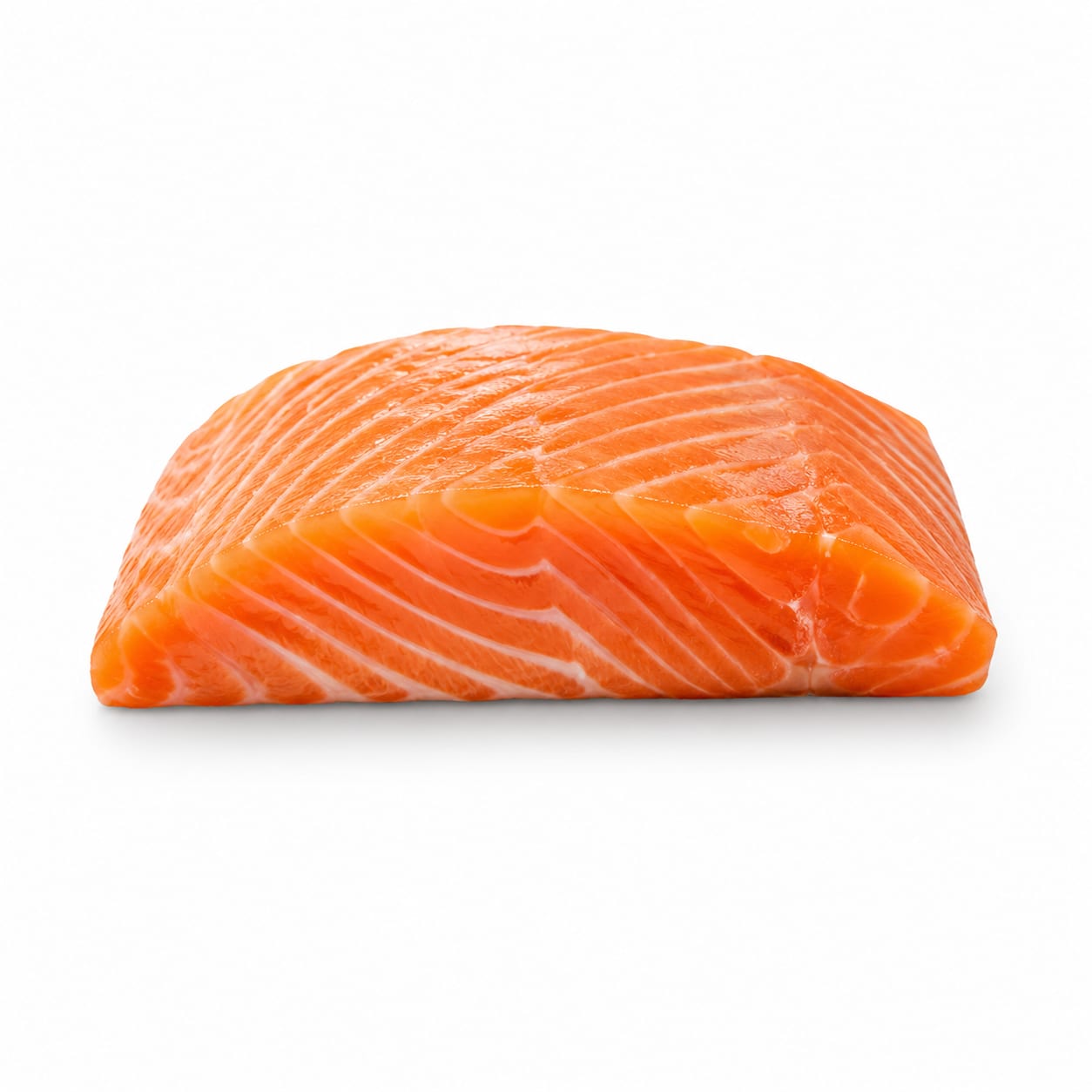
Salmon
Salmon wins for daily nutrition thanks to its unmatched omega-3 content and practicality, but lobster is the leaner protein pick for special occasions.
Salmon scores significantly higher due to its omega-3 content, daily practicality, and anti-inflammatory benefits. Lobster remains a strong lean protein but lacks the healthy fats that make salmon a nutritional powerhouse.
Salmon gives you heart-protective omega-3s and everyday affordability; lobster gives you ultra-lean protein with a luxury experience but nearly zero omega-3s.
At a glance
Executive summary
Overall
Salmon
Healthier
Salmon
More practical
Salmon
Daily use
Salmon
Key comparison lenses
omega-3 and heart health comparison
Salmon is one of the richest omega-3 sources available while lobster provides almost none, making this the most consequential nutritional difference
everyday vs special occasion eating
Lobster is expensive and perishable while salmon is affordable and weeknight-friendly, heavily influencing real-world decision-making
cholesterol and fat profile tradeoffs
Lobster is leaner but higher in cholesterol; salmon is fattier but with heart-protective fats, creating a nuanced tradeoff
contamination and heavy metal exposure
Both seafood options carry mercury and contaminant concerns that differ by source and farming practices
protein quality and leanness for body composition
Both are high-quality protein sources but lobster is significantly leaner, appealing to those tracking calories closely
Best choice for
Lobster
- People counting calories who want maximum protein with minimal fat
- Special occasion meals where luxury matters
- Those avoiding dietary fat for medical reasons
- Anyone tired of everyday fish options and wanting variety
Salmon
- Daily heart health protection through omega-3s
- Budget-conscious weekly meal prep
- Fighting inflammation or joint issues
- Pregnant women needing DHA (with low-mercury source selection)
- Anyone wanting a filling, satisfying protein that keeps hunger away
Least suitable for
Lobster
- Budget-conscious weekly meal planning
- People relying on seafood for omega-3 intake
- Those who need quick weeknight cooking options
- Anyone watching cholesterol closely
Salmon
- People on strict low-fat diets
- Those who dislike fishy flavors
- Anyone concerned about farmed fish exposure (if not buying wild)
Deep comparison
Dimension by dimension
Each lens scores both foods and breaks down who each option suits.
- Dimension 1 · Priority 95Salmon
omega-3 and heart health
Lobster · 10Salmon · 97Salmon delivers over 2000mg of omega-3s per serving while lobster provides virtually zero. This is the single biggest nutritional gap between them.
Tradeoff
You cannot rely on lobster for any meaningful omega-3 intake. If heart health is a priority, salmon is not just better — it is essential.
Why it matters
Omega-3s reduce heart disease risk, lower triglycerides, and fight chronic inflammation. This is not a small nutritional detail — it is the main reason health authorities recommend fatty fish twice weekly.
Real-world impact
Eating salmon twice a week meaningfully lowers heart disease risk. Eating lobster twice a week tastes great but does nothing for your omega-3 status.
Lobster
- Staying lean without added fat calories
Better for
- Cardiovascular protection from seafood
- Anti-inflammatory benefits
- Brain and cognitive health support
Worse for
Salmon
- Heart disease prevention
- Reducing joint inflammation
- Brain health and mood support
- Lowering triglycerides
- Prenatal DHA needs
Better for
- Keeping fat calories minimal
Worse for
- Dimension 2 · Priority 82Lobster
protein quality and leanness
Lobster · 92Salmon · 85Lobster delivers more protein per calorie since it carries almost no fat. Salmon still has excellent protein but comes with significant fat calories.
Tradeoff
Lobster is the leaner protein machine; salmon is more filling because its fat slows digestion and extends satiety.
Why it matters
If you are counting calories or macros precisely, lobster gives you more protein per bite. But salmon's fat makes meals more satisfying, which helps with adherence.
Real-world impact
A lobster tail gives you dense protein without filling your fat budget. A salmon fillet fills you up longer but uses more of your daily calorie allowance.
Lobster
- Cutting calories while keeping protein high
- Bodybuilding contest prep
- Post-workout lean protein
Better for
- Meals that keep you satisfied for hours
Worse for
Salmon
- Staying full between meals
- Reducing snacking urges
- Balanced macronutrient meals
Better for
- Strict calorie-controlled diets
Worse for
- Dimension 3 · Priority 78Salmon
cholesterol and fat profile
Lobster · 45Salmon · 88Lobster is surprisingly high in dietary cholesterol while salmon contains moderate cholesterol but with heart-protective fats that improve your lipid profile.
Tradeoff
Lobster's cholesterol is less concerning than it sounds, but salmon's fat profile actively improves heart health rather than just being neutral.
Why it matters
Dietary cholesterol affects people differently, but salmon's omega-3s actively lower harmful blood lipids. Lobster simply does not help here.
Real-world impact
Salmon eaters tend to see improved cholesterol numbers over time. Lobster eaters get lean protein but no lipid improvement.
Lobster
- Very low total fat intake
Better for
- Those sensitive to dietary cholesterol
- People with existing high cholesterol
Worse for
Salmon
- Improving HDL to LDL ratio
- Lowering triglycerides
- Overall heart-protective fat intake
Better for
- Very low-fat diet protocols
Worse for
- Dimension 4 · Priority 85Salmon
practicality and affordability
Lobster · 25Salmon · 88Salmon is available everywhere, affordable, and easy to cook midweek. Lobster is expensive, harder to find fresh, and intimidating to prepare.
Tradeoff
Salmon fits into real weekly routines. Lobster is a celebration food that most people cannot justify regularly.
Why it matters
The healthiest food only matters if you actually eat it. Salmon's accessibility makes it a realistic weekly staple.
Real-world impact
You can grab salmon at any grocery store and cook it in 15 minutes. Lobster requires planning, budget, and usually a special trip.
Lobster
- Making a meal feel special and memorable
- Impressing dinner guests
Better for
- Spontaneous weeknight cooking
- Feeding a family on a budget
- Beginners uncomfortable cooking shellfish
Worse for
Salmon
- Weeknight dinners
- Meal prepping protein for the week
- Budget-friendly healthy eating
- Consistent healthy habits
Better for
- Creating a luxury dining experience
Worse for
- Dimension 5 · Priority 72It depends
contamination and safety
Lobster · 65Salmon · 68Both carry moderate mercury and contaminant concerns. Lobster has lower mercury but higher risk of bacterial contamination. Farmed salmon has different risks than wild.
Tradeoff
Lobster avoids some mercury issues but carries food poisoning risk if mishandled. Salmon's risks depend heavily on whether it is wild or farmed.
Why it matters
Source selection matters more for salmon than lobster. Wild salmon has fewer contaminant concerns but costs more.
Real-world impact
Pregnant women should choose low-mercury wild salmon and limit both to a few servings weekly. Lobster is lower mercury but must be cooked and stored carefully.
Lobster
- Lower mercury levels than most large fish
Better for
- Foodborne illness risk if improperly stored or cooked
- Shellfish allergy concerns
Worse for
Salmon
- Wild-caught options with excellent safety profiles
- Established FDA consumption guidelines
Better for
- Farmed salmon may contain PCBs and antibiotics
- Higher mercury in some species and sources
Worse for
- Dimension 6 · Priority 75Salmon
satiety and meal satisfaction
Lobster · 55Salmon · 88Salmon's healthy fat content makes meals significantly more filling and satisfying. Lobster digests quickly and leaves you hungry sooner.
Tradeoff
Lobster feels lighter on the stomach but you will be hungry again faster. Salmon sticks with you for hours.
Why it matters
Meals that keep you full reduce snacking and make healthy eating easier to sustain. Fat is a key satiety driver.
Real-world impact
A salmon dinner keeps you satisfied until morning. A lobster dinner often has you reaching for snacks a couple hours later.
Lobster
- Light meals when you do not want to feel heavy
- Summer dining when appetite is lower
Better for
- Avoiding hunger between meals
- Sustained energy after eating
Worse for
Salmon
- Staying full between meals
- Preventing late-night snacking
- Active people needing lasting energy
Better for
- Light, refreshing warm-weather meals
Worse for
- Dimension 7 · Priority 68Salmon
vitamin and mineral density
Lobster · 70Salmon · 82Both are micronutrient-rich but in different ways. Salmon excels in vitamin D and omega-3s while lobster provides more zinc and copper.
Tradeoff
Salmon's vitamin D is hard to find elsewhere in food. Lobster's zinc and copper are useful but easier to obtain from other sources.
Why it matters
Vitamin D deficiency is widespread and salmon is one of the few natural food sources. This gives it a unique nutritional role.
Real-world impact
Regular salmon eaters get meaningful vitamin D support, especially in winter. Lobster eaters get good minerals but nothing uniquely hard to find elsewhere.
Lobster
- Zinc for immune support
- Copper for iron metabolism
- Selenium for thyroid function
Better for
- Natural vitamin D food sources
Worse for
Salmon
- Vitamin D for bone and immune health
- B12 for energy and nerve function
- Astaxanthin antioxidant benefits
Better for
- Zinc and copper intake
Worse for
Timeline
Health impact over time
Short-term
Hours to days
Lobster
- Light, clean energy without heaviness after eating
- Quick-digesting protein suitable before or after activity
- Risk of digestive upset if lobster is not fresh or properly cooked
- High sodium load if boiled in salted water or served with butter
Salmon
- Sustained fullness that reduces between-meal hunger
- Steadier energy from balanced protein and fat
- Possible fishy aftertaste or breath some find unpleasant
- Comforting, satisfying meal experience
Long-term
Months to years
Lobster
- No meaningful omega-3 contribution for heart and brain health
- Lean protein supports healthy body composition when eaten regularly
- Cholesterol intake may concern those with existing lipid issues
- Low cumulative mercury risk compared to many seafood options
Salmon
- Significantly reduced heart disease risk from consistent omega-3 intake
- Lower systemic inflammation benefiting joints, skin, and mood
- Improved blood lipid profiles over months of regular consumption
- Potential contaminant accumulation if farmed salmon is the primary source
Risk profile
Safety & processing
Both are whole, minimally processed foods in their natural form. However, farmed salmon may contain antibiotic residues and color additives in feed, while lobster is almost always wild-caught and additive-free.
Lobster
Bacterial contamination from improper handling
mediumLobster spoils quickly and can cause food poisoning if not kept cold and cooked thoroughly. Always buy live or properly frozen.
Shellfish allergy reactions
highShellfish allergies are among the most common and severe food allergies. Reactions can be life-threatening for sensitive individuals.
Sodium from cooking method
mediumBoiling lobster in salted water or serving with drawn butter significantly increases sodium and calorie intake beyond what the meat itself contains.
Salmon
Mercury accumulation
mediumSalmon is moderate in mercury compared to other fish. Wild salmon generally has lower levels than farmed. Pregnant women should still monitor intake.
Farmed salmon contaminants
mediumFarmed salmon may contain higher levels of PCBs, dioxins, and antibiotic residues. Choosing wild-caught reduces these concerns significantly.
Parasites in raw or undercooked preparations
lowSushi-grade salmon must be properly frozen to kill parasites. Home cooks should ensure salmon reaches safe internal temperature.
Who wins for whom
Audience fit
Same foods, different winners depending on your goal.
children
SalmonSalmon's omega-3s support brain development and the texture is more kid-friendly. Lobster's shellfish allergy risk and chewy texture make it less suitable.
daily consumption
SalmonSalmon is affordable, widely available, and provides nutrients most people lack. Lobster is too expensive and impractical for daily eating.
diabetes
SalmonSalmon's healthy fats improve insulin sensitivity and slow digestion, while its omega-3s reduce inflammation linked to diabetes complications.
elderly
SalmonSalmon's soft texture, anti-inflammatory benefits, and heart protection are especially valuable for older adults. Lobster can be tough to chew.
muscle gain
SalmonSalmon provides quality protein plus anti-inflammatory omega-3s that support recovery, and its fat content makes it easier to eat enough calories for growth.
weight loss
LobsterLobster's ultra-lean profile delivers maximum protein with minimal calories, making it easier to stay in a deficit.
Your move
Decision guide
Choose Lobster
- You want the leanest possible protein source from the sea
- It is a special occasion and you want something memorable
- You are tracking calories closely and need protein without fat
- You already eat fatty fish regularly and want variety
- You are avoiding dietary fat for a specific medical reason
Choose Salmon
- Heart health and omega-3 intake are priorities
- You need an affordable, weeknight-friendly protein
- You want a filling meal that prevents snacking later
- You are meal prepping for the week
- You want anti-inflammatory benefits for joints or recovery
- You are pregnant or planning pregnancy and need DHA
Either works if
- You want high-quality complete protein from seafood
- You are tired of chicken and want ocean-sourced nutrition
- You need B12 and selenium from whole food sources
- You are building a Mediterranean-style eating pattern
Avoid both if
- You have a seafood allergy
- You are following a strict vegan or plant-based diet
- You need to limit all seafood due to mercury concerns from other dietary sources
Final recommendation
Make salmon your regular seafood staple for omega-3s, heart health, and practicality. Enjoy lobster as an occasional lean protein treat when the occasion calls for something special. If you can only pick one for weekly eating, salmon is the clear winner for long-term health outcomes.
Practical
Consumer tips
- 1
Choose wild-caught salmon when possible to avoid farmed fish contaminants and get better omega-3 ratios
- 2
Buy lobster live or frozen for best quality — pre-cooked lobster meat loses texture and flavor
- 3
Cook salmon with the skin on to retain omega-3s and prevent sticking, then remove before eating if preferred
- 4
Avoid drowning lobster in butter — this turns a lean protein into a calorie bomb that defeats its main advantage
- 5
Freeze fresh salmon within two days of purchase or cook immediately for best safety and quality
- 6
Pregnant women should choose wild salmon and limit total seafood to 2-3 servings per week
- 7
Check for MSC or Seafood Watch certifications to make sustainable choices for both options
- 8
Grilled or baked salmon retains more omega-3s than deep-fried preparations
- 9
Lobster tails are easier to cook at home than whole lobsters and reduce food waste if you skip the body