
Nutrition comparison
Lobster vs Oysters: Nutrition, Safety, and Which Shellfish Is Healthier
Compare lobster and oysters on protein, zinc, omega-3s, cholesterol, and food safety. Find out which shellfish fits your health goals and when to choose each.
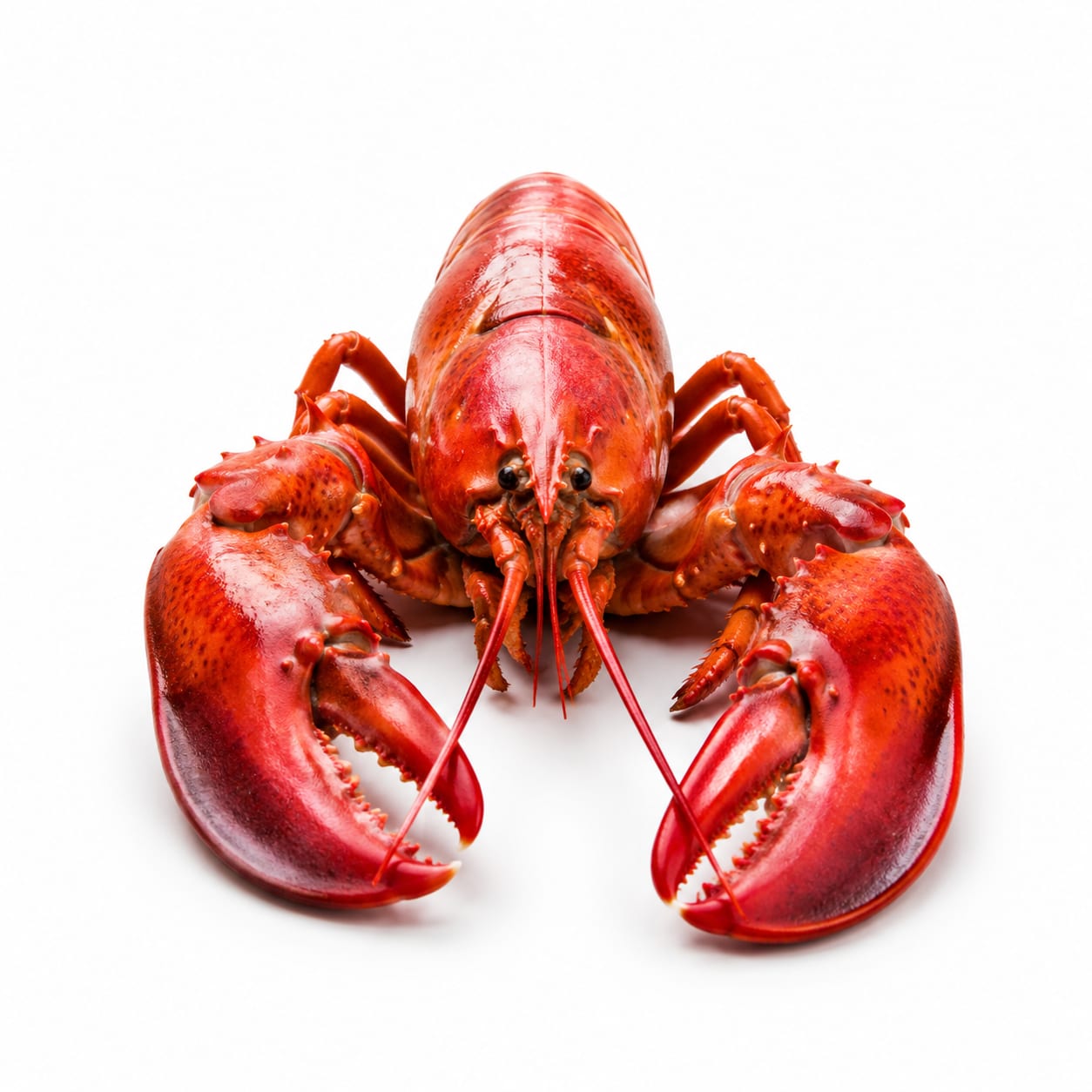
Lobster
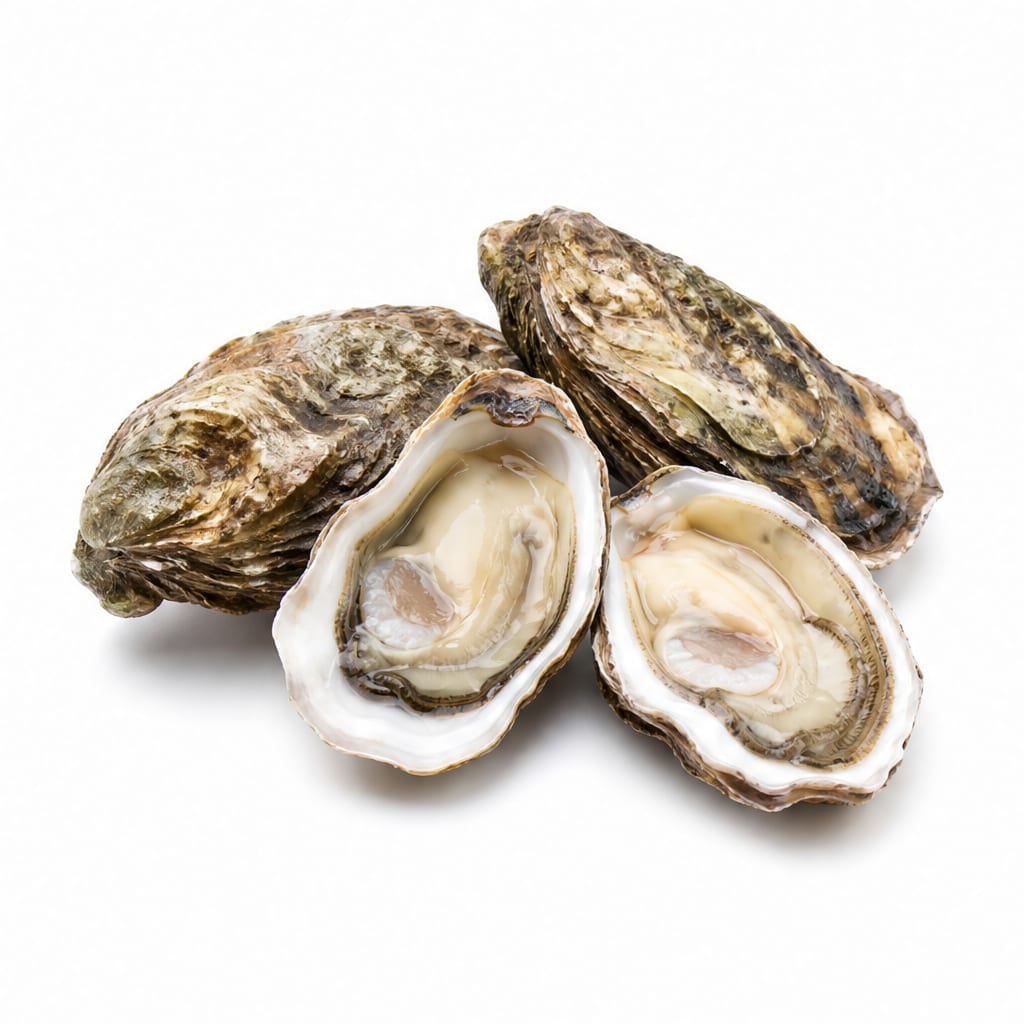
Oysters
Lobster wins on protein and satiety; oysters dominate on zinc, omega-3s, and sustainability. Your pick depends on what your body needs most.
Oysters edge ahead due to superior micronutrient density, omega-3 content, and sustainability. Lobster scores well for protein and safety but loses ground on cholesterol and environmental cost. The gap is small because both are premium shellfish with genuine nutritional value.
Lobster fills you up with lean protein but carries more cholesterol. Oysters supercharge your minerals and omega-3s but carry raw-eating risks and less protein.
At a glance
Executive summary
Overall
It depends
Healthier
It depends
More practical
Lobster
Daily use
Oysters
Key comparison lenses
protein density and satiety
Lobster delivers far more protein per calorie, making it the clear winner for fullness and muscle support
micronutrient uniqueness
Oysters are one of the most zinc-dense foods on earth, a nutrient many people lack
raw consumption safety
Raw oysters carry real Vibrio risk, while lobster is always cooked, creating a significant safety asymmetry
cholesterol and heart concerns
Lobster is surprisingly high in cholesterol, which matters for heart-conscious eaters
omega3 and anti inflammatory value
Oysters provide more omega-3s per serving, relevant for inflammation and brain health
sustainability and sourcing
Farmed oysters are environmentally restorative, while lobster harvesting has more ecosystem impact
Best choice for
Lobster
- Athletes needing high protein with minimal calories
- People recovering from illness who need filling, nutrient-dense meals
- Anyone avoiding raw seafood for safety reasons
- Low-carb dieters wanting maximum satiety
Oysters
- Men or anyone concerned about low zinc or testosterone support
- People wanting more omega-3s without fish oil supplements
- Those seeking iron and B12 from whole foods
- Environmentally conscious eaters who value sustainable seafood
Least suitable for
Lobster
- People managing high cholesterol without medication
- Budget-conscious households needing regular protein sources
- Anyone with shellfish allergies
Oysters
- Immunocompromised individuals who should avoid raw animal foods
- Pregnant women due to raw consumption risks
- People with hemochromatosis or iron overload concerns
- Anyone with shellfish allergies
Deep comparison
Dimension by dimension
Each lens scores both foods and breaks down who each option suits.
- Dimension 1 · Priority 92Lobster
protein_and_satiety
Lobster · 91Oysters · 52Lobster delivers roughly 28g of protein per 100g compared to oysters at 9g. That makes lobster far more filling and useful as a meal centerpiece.
Tradeoff
You get outstanding protein from lobster but pay more per gram of protein than almost any other animal source.
Why it matters
If you eat seafood primarily for protein, lobster satisfies that goal dramatically better. Oysters feel more like a mineral supplement than a protein source.
Real-world impact
A lobster dinner keeps you full for hours. A half-dozen oysters leave you looking for the next course.
Lobster
- Post-workout recovery meals
- High-protein low-calorie diet phases
- Main course protein needs
Better for
- Budget-limited protein sourcing
Worse for
Oysters
- Appetizer or light snack situations
- Mineral-focused supplementation through food
Better for
- Any situation where protein is the primary goal
- Meals where seafood is the only protein source
Worse for
- Dimension 2 · Priority 90Oysters
micronutrient_density
Lobster · 62Oysters · 94Oysters are one of the most mineral-dense foods available, especially for zinc, copper, selenium, and B12. Lobster offers good selenium and B12 but cannot compete on mineral breadth.
Tradeoff
Oysters give you exceptional mineral nutrition but minimal protein. Lobster gives solid protein with decent but not outstanding micronutrients.
Why it matters
Zinc deficiency is surprisingly common and affects immunity, wound healing, and hormone function. Six oysters provide over 300% of daily zinc needs.
Real-world impact
Eating oysters a few times a month can meaningfully correct low zinc or B12. Lobster supports selenium status well but does not solve mineral gaps the same way.
Lobster
- Selenium optimization
- B12 maintenance in a high-protein package
Better for
- Correcting zinc deficiency
- Broad-spectrum mineral replenishment
Worse for
Oysters
- Zinc replenishment for men or deficient individuals
- Iron support for menstruating women
- B12 boosting in a compact serving
- Copper and manganese intake
Better for
- Situations requiring protein alongside micronutrients
Worse for
- Dimension 3 · Priority 70Oysters
omega3_and_anti_inflammatory_value
Lobster · 48Oysters · 79Oysters contain meaningfully more omega-3 fatty acids per serving than lobster, which is quite lean and low in fat overall.
Tradeoff
Oysters give you anti-inflammatory fats but still less than fattier fish like salmon. Lobster is so lean it provides almost no omega-3 contribution.
Why it matters
If you do not eat fatty fish regularly, oysters are a useful omega-3 source. Lobster cannot fill that role.
Real-world impact
A dozen oysters per week can move the needle on your omega-3 intake. Lobster, despite being seafood, does not help with this goal.
Lobster
- Very low-fat diet protocols where omega-3s come from supplements
Better for
- Anyone relying on seafood as their primary omega-3 source
Worse for
Oysters
- Reducing systemic inflammation through diet
- Supporting brain health without fish oil pills
- Getting omega-3s from whole food rather than supplements
Better for
- Omega-3 needs that require high doses for therapeutic purposes
Worse for
- Dimension 4 · Priority 75Oysters
cholesterol_and_heart_health
Lobster · 45Oysters · 68Lobster contains roughly 100mg of cholesterol per 100g, which is high. Oysters have about a third of that. For people monitoring cholesterol, this difference matters.
Tradeoff
Lobster offers lean protein but packages it with significant dietary cholesterol. Oysters are gentler on cholesterol intake but provide less protein.
Why it matters
Dietary cholesterol affects blood cholesterol differently per person, but for sensitive individuals, lobster can be a problematic choice.
Real-world impact
If your doctor told you to watch cholesterol, oysters are the safer shellfish pick. Lobster is fine occasionally but not ideal as a regular protein.
Lobster
- People with normal cholesterol who process dietary cholesterol efficiently
Better for
- Regular consumption by cholesterol-sensitive individuals
- Heart patients who need lean protein without cholesterol load
Worse for
Oysters
- Individuals with elevated LDL cholesterol
- Heart disease risk management
- Anyone following a cardiologist-recommended low-cholesterol diet
Better for
- Situations where protein intake matters more than cholesterol concerns
Worse for
- Dimension 5 · Priority 88Lobster
food_safety_and_contamination
Lobster · 82Oysters · 51Lobster is always cooked, which kills most pathogens. Raw oysters are a well-documented source of Vibrio infections and foodborne illness, especially in warm months.
Tradeoff
Lobster is safer to eat but more expensive and harder to prepare. Oysters can be eaten raw for maximum nutrient retention but carry real illness risk.
Why it matters
Vibrio vulnificus from raw oysters has a significant mortality rate in immunocompromised people. This is not a theoretical risk.
Real-world impact
A healthy adult might eat raw oysters dozens of times without issue. For someone with liver disease, diabetes, or a weakened immune system, a single raw oyster can be life-threatening.
Lobster
- Immunocompromised diners
- Pregnant women
- Anyone who prefers fully cooked seafood
- People with liver disease or diabetes
Better for
- Situations where raw bar experience is the goal
Worse for
Oysters
- Healthy adults who trust their oyster source
- Coastal diners eating freshly harvested oysters in cold months
Better for
- Summer months when Vibrio risk peaks
- Any immunocompromised person
- Pregnancy
- Inland locations with less oyster turnover
Worse for
- Dimension 6 · Priority 65Oysters
sustainability_and_environmental_impact
Lobster · 48Oysters · 90Farmed oysters are considered one of the most sustainable animal proteins on earth. They filter and clean water as they grow. Lobster trapping has bycatch concerns and ecosystem impacts.
Tradeoff
Oysters are environmentally restorative but often shipped long distances raw. Lobster is wild-caught with more ecosystem disruption but supports coastal fishing communities.
Why it matters
If environmental impact influences your food choices, oysters are among the best animal proteins you can eat.
Real-world impact
Choosing farmed oysters supports water filtration and coastal ecosystems. Lobster demand contributes to fishing pressure and occasional whale entanglement risks.
Lobster
- Supporting local New England fishing economies
Better for
- Environmental impact per pound of protein
- Bycatch and ecosystem concerns
Worse for
Oysters
- Minimizing environmental footprint of animal protein
- Supporting restorative aquaculture
- Eating animal protein with the lowest carbon impact
Better for
- Long-distance shipping of live shellfish for inland consumers
Worse for
Timeline
Health impact over time
Short-term
Hours to days
Lobster
- High satiety from concentrated protein intake
- Possible digestive comfort due to low fat content
- Risk of overconsumption of cholesterol in a single sitting if eating a large portion
- Generally safe from acute foodborne illness when properly cooked
Oysters
- Quick mineral boost, especially zinc and B12
- Risk of Vibrio infection or norovirus if consumed raw
- Possible mild stomach upset in people unaccustomed to raw shellfish
- Low satiety compared to other protein sources
Long-term
Months to years
Lobster
- Consistent high-quality protein supports muscle maintenance with aging
- Selenium intake supports thyroid and antioxidant function
- Cholesterol load may affect heart health markers in sensitive individuals if consumed frequently
- Low omega-3 intake means lobster should not be your only seafood
Oysters
- Zinc and B12 support immune resilience and neurological health over time
- Omega-3 contribution helps reduce chronic inflammation when eaten regularly
- Iron content supports energy and prevents deficiency anemia
- Raw consumption habits carry cumulative food safety risk
Risk profile
Safety & processing
Both lobster and oysters are whole, minimally processed foods when purchased fresh. Concerns arise with frozen or canned versions that may add sodium or preservatives. Fresh shellfish of either type is about as natural as animal protein gets.
Lobster
Sodium in restaurant preparations
mediumLobster is often served with drawn butter or in bisque form, dramatically increasing sodium and fat. The meat itself is moderate in sodium.
Allergen exposure
highCrustacean shellfish allergy is one of the most common and severe food allergies. Lobster can trigger anaphylaxis in allergic individuals.
Heavy metal accumulation
lowLobster generally has lower mercury than large predatory fish but cadmium can accumulate in the tomalley, which should be avoided.
Oysters
Vibrio infection from raw consumption
highVibrio vulnificus and Vibrio parahaemolyticus cause serious illness. Mortality rates for V. vulnificus in immunocompromised patients can exceed 30%.
Norovirus contamination
mediumRaw oysters are a common vector for norovirus, especially from contaminated harvesting waters.
Allergen exposure
highMollusk shellfish allergy is distinct from crustacean allergy but can still cause severe reactions.
Heavy metal and microplastic accumulation
lowOysters filter large volumes of water and can accumulate contaminants. Sourcing from clean waters is important.
Who wins for whom
Audience fit
Same foods, different winners depending on your goal.
children
It dependsCooked lobster is safer for kids but expensive and not kid-friendly in texture. Oysters are rarely eaten by children and raw consumption is inappropriate for young immune systems. Neither is a pediatric staple.
daily consumption
OystersOysters offer broader micronutrient coverage and are more sustainable for regular eating. Lobster's cholesterol load and cost make it better as an occasional meal rather than a daily protein source.
diabetes
LobsterLobster has zero carbohydrates and high protein, which stabilizes blood sugar. Oysters contain a small amount of carbs and less protein to buffer glucose response.
elderly
OystersOlder adults often need zinc, B12, and iron more than sheer protein volume. Oysters deliver those minerals efficiently, assuming they are cooked or the individual is healthy enough for raw consumption.
muscle gain
LobsterMuscle building requires protein density. Lobster delivers three times the protein per serving, making it far more useful post-workout or as a protein-rich meal component.
weight loss
LobsterLobster provides far more protein per calorie, which drives satiety and preserves muscle during caloric deficits. Oysters are low-calorie but not filling enough to serve as a weight-loss protein staple.
Your move
Decision guide
Choose Lobster
- You need a high-protein, low-fat main course that keeps you full
- You are building muscle or recovering from training
- You want seafood without the food safety concerns of raw consumption
- You are managing blood sugar and need zero-carb protein
Choose Oysters
- You want to boost zinc, B12, or iron through whole foods
- You care about sustainable seafood choices
- You want omega-3s from shellfish rather than supplements
- You enjoy raw bar experiences and are a healthy adult
Either works if
- You want a special-occasion seafood meal
- You are already eating fatty fish like salmon for omega-3s
- You have no shellfish allergy or cholesterol sensitivity
Avoid both if
- You have a diagnosed shellfish allergy
- You are pregnant and concerned about raw seafood or mercury exposure
- You are on a tight budget and need affordable protein sources
- You have gout and are sensitive to purine-rich foods
Final recommendation
Eat oysters more often for minerals and sustainability, and enjoy lobster occasionally when you want a filling, high-protein meal. If you eat raw oysters, stick to cold months and reputable sources. If cholesterol is a concern, lean toward oysters. If protein is your priority, lobster is the clear winner.
Practical
Consumer tips
- 1
Only eat raw oysters from reputable suppliers, and avoid them entirely from May through August in the Northern Hemisphere due to Vibrio risk
- 2
Cook oysters if you are immunocompromised, pregnant, or have liver disease — you still get the mineral benefits
- 3
Avoid lobster tomalley (the green digestive gland) as it can concentrate cadmium and other contaminants
- 4
Ask about sourcing when ordering oysters — cold-water varieties from well-monitored farms are safest
- 5
If watching cholesterol, limit lobster to occasional meals rather than weekly protein
- 6
Both foods are best enjoyed fresh — frozen lobster tails lose texture, and oysters should be alive until shucked
- 7
Pair lobster with lemon and herbs instead of butter to keep the meal heart-healthy
- 8
Six oysters provide over 300% of daily zinc needs — you do not need large quantities to get the mineral benefit