
Nutrition comparison
Lobster vs Sirloin Steak: Nutrition, Health Tradeoffs, and Which to Choose
Compare lobster and sirloin steak side by side on protein, fat, heart health, contaminants, and practicality. Find out which premium protein fits your health goals and lifestyle.
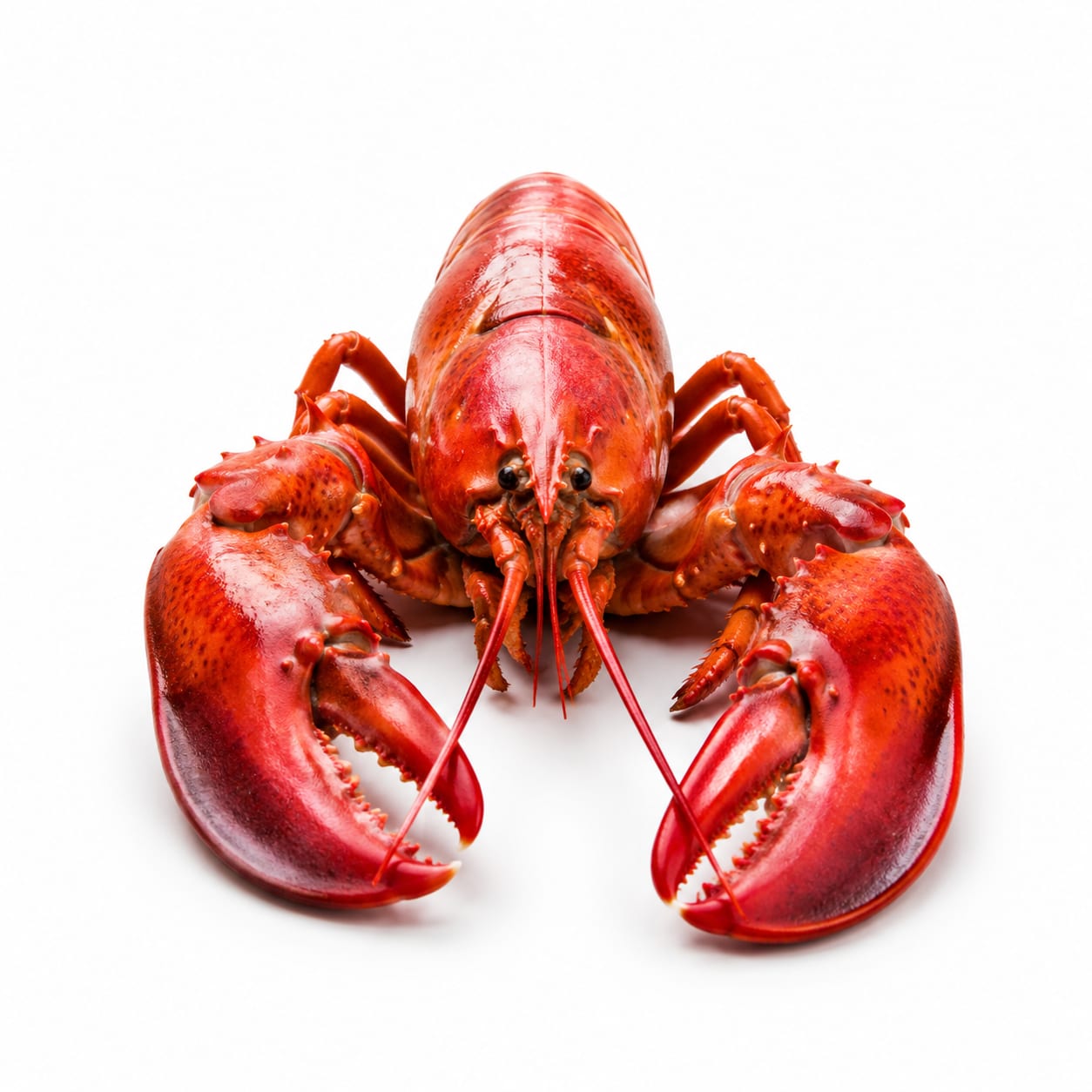
Lobster
.jpg)
Steak (Sirloin)
Lobster wins for lean protein and heart health, sirloin wins for satiety, iron, and everyday practicality.
Lobster scores slightly higher due to its lean fat profile and superior micronutrient density per calorie, but sirloin remains competitive through better satiety, iron content, and real-world practicality. The close scores reflect that neither is universally better.
You choose between lobster's ultra-lean profile with ocean contaminant risks versus sirloin's superior fullness and iron but higher saturated fat and red meat health concerns.
At a glance
Executive summary
Overall
It depends
Healthier
Lobster
More practical
Steak (Sirloin)
Daily use
Steak (Sirloin)
Key comparison lenses
heart health and cholesterol
Lobster is very lean with minimal saturated fat, while sirloin carries significantly more saturated fat, making cardiovascular impact the central tradeoff
protein quality for muscle
Both are premium protein sources but differ in amino acid profiles, fat content, and how they support recovery and satiety
contaminant and safety concerns
Lobster carries heavy metal and microplastic risks from ocean contamination, while sirloin carries red meat cancer risk and antibiotic exposure concerns
everyday practicality and cost
Lobster is expensive and occasion-based, sirloin is relatively accessible for regular meals, making lifestyle fit a key decision factor
weight management and calorie density
Lobster is extremely low in calories and fat, sirloin is more calorie-dense and filling, creating a clear tradeoff for different diet goals
Best choice for
Lobster
- People managing cholesterol or heart disease risk
- Anyone counting calories who wants high protein with minimal fat
- Pescatarian-leaning eaters avoiding red meat
- Special occasion meals where lean indulgence matters
Steak (Sirloin)
- Active individuals needing sustained energy and fullness
- Anyone with iron deficiency or higher iron needs
- Budget-conscious households wanting premium protein regularly
- People who find lean meats unsatisfying and end up overeating later
Least suitable for
Lobster
- People with shellfish allergies
- Those concerned about ocean contaminants and heavy metals
- Budget-limited households needing regular protein sources
- Anyone needing high satiety from a single meal
Steak (Sirloin)
- People with diagnosed heart disease or high LDL cholesterol
- Those reducing red meat intake for colorectal cancer prevention
- Vegetarian-leaning or plant-forward eaters
- Anyone strictly monitoring saturated fat intake
Deep comparison
Dimension by dimension
Each lens scores both foods and breaks down who each option suits.
- Dimension 1 · Priority 92Lobster
heart_health_and_fat_profile
Lobster · 88Steak (Sirloin) · 52Lobster delivers high protein with almost no saturated fat, while sirloin provides protein bundled with significant saturated fat that raises LDL cholesterol.
Tradeoff
Lobster's heart-friendly profile comes with naturally high dietary cholesterol, though this impacts blood cholesterol far less than saturated fat for most people.
Why it matters
Saturated fat is the stronger driver of elevated LDL cholesterol compared to dietary cholesterol, making lobster the safer bet for cardiovascular health.
Real-world impact
Choosing lobster over sirloin for your protein source means less arterial plaque risk over the years, especially if heart disease runs in your family.
Lobster
- Lowering LDL cholesterol
- Reducing saturated fat intake
- Managing triglycerides when prepared without butter
Better for
- People who drown lobster in butter, negating the lean advantage
Worse for
Steak (Sirloin)
- Sustained energy from fat content
- Feeling satisfied longer after eating
Better for
- Raising LDL cholesterol with regular consumption
- Contributing to arterial stiffness over time with frequent intake
Worse for
- Dimension 2 · Priority 85Steak (Sirloin)
protein_and_muscle_support
Lobster · 75Steak (Sirloin) · 84Sirloin provides more protein per serving with higher creatine and taurine, while lobster offers lean protein but less total quantity per typical portion.
Tradeoff
Lobster's protein is extremely clean and low-fat, but sirloin delivers more total protein along with compounds that directly support muscle performance.
Why it matters
For active people and athletes, total protein amount and muscle-supporting compounds matter more than fat minimization.
Real-world impact
After a workout, a sirloin steak will fuel recovery more completely, while lobster leaves you reaching for additional food sooner.
Lobster
- Lean bulking where fat calories must stay minimal
- Cutting phases requiring high protein with near-zero fat
Better for
- Insufficient calories for hard-training athletes eating lobster alone
Worse for
Steak (Sirloin)
- Post-workout recovery
- Building and maintaining muscle mass
- Athletes needing sustained amino acid availability
Better for
- Extra saturated fat calories that may not fit strict macro plans
Worse for
- Dimension 3 · Priority 82Lobster
micronutrient_density
Lobster · 86Steak (Sirloin) · 74Lobster packs more selenium, copper, and vitamin B12 per calorie, while sirloin dominates in heme iron and zinc, which many people actually lack.
Tradeoff
Lobster wins on nutrient density per calorie, but sirloin provides the specific micronutrients most commonly deficient in everyday diets.
Why it matters
Iron deficiency is the world's most common nutrient shortfall, and sirloin's heme iron is the most absorbable form available.
Real-world impact
If you're tired and pale, sirloin may fix the problem faster. If you're already iron-sufficient, lobster gives you more total micronutrient bang per bite.
Lobster
- Selenium for thyroid and antioxidant defense
- Copper for energy production and iron metabolism
- B12 for nerve health in a very lean package
Better for
- Does not address iron deficiency, the most common mineral shortfall
Worse for
Steak (Sirloin)
- Heme iron for reversing or preventing anemia
- Zinc for immune function and wound healing
- B6 for energy metabolism alongside B12
Better for
- Fewer total micronutrients per calorie consumed
Worse for
- Dimension 4 · Priority 78Steak (Sirloin)
satiety_and_fullness
Lobster · 55Steak (Sirloin) · 82Sirloin's fat content slows digestion and keeps you full for hours, while lobster's leanness means hunger returns sooner despite adequate protein.
Tradeoff
The same fat that makes sirloin more filling also adds calories and heart health concerns that lobster avoids entirely.
Why it matters
Meals that leave you hungry lead to snacking and overeating later, potentially negating the benefits of choosing a leaner protein.
Real-world impact
A lobster dinner might have you raiding the fridge two hours later, while a sirloin steak keeps you satisfied until morning.
Lobster
- Light eaters who prefer smaller, less heavy meals
- Hot weather dining when heavy food feels unappealing
Better for
- Likely to need side dishes or snacks to stay full
- May trigger overeating later if eaten as a standalone meal
Worse for
Steak (Sirloin)
- Preventing late-night snacking
- One-meal days where a single dish must carry you
- Busy people who cannot eat again for 5-6 hours
Better for
- Heavy feeling that some people find uncomfortable
- Can cause sluggishness if eaten before physical activity
Worse for
- Dimension 5 · Priority 80It depends
contaminant_and_safety_risks
Lobster · 58Steak (Sirloin) · 62Lobster carries ocean-sourced heavy metals and microplastics, while sirloin carries red meat cancer risk and potential antibiotic residues.
Tradeoff
Both carry real but different risks: lobster exposes you to environmental ocean contaminants, sirloin to cumulative disease risk from regular red meat consumption.
Why it matters
Frequent consumption amplifies both risk profiles, making moderation the key strategy for either choice.
Real-world impact
Eating lobster weekly means accumulating ocean contaminants over time. Eating sirloin daily means significantly increasing colorectal cancer risk over decades.
Lobster
- Lower cancer risk than red meat when consumed moderately
- No nitrates or preservatives in fresh lobster
Better for
- Mercury and cadmium accumulation with frequent consumption
- Microplastic ingestion from shellfish digestion
- Shellfish allergy risk, one of the most severe food allergies
Worse for
Steak (Sirloin)
- No heavy metal or microplastic accumulation risk
- Grass-fed options reduce antibiotic and pesticide exposure
Better for
- Colorectal cancer risk increases with regular red meat intake
- HCAs and PAHs form during high-heat cooking
- Antibiotic and hormone residues in conventionally raised beef
Worse for
- Dimension 6 · Priority 75Steak (Sirloin)
everyday_practicality_and_cost
Lobster · 35Steak (Sirloin) · 78Sirloin is available at any grocery store and reasonably priced for regular meals, while lobster is expensive, seasonal, and treated as a luxury.
Tradeoff
Lobster's premium status makes it a special-occasion food, not a practical protein staple, regardless of its nutritional advantages.
Why it matters
The healthiest food only matters if you can actually eat it regularly. Affordability and availability determine real-world dietary patterns.
Real-world impact
You can grill sirloin on a Tuesday without thinking about it. Lobster requires planning, budget, and usually a special trip.
Lobster
- Special occasions where indulgence matters
- Coastal areas where lobster is fresher and cheaper
Better for
- Prohibitively expensive for most households as a regular protein
- Limited availability in landlocked areas
- Requires live or frozen handling most home cooks find intimidating
Worse for
Steak (Sirloin)
- Weeknight dinners
- Meal prep and batch cooking
- Consistent weekly protein budgeting
Better for
- Less exciting for celebrations and special meals
- Can feel monotonous as a frequent protein rotation
Worse for
- Dimension 7 · Priority 72Lobster
inflammatory_potential
Lobster · 76Steak (Sirloin) · 58Lobster's omega-3 content and low saturated fat make it less inflammatory, while sirloin's saturated fat and arachidonic acid promote more inflammation.
Tradeoff
Lobster is gentler on inflammatory markers but loses this advantage entirely if served with drawn butter, which is standard at most restaurants.
Why it matters
Chronic inflammation drives joint pain, fatigue, and disease progression, making anti-inflammatory food choices cumulative over years.
Real-world impact
People with arthritis or autoimmune conditions may notice less joint stiffness after lobster compared to steak, assuming both are simply prepared.
Lobster
- Lower saturated fat reduces inflammatory signaling
- Contains some omega-3s that counter inflammation
- Better for chronic inflammatory conditions
Better for
- Restaurant butter service completely negates anti-inflammatory benefits
Worse for
Steak (Sirloin)
- Grass-fed sirloin has a better omega-3 to omega-6 ratio
- Zinc supports immune regulation
Better for
- Arachidonic acid promotes inflammatory pathways
- High saturated fat intake correlates with elevated inflammatory markers
- Grilling at high heat creates advanced glycation end products
Worse for
Timeline
Health impact over time
Short-term
Hours to days
Lobster
- Light, clean energy without post-meal sluggishness
- Quick protein absorption for muscle repair
- Possible digestive comfort issues if unused to shellfish
- Risk of allergic reaction in sensitive individuals
Steak (Sirloin)
- Deep satiety that lasts 4-6 hours
- Heavier digestion that may reduce physical energy temporarily
- Warming, grounding meal sensation especially in cold weather
- Possible heartburn if eaten in large portions or with rich sides
Long-term
Months to years
Lobster
- Cardiovascular benefit from consistent low saturated fat intake
- Potential heavy metal accumulation if consumed more than weekly
- Shellfish allergy can develop at any age, even after years of tolerance
- Selenium accumulation supports thyroid and antioxidant defenses
Steak (Sirloin)
- Colorectal cancer risk increases measurably with regular red meat consumption
- Iron stores remain robust, preventing anemia
- Saturated fat intake contributes to LDL cholesterol elevation over years
- Consistent satiety supports weight stability and reduced snacking
Risk profile
Safety & processing
Both lobster and sirloin are whole, minimally processed foods when purchased fresh. The main concerns come from how they are raised or harvested, not from additives. Farmed lobster may have antibiotic exposure, while conventionally raised sirloin may carry hormone and antibiotic residues. Grass-fed beef and wild-caught lobster minimize these concerns.
Lobster
Heavy metal contamination
mediumLobster can accumulate mercury and cadmium from ocean sediments, particularly in the tomalley. Moderate consumption keeps risk low.
Microplastic ingestion
mediumShellfish filter large volumes of seawater and retain microplastics, which are then consumed. This is an emerging concern with unclear long-term effects.
Shellfish allergy
highCrustacean allergies are among the most severe food allergies and can cause anaphylaxis. Reactions can develop suddenly even in people who previously tolerated lobster.
Foodborne illness from improper handling
mediumLobster must be kept alive until cooking or frozen immediately after death. Improperly stored lobster can cause serious bacterial illness.
Steak (Sirloin)
Colorectal cancer from regular consumption
mediumThe WHO classifies red meat as a Group 2A probable carcinogen. Risk scales with frequency, with daily consumption showing the strongest association.
Cooking carcinogen formation
mediumHigh-heat grilling or charring creates heterocyclic amines and polycyclic aromatic hydrocarbons, both linked to cancer risk.
Antibiotic and hormone residues
lowConventionally raised beef may contain antibiotic and hormone residues. Grass-fed and organic options significantly reduce this exposure.
Foodborne bacteria
mediumUndercooked ground beef carries E. coli risk, though whole cuts like sirloin are safer since bacteria primarily reside on the surface.
Who wins for whom
Audience fit
Same foods, different winners depending on your goal.
children
Steak (Sirloin)Sirloin provides heme iron and zinc critical for growth and development, and is more palatable and familiar to most children than shellfish.
daily consumption
Steak (Sirloin)Sirloin is affordable, accessible, and provides consistent satiety, though it should still be limited to a few times per week due to red meat health concerns.
diabetes
LobsterBoth have zero carbohydrates, but lobster's lower saturated fat content is better for the cardiovascular complications that commonly accompany diabetes.
elderly
LobsterLobster is easier to chew and digest, and its lean profile supports heart health which becomes increasingly important with age.
muscle gain
Steak (Sirloin)Sirloin delivers more total protein per serving along with creatine and taurine, and its fat content supports the caloric surplus needed for building muscle.
weight loss
LobsterLobster provides maximum protein with minimal calories and fat, making it easier to stay in a caloric deficit while preserving muscle.
Your move
Decision guide
Choose Lobster
- You are actively managing cholesterol or heart disease risk
- You want maximum protein with minimum calories and fat
- You are planning a special meal and want something lean but luxurious
- You have arthritis or inflammatory conditions and want a gentler protein
- You eat red meat frequently and want to diversify your protein sources
Choose Steak (Sirloin)
- You need long-lasting fullness from a single meal
- You are iron-deficient or have higher iron needs due to menstruation or pregnancy
- You want a practical, affordable protein for regular weeknight dinners
- You are an athlete needing sustained energy and muscle recovery support
- You find lean proteins unsatisfying and end up snacking afterward
Either works if
- You simply want high-quality complete protein and both fit your budget
- You rotate proteins throughout the week and neither dominates your diet
- You are cooking for a group with mixed dietary preferences and health needs
Avoid both if
- You have gout, as both are moderately high in purines
- You are following a plant-based or vegetarian diet
- You have severe kidney disease requiring protein restriction
- You are trying to minimize dietary cholesterol and purines simultaneously
Final recommendation
Eat lobster when heart health and leanness are your priority, and choose sirloin when satiety, iron, and everyday practicality matter more. Both are excellent proteins that shine in different contexts. The smartest approach is rotating between them rather than picking one exclusively. Limit sirloin to 2-3 times per week to manage red meat health risks, and enjoy lobster occasionally to avoid heavy metal accumulation. How you prepare them matters as much as the choice itself: skip the butter bath for lobster and avoid charring your steak.
Practical
Consumer tips
- 1
If you order lobster at a restaurant, ask for olive oil or lemon instead of drawn butter to preserve its lean advantage
- 2
Choose grass-fed sirloin when possible for a better omega-3 profile and lower antibiotic exposure
- 3
Limit lobster to a few times per month to minimize heavy metal and microplastic accumulation
- 4
Cook sirloin to medium rather than well-done to reduce carcinogen formation from high-heat cooking
- 5
Pair lobster with fiber-rich sides like roasted vegetables or quinoa to improve satiety without adding fat
- 6
If lobster is too expensive, shrimp offers a similar lean shellfish profile at a lower price point
- 7
Let sirloin rest after cooking for 5 minutes to retain juices, making a smaller portion feel more satisfying
- 8
Avoid the green tomalley in lobster as it concentrates heavy metals and contaminants