
Nutrition comparison
Lobster vs Chicken Breast: Nutrition, Protein, and Health Comparison
Compare lobster and chicken breast to see which lean protein is healthier. Discover the tradeoffs in cholesterol, sodium, cost, and muscle-building benefits.
Overall winner · Chicken Breast

Lobster
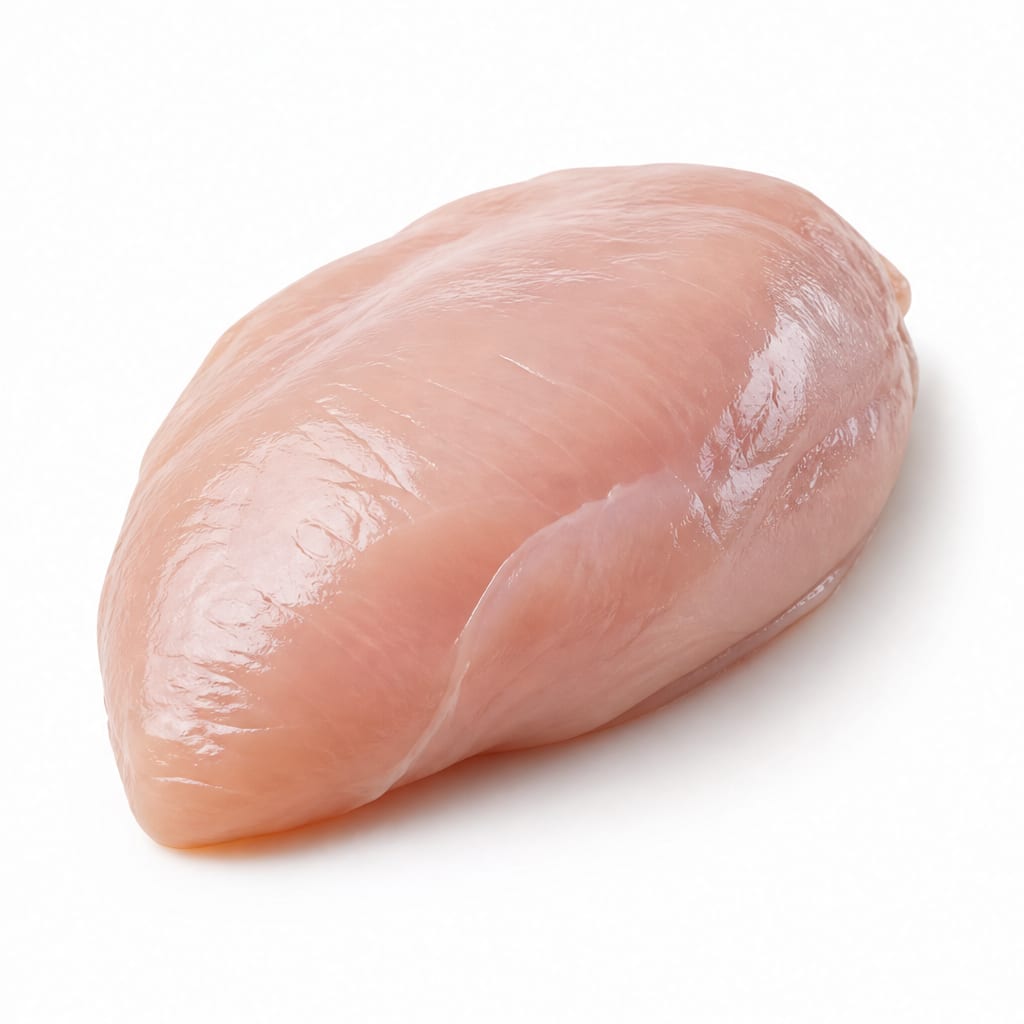
Chicken Breast
Chicken breast wins for everyday nutrition and value, while lobster is a luxurious treat with unique minerals but higher sodium and cholesterol.
Chicken breast scores higher due to its practicality, lower sodium, and affordability. Lobster is nutritious but held back by cost and cholesterol.
You trade everyday affordability and heart-healthiness for a decadent, mineral-rich dining experience.
At a glance
Executive summary
Overall
Chicken Breast
Healthier
Chicken Breast
More practical
Chicken Breast
Daily use
Chicken Breast
Key comparison lenses
Everyday lean protein vs luxury lean protein
Both are top-tier lean proteins, but their real-world use cases are drastically different due to cost and accessibility.
Heart health and sodium impact
Lobster is surprisingly high in sodium and cholesterol, while chicken breast is famously heart-friendly.
Budget and meal prep practicality
Chicken breast is a weekly staple, whereas lobster is a rare indulgence for most people.
Micronutrient uniqueness
Lobster offers exceptional B12 and zinc, providing mineral benefits chicken cannot match.
Best choice for
Lobster
- Special occasions
- Boosting B12 and zinc
- Seafood lovers wanting lean protein
Chicken Breast
- Weekly meal prep
- Budget-friendly muscle building
- Heart-healthy diets
Least suitable for
Lobster
- Daily meal prep
- Low-sodium diets
- Tight budgets
Chicken Breast
- Gourmet dining experiences
- Those seeking high zinc and copper
Deep comparison
Dimension by dimension
Each lens scores both foods and breaks down who each option suits.
- Dimension 1 · Priority 95Chicken Breast
Protein Quality & Satiety
Lobster · 85Chicken Breast · 92Both deliver excellent lean protein, but chicken breast offers slightly more protein per calorie and is far easier to eat in satisfying quantities.
Tradeoff
Lobster provides a unique amino acid profile but is too expensive to eat in the bulk needed for maximum satiety.
Why it matters
Getting enough protein without excess calories is key for body composition and staying full.
Real-world impact
A chicken breast keeps you full for hours after a standard lunch; lobster often comes in smaller portions alongside butter or carbs.
Lobster
- Adding variety to protein sources
- Pescatarian diets
Better for
- Getting enough protein on a budget
- Feeling full on a small portion
Worse for
Chicken Breast
- Eating a large filling portion
- Hitting high protein macros affordably
Better for
- Avoiding diet boredom
Worse for
- Dimension 2 · Priority 85Chicken Breast
Heart Health & Lipid Profile
Lobster · 55Chicken Breast · 90Chicken breast is very low in sodium and cholesterol, making it heart-friendly. Lobster is naturally high in both.
Tradeoff
Lobster's rich seafood profile comes with a heavy sodium and cholesterol load that chicken breast completely avoids.
Why it matters
High sodium and cholesterol intake can raise blood pressure and cardiovascular risk over time.
Real-world impact
Eating lobster regularly could easily push you over your daily sodium limit, while chicken breast poses no such risk.
Lobster
- Those without blood pressure concerns eating it rarely
Better for
- Low-sodium diets
- Watching heart health markers
Worse for
Chicken Breast
- Managing hypertension
- Keeping cholesterol in check
Better for
- Those needing extra dietary sodium (very rare)
Worse for
- Dimension 3 · Priority 70Lobster
Micronutrient Density
Lobster · 88Chicken Breast · 75Lobster is packed with vitamin B12, zinc, copper, and selenium. Chicken breast offers great B6 and niacin but lacks the mineral density of lobster.
Tradeoff
You get a superior mineral boost from lobster, but you have to navigate the high sodium to get it.
Why it matters
B12 and zinc are crucial for energy and immune function, and lobster delivers them in spades.
Real-world impact
A serving of lobster can cover your entire B12 needs for the day, giving a noticeable energy support.
Lobster
- Correcting B12 or zinc deficiencies
- Supporting immune health
Better for
- Those watching copper intake
Worse for
Chicken Breast
- Sustained B-vitamin intake for daily energy
Better for
- Getting enough dietary zinc without supplements
Worse for
- Dimension 4 · Priority 90Chicken Breast
Cost & Everyday Practicality
Lobster · 20Chicken Breast · 95Chicken breast is one of the most affordable, versatile proteins available. Lobster is a luxury item with a steep price tag.
Tradeoff
Lobster demands high spending and careful cooking, while chicken breast is cheap and forgiving.
Why it matters
A healthy diet must be sustainable, and affordability is the biggest factor in long-term consistency.
Real-world impact
You can meal prep chicken breast for the whole week without financial stress; lobster is a rare splurge.
Lobster
- Celebratory dinners
- Impressing guests
Better for
- Budget constraints
- Quick weeknight cooking
Worse for
Chicken Breast
- Weekly grocery runs
- Feeding a family on a budget
Better for
- Creating a luxury dining experience
Worse for
- Dimension 5 · Priority 75It depends
Contaminant & Safety Profile
Lobster · 70Chicken Breast · 70Lobster carries risks of heavy metals and ocean-borne bacteria, while chicken carries risks of salmonella and antibiotic residues.
Tradeoff
You choose between ocean contamination risks and land-animal farming risks.
Why it matters
Both require proper sourcing and cooking to be eaten safely.
Real-world impact
Undercooked chicken causes acute food poisoning, while frequent lobster consumption could lead to heavy metal accumulation.
Lobster
- Sourcing from clean, cold waters
Better for
- Frequent consumption risking heavy metal buildup
Worse for
Chicken Breast
- Buying organic or antibiotic-free poultry
Better for
- Handling raw chicken carelessly
Worse for
Timeline
Health impact over time
Short-term
Hours to days
Lobster
- High sodium may cause bloating or thirst
- Rich taste can lead to overeating if paired with butter
Chicken Breast
- Highly satiating with minimal bloating
- Steady energy without crashes
Long-term
Months to years
Lobster
- Potential cardiovascular strain if eaten too often due to cholesterol
- Excellent immune support from zinc and selenium
Chicken Breast
- Supports lean muscle mass maintenance
- Promotes heart health due to low fat and sodium
Risk profile
Safety & processing
Both are whole, single-ingredient foods in their natural state. Neither contains artificial additives unless pre-cooked or frozen with preservatives.
Lobster
Heavy metal accumulation
mediumAs bottom-feeders, lobsters can accumulate mercury and other ocean toxins, though generally less than large fish.
Vibrio bacteria
mediumRaw or undercooked lobster can harbor vibrio, causing severe food poisoning.
Chicken Breast
Salmonella contamination
highRaw chicken is a common carrier of salmonella, requiring strict kitchen hygiene.
Antibiotic residues
mediumConventionally raised chicken may contain traces of antibiotics used in farming.
Who wins for whom
Audience fit
Same foods, different winners depending on your goal.
children
Chicken BreastChicken is safer, easier to chew, and lacks the high sodium and potential allergen concerns of shellfish.
daily consumption
Chicken BreastAffordable, versatile, and heart-healthy, chicken breast is the ultimate daily staple.
diabetes
Chicken BreastBoth have zero carbs, but chicken breast has a much better lipid and sodium profile for managing diabetic heart risks.
elderly
Chicken BreastLower sodium and cholesterol make chicken breast much safer for aging cardiovascular systems.
muscle gain
Chicken BreastChicken breast provides more protein per dollar, making it realistic to eat the large quantities needed for muscle growth.
weight loss
Chicken BreastChicken breast is lower in sodium, cheaper to buy in bulk, and easier to portion control for daily calorie deficits.
Your move
Decision guide
Choose Lobster
- You are celebrating a special occasion
- You need a boost in B12, zinc, or copper
- You are bored of land-based proteins and want a treat
Choose Chicken Breast
- You are meal prepping for the week
- You are watching your blood pressure or cholesterol
- You need a reliable, affordable protein source
Either works if
- You want a zero-carb, high-protein main course
- You are focusing on whole, unprocessed foods
Avoid both if
- You are following a strict plant-based or vegan diet
- You have severe gout and are sensitive to purines (both contain moderate levels)
Final recommendation
Keep chicken breast as your daily protein workhorse for its affordability and heart-health benefits. Enjoy lobster as an occasional luxurious treat to take advantage of its unique mineral benefits without overdoing the sodium and cholesterol.
Practical
Consumer tips
- 1
When buying lobster, look for cold-water varieties for the cleanest taste and lowest toxin risk.
- 2
Skip the melted butter with lobster to keep it a truly lean protein; try lemon and herbs instead.
- 3
Buy chicken breast in bulk and freeze portions to save money and always have healthy protein ready.
- 4
Use a meat thermometer for chicken to ensure it hits 165°F without drying out.