
Nutrition comparison
Lobster vs Scallops: Which Shellfish Is Healthier for You?
Compare lobster and scallops on protein, cholesterol, mercury, calories, and everyday practicality. Find out which shellfish fits your health goals and dinner plans.
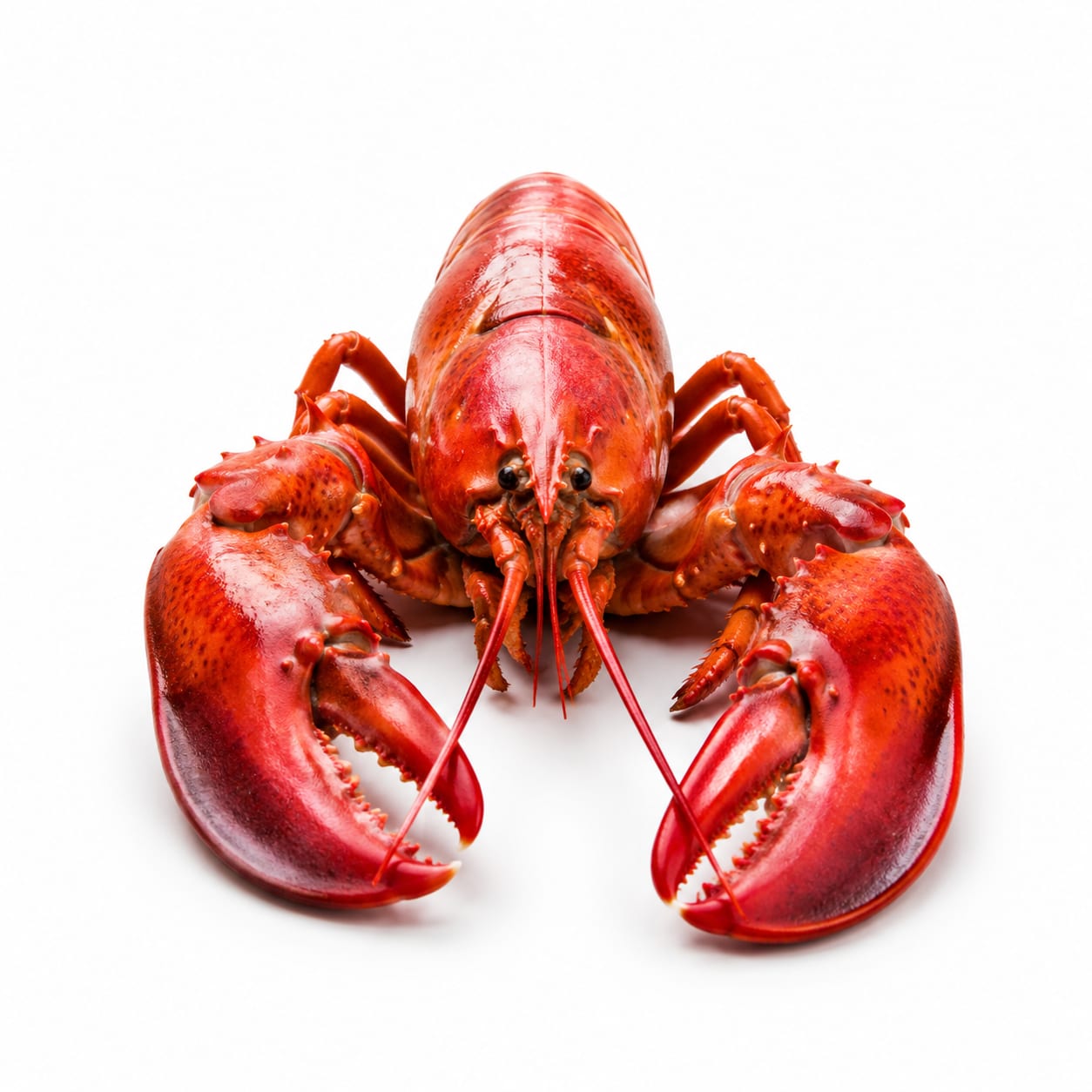
Lobster
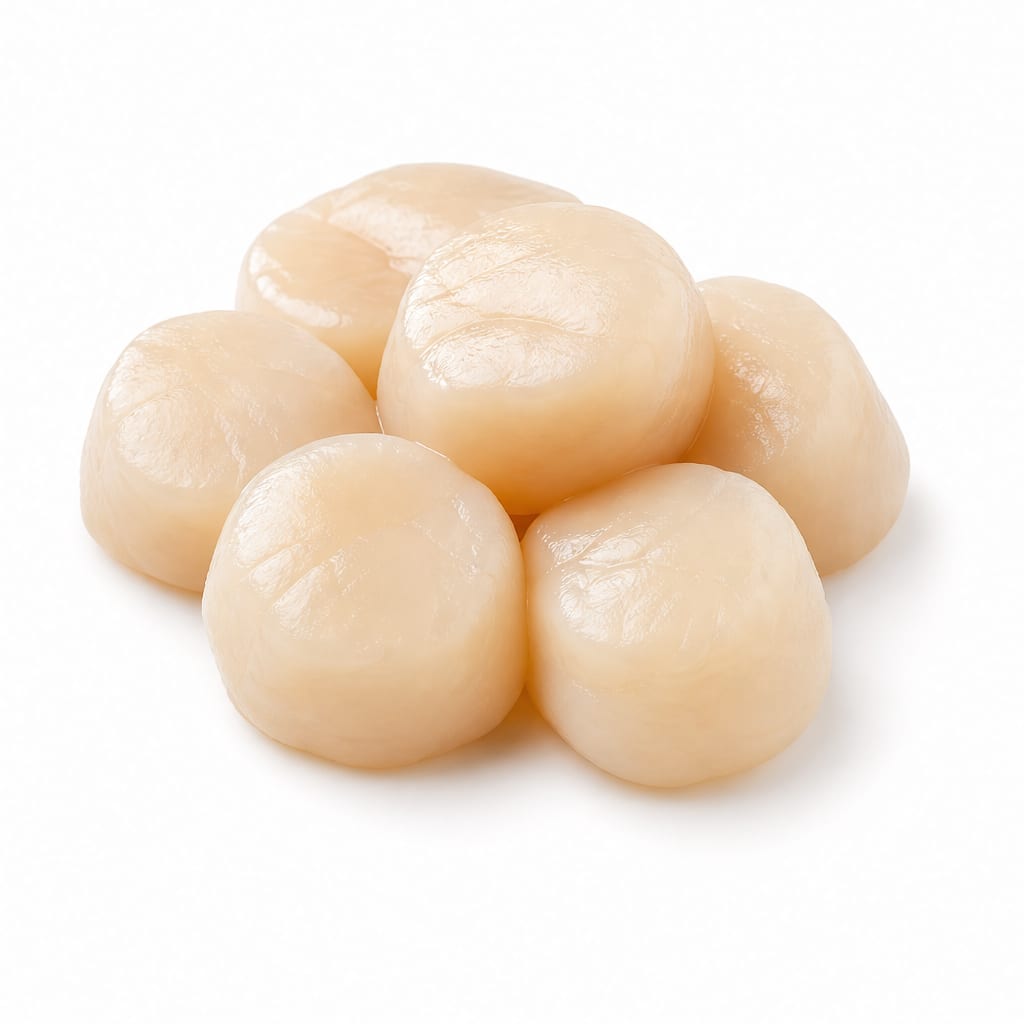
Scallops
Scallops win for everyday lean eating and heart health; lobster delivers more protein and minerals but carries higher cholesterol and sodium baggage.
Scallops score higher due to lower cholesterol, fewer calories, better everyday practicality, and lower contaminant risk. Lobster remains excellent but its sodium load, higher cholesterol, and cost limit regular use.
Lobster offers more protein and micronutrients per bite, while scallops provide a lighter, lower-cholesterol, more affordable option you can eat more often.
At a glance
Executive summary
Overall
It depends
Healthier
Scallops
More practical
Scallops
Daily use
Scallops
Key comparison lenses
lean protein selection for seafood lovers
Both are premium shellfish chosen primarily as high-quality protein sources, so protein content and leanness matter most
heart-healthy seafood choice
Cholesterol and sodium differences between these shellfish significantly impact cardiovascular decisions
mercury and contaminant safety
Both are ocean shellfish with different contamination profiles that concern health-conscious consumers
special occasion vs everyday protein
Price and practicality differ dramatically, affecting how often each can realistically be eaten
weight management and calorie control
Both are low-calorie proteins but scallops are significantly leaner, relevant for fat-loss goals
Best choice for
Lobster
- Maximum protein intake per serving
- Special occasion indulgence
- Zinc and selenium boosting
- Those who find scallops too bland
Scallops
- Weeknight lean dinners
- Cholesterol-conscious eaters
- Calorie counters wanting volume
- Frequent seafood consumption
Least suitable for
Lobster
- Daily meal planning on a budget
- Strict low-sodium diets
- Severe cholesterol management
- Quick weeknight cooking
Scallops
- Those needing high mineral density
- People wanting maximum satiety from protein
- Diners seeking a luxurious experience
Deep comparison
Dimension by dimension
Each lens scores both foods and breaks down who each option suits.
- Dimension 1 · Priority 93Lobster
Protein Quality and Content
Lobster · 88Scallops · 79Lobster delivers more protein per serving with slightly higher leucine content, making it marginally better for muscle maintenance and satiety.
Tradeoff
You get more protein from lobster but with more cholesterol and sodium attached to that serving.
Why it matters
Higher protein per meal means better fullness and muscle support, especially important for active people or older adults.
Real-world impact
A lobster tail keeps you fuller longer than an equivalent portion of scallops, but you may feel heavier afterward.
Lobster
- Post-workout recovery meals
- Older adults preserving muscle mass
- Anyone needing maximum satiety
Better for
- Those watching cholesterol closely
Worse for
Scallops
- Lighter protein after a heavy training day
- Smaller appetites wanting quality over quantity
Better for
- Very active people needing higher protein volume
Worse for
- Dimension 2 · Priority 90Scallops
Heart Health Profile
Lobster · 58Scallops · 82Scallops are significantly lower in cholesterol and sodium, making them the clearer heart-healthy choice between the two.
Tradeoff
Lobster's higher cholesterol and sodium undermine its omega-3 benefits, while scallops keep your cardiovascular load lighter.
Why it matters
For anyone with borderline cholesterol or blood pressure, these differences compound over repeated meals.
Real-world impact
Eating scallops twice a week feels responsible; eating lobster twice a week may concern your doctor.
Lobster
- Healthy individuals with no lipid concerns
- Occasional indulgence meals
Better for
- People with high LDL cholesterol
- Sodium-sensitive individuals
Worse for
Scallops
- Cholesterol-conscious eaters
- Blood pressure management
- Frequent seafood meals
Better for
- No significant heart health downside
Worse for
- Dimension 3 · Priority 85Scallops
Calorie Density and Weight Management
Lobster · 72Scallops · 90Scallops are remarkably lean with fewer calories per ounce, making them ideal for fat-loss phases where food volume matters.
Tradeoff
Lobster is still low-calorie compared to most proteins, but scallops let you eat more volume for the same calories.
Why it matters
When cutting calories, every bite of volume helps with satisfaction and adherence.
Real-world impact
You can eat a generous plate of seared scallops and feel light; lobster portions feel smaller for the same calories.
Lobster
- Those not actively counting calories
Better for
- Strict calorie restrictors
Worse for
Scallops
- Fat-loss diets needing volume
- Anyone tracking macros precisely
- Light dinner preferences
Better for
- Those wanting calorie density for weight gain
Worse for
- Dimension 4 · Priority 83Scallops
Contaminant and Mercury Safety
Lobster · 65Scallops · 78Scallops generally carry lower mercury levels than lobster, which accumulates more heavy metals over its longer lifespan and bottom-dwelling habits.
Tradeoff
Neither is a high-mercury fish like tuna, but lobster's longer life and seafloor diet increase exposure risk modestly.
Why it matters
Frequent seafood eaters need to manage cumulative mercury intake, especially pregnant women and children.
Real-world impact
Scallops can be eaten more frequently without worrying about heavy metal accumulation; lobster should be enjoyed more moderately.
Lobster
- Occasional diners not worried about cumulative exposure
Better for
- Pregnant women limiting mercury
- Those eating seafood 4+ times weekly
Worse for
Scallops
- Pregnant women choosing safer seafood
- Frequent shellfish consumers
- Children's seafood introduction
Better for
- No significant contaminant downside
Worse for
- Dimension 5 · Priority 80Scallops
Practicality and Everyday Usability
Lobster · 45Scallops · 82Scallops cook in minutes, cost less, and integrate easily into weeknight meals. Lobster requires more effort, expense, and planning.
Tradeoff
Lobster feels like an event; scallops feel like a smart Tuesday dinner.
Why it matters
The best protein is the one you actually cook and eat regularly, not the one reserved for birthdays.
Real-world impact
Seared scallops take 4 minutes and pair with any vegetable. Lobster demands boiling, cracking, and butter-melting.
Lobster
- Celebratory dinners
- Impressing guests
Better for
- Anyone short on time
- Regular rotation meal planning
Worse for
Scallops
- Busy weeknight meals
- Meal prep scenarios
- Budget-conscious seafood lovers
Better for
- No significant practicality downside
Worse for
- Dimension 6 · Priority 75Lobster
Micronutrient Density
Lobster · 84Scallops · 71Lobster packs more zinc, selenium, and B12 per serving, giving it an edge for immune support and energy metabolism.
Tradeoff
Those extra minerals come with the cholesterol and sodium tradeoff already noted.
Why it matters
Zinc and selenium support immunity and thyroid function, especially valuable during high-stress periods.
Real-world impact
A lobster dinner gives you a meaningful mineral boost; scallops contribute but less impressively.
Lobster
- Immune system support
- Zinc-deficient individuals
- Recovery from illness
Better for
- Those getting minerals from supplements already
Worse for
Scallops
- Adequate mineral intake from other sources
Better for
- People relying on seafood as a primary mineral source
Worse for
Timeline
Health impact over time
Short-term
Hours to days
Lobster
- Heavy, satisfying fullness after eating due to higher protein density
- Potential bloating if served with drawn butter
- Sodium spike may cause thirst or mild water retention
Scallops
- Light, clean energy after eating without heaviness
- Quick digestion making them suitable for pre-event meals
- Minimal post-meal sluggishness
Long-term
Months to years
Lobster
- Excellent protein and mineral support with regular consumption
- Cholesterol accumulation concern if eaten frequently
- Higher cumulative mercury exposure than scallops with regular intake
Scallops
- Lean protein supporting healthy body composition long-term
- Lower cardiovascular risk profile with frequent consumption
- Sustainable seafood choice with lower heavy metal accumulation
Risk profile
Safety & processing
Both are whole, natural shellfish. However, many commercially available scallops are treated with sodium tripolyphosphate (STPP) to retain moisture, which adds sodium and alters texture. Lobster is typically sold live or frozen without additives. Always check scallop labels for 'dry pack' to avoid STPP-treated products.
Lobster
Mercury and heavy metals
mediumLobster accumulates moderate mercury and cadmium from bottom-feeding. Not dangerous occasionally, but concerning with frequent consumption.
Bacterial contamination from improper handling
mediumLobster must be cooked alive or very freshly killed. Improper storage leads to rapid bacterial growth and potential foodborne illness.
High sodium from cooking method
mediumBoiling lobster in salted water or serving with butter significantly increases sodium intake beyond the natural content.
Scallops
Sodium tripolyphosphate additive
lowWet-packed scallops often contain STPP, adding sodium and creating a mushy texture when cooked. Choose dry-pack scallops to avoid this.
Vibrio contamination in raw preparations
mediumRaw or undercooked scallops can harbor Vibrio bacteria, especially in warm-water harvests. Cook thoroughly to eliminate risk.
Allergen cross-reactivity
lowShellfish allergies may trigger with scallops. Those allergic to lobster should approach scallops with equal caution.
Who wins for whom
Audience fit
Same foods, different winners depending on your goal.
children
ScallopsLower mercury levels and softer texture make scallops a safer and more kid-friendly introduction to shellfish.
daily consumption
ScallopsAffordability, lower contaminant risk, and lighter nutritional profile make scallops sustainable as a regular protein source.
diabetes
ScallopsBoth are carb-free and diabetes-friendly, but scallops' lower cholesterol and sodium make them safer for the cardiovascular risks diabetics face.
elderly
ScallopsScallops are easier to chew, gentler on the digestive system, and carry less cardiovascular burden for aging hearts.
muscle gain
LobsterLobster provides more protein per serving with higher leucine content, supporting muscle protein synthesis more effectively.
weight loss
ScallopsScallops offer more food volume per calorie and virtually zero carbohydrate, making them ideal for calorie-controlled diets.
Your move
Decision guide
Choose Lobster
- You want a protein-packed special occasion meal
- Zinc and selenium intake is a priority
- Maximum satiety from your seafood matters
- Budget is not a constraint and you want the indulgence
Choose Scallops
- You eat shellfish more than once a week
- Heart health and cholesterol are active concerns
- You want quick weeknight meals with minimal prep
- You are managing calories but want satisfying protein
Either works if
- You have no specific health restrictions and just want quality lean seafood
- You are rotating protein sources for dietary variety
- You are cooking for someone with no cholesterol or sodium concerns
Avoid both if
- You have a diagnosed shellfish allergy
- You are following a strict low-purine diet for gout management
- Your doctor has advised against all shellfish due to cardiovascular risk
Final recommendation
Make scallops your everyday shellfish and lobster your celebration protein. Scallops give you lean, heart-friendly protein you can eat twice a week without worry. Lobster delivers a richer mineral and protein punch but is best enjoyed monthly rather than weekly due to cholesterol, sodium, and cost. If forced to pick one for regular health: scallops. If choosing for a memorable dinner: lobster.
Practical
Consumer tips
- 1
Buy 'dry pack' scallops to avoid STPP additives — they sear better and contain less sodium
- 2
Avoid pre-boiled lobster; cooking live or buying frozen tails preserves texture and nutrient quality
- 3
Skip the drawn butter with lobster — a lemon-herb finish saves hundreds of calories and grams of fat
- 4
Pat scallops completely dry before searing to achieve a golden crust instead of steaming
- 5
Limit lobster to 1-2 times per month if you are monitoring cholesterol or mercury exposure
- 6
Freeze scallops on a sheet pan before bagging to prevent clumping and preserve individual portions