
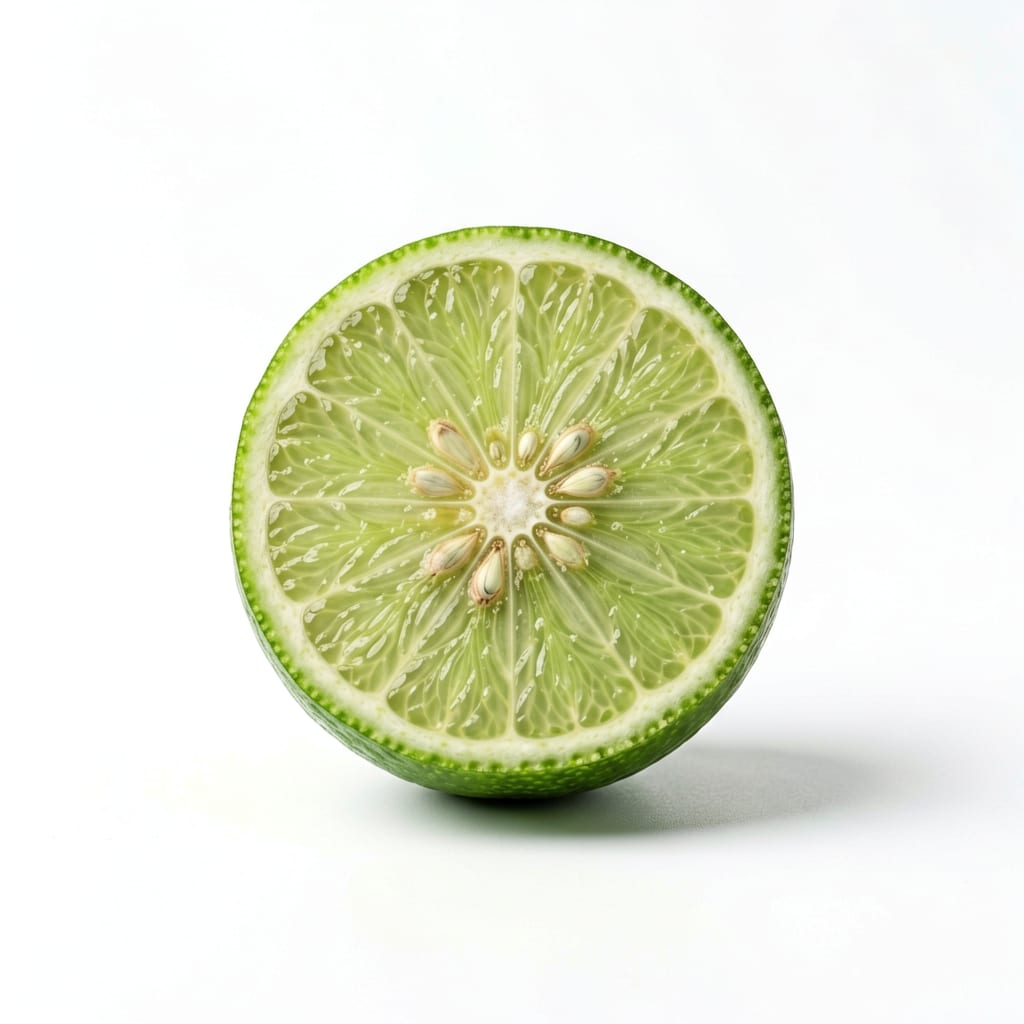
Citrus Fruit
Lime
A tart, low-calorie citrus fruit commonly used for flavoring food and beverages.
A small, green citrus fruit with a tart, acidic flavor, widely used for its juice, zest, and aromatic oils in culinary and beverage applications.
low-calorie flavor enhancer and vitamin C source
Typical serving · 67g
Common varieties · Persian Lime, Key Lime, Kaffir Lime, Desert Lime, Finger Lime
Overall context score across nutrition, safety, and diet fit
At a glance
Quick facts
Simple indicators based on nutrition, processing, and diet fit.
The story
What makes it unique
Limes are fast-digesting, low-energy citrus fruits primarily composed of water and simple carbohydrates, with minimal protein and fat. Their high acid and fiber content slows gastric emptying slightly, but overall satiety is limited by low caloric density. As a minimally processed whole food, they retain their full matrix of vitamins, flavonoids, and essential oils.
Varieties: Persian Lime · Key Lime · Kaffir Lime · Desert Lime · Finger Lime
Per 100g
Nutrition breakdown
Macro balance and key metrics at a glance.
Energy
Density 0.30 kcal/g
Protein
Carbs
Fat
Fiber
Sugar
1.7 g
Sodium
2 mg
Potassium
102 mg
Glycemic index
25
Glycemic load
2
Water content
88%
Standout compounds
Nutrient highlights
Vitamin C
highSupports immune function and collagen synthesis
Limonene
moderateProvides antioxidant and potential anti-inflammatory effects
Dietary Fiber
moderatePromotes digestive regularity and gut health
Potassium
lowHelps regulate blood pressure and fluid balance
Wellness map
Health scores & processing
NOVA processing scale
Minimally Processed · Whole food
Whole, raw fruit with no added ingredients or industrial processing.
Diet compatibility
- Weight loss
- Muscle gain
- Diabetes
- Gut health
- Low carb
- High protein
- Heart health
Relative standing
Food rankings
Qualitative ranks compared to similar whole foods.
- Satietygood
- Blood sugarexcellent
- Nutrient densitygood
- Fitness fuelmoderate
- Processing qualityexcellent
Eat with confidence
Food safety profile
Lime flesh is very safe, but the peel can retain agricultural chemicals. Choose organic or wash thoroughly if consuming the zest.
Evidence confidence 90%
- Pesticidesmoderate
- Antibioticslow
- Heavy metalslow
- Contaminationlow
Watch for
- Pesticide residues on peel
- Citrus canker
Safer choices
Organic limes for zesting
Prep tips
Scrub firmly under running water if using the peel; rinse even if only juicing to avoid cross-contamination from the rind.
Peel pesticide residues are a concern for zesting; washing is recommended.
Deep dive
Health analysis
How this food may fit different goals and preparation choices.
Weight loss
Extremely low energy density and strong flavor allow generous use to enhance food palatability without adding significant calories.
Blood sugar
Very low glycemic load makes it highly suitable for blood sugar management, as typical servings contribute negligible carbohydrates.
Fitness & energy
Not a direct fuel source due to low calories and carbs, but excellent for flavoring hydration fluids post-workout.
Gut health
Contains pectin fiber which supports gut motility and microbiome health, though typical juice servings provide minimal fiber.
Processing quality
A whole, unprocessed plant food with an intact nutritional matrix.
Food safety
Flesh is safe; primary concern is pesticide residue on the peel, especially if zesting.
Common mistakes
Assuming lime juice offers the same fiber and full vitamin content as the whole fruit including the pith and peel.
Best preparation
Juicing for marinades and beverages, zesting for essential oils and flavor, or slicing for water infusion.
Practical guide
Best use cases
When and how this food fits real eating patterns.
Flavoring water
Squeezing lime into water makes hydration more appealing without adding calories or sugar.
Low-sodium seasoning
Lime juice provides a bright, acidic flavor that reduces the need for salt in cooking.
Marinades
The acid helps tenderize proteins while adding flavor to meats and vegetables.
Keto diet garnish
Adds fresh citrus flavor to dishes and drinks while keeping carbohydrate intake minimal.
Balance sheet
Pros & cons
Upsides
- Very low in calories and sugar
- Strong flavor enhances food without sodium
- Very low glycemic impact
- High in vitamin C per calorie
- Provides beneficial plant compounds like limonene
Trade-offs
- Rarely eaten in large quantities, limiting nutrient intake
- Juice lacks the fiber of the whole fruit
- High acidity can trigger acid reflux or erode tooth enamel
- Peel can harbor pesticide residues
Fit check
Who is it for?
Great match
- flavoring low-carb meals
- reducing sodium intake
- diabetic-friendly diets
- hydration enhancement
Consider alternatives
- those with severe GERD or acid reflux
- high-volume calorie loading
- people with citrus allergies
Side by side
How it compares
Open the full head-to-head analysis for nutrition, safety, and practical tradeoffs.
This food
Lime
VS95% alike
Compare with
Lemon
Lemons offer slightly more vitamin C, while limes provide a more bitter, tropical flavor profile.
Lemons provide slightly more vitamin C, while limes offer a distinct tart flavor for low-calorie seasoning.
This food
Lime
VS80% alike
Compare with
Orange
Oranges are sweeter and higher in vitamin C and sugar, while limes are drastically lower in calories and carbs.
Oranges provide more potassium and workout fuel, while limes are lower in sugar and better for strict low-carb diets.
This food
Lime
VS75% alike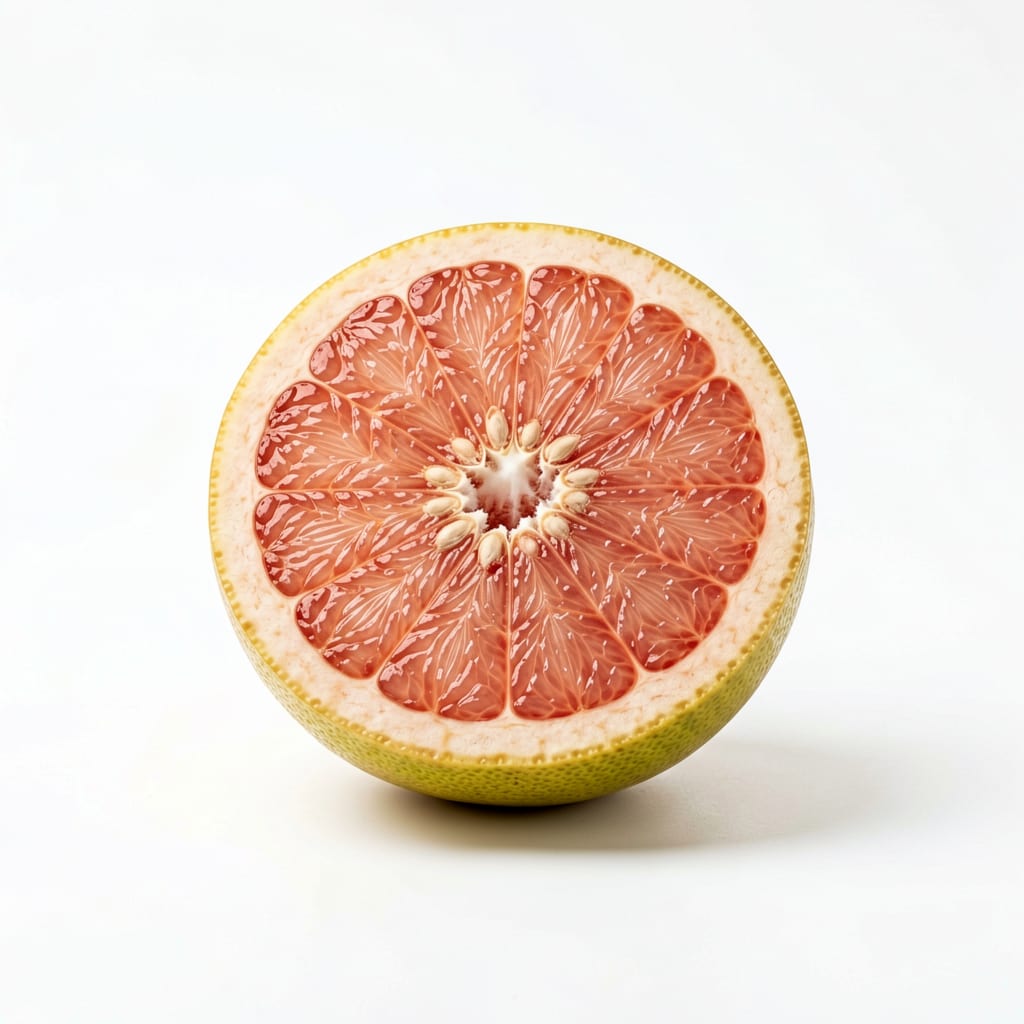
Compare with
Grapefruit
Grapefruit is larger and more filling per serving, while limes are lower in sugar and used primarily for flavoring.
Grapefruit offers more fiber and volume for satiety, while limes provide zero-guilt flavor enhancement.
This food
Lime
VS98% alike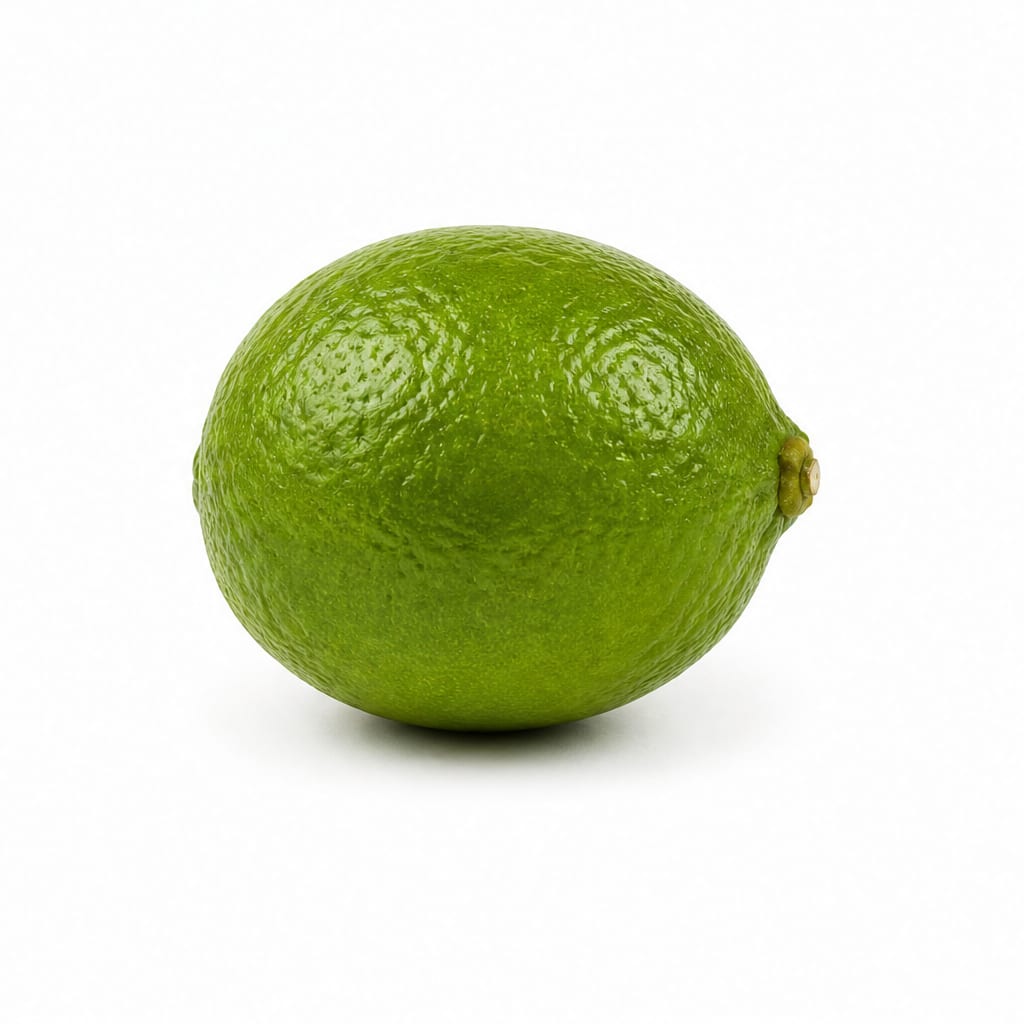
Compare with
Key Lime
Key limes are more aromatic and tart than standard Persian limes, but nutritionally they are nearly identical.
Key limes and standard limes are nutritionally identical, though key limes offer a slightly more floral, tart flavor.
This food
Lime
VS85% alike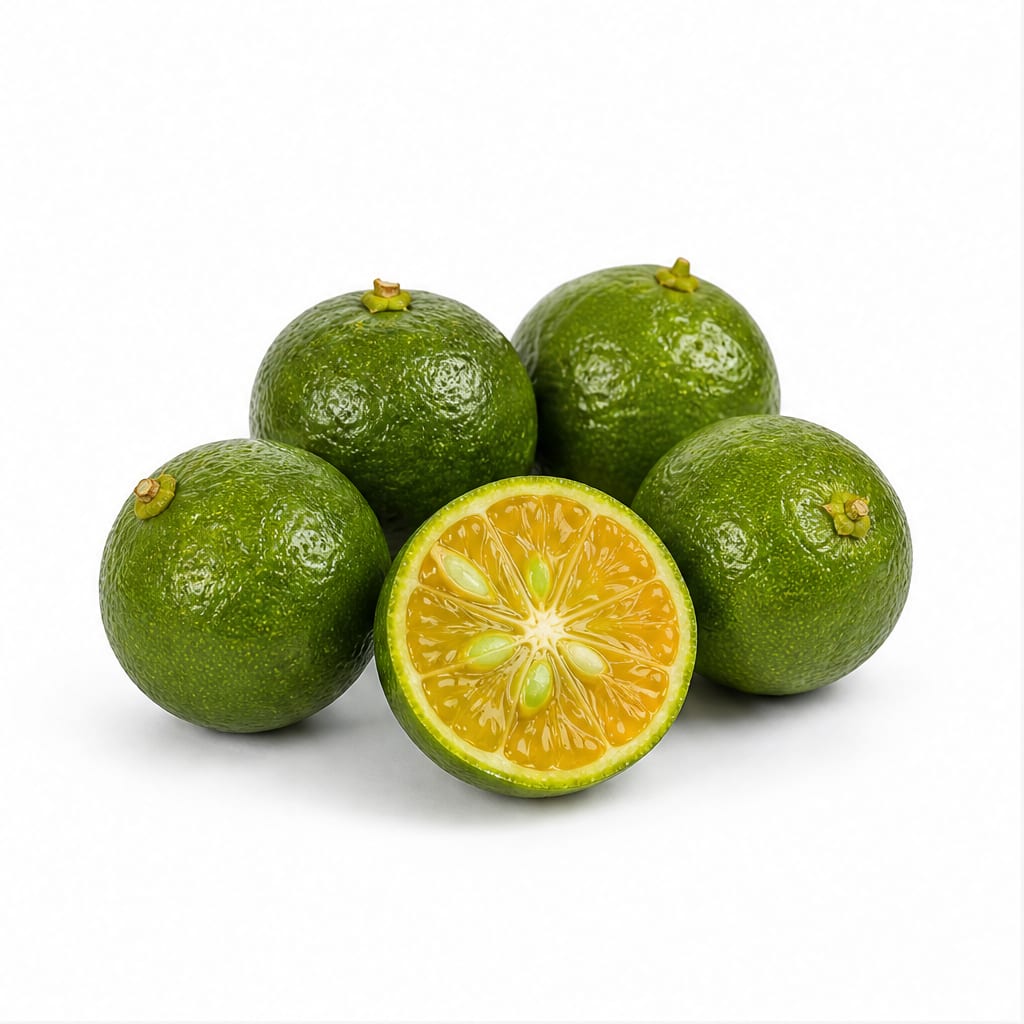
Compare with
Calamansi
Calamansi offers a similar tart flavor profile but is less commonly available globally than standard limes.
Calamansi and lime are interchangeable for low-calorie flavor, though lime is more accessible worldwide.
This food
Lime
VS70% alike
Compare with
Tangerine
Tangerines are sweet, high-sugar snacking fruits, whereas limes are low-sugar flavor enhancers.
Tangerines provide quick carbs for energy, while limes keep sugar and calories minimal for weight loss.
This food
Lime
VS70% alike
Compare with
Clementine
Clementines are easy-to-peel sweet snacks, while limes are low-glycemic, low-calorie flavor additions.
Clementines are better for a filling snack, while limes are superior for blood sugar control and zero-calorie flavor.
This food
Lime
VS60% alike
Compare with
White Vinegar
Vinegar provides zero-calorie acidity like lime, but lime adds vitamin C and natural flavor.
Vinegar and lime both offer low-calorie acidity, but lime provides added vitamin C and fresh flavor.
This food
Lime
VS65% alike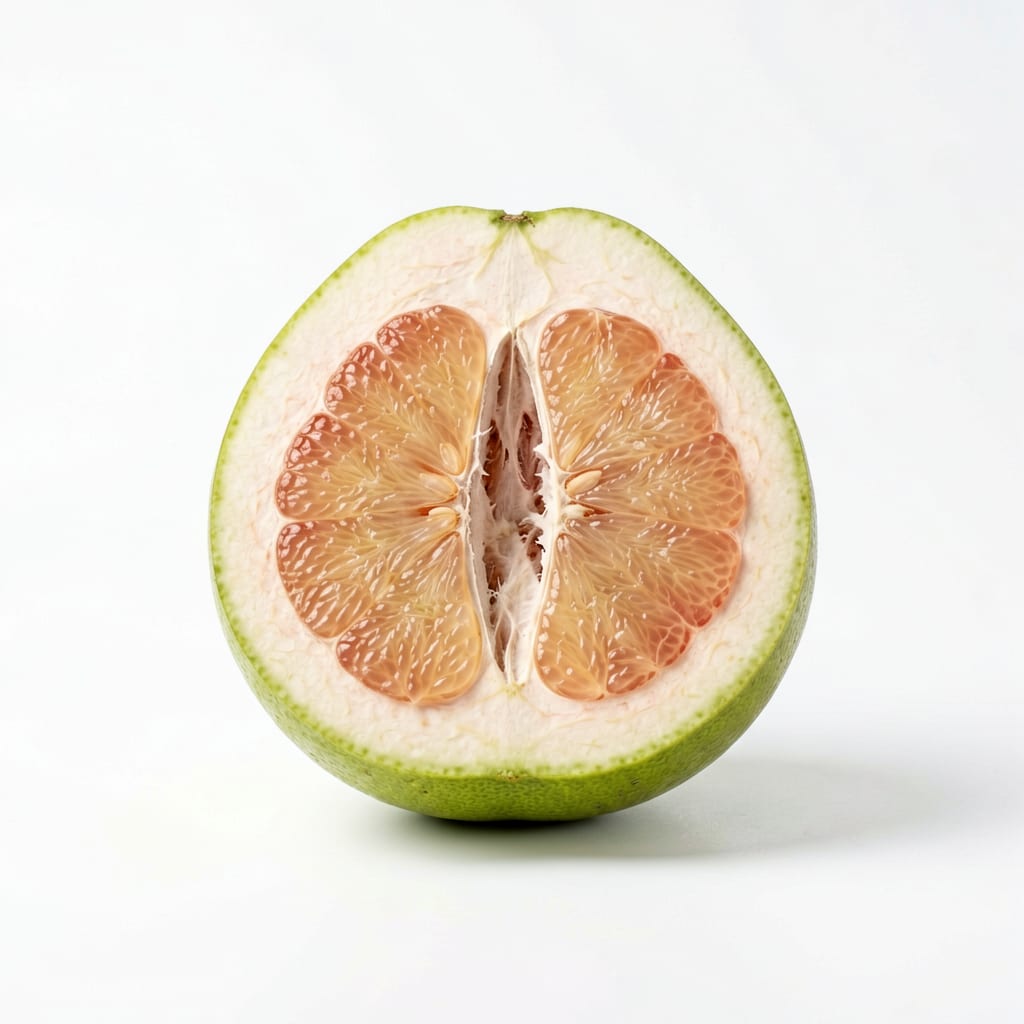
Compare with
Pomelo
Pomelo provides bulk and mild sweetness, while limes offer intense tartness with minimal calories.
Pomelo is better for high-volume eating and satiety, while lime is ideal for adding flavor without calories.
This food
Lime
VS75% alike
Compare with
Kumquat
Kumquats are eaten whole with a sweet peel and tart flesh, while limes are primarily juiced or zested.
Kumquats offer fiber from the whole fruit, while limes provide a lower-calorie way to flavor meals and drinks.
Common questions
FAQ
Answers aligned with how people search for this food.
Are limes keto?
Yes, limes are keto-friendly. A whole lime contains about 7 grams of carbs, and the small amounts typically used as juice or zest add negligible carbs.
How many calories in a lime?
One average lime contains about 20 calories, making it an excellent low-calorie flavor enhancer.
Does lime water help you lose weight?
Lime water does not directly burn fat, but it adds flavor without calories, which can help increase water intake and replace sugary beverages, supporting weight loss.
Is lime juice good for diabetics?
Yes, lime juice has a very low glycemic index and load. It will not spike blood sugar and can be used to flavor foods without adding carbs.
Which has more vitamin C, lime or lemon?
Lemons generally contain slightly more vitamin C than limes per 100g, but both are excellent sources of this antioxidant.
Can you eat lime peel?
Yes, lime peel (zest) is edible and rich in essential oils and flavonoids, but it should be washed thoroughly to remove potential pesticide residues.
Is lime juice acidic?
Yes, lime juice is highly acidic, which can exacerbate acid reflux or erode tooth enamel if consumed in large quantities undiluted.
Does lime have a lot of sugar?
No, limes are very low in sugar. A whole lime contains less than 1 gram of sugar.
Transparency
Data confidence
Estimated confidence for nutrition data, interpretation, safety notes, and comparisons.
Nutrition data
Health analysis
Food safety
Comparisons