
Nutrition comparison
Lime vs Tangerine: Nutrition, Sugar, and Health Comparison
Compare lime and tangerine nutrition including vitamin C, sugar content, fiber, and best uses. Find out which citrus fruit fits your diet and health goals.
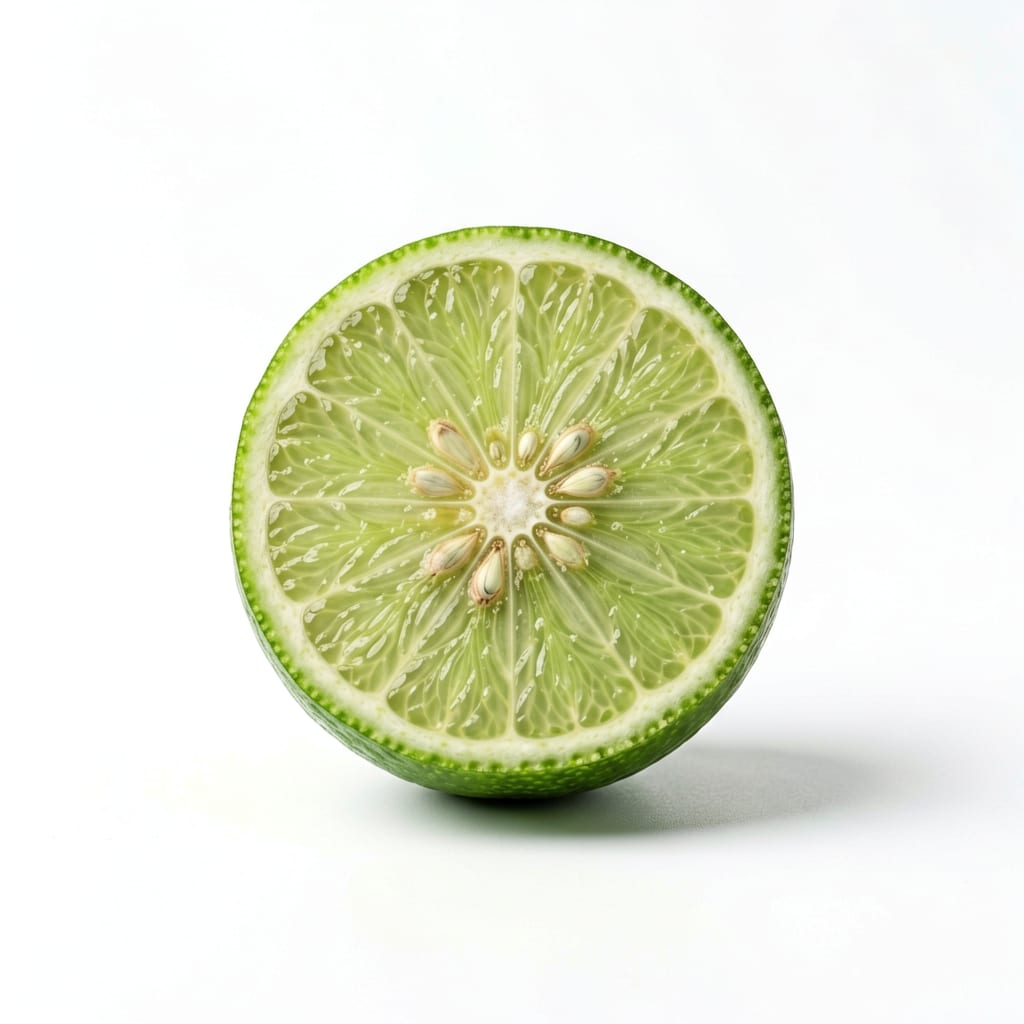
Lime
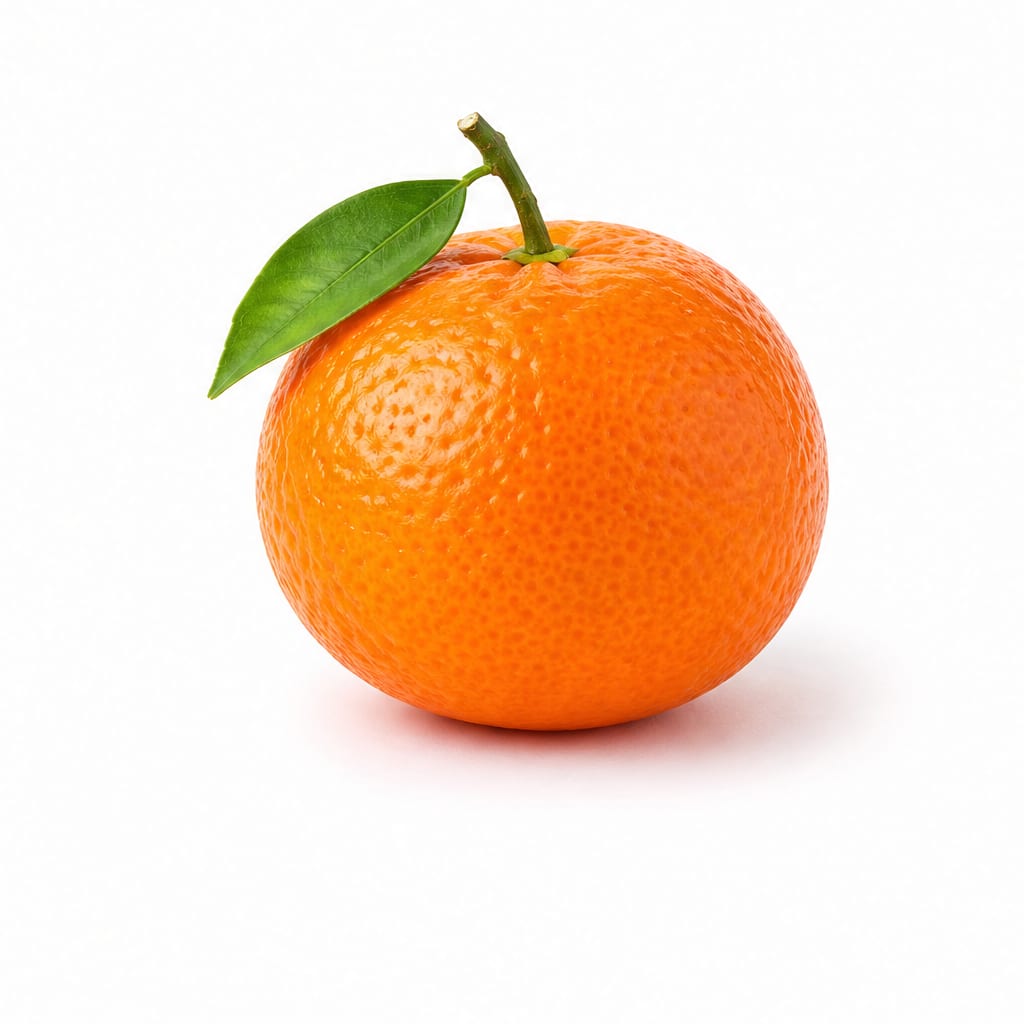
Tangerine
Tangerines win as a satisfying everyday snack with more fiber and calories, while limes excel as a near-zero-calorie flavor enhancer with minimal sugar impact.
Tangerines score higher as a complete food you can actually eat on its own, with better satiety and fiber. Limes are excellent at what they do, but their role as a garnish rather than a standalone food limits their overall nutritional contribution in real meals.
Tangerines give you a filling, sweet snack with real calories and fiber. Limes give you intense citrus flavor with almost no caloric cost but aren't eaten whole.
At a glance
Executive summary
Overall
It depends
Healthier
It depends
More practical
Tangerine
Daily use
Tangerine
Key comparison lenses
Vitamin C and immune support comparison
Both are citrus fruits prized for vitamin C, but users want to know which delivers more immune-boosting value per serving
Snackability and satiety
Tangerines are eaten whole as snacks while limes are typically used as flavoring, making real-world consumption patterns very different
Sugar and calorie awareness
Limes are extremely low in sugar and calories compared to tangerines, relevant for low-carb and weight-conscious users
Antioxidant and phytonutrient diversity
Both offer unique flavonoids and limonoids but in different concentrations and profiles
Pesticide and residue concerns
Tangerines rank higher on pesticide residue lists while limes typically have lower exposure
Best choice for
Lime
- People tracking calories or sugar closely
- Low-carb and keto dieters adding flavor without carbs
- Those wanting to enhance water or meals without calories
- People avoiding sweet fruit due to blood sugar concerns
Tangerine
- Kids and adults wanting a portable satisfying snack
- People needing quick natural energy between meals
- Anyone increasing daily fruit and fiber intake
- Those wanting a whole food that actually fills you up
Least suitable for
Lime
- People looking for a filling snack on the go
- Anyone who finds very sour flavors unpleasant
- Those wanting a self-contained fruit to eat whole
Tangerine
- Strict low-carb dieters counting every gram of sugar
- People trying to minimize fruit sugar intake
- Those with citrus allergy or sensitivity
Deep comparison
Dimension by dimension
Each lens scores both foods and breaks down who each option suits.
- Dimension 1 · Priority 88Tangerine
Vitamin C Potency
Lime · 75Tangerine · 85Tangerines deliver more vitamin C per whole fruit because you eat the entire thing. A single tangerine provides about 26mg, while a whole lime offers around 19mg.
Tradeoff
Lime juice has a higher concentration per ounce, but you rarely consume enough lime juice to match a full tangerine's vitamin C payload.
Why it matters
Vitamin C supports immune function, skin health, and iron absorption. Getting it from whole fruit also comes with fiber and phytonutrients that supplements lack.
Real-world impact
Eating one tangerine covers roughly 30-35% of your daily vitamin C needs. Squeezing half a lime into water covers about 10-15%.
Lime
- Flavoring dishes with concentrated vitamin C without adding sugar
- Adding citrus to recipes where you want brightness without sweetness
Better for
- Relying on lime alone for vitamin C intake since you consume so little
Worse for
Tangerine
- Meeting daily vitamin C targets through a satisfying snack
- Getting immune support in a form kids actually enjoy eating
Better for
- Overconsumption could add unnecessary sugar if you eat many per day
Worse for
- Dimension 2 · Priority 82Lime
Sugar and Calorie Impact
Lime · 92Tangerine · 58A whole lime has roughly 20 calories and 7g of sugar. A tangerine has about 47 calories and 9g of sugar. Per typical serving, limes barely register on your daily intake.
Tradeoff
Limes keep your sugar and calories near zero, but you get almost no energy or satiety. Tangerines cost more calories but actually fuel you between meals.
Why it matters
For blood sugar management, weight loss, or keto diets, even small amounts of fruit sugar matter. Limes let you enjoy citrus flavor without the metabolic cost.
Real-world impact
Squeezing lime into sparkling water gives you a flavored drink with essentially zero calories. A tangerine as a mid-afternoon snack gives you real energy but also counts toward your sugar budget.
Lime
- Zero-guilt flavor enhancement for water, cocktails, and cooking
- Keeping daily carb counts low while still enjoying citrus taste
Better for
- Not providing enough calories to function as a snack or energy source
Worse for
Tangerine
- Providing actual energy before or after a workout
- Satisfying a sweet craving with natural fruit instead of candy
Better for
- Adding sugar you may not want if you are already near your daily limit
Worse for
- Dimension 3 · Priority 85Tangerine
Satiety and Snackability
Lime · 25Tangerine · 82Tangerines are a complete handheld snack with fiber and sweetness that actually satisfies hunger. Limes are too sour and small to eat on their own.
Tradeoff
You can grab a tangerine and feel less hungry 30 minutes later. A lime does nothing for hunger but everything for flavor.
Why it matters
Foods that fill you up reduce the chance of reaching for less healthy options. A satisfying snack prevents overeating later.
Real-world impact
Tossing a tangerine in your bag gives you a reliable afternoon snack. A lime in your bag gives you nothing to eat but a great garnish for your drink.
Lime
- Situations where you want flavor without triggering appetite
Better for
- Anyone needing real hunger relief between meals
Worse for
Tangerine
- Bridging the gap between lunch and dinner without junk food
- Packing school lunches with something kids will actually eat
Better for
- Situations where you want to avoid stimulating your appetite with sweetness
Worse for
- Dimension 4 · Priority 75Tangerine
Fiber Content
Lime · 40Tangerine · 78A tangerine provides about 1.6g of fiber per fruit. A whole lime has roughly 1.9g, but you rarely eat the whole lime including its flesh and membrane.
Tradeoff
In theory lime has slightly more fiber per gram, but in practice tangerine delivers more fiber because you eat the entire fruit.
Why it matters
Fiber slows sugar absorption, supports gut health, and keeps you regular. Most people fall short on daily fiber intake.
Real-world impact
Eating two tangerines adds over 3g of fiber to your day with zero effort. Getting the same from limes would require eating them whole, which almost nobody does.
Lime
- Recipes where lime zest and flesh are blended into smoothies or dressings
Better for
- Most lime consumption is juice only, which strips out nearly all fiber
Worse for
Tangerine
- Effortlessly boosting daily fiber with a pleasant snack
Better for
- Fiber content is modest compared to berries or apples
Worse for
- Dimension 5 · Priority 70It depends
Antioxidant Diversity
Lime · 80Tangerine · 78Limes are rich in unique flavonoids like hesperidin and kaempferol, plus limonoids in their peel. Tangerines offer beta-carotene and tangeretin, a flavone not found in other citrus.
Tradeoff
Lime peel compounds are potent but usually discarded. Tangerines deliver their beta-carotene and tangeretin in the flesh you actually eat.
Why it matters
Different antioxidants protect different systems. Beta-carotene supports vision and skin. Limonoids support cellular defense. Variety matters more than quantity.
Real-world impact
Using lime zest in cooking captures those powerful peel compounds. Eating tangerines gives you easy beta-carotene with zero extra effort.
Lime
- Accessing limonoids and flavonoids through zest in cooking and baking
- Adding concentrated antioxidant punch to marinades and dressings
Better for
- Most people discard the peel where the most powerful compounds live
Worse for
Tangerine
- Getting beta-carotene for eye and skin health in a ready-to-eat form
- Consuming tangeretin which has unique neuroprotective potential
Better for
- Lower concentration of limonoids compared to lime peel
Worse for
- Dimension 6 · Priority 65Lime
Pesticide and Contamination Risk
Lime · 82Tangerine · 55Tangerines appear on the EWG's higher-concern list for pesticide residues on citrus. Limes typically test lower for residues, partly because less surface area is consumed.
Tradeoff
You eat the entire tangerine including its peel residue, while lime juice avoids most surface contamination. But both can be mitigated by choosing organic.
Why it matters
Chronic low-level pesticide exposure may affect hormonal and neurological health over time, especially in children.
Real-world impact
Washing a tangerine helps but doesn't remove all residues embedded in the peel. Squeezing a lime avoids most of this concern entirely.
Lime
- Lower exposure risk since you typically only consume the juice
- Less likely to appear on high-pesticide produce lists
Better for
- Using lime zest brings the same peel residue risk as eating tangerine peel
Worse for
Tangerine
- Organic tangerines are widely available and eliminate most concerns
Better for
- Conventional tangerines carry more documented pesticide residue concerns
Worse for
Timeline
Health impact over time
Short-term
Hours to days
Lime
- Provides near-instant citrus flavor without blood sugar impact
- Acidity may cause heartburn or reflux in sensitive individuals
- Can enhance iron absorption from plant foods when paired at meals
Tangerine
- Delivers quick natural energy from easily digested sugars
- Mild blood sugar rise that settles within 30-45 minutes for most people
- The fiber slows sugar absorption enough to avoid a sharp crash
Long-term
Months to years
Lime
- Consistent use as a flavor substitute may reduce reliance on sugary condiments and dressings
- Vitamin C and flavonoids from regular lime consumption support vascular health over time
- Chronic high acidity from daily lime juice could erode tooth enamel if not rinsed
Tangerine
- Regular consumption contributes to daily fiber goals and gut health
- Beta-carotene intake supports long-term eye and immune function
- Natural fruit sugar is manageable in moderation but adds up if you eat several daily
Risk profile
Safety & processing
Both limes and tangerines are whole, unprocessed fruits as typically purchased. The main naturalness concern is wax coatings on supermarket citrus and pesticide residues on conventional tangerines.
Lime
Dental enamel erosion
mediumRegular exposure to highly acidic lime juice can wear down tooth enamel over time, especially if sipped slowly or used frequently in drinks.
Topical phytophotodermatitis
lowHandling limes in sunlight can cause a skin reaction called margarita burn. Rare but painful if you squeeze limes outdoors on sunny days.
Tangerine
Pesticide residue on peel
mediumTangerines rank among citrus fruits with higher pesticide detection rates. Since you handle and eat the peel, exposure is more direct than with limes.
Choking hazard for young children
lowSeeds and segments can be a choking risk for toddlers. Seedless varieties reduce this concern significantly.
Who wins for whom
Audience fit
Same foods, different winners depending on your goal.
children
TangerineKids love the sweet taste and easy-to-peel format of tangerines. Limes are too sour for most children and not a realistic snack option.
daily consumption
TangerineA tangerine a day is a sustainable, enjoyable habit that adds fiber, vitamins, and satisfaction. Daily lime use is great but more limited in how much you actually consume.
diabetes
LimeLimes have negligible sugar impact and can flavor water or food without spiking blood glucose. Tangerines are acceptable in moderation but contain more sugar per serving.
elderly
TangerineTangerines are easy to peel, soft to chew, and provide hydration and calories that older adults often need. Limes offer less practical nutritional support.
muscle gain
TangerineTangerines provide quick-digesting carbs useful around workouts, plus more total energy to support training demands.
weight loss
LimeLimes add big flavor to meals and drinks with almost zero calories, making it easier to stay in a deficit without feeling deprived.
Your move
Decision guide
Choose Lime
- You want citrus flavor without sugar or calories
- You are on a low-carb, keto, or strict calorie-controlled diet
- You need to flavor water, marinades, or dressings without adding sweetness
- You have blood sugar concerns and want to minimize fruit sugar
Choose Tangerine
- You want a portable, satisfying snack between meals
- You need quick natural energy before or after exercise
- You are trying to increase daily fruit and fiber intake
- You want something kids will actually enjoy eating
Either works if
- You want vitamin C and citrus phytonutrients in your diet
- You are looking for whole-food flavor enhancers for cooking
- You want to reduce reliance on processed snacks or sweets
Avoid both if
- You have a citrus allergy or severe acid reflux triggered by citrus
- You are on medications that interact with grapefruit and related citrus compounds
Final recommendation
Keep both in your kitchen. Use limes daily for flavoring water, cooking, and dressings without caloric cost. Eat tangerines as a snack when you want something sweet, filling, and energizing. They serve completely different roles and complement each other well.
Practical
Consumer tips
- 1
Use a microplane to zest limes before juicing. The peel contains the most powerful antioxidants and adds bright flavor to dishes.
- 2
Choose organic tangerines if you eat them frequently, since you consume the peel directly and pesticide residues are a documented concern.
- 3
Rinse your mouth with plain water after consuming lime juice to protect tooth enamel from acid erosion.
- 4
Freeze lime juice in ice cube trays for easy portioned flavor additions to water and recipes throughout the week.
- 5
Peel tangerines over a plate to catch the oils from the skin. These aromatic compounds contain beneficial flavonoids.
- 6
If you have acid reflux, try eating tangerines earlier in the day rather than evening, and avoid lime juice on an empty stomach.