
Nutrition comparison
Lime vs Kumquat: Which Citrus Is Better for Your Health Goals?
Compare lime and kumquat nutrition — fiber, vitamin C, sugar, calories, and best uses. Find out which citrus fits your diet, snacking habits, and health goals.
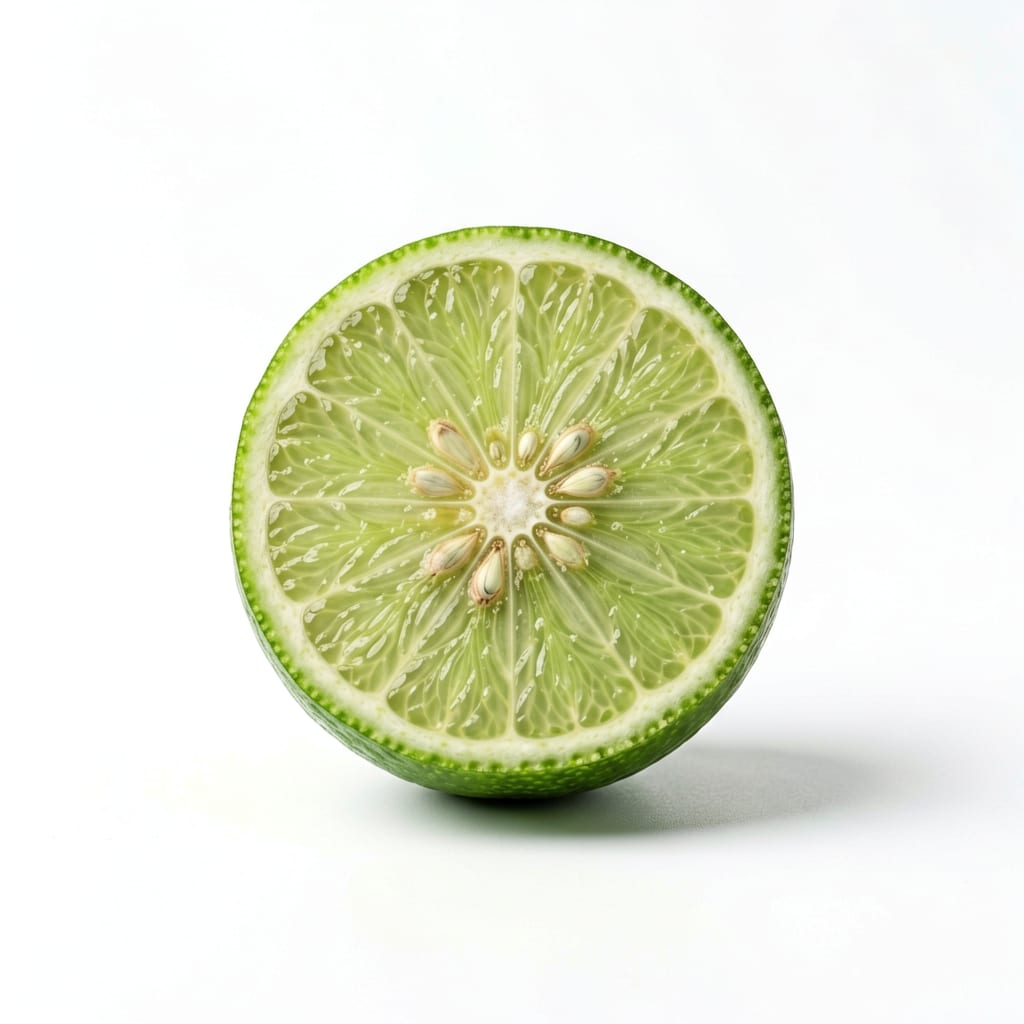
Lime
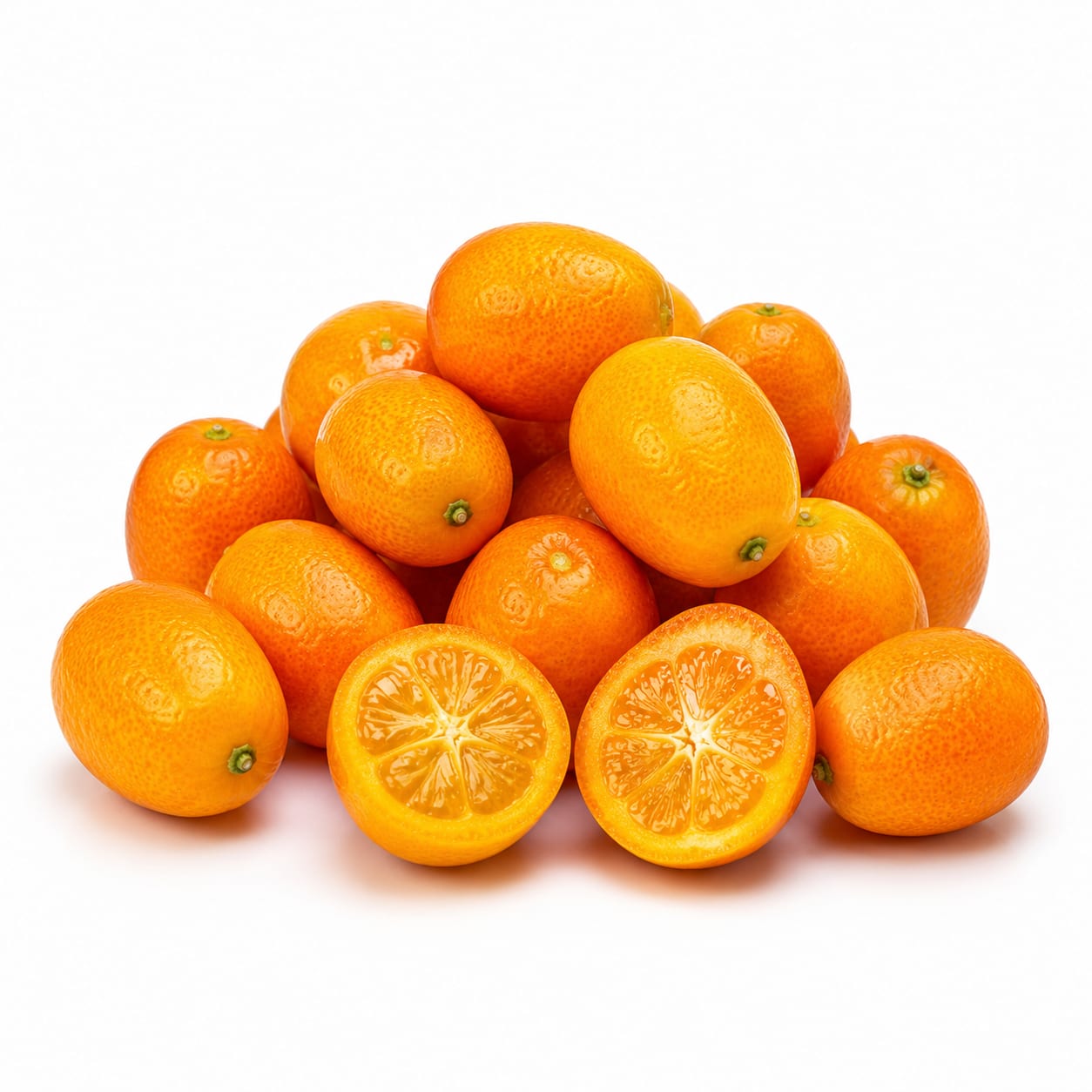
Kumquat
Kumquats win as a standalone snack with fiber and whole-food nutrition; limes win as a zero-calorie flavor enhancer you can use all day without thinking about sugar.
Kumquats score higher as a complete food you actually eat whole, delivering fiber, calories, and satisfaction. Limes score lower because they are a condiment, not a meal — nutritionally excellent per gram but rarely consumed in meaningful quantities.
Kumquats give you a complete, fiber-rich fruit you can pop in your mouth — but with calories and sugar. Limes give you intense citrus flavor with almost no caloric cost — but you would never sit down and eat one.
At a glance
Executive summary
Overall
It depends
Healthier
It depends
More practical
Kumquat
Daily use
Lime
Key comparison lenses
whole-food snacking vs flavoring utility
Kumquats are eaten whole as a snack while limes are almost never eaten alone — this shapes every nutritional and practical tradeoff
fiber and gut health comparison
Eating kumquat skin delivers significantly more fiber than lime juice alone, making this a key differentiator
vitamin C potency and immune support
Both are citrus powerhouses but lime juice delivers vitamin C more concentrated per gram
sugar and calorie awareness
Limes are nearly calorie-free flavor enhancers while kumquats carry natural sugars from being a whole fruit
culinary versatility and daily integration
Limes appear in drinks, marinades, dressings, and cuisines worldwide; kumquats are more niche
Best choice for
Lime
- Flavoring water, tea, or cocktails without adding calories
- Boosting vitamin C in meals and dressings
- Anyone strictly watching sugar intake
- Adding brightness to savory dishes
Kumquat
- A satisfying whole-food citrus snack on the go
- Getting fiber alongside vitamin C
- Kids who enjoy bite-sized fruit
- Charcuterie boards and fruit salads
Least suitable for
Lime
- Anyone looking for a filling snack — limes are not food on their own
- People who want fiber from their fruit
- Those sensitive to high acidity or acid reflux
Kumquat
- Very low-carb or keto dieters counting every gram of sugar
- People who dislike sweet-tart flavor combinations
- Those wanting a neutral-flavor fruit addition
Deep comparison
Dimension by dimension
Each lens scores both foods and breaks down who each option suits.
- Dimension 1 · Priority 90Kumquat
Nutritional Completeness
Lime · 35Kumquat · 72Kumquats provide a broader nutritional package because you eat the whole fruit — skin, pulp, seeds, and all. Limes are typically juiced, discarding the fiber-rich peel and membrane.
Tradeoff
You get more complete nutrition from kumquats but also more sugar and calories. Lime gives you concentrated vitamin C with almost nothing else — for better and worse.
Why it matters
A food you eat whole always delivers more than a food you squeeze and discard. If you want a fruit that actually nourishes you as a snack, kumquats are the clear pick.
Real-world impact
Eating 5 kumquats gives you fiber, potassium, vitamin C, and about 70 calories of real sustenance. The juice of one lime gives you vitamin C and almost nothing else calorically.
Lime
- Zero-calorie flavor enhancement
- Vitamin C without any sugar cost
Better for
- Almost no macronutrients to sustain you
- Most of the fruit is discarded when juicing
Worse for
Kumquat
- Balanced mini-meal with fiber and energy
- Whole-food nutrition nothing is wasted
Better for
- More sugar per serving than lime
- Not as versatile in cooking
Worse for
- Dimension 2 · Priority 82Lime
Vitamin C Potency
Lime · 88Kumquat · 71Ounce for ounce, lime juice packs more vitamin C than kumquat flesh. But since you consume far more kumquat volume per sitting, the real-world gap is smaller than it appears.
Tradeoff
Lime is more concentrated, but you only use a little. Kumquats are less concentrated per gram, but you eat several at once.
Why it matters
If you are specifically trying to boost immunity or iron absorption, lime juice in water is an efficient delivery method. But a handful of kumquats still gets you there comfortably.
Real-world impact
Squeezing one lime into your water delivers about 22% of your daily vitamin C. Eating five kumquats delivers roughly 35-40%. The kumquat actually wins in practice because you consume more of it.
Lime
- Higher concentration per gram — efficient dosing
- Easy to add to drinks for daily immune support
Better for
- Most people only use a fraction of a lime at a time
- Peel vitamin C is lost when you only juice
Worse for
Kumquat
- Higher total vitamin C per typical serving
- No waste — you eat the whole fruit
Better for
- Lower concentration means you need to eat more volume
Worse for
- Dimension 3 · Priority 88Kumquat
Fiber and Digestive Health
Lime · 18Kumquat · 82This is not close. Kumquats eaten whole with their peel deliver substantial fiber. Lime juice has virtually zero fiber because the pulp and peel are discarded.
Tradeoff
You must eat kumquats whole to get the fiber benefit. If you only use lime zest, you can recover some fiber — but almost nobody eats enough zest to matter.
Why it matters
Fiber is the nutrient most people lack. A fruit that naturally delivers it without effort is a real advantage for digestion, blood sugar control, and satiety.
Real-world impact
Five kumquats give you about 6 grams of fiber — roughly 20% of your daily need. A whole lime's juice gives you less than 1 gram.
Lime
- Lime zest can add small amounts of fiber if you use it
Better for
- Juicing removes nearly all fiber
- Almost nobody consumes lime peel in meaningful quantities
Worse for
Kumquat
- Eat-as-is fiber with zero prep required
- Peel is the fiber powerhouse and it is the best part
Better for
- None significant — fiber is kumquat's strongest advantage
Worse for
- Dimension 4 · Priority 75Lime
Low Sugar and Calorie Efficiency
Lime · 95Kumquat · 52Lime juice is essentially free calories — about 8 calories per tablespoon. Kumquats are still low-calorie but contain real sugar that adds up if you eat many.
Tradeoff
Lime lets you add citrus flavor without any metabolic cost. Kumquats cost you about 70 calories and 15 grams of carbs per handful — still reasonable but not free.
Why it matters
For anyone tracking carbs, managing diabetes, or doing time-restricted eating, lime is a freebie. Kumquats require budgeting like any other fruit.
Real-world impact
You can squeeze lime into every glass of water all day and never think about calories. Eat ten kumquats and you are at 140 calories and 30 grams of carbs — a real snack.
Lime
- Essentially zero-calorie flavor
- No blood sugar impact from sugar
- Use liberally without tracking
Better for
- No energy or satiety — it is a condiment not fuel
Worse for
Kumquat
- Calories come with real nutrition and satiety
- Sugar is natural and paired with fiber for slower absorption
Better for
- Sugar content requires awareness for low-carb dieters
- Easy to overeat if you love the taste
Worse for
- Dimension 5 · Priority 70Lime
Culinary Versatility
Lime · 92Kumquat · 48Lime is one of the most versatile flavoring ingredients in the world — drinks, marinades, desserts, curries, dressings. Kumquats are delightful but niche.
Tradeoff
Lime appears in virtually every cuisine globally. Kumquats are more of a specialty ingredient with limited but charming uses.
Why it matters
A food you can integrate into every meal effortlessly has more real-world health impact than a food you eat occasionally. Lime makes healthy food taste better daily.
Real-world impact
Lime makes plain water drinkable, grilled chicken exciting, and avocado toast sing. Kumquats are great in marmalade, salads, or as a snack — but you will not reach for them daily.
Lime
- Universal across cuisines and meal types
- Makes healthy food more enjoyable effortlessly
- Available year-round in every grocery store
Better for
- Cannot be eaten as a standalone food
Worse for
Kumquat
- Unique sweet-tart flavor that lime cannot replicate
- Beautiful garnish for entertaining
Better for
- Limited recipe applications
- Harder to find and often seasonal
Worse for
- Dimension 6 · Priority 80Kumquat
Snackability and Satiety
Lime · 10Kumquat · 78Nobody snacks on limes. Kumquats are literally designed by nature as a pop-in-your-mouth fruit with a satisfying sweet-tart bite.
Tradeoff
Kumquats fill a real snacking niche. Limes fill a flavoring niche. They solve different problems.
Why it matters
When you are hungry at 3pm, a kumquat is an actual answer. A lime is not. Foods you can eat when hungry matter more for daily nutrition than foods that only enhance other foods.
Real-world impact
Keep a bowl of kumquats on the counter and they disappear as snacks. Keep limes on the counter and they wait for cooking duty.
Lime
- No applicable snack advantage
Better for
- Cannot be eaten alone as a snack
- Acidity makes direct consumption unpleasant
Worse for
Kumquat
- Ready-to-eat with zero prep
- Satisfying sweet-tart combo curbs cravings
- Portable and mess-free
Better for
- Small size means you may eat many to feel satisfied
Worse for
Timeline
Health impact over time
Short-term
Hours to days
Lime
- Quick vitamin C boost for immune support when added to water or tea
- Can trigger acid reflux or heartburn in sensitive individuals if consumed in quantity
- Fresh lime scent and flavor may improve mood and hydration habits
Kumquat
- Immediate fiber intake supports digestion and regularity
- Natural sugars provide a light energy lift without a crash thanks to fiber pairing
- The tartness can stimulate saliva and aid appetite regulation
Long-term
Months to years
Lime
- Consistent use supports iron absorption from plant foods when paired at meals
- May help reduce kidney stone risk due to citric acid content
- Long-term low-sugar flavoring habit supports weight maintenance effortlessly
Kumquat
- Regular fiber intake from the peel supports gut microbiome diversity
- Antioxidants from both peel and pulp may reduce oxidative stress over time
- Habitual whole-fruit snacking supports better dietary patterns than processed alternatives
Risk profile
Safety & processing
Both are whole, natural citrus fruits with minimal processing concerns. The only caveat is that commercial lime juice is sometimes pasteurized and bottled with preservatives — always use fresh limes when possible. Kumquats are almost always sold whole and fresh.
Lime
Pesticide residue on peel
mediumLime peels can carry pesticide residues. This matters if you zest them. Choose organic when using the peel, or wash thoroughly.
Dental enamel erosion
mediumFrequent direct contact with lime acid can erode tooth enamel over time. Rinse with water after consuming lime juice.
Acid reflux aggravation
lowHigh acidity can worsen GERD symptoms in susceptible individuals, especially on an empty stomach.
Kumquat
Pesticide residue on peel
highSince you eat the entire kumquat including the peel, pesticide exposure is a bigger concern than with lime. Organic is strongly recommended.
Choking hazard for young children
lowWhole kumquats are small and round. Slice them for children under 4 to reduce choking risk.
Seeds
lowKumquats contain small seeds that could be a minor choking concern for some. They are edible but unpleasant to bite into.
Who wins for whom
Audience fit
Same foods, different winners depending on your goal.
children
KumquatKids enjoy the sweet-tart pop of kumquats as a fun snack. Limes are too sour for most children to enjoy directly and serve no snacking purpose.
daily consumption
LimeYou can use lime every single day in water, tea, and cooking without ever worrying about sugar, calories, or overconsumption. Kumquats are great but you would not eat them daily indefinitely.
diabetes
LimeLime juice has negligible sugar and will not spike blood glucose. Kumquats contain meaningful carbs and sugar that require insulin response, though fiber moderates the impact somewhat.
elderly
KumquatKumquats provide fiber for digestion, potassium for blood pressure, and are easy to eat without preparation. Limes are useful but do not address the nutritional gaps common in older adults.
muscle gain
It dependsNeither fruit is relevant for muscle gain directly. Lime can help with hydration and iron absorption. Kumquats offer a tiny carb boost pre-workout. Both are peripheral.
weight loss
LimeLime adds flavor to meals and drinks with virtually zero calories, making it easier to enjoy healthy food without energy density. Kumquats are still low-calorie but contain real sugar that must be budgeted.
Your move
Decision guide
Choose Lime
- You want zero-calorie flavor for water, tea, or cooking
- You are managing blood sugar or following a low-carb diet
- You need versatile citrus that works in savory and sweet dishes
- You want to boost iron absorption from plant meals
Choose Kumquat
- You want a satisfying whole-fruit snack with fiber
- You are looking for a portable citrus you can eat out of hand
- You want gut-friendly fiber alongside your vitamin C
- You are building a fruit platter or charcuterie board
Either works if
- You want immune-supporting vitamin C from a natural source
- You enjoy bright citrus flavor in your diet
- You want minimally processed fruit with no additives
Avoid both if
- You have citrus allergies or oral allergy syndrome
- You are on medications that interact with grapefruit and similar citrus — check with your doctor
- You have severe acid reflux and need to limit all citrus
Final recommendation
Keep both in your kitchen — they serve completely different purposes. Lime is your daily flavor tool that makes healthy eating more enjoyable with zero caloric cost. Kumquats are your snack fruit that delivers real nutrition in a fun, poppable package. If forced to pick one for health impact, kumquats win because you actually eat them as food. But lime earns its place as the most useful citrus you will never eat alone.
Practical
Consumer tips
- 1
Buy organic kumquats whenever possible — you eat the entire peel, so pesticide exposure is a real concern
- 2
Use both lime juice and lime zest to get more nutritional value — the peel contains beneficial oils and compounds
- 3
Slice kumquats into rounds for salads — the cross-section is beautiful and distributes the sweet-tart flavor evenly
- 4
Freeze lime juice in ice cube trays so you always have fresh lime flavor ready without waste
- 5
Pair lime with iron-rich plant foods like spinach or lentils to significantly boost iron absorption
- 6
Wash kumquats thoroughly before eating since the peel is the main event
- 7
If lime is too sour for your water, try adding a few drops rather than a full squeeze — a little goes a long way