
Nutrition comparison
Lime vs Orange: Which Citrus Is Better for Your Health Goals?
Compare lime and orange nutrition, vitamin C content, sugar, and culinary uses. Find out which citrus fruit fits your diet, cooking style, and daily routine better.
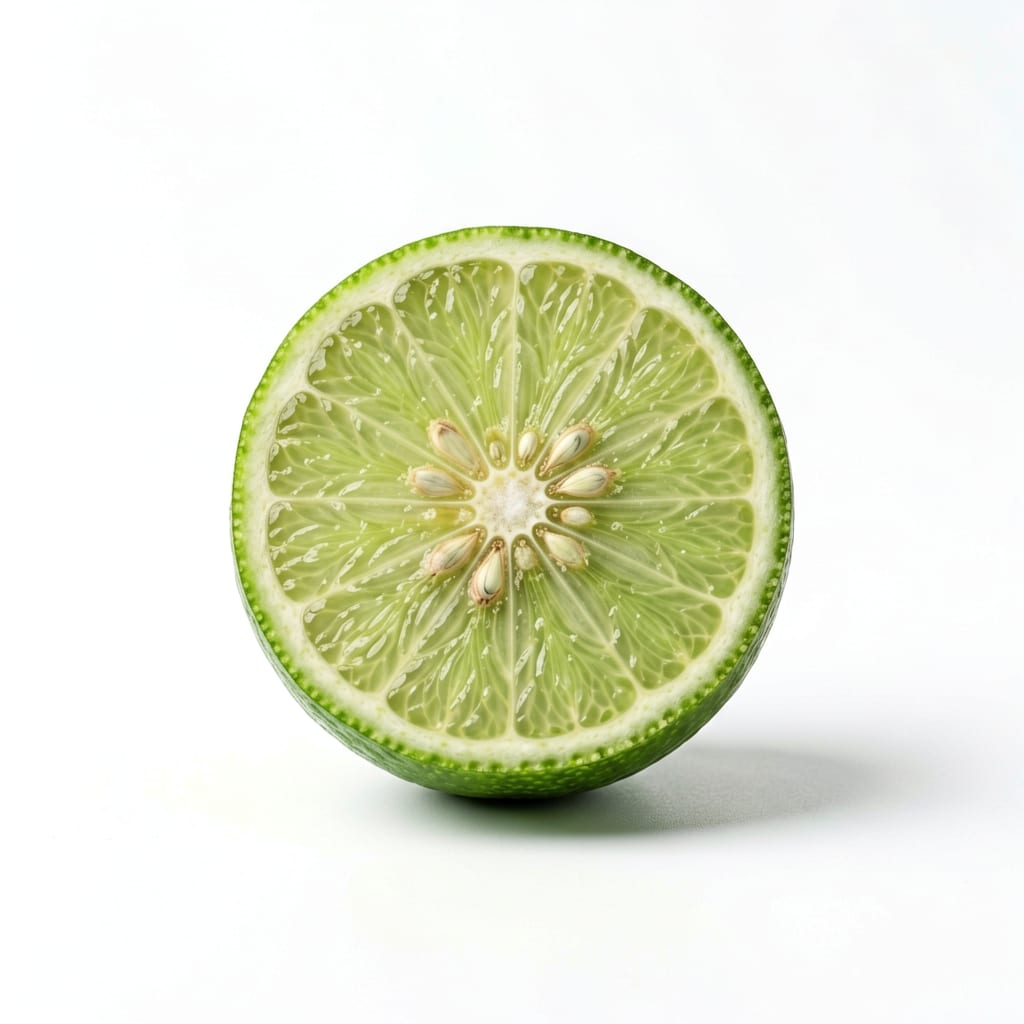
Lime

Orange
Oranges deliver far more vitamin C and make a satisfying snack, while limes offer intense citrus flavor with almost no sugar or calories.
Oranges score higher due to substantially more vitamin C, fiber, potassium, and satiety per serving. Limes remain valuable but serve more as a flavor enhancer than a standalone nutritional source.
Nutritional substance versus culinary utility — oranges nourish, limes transform flavors.
At a glance
Executive summary
Overall
It depends
Healthier
Orange
More practical
Orange
Daily use
Orange
Key comparison lenses
Vitamin C and immune support comparison
Both are iconic vitamin C sources, but the quantity difference is dramatic and affects daily intake strategy
Snackability and daily eating practicality
Oranges are a satisfying standalone snack; limes are rarely eaten alone, which changes how people actually consume them
Sugar and calorie awareness
Limes offer citrus flavor with minimal sugar, appealing to low-carb and calorie-conscious users
Culinary use and versatility
Lime juice elevates savory dishes, drinks, and marinades in ways orange cannot replicate
Antioxidant and phytonutrient diversity
Both contain flavonoids and limonoids but in different profiles worth understanding
Best choice for
Lime
- Low-carb and keto dieters wanting citrus flavor without sugar
- Home cooks adding brightness to savory dishes, cocktails, and marinades
- People watching calorie intake who still want vitamin C
- Those seeking to reduce fruit sugar while keeping flavor variety
Orange
- Anyone needing a reliable daily vitamin C source
- Kids and adults wanting a filling, sweet whole-food snack
- People focused on immune support during cold season
- Those who want potassium and folate from a natural source
Least suitable for
Lime
- People looking for a filling between-meal snack
- Anyone who finds very sour flavors unpleasant
- Those wanting significant calorie or energy from fruit
Orange
- Strict low-carb dieters monitoring every gram of sugar
- People with acid reflux triggered by larger citrus servings
- Those who find oranges too sweet or filling at certain times
Deep comparison
Dimension by dimension
Each lens scores both foods and breaks down who each option suits.
- Dimension 1 · Priority 95Orange
Vitamin C Potency
Lime · 35Orange · 92A single orange delivers about 70mg of vitamin C — nearly your full daily needs. A whole lime provides roughly 19mg, requiring several limes to match one orange.
Tradeoff
Lime gives you citrus flavor with a token amount of vitamin C; oranges are a genuine vitamin C strategy.
Why it matters
If immune support is your goal, relying on limes means you need other sources. Oranges practically handle it alone.
Real-world impact
One orange at breakfast covers your vitamin C. You would need to juice 3-4 limes for the same effect, which is impractical and unpleasantly sour.
Lime
- Adding trace vitamin C to dishes you already eat
- Supplementing other vitamin C sources with flavor
Better for
- Serving as a primary vitamin C source
- Replacing a daily multivitamin for vitamin C
Worse for
Orange
- Meeting daily vitamin C needs in one serving
- Immune support during illness or stress
Better for
- Keeping sugar minimal while boosting vitamin C
Worse for
- Dimension 2 · Priority 82Lime
Sugar and Calorie Load
Lime · 90Orange · 55A whole lime has about 20 calories and 7g of sugar. A medium orange packs roughly 62 calories and 12g of sugar — still modest, but noticeably more.
Tradeoff
Limes give you citrus impact with almost no metabolic cost. Oranges cost more in sugar but repay you with fiber and fullness.
Why it matters
For low-carb eaters, every gram of sugar counts. Limes let you enjoy citrus flavor without budgeting for it.
Real-world impact
Squeezing lime over your meal adds zero effective sugar. Eating an orange as a snack requires accounting for 12g of carbs in your day.
Lime
- Keto and very-low-carb diets
- Flavoring water or food without adding calories
- Late-night flavor cravings without sugar impact
Better for
- Anyone needing sustained energy from a snack
- Situations where natural sweetness is desired
Worse for
Orange
- Pre- or post-workout when carbs are beneficial
- Active people who need natural energy from fruit
Better for
- Strict carbohydrate restriction phases
- Blood sugar sensitivity requiring minimal fruit sugar
Worse for
- Dimension 3 · Priority 85Orange
Satiety and Snackability
Lime · 15Orange · 82Oranges are a satisfying hand-held snack with fiber and bulk. Nobody eats a lime like an apple — it is a condiment, not a food.
Tradeoff
Oranges fill you up between meals. Limes enhance what you are already eating but leave you hungry.
Why it matters
If you reach for fruit at 3pm to curb hunger, an orange works. A lime does not.
Real-world impact
An orange as an afternoon snack can bridge you to dinner. Lime juice in your water tastes nice but does nothing for hunger.
Lime
- Flavor enhancement without adding bulk
- Meals where you want brightness without fullness
Better for
- Any situation where you need to feel full
- Replacing a proper snack or mini-meal
Worse for
Orange
- Between-meal hunger management
- A satisfying sweet treat that provides real nourishment
- Kids' lunchboxes and portable snacking
Better for
- Moments when you want flavor without feeling heavy
Worse for
- Dimension 4 · Priority 78Lime
Culinary Versatility
Lime · 88Orange · 55Lime juice and zest are irreplaceable in Mexican, Thai, Vietnamese, and Indian cooking. Orange is more limited — great for breakfast and baking, less essential for savory dishes.
Tradeoff
Lime transforms savory dishes across world cuisines. Orange is a breakfast staple with narrower cooking reach.
Why it matters
If you cook often, limes are a kitchen essential. Oranges are a fridge staple you eat, not cook with.
Real-world impact
A squeeze of lime on tacos, curry, or soup is transformative. Orange segments in a salad are nice but not the same flavor engine.
Lime
- Savory cooking across Latin and Asian cuisines
- Cocktails and mocktails
- Marinades and ceviche
- Finishing acid for soups and stews
Better for
- Sweet breakfast dishes and smoothies
- Kid-friendly fruit preparations
Worse for
Orange
- Smoothies and breakfast preparations
- Baking and fruit-forward desserts
- Eating out of hand without preparation
Better for
- Savory dinner recipes needing bright acidity
- International cuisine that depends on lime specifically
Worse for
- Dimension 5 · Priority 75Orange
Fiber and Micronutrient Breadth
Lime · 30Orange · 85Oranges provide meaningful fiber (3g), potassium (232mg), folate, and thiamine per serving. Limes offer trace amounts of each — nutritionally thin by comparison.
Tradeoff
Oranges are a legitimate source of multiple nutrients. Limes contribute flavor with a nutritional whisper.
Why it matters
If you are relying on fruit for fiber and micronutrients, oranges pull real weight. Limes are essentially a garnish nutritionally.
Real-world impact
Eating an orange with breakfast adds fiber that supports digestion and fullness. Lime in your water adds almost nothing nutritionally beyond a tiny vitamin C bump.
Lime
- Adding a micronutrient hint to meals already rich in nutrients
- Situations where fiber is already adequate from other sources
Better for
- Being counted toward daily fiber goals
- Serving as a significant micronutrient source
Worse for
Orange
- Contributing meaningful fiber to a low-fiber diet
- Providing potassium for blood pressure management
- Supplying folate for pregnant women alongside prenatal vitamins
Better for
- Diets where potassium intake needs to be limited
Worse for
- Dimension 6 · Priority 60It depends
Antioxidant and Phytonutrient Profile
Lime · 70Orange · 72Both contain flavonoids and limonoids, but in different ratios. Limes are richer in certain flavonoids like hesperidin relative to their size, while oranges offer more total antioxidants per serving simply due to volume.
Tradeoff
Lime packs phytonutrients densely but you consume very little. Orange delivers more total antioxidants because you eat the whole fruit.
Why it matters
Antioxidant benefits depend on how much you actually consume. A squeeze of lime is potent but tiny; an orange is less concentrated but you eat all of it.
Real-world impact
Your body likely absorbs more total antioxidants from one whole orange than from a wedge of lime, despite lime's density.
Lime
- Concentrated phytonutrient extracts and supplements
- Small doses of potent flavonoids alongside other foods
Better for
- Delivering meaningful total antioxidant volume in real meals
- Competing with higher-volume fruit sources
Worse for
Orange
- Maximum total antioxidant intake per eating occasion
- Practical daily consumption that actually delivers phytonutrients
Better for
- Matching the phytonutrient density per gram that limes offer
Worse for
Timeline
Health impact over time
Short-term
Hours to days
Lime
- Quick refreshing flavor that can reduce cravings for sugary drinks
- Acidity may cause mild heartburn if consumed on an empty stomach in quantity
- Can enhance iron absorption from plant foods when squeezed over meals
Orange
- Provides noticeable energy and satiety within 20-30 minutes of eating
- Natural sugars offer a steadier energy boost than processed sweets
- May trigger heartburn in sensitive individuals due to volume and acidity
Long-term
Months to years
Lime
- Consistent use as a flavor substitute for salt and sugar may support blood pressure and weight goals
- Minimal sugar contribution helps maintain insulin sensitivity over years
- Trace vitamin C intake from limes alone is insufficient for long-term immune optimization
Orange
- Regular consumption supports cardiovascular health through potassium and fiber
- Consistent vitamin C intake strengthens collagen production and skin health over time
- Daily orange consumption as a fruit habit displaces less healthy snack choices
Risk profile
Safety & processing
Both are whole, unprocessed fruits in their natural state. Neither raises processing concerns when consumed fresh.
Lime
Pesticide residue on peel
mediumLime zest is commonly used in cooking and cocktails. Non-organic limes carry pesticide residues on the peel that transfer directly into food. Choose organic when zesting.
Wax coating on supermarket limes
lowConventional limes are often coated with food-grade wax to extend shelf life. Harmless for juicing, but undesirable if zesting. Wash thoroughly or buy organic.
Orange
Pesticide residue on peel
mediumOranges rank moderately on pesticide residue lists. Most people discard the peel, reducing exposure, but choose organic if you zest or juice whole oranges.
Mold and spoilage
lowOranges can develop penicillium mold on the rind, which may penetrate the fruit. Inspect before eating and discard any with soft spots or visible mold.
Who wins for whom
Audience fit
Same foods, different winners depending on your goal.
children
OrangeKids enjoy the sweetness and fun of peeling oranges. Limes are too sour for most children and offer little as a standalone food.
daily consumption
OrangeAn orange a day delivers meaningful vitamin C, fiber, and potassium. A lime a day adds flavor but not enough nutrition to stand alone.
diabetes
LimeLimes add citrus flavor with minimal sugar impact. Oranges are still a reasonable whole-fruit choice but require carb counting.
elderly
OrangeOranges provide more fiber for digestion, potassium for blood pressure, and are easy to eat. The nutritional density matters more for older adults.
muscle gain
OrangeOranges provide carbs for glycogen replenishment and potassium for muscle function, making them a better post-workout fruit choice.
weight loss
LimeLimes add flavor and satisfaction to meals with virtually no calories, making it easier to enjoy food while staying in a deficit.
Your move
Decision guide
Choose Lime
- You are on a low-carb or keto diet and miss citrus flavor
- You cook frequently and need a versatile finishing acid
- You want to flavor water or tea without adding sugar
- You are tracking calories closely and every gram matters
Choose Orange
- You want a satisfying daily fruit that covers vitamin C needs
- You need a portable snack that curbs hunger between meals
- You are focused on immune support, fiber intake, or potassium
- You want a kid-friendly fruit that requires no preparation
Either works if
- You want natural citrus flavor in your diet and enjoy both
- You are already eating a varied diet and neither is a make-or-break choice
- You use lime for cooking and orange for snacking — they complement each other
Avoid both if
- You have severe citrus allergies or oral allergy syndrome triggered by citrus
- You are on medications that interact with grapefruit and similar citrus — check with your doctor
- You experience significant acid reflux that citrus worsens
Final recommendation
Keep both in your kitchen but understand their roles. Oranges are your daily nutritional fruit — eat one for vitamin C, fiber, and satiety. Limes are your flavor tool — squeeze them over meals to make healthy food taste better without adding sugar or salt. If you must choose one for health impact alone, oranges win. If you cook often and want to make healthy eating more enjoyable, limes are indispensable.
Practical
Consumer tips
- 1
Buy organic limes if you plan to zest them — pesticide residues concentrate on the peel
- 2
Roll limes on the counter before juicing to get significantly more juice out of each one
- 3
Store oranges in the fridge to extend shelf life by 2-3 weeks; they stay juicier longer
- 4
Freeze lime juice in ice cube trays so you always have fresh lime flavor ready for cooking
- 5
Choose heavier oranges for their size — they are juicier than lighter ones
- 6
Avoid pre-cut orange segments from stores — they lose vitamin C rapidly once exposed to air