
Nutrition comparison
Lime vs White Vinegar: Nutrition, Health Benefits & Best Uses
Comparing lime and white vinegar for health, cooking, and daily use. Learn which is better for blood sugar, flavor, and nutrition.
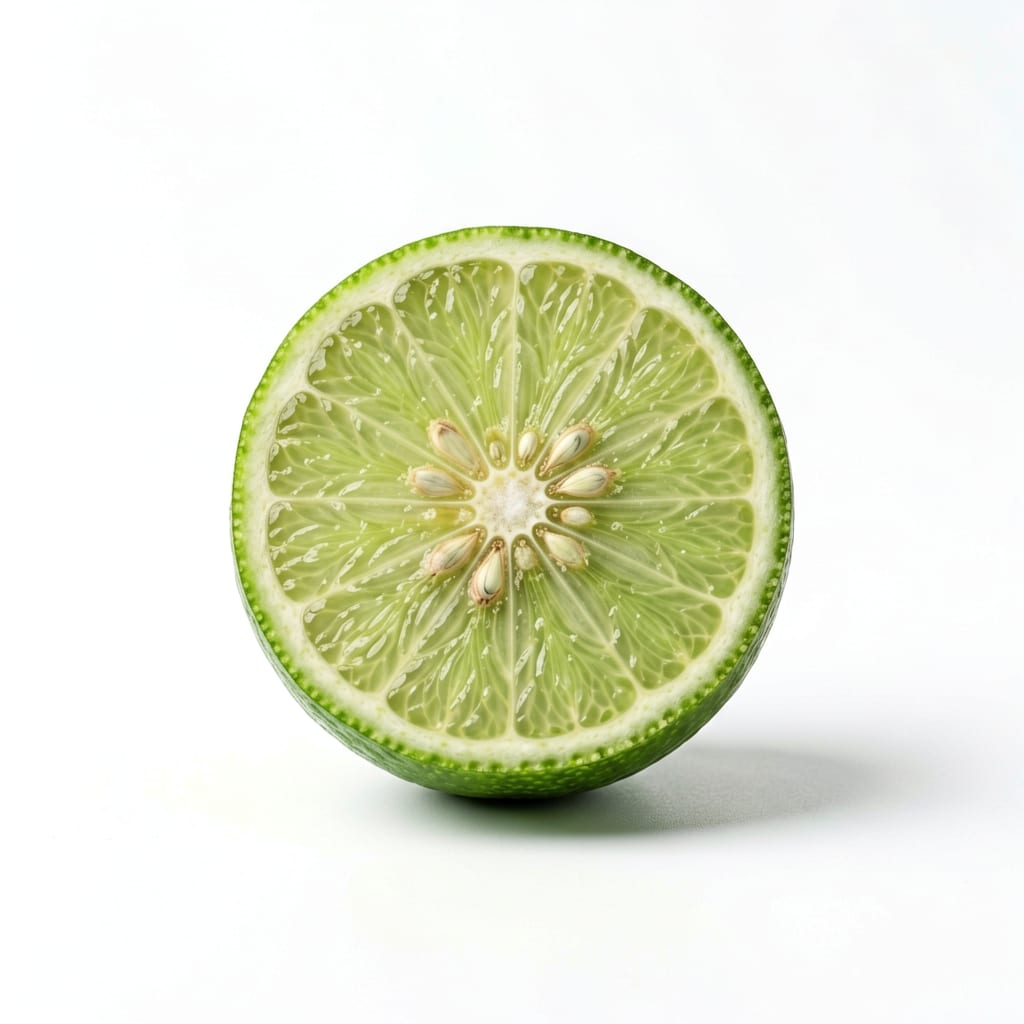
Lime
White Vinegar
Lime provides fresh flavor and real nutrition, while white vinegar offers unmatched shelf stability and blood sugar benefits.
Lime scores higher for nutritional value and culinary versatility, but white vinegar's extreme practicality and metabolic benefits keep it competitive.
Complex citrus flavor and vitamin C versus zero-calorie preservation power and glucose control.
At a glance
Executive summary
Overall
It depends
Healthier
Lime
More practical
White Vinegar
Daily use
It depends
Key comparison lenses
Culinary acidity and flavor profile
Both are primarily used to add sourness, but their flavor complexity differs drastically.
Nutritional contribution
Lime offers vitamins and antioxidants, while white vinegar is nutritionally void.
Metabolic and blood sugar impact
White vinegar has proven blood sugar benefits, whereas lime has minimal metabolic effect.
Household and preservation utility
White vinegar is a powerhouse for pickling and cleaning; lime is strictly culinary.
Best choice for
Lime
- Fresh salsas and guacamole
- Cocktails and beverages
- Immune system support
White Vinegar
- Pickling vegetables
- Blood sugar management before meals
- Budget-friendly household cleaning
Least suitable for
Lime
- Long-term emergency food storage
- Neutral acidity without altering flavor
White Vinegar
- Drinking straight as a health shot
- Dishes requiring fresh citrus aroma
Deep comparison
Dimension by dimension
Each lens scores both foods and breaks down who each option suits.
- Dimension 1 · Priority 85Lime
Nutritional Value
Lime · 85White Vinegar · 5Lime delivers vitamin C and antioxidants, while white vinegar contains virtually zero nutrients.
Tradeoff
You get real vitamins with lime, but vinegar offers a completely empty calorie profile.
Why it matters
If you want your condiments to contribute to your daily nutrient needs, lime is the clear winner.
Real-world impact
Squeezing lime on your tacos gives you a small vitamin boost; white vinegar does nothing for your micronutrient intake.
Lime
- Boosting immune health
- Adding antioxidants to your diet
Better for
- Situations requiring zero sugar trace
Worse for
White Vinegar
- Strict zero-calorie diets
Better for
- Preventing nutrient deficiencies
Worse for
- Dimension 2 · Priority 80White Vinegar
Blood Sugar Control
Lime · 50White Vinegar · 90The acetic acid in white vinegar is proven to blunt blood sugar spikes, while lime juice has a much smaller effect.
Tradeoff
White vinegar is a targeted metabolic tool; lime is just a healthy garnish.
Why it matters
For diabetics or those managing energy crashes, vinegar before a carb-heavy meal is highly effective.
Real-world impact
A tablespoon of white vinegar before pasta can prevent the afternoon energy crash better than a squeeze of lime.
Lime
- Adding flavor without metabolic thought
Better for
- Targeted glucose management
Worse for
White Vinegar
- Reducing glycemic spikes from carbs
- Improving insulin sensitivity
Better for
- Enjoyable flavor when consumed alone
Worse for
- Dimension 3 · Priority 90Lime
Culinary Flavor and Versatility
Lime · 95White Vinegar · 55Lime offers complex, aromatic citrus flavor; white vinegar offers sharp, one-dimensional acidity.
Tradeoff
Lime enhances flavor profiles beautifully; white vinegar mostly just adds sourness.
Why it matters
Fresh lime elevates dishes like guacamole, ceviche, and cocktails in ways white vinegar cannot replicate.
Real-world impact
Substituting white vinegar for lime in a margarita or pico de gallo would completely ruin the dish.
Lime
- Beverages and cocktails
- Fresh raw dishes
- Marinades with citrus notes
Better for
- Preserving food long-term
Worse for
White Vinegar
- Sharp pickling brines
- Cutting richness in heavy stews
Better for
- Delicate fresh flavor profiles
Worse for
- Dimension 4 · Priority 75White Vinegar
Shelf Life and Practicality
Lime · 35White Vinegar · 100White vinegar lasts indefinitely at room temperature; limes spoil within weeks.
Tradeoff
White vinegar is always ready and cheap; limes require fresh inventory management.
Why it matters
For emergency preparedness, pickling, or budget cooking, white vinegar is far more reliable.
Real-world impact
You can keep a bottle of white vinegar in your pantry for years; limes mold in your fruit bowl if ignored.
Lime
- Impressing guests with fresh ingredients
Better for
- Zero-waste meal planning
Worse for
White Vinegar
- Pantry stocking
- Emergency preparedness
- Budget cooking
Better for
- Garnishing plates aesthetically
Worse for
- Dimension 5 · Priority 65It depends
Safety and Side Effects
Lime · 70White Vinegar · 70Lime can cause severe sunburns on skin, while undiluted white vinegar can erode tooth enamel and irritate the throat.
Tradeoff
Topical sun sensitivity from limes versus dental and throat risks from white vinegar.
Why it matters
Both are highly acidic and require respect in how they are handled and consumed.
Real-world impact
Making margaritas in the sun can cause severe hand burns from lime juice; swigging straight white vinegar can damage your teeth.
Lime
- Consuming in small diluted amounts
Better for
- Outdoor cooking in intense sun
Worse for
White Vinegar
- Topical antiseptic use
- Household cleaning
Better for
- Frequent undiluted consumption
Worse for
Timeline
Health impact over time
Short-term
Hours to days
Lime
- Immediate vitamin C boost
- Fresh flavor satisfaction
- Potential acid reflux if consumed in excess
White Vinegar
- Appetite suppression
- Blood sugar blunting if taken before meals
- Throat irritation if consumed undiluted
Long-term
Months to years
Lime
- Improved antioxidant status
- Better skin health from consistent vitamin C
- Potential enamel wear from frequent citrus consumption
White Vinegar
- Better glycemic control over time
- Dental enamel erosion if sipped frequently
- Possible aid in mild weight management
Risk profile
Safety & processing
Lime is a whole, fresh fruit straight from nature. White vinegar is a distilled product of grain alcohol, making it processed but free of artificial additives.
Lime
Phytophotodermatitis
mediumLime juice on skin exposed to sunlight can cause severe burns and blisters, often called margarita burn.
Pesticide residue on peel
lowIf you are zesting limes, non-organic varieties may carry wax and pesticide residues on the skin.
White Vinegar
Dental erosion
mediumFrequent consumption of undiluted white vinegar wears down tooth enamel due to high acidity.
Esophageal irritation
lowSwallowing straight white vinegar can burn the throat and esophagus.
Who wins for whom
Audience fit
Same foods, different winners depending on your goal.
children
LimeLime is much tastier and safer for kids' palates and developing teeth compared to harsh vinegar.
daily consumption
LimeLime is more pleasant and nutrient-dense for daily culinary use, whereas daily straight vinegar can be harsh on teeth.
diabetes
White VinegarThe acetic acid in white vinegar is proven to blunt glucose spikes after carbohydrate-heavy meals.
elderly
LimeLime is gentler on the stomach and provides immune-supporting vitamins helpful in older age.
muscle gain
It dependsNeither is a protein source, but lime offers vitamin C which aids in exercise recovery.
weight loss
White VinegarWhite vinegar helps control blood sugar and suppress appetite without adding calories.
Your move
Decision guide
Choose Lime
- You want fresh, vibrant flavor in your cooking and drinks
- You need a natural source of vitamin C
- You are making Mexican, Thai, or Indian cuisine
Choose White Vinegar
- You need a shelf-stable acid for pickling or cleaning
- You want to blunt a blood sugar spike before a heavy meal
- You want a zero-calorie, zero-flavor-complex sourness
Either works if
- You just need a splash of acidity in a marinade
- You are making a vinaigrette and want some tang
Avoid both if
- You have severe acid reflux or GERD and need a low-acid diet
Final recommendation
Keep both in your kitchen. Use lime for fresh, vibrant dishes and vitamin C; use white vinegar for pickling, cleaning, and metabolic support before carb-heavy meals.
Practical
Consumer tips
- 1
Always dilute white vinegar if drinking it; never take it straight to protect your teeth and throat.
- 2
Wash limes thoroughly before zesting to remove wax and potential pesticide residue.
- 3
Wash your hands thoroughly with soap after handling limes before going into the sun to prevent phytophotodermatitis.
- 4
Use a straw if drinking lime-heavy beverages to protect tooth enamel from the citric acid.