
Nutrition comparison
Lemon vs Lime: Nutrition, Health Benefits, and Which to Choose
Compare lemon and lime nutrition, vitamin C content, health benefits, and culinary uses. Learn which citrus is better for immune support, cooking, and daily wellness routines.
Overall winner · Lemon

Lemon
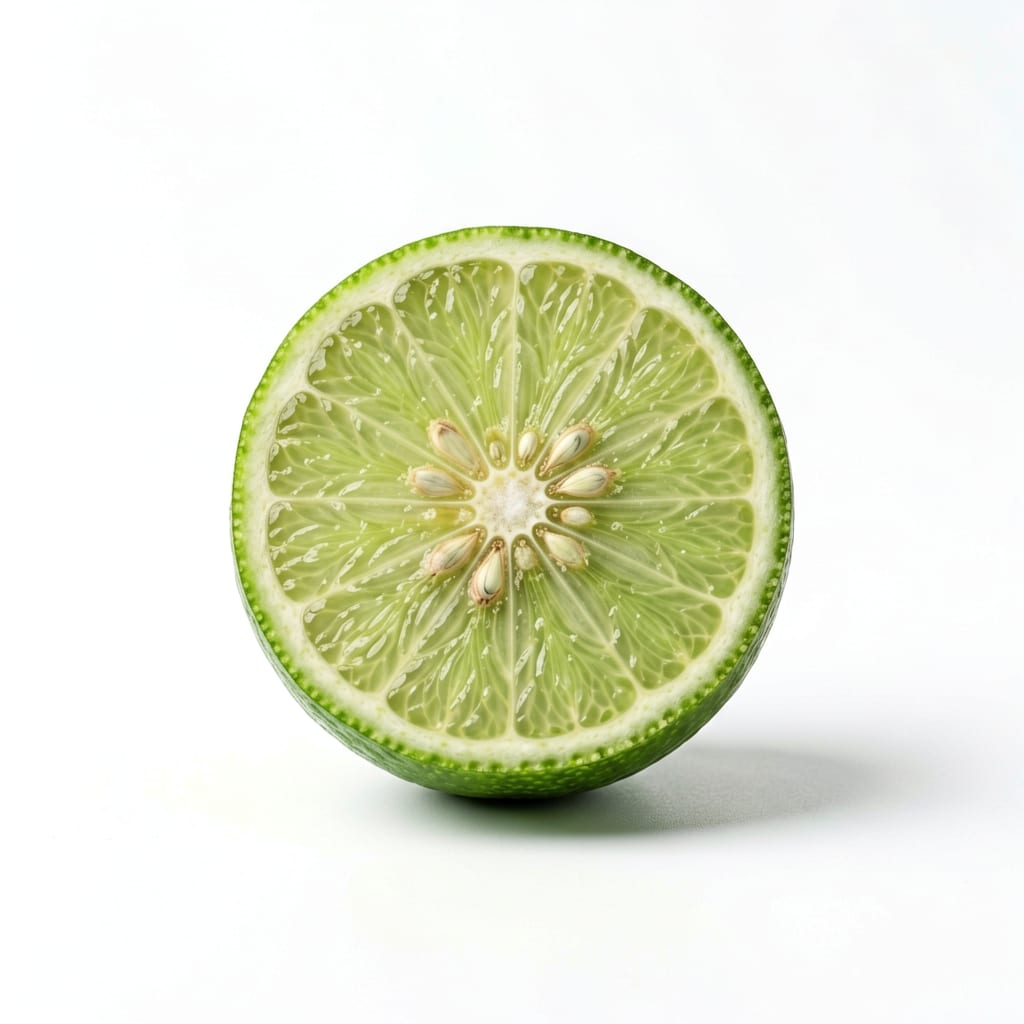
Lime
Lemons edge out limes on vitamin C, juice yield, and everyday versatility, but limes bring a unique flavor profile that no lemon truly replicates.
Lemons score higher due to stronger vitamin C content, larger size yielding more juice, and broader culinary versatility. Limes remain nutritionally solid but offer slightly less per fruit and narrower everyday application.
Lemons give you more nutrition per fruit and broader culinary use; limes deliver a distinctive bitter-sweet tang that defines entire cuisines.
At a glance
Executive summary
Overall
Lemon
Healthier
Lemon
More practical
Lemon
Daily use
Lemon
Key comparison lenses
Vitamin C and antioxidant comparison
Both are prized for vitamin C but differ meaningfully in quantity and antioxidant profile
Culinary and flavor application differences
Users choosing between these are usually deciding based on recipe or flavor needs
Digestive and alkalizing benefits
Both are popular in wellness routines for digestion and pH balance claims
Practical availability and juice yield
Lemons are larger and more available, affecting everyday usability
Immune support and cold prevention
Common reason people reach for citrus in daily life
Best choice for
Lemon
- Morning warm water routines
- Immune support during cold season
- European and Mediterranean cooking
- Getting more juice per fruit
- Household cleaning and non-food uses
Lime
- Mexican, Thai, and Indian dishes
- Cocktail mixing and garnish
- Adding complex bitter-sweet acidity
- Southeast Asian curries and soups
- Avoiding the sweeter lemon flavor
Least suitable for
Lemon
- Authentic Thai and Vietnamese recipes
- Traditional Mexican cuisine
- Cocktails requiring lime's specific bite
Lime
- Getting maximum vitamin C per serving
- Large-batch juicing needs
- Classic European baking recipes
Deep comparison
Dimension by dimension
Each lens scores both foods and breaks down who each option suits.
- Dimension 1 · Priority 93Lemon
Vitamin C Content
Lemon · 88Lime · 72Lemons deliver roughly 53mg of vitamin C per 100g versus lime's 29mg — nearly double the immune-supporting power.
Tradeoff
You would need almost two limes to match one lemon's vitamin C, though both still count as excellent sources.
Why it matters
If you're using citrus specifically for immune support or skin health, lemon gives you noticeably more per serving.
Real-world impact
One lemon in your morning water covers about 70% of daily vitamin C needs. A lime covers closer to 35%.
Lemon
- Immune support during cold season
- Collagen and skin health routines
- Maximizing vitamin C from a single fruit
Better for
- Overkill if you already eat vitamin-C-rich foods
Worse for
Lime
- Still decent vitamin C if you prefer the flavor
- Adding to dishes where lemon tastes wrong
Better for
- Inadequate if citrus is your primary vitamin C source
Worse for
- Dimension 2 · Priority 85It depends
Antioxidant Profile
Lemon · 80Lime · 78Lemons are richer in hesperidin and diosmin; limes offer more flavonol glycosides and unique limonoid compounds. Different but equally valuable.
Tradeoff
Neither is clearly superior — they protect cells through different pathways, making variety the real win.
Why it matters
Antioxidant diversity matters more than quantity. Rotating both gives broader cellular protection than doubling down on one.
Real-world impact
Using lemons some days and limes other days is more beneficial than exclusively choosing either one.
Lemon
- Anti-inflammatory flavonoid intake
- Blood vessel and circulation support
Better for
- Missing the specific limonoids limes provide
Worse for
Lime
- Unique limonoids with potential anti-cancer properties
- Different flavonoid class coverage
Better for
- Less hesperidin, which has strong vascular research behind it
Worse for
- Dimension 3 · Priority 90Lemon
Culinary Versatility
Lemon · 86Lime · 74Lemons fit into far more recipes across global cuisines — from baking to sauces to preserves. Limes shine in specific traditions but have narrower range.
Tradeoff
Lemons are the safer pantry staple; limes are the specialist that transforms certain dishes but sits unused in others.
Why it matters
If you keep only one citrus on hand, lemon covers more cooking scenarios without clashing with flavors.
Real-world impact
Lemon works in pasta, chicken, fish, desserts, dressings, and drinks. Lime is essential for tacos, curries, and mojitos — but awkward in many European dishes.
Lemon
- Everyday cooking across multiple cuisines
- Baking and dessert recipes
- Salad dressings and vinaigrettes
- Preserving and pickling
Better for
- Feels wrong in authentic Latin American recipes
Worse for
Lime
- Mexican, Thai, Vietnamese, and Indian dishes
- Cocktails and beverage garnish
- Marinades for specific ethnic cuisines
Better for
- Overpowering or odd in delicate European preparations
Worse for
- Dimension 4 · Priority 78Lemon
Juice Yield and Practicality
Lemon · 82Lime · 65A typical lemon yields 2-3 tablespoons of juice; a lime gives only 1-2. Lemons are also easier to find year-round in most grocery stores.
Tradeoff
Limes cost more per tablespoon of juice and require more fruits to get the same amount.
Why it matters
For daily warm water routines or batch cooking, lemons are simply more efficient and affordable.
Real-world impact
One lemon covers your morning water plus a salad dressing. You might need two limes for the same tasks.
Lemon
- Cost-effective daily juicing
- Less fruit waste per use
- Wider grocery availability
Better for
- Can be wasteful if you only need a few drops
Worse for
Lime
- Smaller size is perfect when you need just a splash
Better for
- More expensive per ounce of juice
- Harder to find in some regions
Worse for
- Dimension 5 · Priority 72Lemon
Digestive and Wellness Use
Lemon · 76Lime · 72Both stimulate bile production and support digestion, but lemon's milder flavor makes it easier to drink daily on an empty stomach.
Tradeoff
Lime works equally well for digestion but its sharper, more bitter taste is harder for most people to tolerate straight.
Why it matters
Consistency matters more than slight nutritional edges. The one you'll actually drink every morning wins.
Real-world impact
Most people find warm lemon water soothing and sustainable. Warm lime water can feel harsher on the palate and stomach.
Lemon
- Morning warm water ritual
- Gentler on sensitive stomachs
- More pleasant taste for daily consumption
Better for
- Boring if you want flavor variety
Worse for
Lime
- Still effective for digestion if you prefer the taste
- May feel more refreshing in hot climates
Better for
- Bitter edge can cause stomach discomfort on an empty stomach
Worse for
- Dimension 6 · Priority 80Lime
Flavor Complexity
Lemon · 70Lime · 85Limes offer a more complex flavor — bitter, sweet, floral, and acidic all at once. Lemons are cleaner and brighter but more one-dimensional.
Tradeoff
Lime's complexity makes it irreplaceable in certain dishes but harder to use universally without clashing.
Why it matters
When a recipe calls for lime, substituting lemon flattens the flavor. The reverse is less noticeable.
Real-world impact
A squeeze of lime on tacos creates a multi-layered taste experience. Lemon on tacos tastes like a mistake.
Lemon
- Clean bright acidity that blends into anything
- Universal flavor enhancer
Better for
- Can taste flat where complexity is expected
Worse for
Lime
- Multi-dimensional taste that elevates specific dishes
- Creates contrast with spicy and sweet flavors
- Irreplaceable in certain cultural cuisines
Better for
- Can overpower delicate flavor balances
Worse for
Timeline
Health impact over time
Short-term
Hours to days
Lemon
- Quick vitamin C boost supporting immune response
- Stimulates digestion and may reduce bloating
- Mild diuretic effect helping reduce water retention
Lime
- Moderate vitamin C intake with digestive stimulation
- Bitter compounds may enhance bile flow more noticeably
- Refreshing in hot weather, encouraging hydration
Long-term
Months to years
Lemon
- Consistent vitamin C intake supports skin elasticity and wound healing
- Flavonoid intake associated with cardiovascular benefits
- Regular consumption may help reduce kidney stone risk due to citrate
Lime
- Unique limonoids under study for potential anti-cancer properties
- Supports similar cardiovascular and kidney benefits as lemon
- Antioxidant diversity contributes to long-term cellular protection
Risk profile
Safety & processing
Both lemons and limes are whole, unprocessed fruits as typically consumed. The main concern is wax coatings on conventional skins and pesticide residue on peels if you zest them.
Lemon
Pesticide residue on peel
mediumLemon peels often carry pesticide residue. If zesting or using the peel, choose organic or wash thoroughly with baking soda.
Dental enamel erosion
mediumFrequent direct lemon juice contact with teeth can erode enamel over time. Always dilute and rinse mouth afterward.
Wax coating on conventional fruit
lowNon-organic lemons may have food-grade wax. Not harmful but undesirable if using the peel.
Lime
Pesticide residue on peel
mediumSimilar to lemons, lime peels can carry pesticides. Organic is preferable if you use the zest.
Dental enamel erosion
mediumSlightly less acidic than lemon but still erosive with frequent exposure. Same dilution and rinsing advice applies.
Potential contact dermatitis
lowLime juice on skin combined with sun exposure can cause phytophotodermatitis. Wash hands after handling.
Who wins for whom
Audience fit
Same foods, different winners depending on your goal.
children
LemonLemon's milder, sweeter flavor is more palatable for kids. Lime's bitterness is often rejected by young taste buds.
daily consumption
LemonLemon's versatility, availability, and milder taste make it easier to sustain as a daily habit across more contexts.
diabetes
LemonBoth have negligible sugar and won't spike blood glucose. Lemon's higher vitamin C may offer slightly more protection against oxidative stress common in diabetes.
elderly
LemonHigher vitamin C supports aging immune systems and collagen maintenance. Gentler flavor is easier on sensitive digestion.
muscle gain
It dependsNeither is relevant for muscle building. Both can flavor protein meals and support hydration equally.
weight loss
LemonBoth are essentially zero-calorie flavor enhancers, but lemon's larger juice yield makes it more practical for daily water flavoring that replaces sugary drinks.
Your move
Decision guide
Choose Lemon
- You want maximum vitamin C from your citrus
- You drink warm citrus water every morning
- You cook across many different cuisines
- You want one reliable citrus always in the kitchen
- You're on a budget and want more juice per fruit
Choose Lime
- You cook Mexican, Thai, Vietnamese, or Indian food regularly
- You make cocktails at home
- You crave a more complex, bitter-sweet citrus flavor
- You live in a hot climate and want refreshing acidity
- You already have lemons and want flavor variety
Either works if
- You just need a splash of acid to finish a dish
- You want digestive support before meals
- You're adding citrus to water for hydration
- You need zest for a recipe and have one but not the other
Avoid both if
- You have active gastric ulcers or severe acid reflux
- You're on medications that interact with citrus acidity
- You have citrus allergies or oral allergy syndrome
Final recommendation
Keep lemons as your everyday staple and buy limes when specific recipes call for them. Lemon covers more daily needs — from morning water to weeknight cooking — while lime is the specialist that makes certain dishes extraordinary. If budget allows, having both gives you the nutritional diversity and culinary range that neither alone provides.
Practical
Consumer tips
- 1
Roll citrus firmly on the counter before juicing to get up to 20% more liquid
- 2
Choose organic if you plan to use the peel for zest — pesticide residue concentrates on the skin
- 3
Freeze juice in ice cube trays so you always have fresh citrus ready without waste
- 4
Wash limes especially well before handling — the skin oils can cause sun sensitivity reactions on your hands
- 5
Microwaving for 10 seconds before juicing makes both easier to squeeze
- 6
Store both in the fridge to extend shelf life to 3-4 weeks versus one week on the counter
- 7
If substituting lime for lemon in a recipe, use slightly less — lime's bitterness can overwhelm faster than lemon's cleaner sourness