
Nutrition comparison
Lime vs Key Lime: Flavor, Nutrition, and Which to Use When
Compare standard limes and Key limes on taste, nutrition, cost, and practicality. Learn when the flavor upgrade is worth the effort and when to stick with everyday limes.
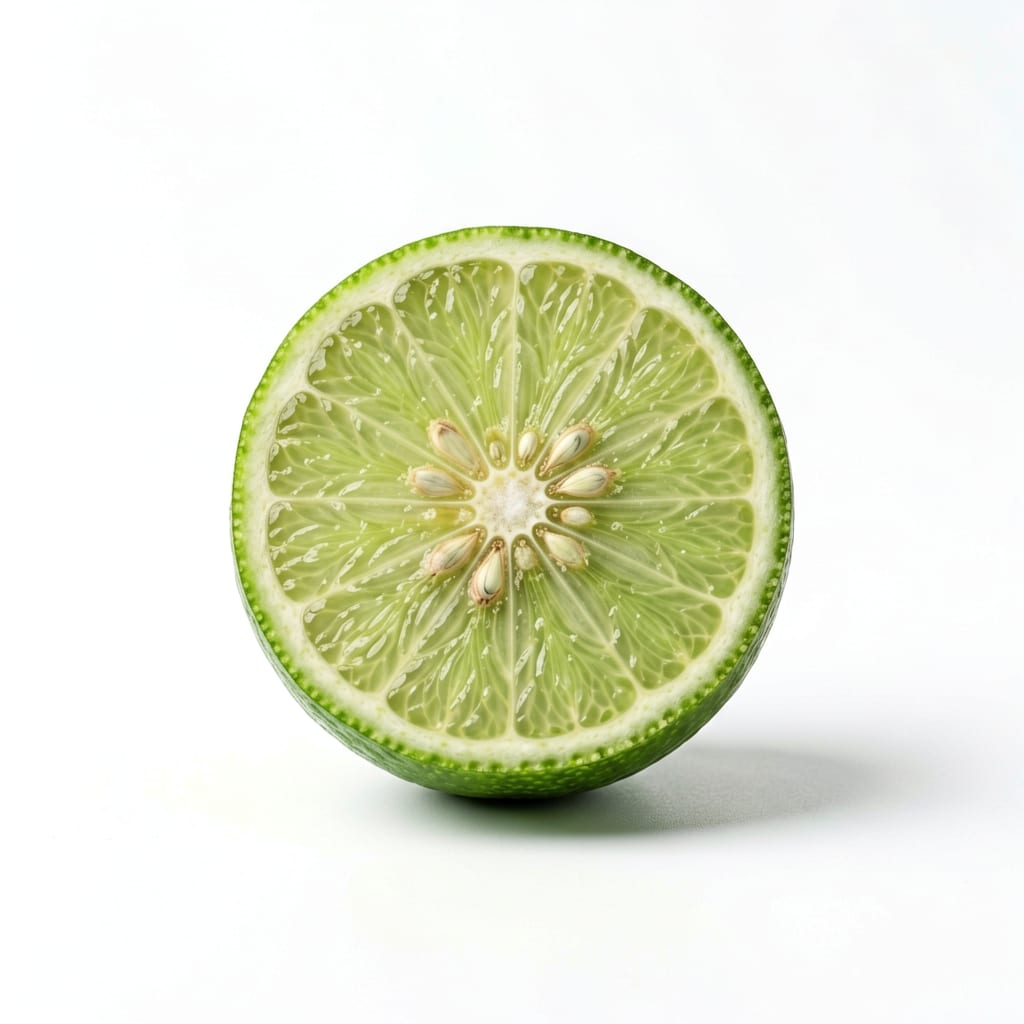
Lime
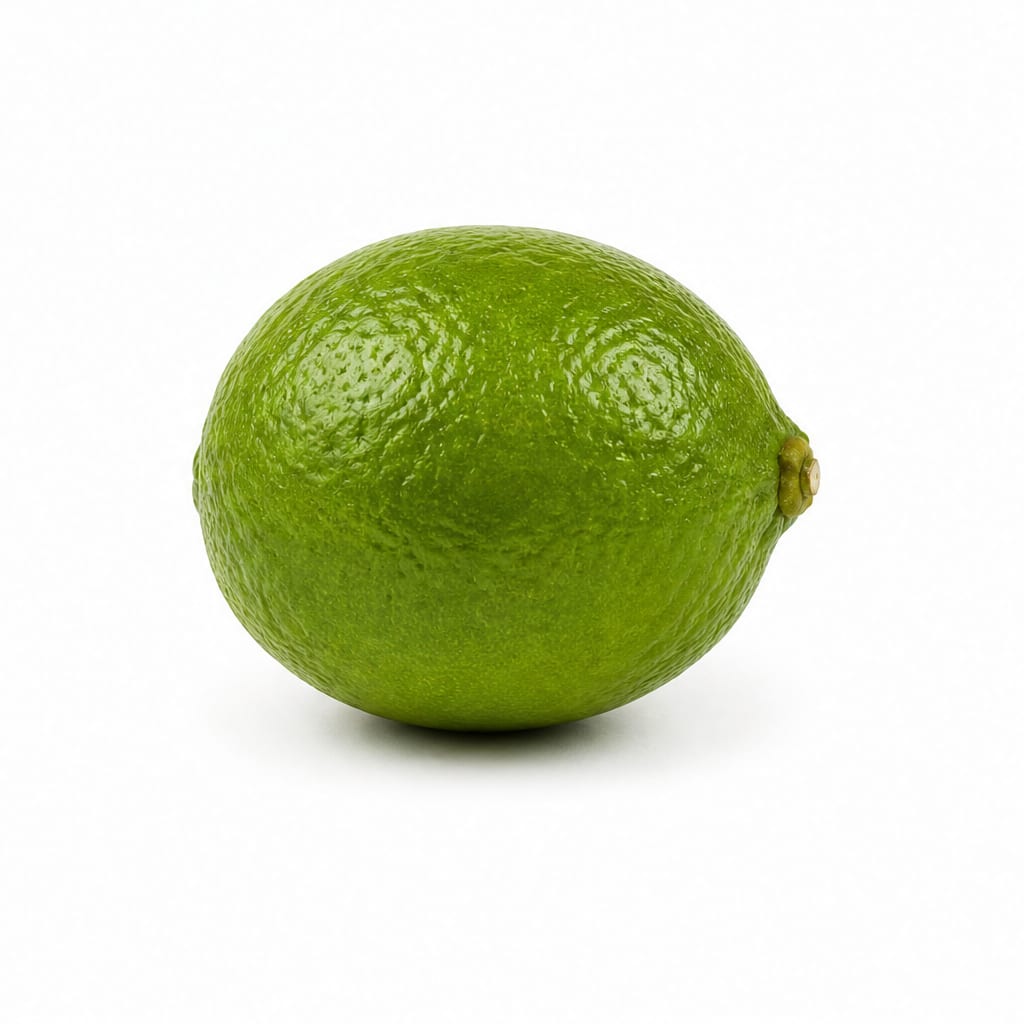
Key Lime
Key limes deliver more complex, floral flavor but standard limes win on convenience and availability. Nutritionally they are nearly identical.
Standard limes score slightly higher due to practicality and accessibility. Key limes score close behind because their superior flavor complexity partially offsets their inconvenience. The small gap reflects that both are healthy, minimally processed foods used in tiny quantities.
Key limes offer a richer, more aromatic taste experience while standard limes are easier to find, cheaper, and more practical for everyday use.
At a glance
Executive summary
Overall
It depends
Healthier
It depends
More practical
Lime
Daily use
Lime
Key comparison lenses
flavor intensity and culinary use
The primary reason anyone chooses between these is taste and recipe suitability
practical availability and cost
Key limes are seasonal and harder to find, affecting real-world decision-making
juice yield and value
Users want to know which gives more usable juice per fruit and per dollar
nutritional density comparison
Both are used in small amounts so micronutrient differences matter less but still exist
Best choice for
Lime
- Everyday cooking and cocktail making
- Budget-conscious shoppers
- People who want year-round availability
- Quick weeknight meals where subtle flavor differences disappear
Key Lime
- Key lime pie and specific desserts where authenticity matters
- Culinary enthusiasts seeking complex floral citrus notes
- Special occasion cooking where aroma elevates the dish
- Anyone who values taste intensity over convenience
Least suitable for
Lime
- Authentic Key lime pie recipes where the distinct aroma is essential
- Gourmets who find standard lime flavor flat or one-dimensional
Key Lime
- Busy weeknight cooking when you need juice fast
- Large-batch recipes requiring lots of juice without high cost
- People in regions where Key limes are unavailable or extremely expensive
Deep comparison
Dimension by dimension
Each lens scores both foods and breaks down who each option suits.
- Dimension 1 · Priority 92Key Lime
flavor_complexity_and_aroma
Lime · 65Key Lime · 90Key limes have a more complex, floral, and aromatic flavor profile that standard limes cannot fully replicate.
Tradeoff
You gain a richer sensory experience with Key limes but sacrifice the convenience of grabbing a standard lime any day of the week.
Why it matters
In dishes where lime is the star ingredient like Key lime pie or certain marinades, the flavor difference is noticeable and worth the effort.
Real-world impact
A Key lime pie made with standard limes tastes good but lacks the distinctive floral perfume that makes the dessert iconic.
Lime
- Recipes where lime is a background note
- Cooking where heat masks subtle aromatic differences
Better for
- Dishes demanding a pronounced citrus bouquet
Worse for
Key Lime
- Desserts where lime flavor is the centerpiece
- Raw or minimally cooked applications where aroma shines
- Craft cocktail enthusiasts who notice nuanced citrus differences
Better for
- Quick preparations where the extra effort yields minimal perceptible gain
Worse for
- Dimension 2 · Priority 60Key Lime
nutritional_value
Lime · 70Key Lime · 74Key limes edge out standard limes slightly on vitamin C and antioxidant content per ounce, but both are used in such small amounts that the practical difference is negligible.
Tradeoff
The nutritional edge is real but irrelevant for most people since you rarely consume enough of either to move the needle on your daily intake.
Why it matters
If you juice several limes daily, the cumulative difference becomes marginally meaningful. For typical use, it does not matter.
Real-world impact
Squeezing one lime over your taco gives you roughly 5mg of vitamin C either way. You would need to consume 10+ limes to see a meaningful gap.
Lime
- People who consume lime juice in large quantities for hydration or flavoring water
Better for
- Micronutrient optimization per gram of fruit
Worse for
Key Lime
- Maximizing micronutrient intake per calorie consumed
- People who already squeeze multiple limes daily
Better for
- Anyone expecting a health transformation from switching lime varieties
Worse for
- Dimension 3 · Priority 85Lime
practicality_and_availability
Lime · 92Key Lime · 45Standard limes are available year-round in virtually every grocery store. Key limes are seasonal, harder to find, and often sold in limited quantities.
Tradeoff
You can always count on a standard lime. Key limes require planning, specialty stores, or online ordering depending on your location.
Why it matters
If you decide to cook on a Tuesday evening, standard limes are waiting at your local store. Key limes may require a dedicated shopping trip.
Real-world impact
Most home cooks substitute standard limes for Key limes simply because they cannot find Key limes when they need them.
Lime
- Spontaneous cooking and weeknight meals
- People without access to specialty grocers
- Consistent year-round recipe planning
Better for
- Culinary purists who refuse to compromise on authenticity
Worse for
Key Lime
- Planned special-occasion baking
- Cooks near specialty markets with reliable stock
Better for
- Last-minute recipe needs
- Rural areas with limited grocery options
- Budget meal planning
Worse for
- Dimension 4 · Priority 75Lime
cost_effectiveness
Lime · 85Key Lime · 50Standard limes are significantly cheaper per fruit and per ounce of juice in most markets.
Tradeoff
Key limes cost more but deliver more intense flavor per drop, so you may need less juice to achieve the same flavor impact.
Why it matters
For large-batch recipes like punch or marinades, the cost difference adds up quickly. For a single pie, the premium is usually tolerable.
Real-world impact
A bag of standard limes costs two to three dollars. Key limes often cost double per pound and yield less total juice per fruit.
Lime
- Budget-conscious households
- High-volume juicing for events or restaurants
- Daily lime water drinkers
Better for
- Situations where you need intense flavor and would use multiple standard limes to match one Key lime
Worse for
Key Lime
- Small-batch recipes where a little juice goes a long way
- Special occasions where a few extra dollars do not matter
Better for
- Catering or large-scale food preparation
- Families watching grocery spending closely
Worse for
- Dimension 5 · Priority 72Lime
juice_yield_and_convenience
Lime · 80Key Lime · 55Standard limes are larger and yield more juice per fruit. Key limes are tiny and require more fruits and more effort to get the same amount of juice.
Tradeoff
Juicing 8 Key limes instead of 2 standard limes takes noticeably more time and hand fatigue.
Why it matters
For a single cocktail, the difference is trivial. For a pie requiring half a cup of juice, juicing Key limes becomes a chore.
Real-world impact
Making Key lime pie from real Key limes means juicing 20 to 30 small fruits by hand or with a small citrus press. Standard limes need only 4 to 6.
Lime
- People with limited hand strength or arthritis
- High-volume juicing needs
- Quick cocktail preparation
Better for
- Situations where you specifically want the smaller, more manageable fruit size
Worse for
Key Lime
- Cooks who find the juicing ritual meditative or rewarding
- Small-quantity uses where yield is less important
Better for
- Anyone with hand or wrist issues
- Time-pressed cooks
- Recipes requiring more than a few tablespoons of juice
Worse for
Timeline
Health impact over time
Short-term
Hours to days
Lime
- Quick vitamin C boost supporting immune function
- Mild digestive aid when juice is consumed before meals
- Refreshing hydration when added to water
Key Lime
- Slightly higher vitamin C per ounce for a marginally stronger immune nudge
- Same digestive benefits as standard lime
- More aromatic experience may enhance satiety and eating satisfaction
Long-term
Months to years
Lime
- Regular citrus consumption supports skin health and collagen production
- Antioxidant flavonoids contribute to cardiovascular health over time
- Low calorie flavor enhancement helps maintain healthy eating patterns
Key Lime
- Slightly denser antioxidant profile may offer marginally more cellular protection
- Same long-term cardiovascular and skin benefits as standard lime
- The pleasure of superior flavor may encourage more home cooking and less processed food
Risk profile
Safety & processing
Both are whole, unprocessed fruits with no additives. Standard limes are sometimes coated with food-grade wax to extend shelf life, while Key limes are typically sold unwaxed due to their thinner, more delicate skin. If avoiding wax is a priority, Key limes or organic standard limes are the cleaner choice.
Lime
pesticide residue on peel
lowConventional limes may carry pesticide residues on the skin. If using zest, choose organic or wash thoroughly.
food-grade wax coating
lowMany standard limes are waxed to preserve freshness. The wax is safe but undesirable if you zest the fruit.
Key Lime
shorter shelf life and mold
mediumKey limes have thinner skin and spoil faster. Mold can develop within days if not refrigerated promptly.
pesticide residue on peel
lowSame concern as standard limes. Wash well before zesting or choose organic.
Who wins for whom
Audience fit
Same foods, different winners depending on your goal.
children
LimeStandard limes are easier to handle, juice, and find. Their milder flavor is also more approachable for kids.
daily consumption
LimeYear-round availability, lower cost, and easier juicing make standard limes the practical daily choice.
diabetes
It dependsBoth have negligible sugar and carbohydrate content. Both are safe and interchangeable for blood sugar management.
elderly
LimeLarger size and easier juicing make standard limes more manageable for anyone with reduced hand strength.
muscle gain
It dependsNeither lime provides protein or significant calories. Both are irrelevant for muscle gain directly.
weight loss
It dependsBoth are essentially calorie-free flavor enhancers. Neither has a meaningful weight loss advantage.
Your move
Decision guide
Choose Lime
- You need lime juice for everyday cooking, cocktails, or water flavoring
- Availability and convenience matter more than peak flavor complexity
- You are on a budget or buying in quantity
- You have limited hand strength or want faster juicing
- You cannot find Key limes in your area
Choose Key Lime
- You are making Key lime pie and want authentic flavor
- You are a culinary enthusiast who appreciates complex floral citrus aromas
- You are preparing a special meal where the extra effort is part of the experience
- You have access to fresh Key limes at a reasonable price
- You find standard lime flavor flat or lacking depth
Either works if
- You only need a squeeze of juice over a dish where subtle aroma is lost
- You are using lime as a garnish where visual appearance matters more than taste
- You are adding acidity to a cooked sauce where heat diminishes aromatic differences
Avoid both if
- You have a citrus allergy
- You are on a low-acid diet for GERD or ulcer management
- You are taking medications that interact with citrus compounds
Final recommendation
Keep standard limes as your everyday staple. They are reliable, affordable, and available. Treat Key limes as a specialty ingredient worth seeking out for specific recipes where their unique floral aroma makes a noticeable difference. For most daily uses, the convenience of standard limes outweighs the flavor advantage of Key limes.
Practical
Consumer tips
- 1
Roll limes firmly on the counter before juicing to break down membranes and get more juice
- 2
Microwaving a lime for 10 seconds can increase juice yield significantly
- 3
If substituting standard limes for Key limes in pie, use slightly less juice and add a tiny pinch of vanilla to approximate the floral notes
- 4
Store both lime varieties in the refrigerator to extend shelf life, especially Key limes which spoil quickly
- 5
Freeze lime juice in ice cube trays for long-term storage when you have excess
- 6
Buy organic limes if you plan to use the zest, to avoid wax and pesticide residues
- 7
Key limes turn yellowish when fully ripe and at their most aromatic. Green Key limes are less sweet and less fragrant.