
Nutrition comparison
Lime vs Calamansi: Nutrition, Flavor, and Which Citrus to Choose
Compare lime and calamansi side by side — vitamin C content, flavor differences, availability, and which one fits your cooking and health goals better.
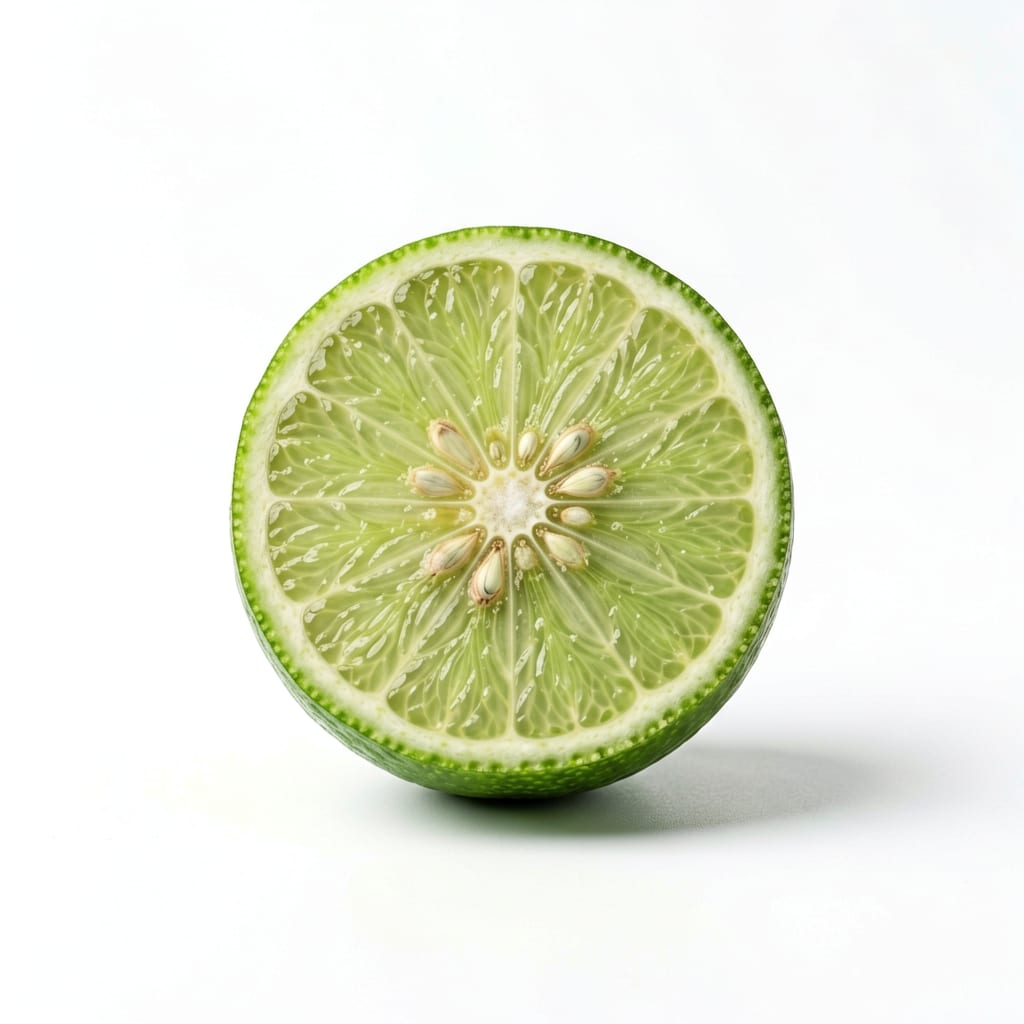
Lime
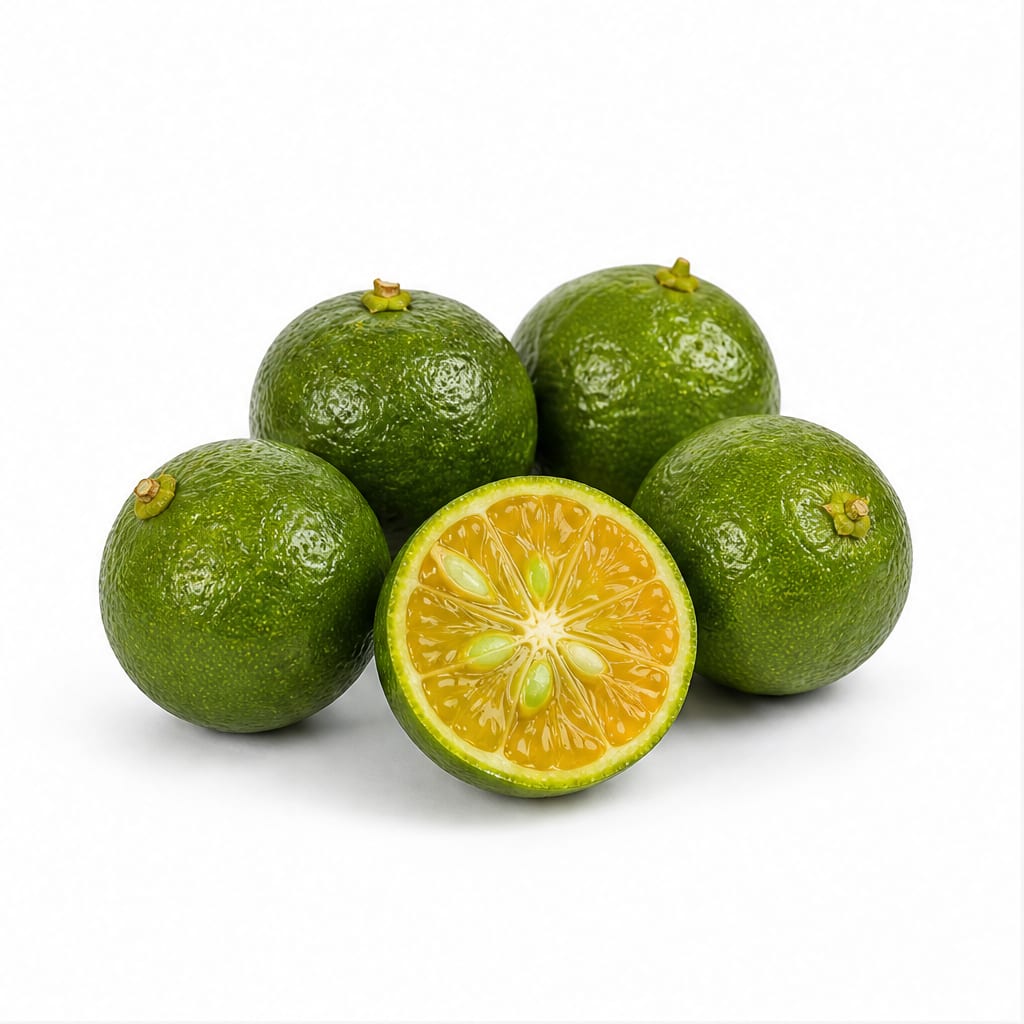
Calamansi
Lime wins on availability and consistent vitamin C, while calamansi offers a more complex flavor and slightly richer antioxidant profile where you can find it.
Lime scores slightly higher due to global availability and practical daily usability. Calamansi edges ahead nutritionally but loses ground on accessibility. The gap is small because both are excellent citrus choices with similar health profiles.
Global reliability versus regional intensity — lime is everywhere, calamansi is special but harder to source.
At a glance
Executive summary
Overall
It depends
Healthier
Calamansi
More practical
Lime
Daily use
Lime
Key comparison lenses
Vitamin C and antioxidant comparison
Both are prized for immune-boosting vitamin C, so users want to know which delivers more
Culinary and flavor versatility
These are primarily used as flavoring agents, so taste and kitchen utility matter greatly
Availability and everyday practicality
Lime is globally available while calamansi is regional, affecting real-world choice
Acidity and digestive impact
Both are highly acidic citrus, so stomach sensitivity and dental concerns are relevant
Traditional and medicinal uses
Calamansi has deep roots in Filipino folk medicine, lime in global herbal traditions
Best choice for
Lime
- People who need reliable access at any grocery store
- Those who prefer a clean, sharp sourness in drinks and cooking
- Anyone managing consistent daily vitamin C intake
- Households outside Southeast Asia
Calamansi
- Filipino and Southeast Asian cuisine enthusiasts
- Those seeking a sweeter, more aromatic citrus kick
- People wanting slightly more vitamin C per serving
- Anyone with access to fresh calamansi or frozen juice
Least suitable for
Lime
- People wanting a sweeter, less harsh sourness
- Those cooking authentic Filipino dishes where calamansi is irreplaceable
Calamansi
- People living where calamansi is unavailable or expensive
- Those who need a consistent year-round supply without specialty shopping
Deep comparison
Dimension by dimension
Each lens scores both foods and breaks down who each option suits.
- Dimension 1 · Priority 92Calamansi
Vitamin C and Antioxidant Content
Lime · 72Calamansi · 81Calamansi delivers slightly more vitamin C per gram and contains unique flavonoids from its kumquat lineage that lime lacks.
Tradeoff
The difference is modest — both easily cover daily vitamin C needs — so this only matters if you are chasing marginal gains.
Why it matters
Vitamin C supports immunity, skin health, and iron absorption. A small edge adds up over years of daily use.
Real-world impact
Squeezing one calamansi gives you roughly 12-14 mg of vitamin C versus about 9-10 mg from an equivalent amount of lime juice. Both are far from the 90 mg daily target alone, so you will need other sources regardless.
Lime
- Consistent vitamin C content regardless of variety or origin
Better for
- Slightly lower antioxidant density compared to calamansi
Worse for
Calamansi
- Higher vitamin C concentration per serving
- Broader flavonoid spectrum from its hybrid genetics
Better for
- Nutritional edge is too small to be a deciding factor alone
Worse for
- Dimension 2 · Priority 88It depends
Flavor Versatility and Culinary Use
Lime · 78Calamansi · 80Lime offers a clean, sharp acidity that works in everything from cocktails to Thai curries. Calamansi brings a sweeter, floral tartness that is irreplaceable in Filipino dishes but less universally applicable.
Tradeoff
Lime adapts to any cuisine; calamansi excels in its niche but cannot always substitute for lime in non-Asian recipes.
Why it matters
If a citrus does not taste right in your cooking, you will not use it regardless of its nutrition.
Real-world impact
A margarita with calamansi tastes oddly sweet. Sinigang with lime tastes sharp but lacks the rounded sourness calamansi provides. Each shines in its own kitchen.
Lime
- Cocktails, Mexican dishes, Thai and Vietnamese cooking
- Any recipe calling for a straightforward sharp sour note
Better for
- Cannot replicate the aromatic sweetness calamansi brings to Filipino food
Worse for
Calamansi
- Filipino dishes like sinigang, pancit, and dipping sauces
- Marinades where a sweeter acid tenderizes and flavors simultaneously
Better for
- Overpowers delicate non-Asian recipes with its mandarin-like fragrance
Worse for
- Dimension 3 · Priority 85Lime
Availability and Practicality
Lime · 95Calamansi · 35Lime is stocked in virtually every grocery store worldwide. Fresh calamansi is hard to find outside the Philippines and parts of Southeast Asia.
Tradeoff
You can buy lime anytime, anywhere. Calamansi often requires specialty Asian markets, frozen juice, or growing your own tree.
Why it matters
The healthiest citrus is the one you actually have on hand when you need it.
Real-world impact
If you live in North America or Europe, finding fresh calamansi means a trip to a Filipino market or ordering online. Lime is at every corner store.
Lime
- Year-round global availability
- No specialty shopping required
- Bottled juice is widely available and affordable
Better for
- None significant — lime is the gold standard for citrus availability
Worse for
Calamansi
- Widely available and cheap if you live in the Philippines or parts of Southeast Asia
Better for
- Extremely limited fresh availability outside its native region
- Frozen or bottled versions lose some nutritional value
Worse for
- Dimension 4 · Priority 75Lime
Acidity and Digestive Tolerance
Lime · 68Calamansi · 62Both are highly acidic, but calamansi tends to be slightly harsher on sensitive stomachs due to its sharper acid blend and stronger essential oil content in the peel.
Tradeoff
Neither is gentle on acid reflux, but lime juice is marginally milder when consumed in small amounts.
Why it matters
If you have GERD, gastritis, or sensitive teeth, even small differences in acidity matter daily.
Real-world impact
Drinking warm calamansi juice on an empty stomach — a common Filipino remedy — can trigger heartburn in prone individuals. Lime in water carries similar risk but is slightly less aggressive.
Lime
- Slightly gentler on sensitive stomachs when diluted
- More predictable acid profile
Better for
- Still highly acidic — not truly gentle on anyone with reflux
Worse for
Calamansi
- The essential oils may stimulate digestion for people without acid sensitivity
Better for
- More likely to trigger heartburn or enamel erosion with frequent undiluted use
Worse for
- Dimension 5 · Priority 70Calamansi
Traditional and Medicinal Value
Lime · 65Calamansi · 78Calamansi has a stronger folk medicine tradition in the Philippines, used for coughs, skin lightening, and detox drinks. Lime has medicinal use too but is more culinary-focused.
Tradeoff
Traditional use does not equal proven efficacy, but it reflects generations of real-world experience and cultural trust.
Why it matters
People often choose remedies they grew up with, and cultural confidence can improve adherence to healthy habits.
Real-world impact
A Filipino household is far more likely to reach for warm calamansi juice at the first sign of a cold. This habitual use means consistent vitamin C intake during illness, which has real benefit regardless of whether the remedy is magical.
Lime
- Widely recognized in Western herbal traditions for scurvy prevention and digestion
Better for
- Less embedded in daily wellness rituals compared to calamansi in Filipino culture
Worse for
Calamansi
- Deep integration into Filipino home remedies for respiratory and skin concerns
- More likely to be used proactively as a wellness drink in its cultural context
Better for
- Some traditional claims like skin bleaching are not well-supported and can cause irritation
Worse for
Timeline
Health impact over time
Short-term
Hours to days
Lime
- Quick vitamin C boost supporting immediate immune function
- Can trigger heartburn or acid reflux if consumed on an empty stomach
- Fresh lime scent may provide mild alertness and mood lift
Calamansi
- Slightly stronger vitamin C hit per squeeze
- May cause more pronounced stomach discomfort in acid-sensitive individuals
- Aromatic oils can provide a comforting, familiar sensory experience in Filipino households
Long-term
Months to years
Lime
- Consistent daily use supports skin collagen and iron absorption
- Frequent undiluted consumption risks dental enamel erosion over years
- Low calorie and zero sugar make it weight-neutral long-term
Calamansi
- Marginal antioxidant advantage may compound over decades of daily use
- Same enamel erosion risk as lime, possibly slightly higher with frequent use
- Cultural habit of daily calamansi drinks creates a sustainable healthy routine
Risk profile
Safety & processing
Both are whole, unprocessed citrus fruits. The only processing concern is bottled juice versions, which may contain preservatives like sodium benzoate or sulfites. Fresh is always the better choice for both.
Lime
Pesticide residue on peel
mediumLime peels often carry pesticide residues since citrus is heavily sprayed. Washing helps, but if you zest or drop wedges in drinks, choose organic when possible.
Wax coating on store-bought limes
lowCommercial limes are often coated with food-grade wax to extend shelf life. Harmless for juicing, but avoid zesting conventionally grown limes.
Calamansi
Pesticide residue on peel
mediumSimilar to lime, calamansi peels can carry pesticide residues. Since calamansi is often grown in home gardens in the Philippines, this risk varies widely by source.
Contamination in imported frozen juice
lowFrozen calamansi juice sold outside Southeast Asia may contain added sugars or preservatives not listed clearly. Read labels carefully.
Who wins for whom
Audience fit
Same foods, different winners depending on your goal.
children
CalamansiCalamansi's sweeter, less harsh flavor is easier for kids to tolerate in diluted drinks. Lime's sharp sourness can be off-putting for young palates.
daily consumption
LimeLime's universal availability makes daily use realistic anywhere in the world. You cannot use calamansi daily if you cannot buy it.
diabetes
It dependsBoth have negligible sugar and minimal glycemic impact. Calamansi has slightly more natural sugar but not enough to matter. Both are safe for blood sugar management.
elderly
LimeLime's milder acidity is gentler on aging digestive systems, and its widespread availability makes it easier for elderly individuals to maintain consistent use.
muscle gain
It dependsNeither is relevant for muscle gain. Both provide negligible protein or calories. The only benefit is that citrus juice in water may encourage better hydration.
weight loss
It dependsBoth are essentially zero-calorie flavor enhancers. Neither moves the needle on weight loss directly, but both help make water and healthy food more enjoyable without adding calories.
Your move
Decision guide
Choose Lime
- You live outside Southeast Asia and want reliable access
- You cook a wide range of global cuisines
- You want a straightforward sharp sourness for drinks and recipes
- You have acid sensitivity and want the marginally gentler option
Choose Calamansi
- You cook Filipino or Southeast Asian dishes regularly
- You prefer a sweeter, more aromatic citrus flavor
- You have access to fresh or high-quality frozen calamansi
- You want a citrus that doubles as a cultural wellness ritual
Either works if
- You just need a vitamin C boost and both are available
- You are adding a splash of acid to water for hydration
- You are using small amounts as a garnish or finishing touch
Avoid both if
- You have active GERD or severe acid reflux and cannot tolerate any citrus
- You have enamel erosion and your dentist has advised against acidic drinks
- You are allergic to citrus
Final recommendation
Keep limes on hand for everyday reliability. If you have access to fresh calamansi, treat it as a specialty ingredient that elevates specific dishes and provides a slightly richer nutrient boost. Neither is a health game-changer alone — the best citrus is the one you will actually squeeze into your water and meals consistently.
Practical
Consumer tips
- 1
If you buy bottled calamansi juice, check for added sugar — many commercial brands sneak it in
- 2
Wash lime and calamansi peels thoroughly before zesting or dropping wedges into drinks
- 3
Dilute either juice in water rather than drinking it straight to protect your tooth enamel
- 4
Growing a calamansi tree at home is surprisingly easy in warm climates and gives you free, fresh fruit year-round
- 5
If you cannot find fresh calamansi, a mix of lime juice and a tiny splash of orange juice approximates its flavor reasonably well