
Nutrition comparison
Lime vs Clementine: Which Citrus Is Better for You?
Compare lime and clementine nutrition including vitamin C, sugar, fiber, and practical daily use. Find out which citrus fits your health goals better.
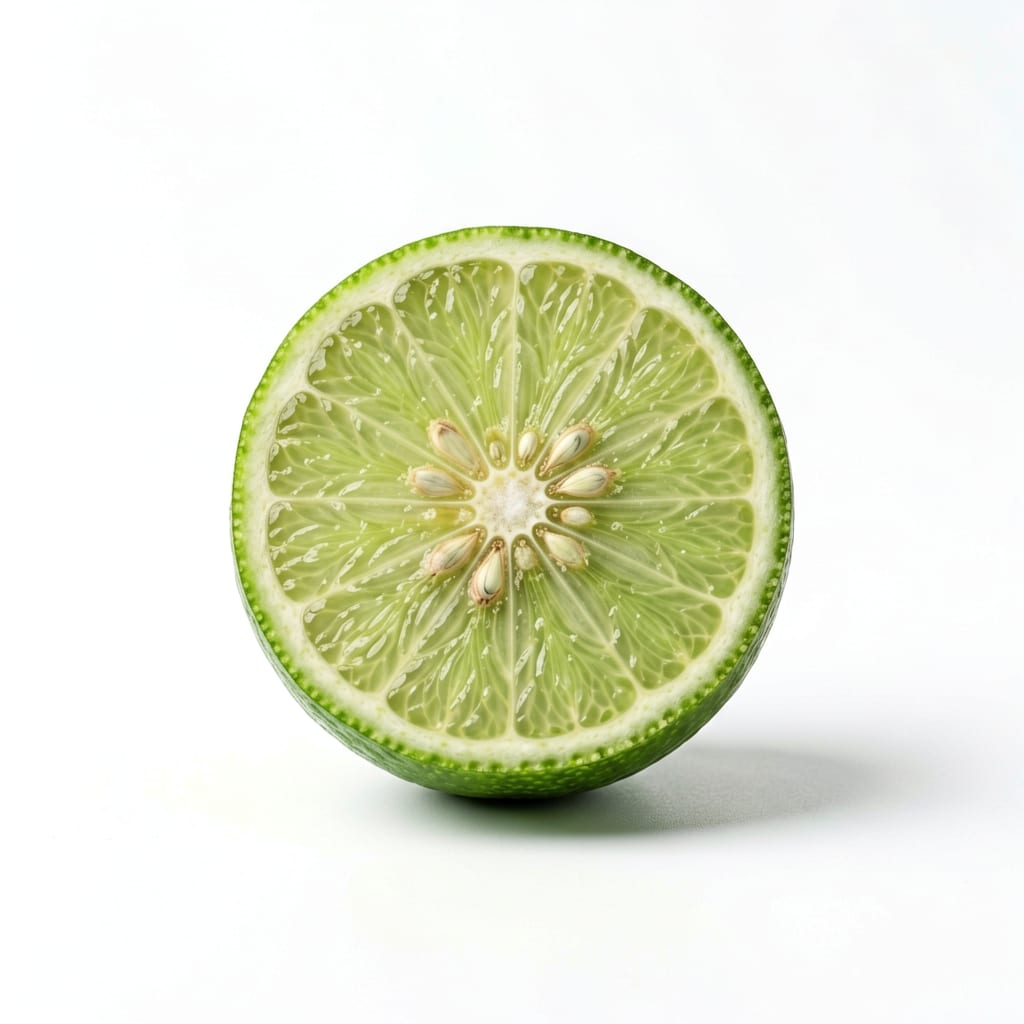
Lime
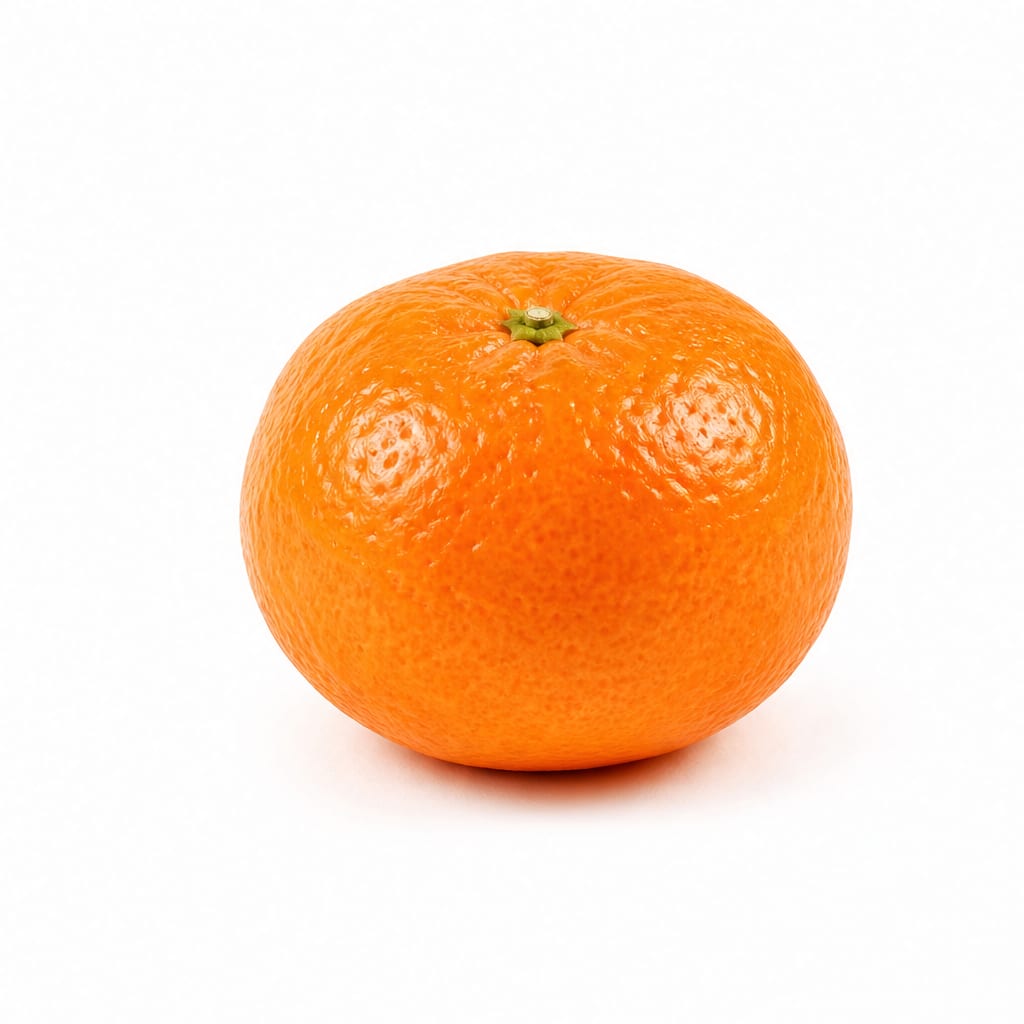
Clementine
Clementine is the better everyday snack with more fiber and satisfying sweetness, while lime delivers concentrated vitamin C with almost no sugar but requires culinary effort to consume meaningfully.
Clementine scores higher primarily on practicality and satiety. Lime wins on sugar control and nutrient density per calorie but loses badly on eatability, which matters enormously for real-world nutrition adherence.
Convenience and enjoyment versus sugar control and concentrated nutrients
At a glance
Executive summary
Overall
It depends
Healthier
It depends
More practical
Clementine
Daily use
Clementine
Key comparison lenses
Vitamin C source comparison
Both are citrus fruits primarily valued for vitamin C, but delivery methods differ dramatically
Snack fruit vs flavor enhancer decision
Lime is rarely eaten alone while clementine is a classic grab-and-go snack
Sugar and blood sugar impact
Clementine carries significantly more sugar which matters for glucose-sensitive users
Daily fruit habit sustainability
Ease of eating and enjoyment determine whether someone actually maintains a fruit habit
Best choice for
Lime
- People strictly limiting sugar intake
- Those wanting intense flavor without calories
- Cocktail and cooking enthusiasts
- Anyone needing low-glycemic citrus flavor
Clementine
- Kids who need a fun easy fruit
- Office workers wanting a portable snack
- People struggling to eat enough fruit daily
- Anyone wanting fiber with their vitamin C
Least suitable for
Lime
- People wanting a filling standalone snack
- Children who dislike sour flavors
- Anyone with acid sensitivity or GERD
- Those seeking effortless fruit consumption
Clementine
- People on strict low-sugar diets
- Those managing insulin resistance carefully
- Anyone watching carbohydrate intake closely
Deep comparison
Dimension by dimension
Each lens scores both foods and breaks down who each option suits.
- Dimension 1 · Priority 92Lime
Vitamin C Delivery
Lime · 88Clementine · 75Lime packs more vitamin C per calorie, but clementine delivers more per actual serving since you eat the whole fruit.
Tradeoff
Lime is more efficient on paper but you would need to juice multiple limes to match one clementine's total vitamin C
Why it matters
Vitamin C is the main reason people reach for citrus, so how easily you actually get it matters more than density charts
Real-world impact
One clementine gives you about 36mg vitamin C eaten casually. Getting equivalent from lime requires juicing and probably adding water or sweetener.
Lime
- Maximizing vitamin C per calorie consumed
- Adding vitamin C to beverages and recipes
Better for
- Anyone unwilling to juice or prep
- Situations requiring quick on-the-go nutrition
Worse for
Clementine
- Getting a reliable daily vitamin C dose without effort
- Children who need simple fruit-based vitamin C
Better for
- Those counting every gram of sugar alongside vitamin C
Worse for
- Dimension 2 · Priority 85Lime
Sugar and Blood Sugar Impact
Lime · 92Clementine · 60Lime contains roughly 1g sugar per fruit versus clementine's 9g. This gap is massive for anyone monitoring glucose.
Tradeoff
Clementine's sugar comes with fiber that slows absorption, but the total load is still meaningfully higher
Why it matters
For diabetics, insulin-resistant individuals, or keto adherents, this difference alone could determine the choice
Real-world impact
Eating two clementines means 18g sugar. Two limes juiced into water adds barely 2g with similar flavor satisfaction.
Lime
- Diabetics managing blood glucose tightly
- Keto and very-low-carb dieters
- People trying to break sugar cravings
Better for
- Active people who benefit from natural fruit sugars post-workout
Worse for
Clementine
- Athletes needing quick natural carbohydrate
- People with healthy blood sugar wanting satisfying sweetness
Better for
- Anyone with metabolic syndrome or prediabetes
- Those tracking daily sugar grams carefully
Worse for
- Dimension 3 · Priority 88Clementine
Snackability and Convenience
Lime · 25Clementine · 93Clementines are arguably the most convenient fruit in existence. Limes require cutting, juicing, or zesting to be useful.
Tradeoff
You will actually eat clementines regularly. Limes often sit in the fridge until they go bad.
Why it matters
The healthiest food is the one you actually eat consistently. Convenience drives adherence more than nutrition facts.
Real-world impact
A clementine can be peeled and eaten in 30 seconds at your desk. A lime requires a knife, cutting board, and probably a recipe.
Lime
- Home cooks who already prep meals regularly
- People who enjoy making flavored water
Better for
- People who need zero-prep snack options
- Anyone eating at their desk or in the car
Worse for
Clementine
- Busy professionals needing grab-and-go fruit
- Parents packing school lunches
- Anyone trying to build a daily fruit habit
Better for
- Situations where you need just a splash of flavor, not a whole fruit
Worse for
- Dimension 4 · Priority 78Clementine
Fiber and Satiety
Lime · 30Clementine · 80A clementine provides about 1.3g fiber per fruit. Lime offers roughly 0.4g per fruit, and most people only use the juice.
Tradeoff
Clementine fills you up slightly and supports digestion. Lime barely moves the needle on satiety.
Why it matters
Fiber is the difference between a snack that holds you over and one that leaves you hungry again in 20 minutes
Real-world impact
A clementine at 3pm can bridge you to dinner. Lime water might taste refreshing but will not touch your hunger.
Lime
- Those using lime as flavor rather than a satiety source
Better for
- Those relying on fruit to stay full between meals
Worse for
Clementine
- People trying to reduce between-meal snacking
- Anyone needing gentle digestive support from fruit fiber
Better for
- Situations where low fiber is actually preferred, like before intense exercise
Worse for
- Dimension 5 · Priority 72Lime
Culinary Versatility
Lime · 90Clementine · 45Lime transforms water, cocktails, marinades, dressings, and desserts. Clementine is mostly just eaten plain.
Tradeoff
Lime makes other foods and drinks healthier and more enjoyable. Clementine is a one-trick snack.
Why it matters
A food that improves your overall diet by making healthy options tastier has indirect nutritional value beyond its own nutrients
Real-world impact
Squeezing lime on tacos replaces high-calorie sauces. Lime in water replaces soda. Clementine cannot do this.
Lime
- Home cooks wanting to reduce reliance on heavy sauces
- Anyone trying to drink more water by flavoring it
- Cocktail enthusiasts making healthier drinks
Better for
- Those who do not cook or prepare beverages
Worse for
Clementine
- People who want simple no-thought fruit consumption
Better for
- Adventurous cooks wanting a multi-purpose citrus
Worse for
- Dimension 6 · Priority 65Clementine
Digestive Tolerance
Lime · 45Clementine · 82Lime's high acidity can trigger heartburn, reflux, or mouth sores in sensitive people. Clementine is gentle on most stomachs.
Tradeoff
Lime's acidity is what makes it culinarily powerful but also what makes it problematic for some digestive systems
Why it matters
Acid reflux affects roughly 20% of adults weekly. For them, lime can be genuinely uncomfortable.
Real-world impact
Eating a clementine before bed is fine for most people. Drinking lime water at night could mean heartburn.
Lime
- Those without any acid sensitivity issues
Better for
- GERD sufferers
- People with mouth ulcers or sensitive teeth
Worse for
Clementine
- People with GERD or acid reflux
- Those with sensitive stomachs
- Anyone eating fruit close to bedtime
Better for
- Those who find sweet fruit triggers sugar cravings at night
Worse for
Timeline
Health impact over time
Short-term
Hours to days
Lime
- Quick hydration boost when added to water
- May cause acid reflux symptoms in sensitive individuals
- Refreshing flavor can reduce desire for sugary drinks
Clementine
- Mild blood sugar rise within 30-45 minutes
- Light satiety that lasts about an hour
- Quick natural energy from easily digested carbohydrates
Long-term
Months to years
Lime
- Consistent use may reduce sugary beverage consumption significantly
- Vitamin C supports immune function and collagen over time
- Acid exposure could gradually affect tooth enamel if consumed excessively
Clementine
- Regular fruit consumption supports cardiovascular health markers
- Fiber contributes to healthier gut microbiome over months
- Habitual snacking on clementines may displace less healthy snack choices
Risk profile
Safety & processing
Both are whole natural fruits with no processing concerns. Choose organic for either if you are zesting the peel, as citrus skins can carry pesticide residues.
Lime
Pesticide residue on peel
mediumLime zest is commonly used in cooking. Non-organic lime peel can carry significant pesticide residues that concentrate in the oil.
Tooth enamel erosion
lowFrequent direct lime juice consumption can erode enamel over time. Rinsing with water after helps mitigate this.
Phytophotodermatitis
lowLime juice on skin combined with sun exposure can cause severe burns. Relevant for bartenders and outdoor cooks.
Clementine
Pesticide residue on peel
lowClementine peel is rarely eaten, so residue matters less. Still worth washing if handling before peeling.
Mold under peel
lowClementines can develop internal mold that is not visible from outside. Check for soft spots and unusual lightness.
Who wins for whom
Audience fit
Same foods, different winners depending on your goal.
children
ClementineClementines are sweet, easy to peel, fun to eat, and kid-friendly. Lime is too sour for most children to enjoy directly.
daily consumption
ClementineClementine is enjoyable and effortless to eat daily. Lime requires preparation and most people will not sustain daily juicing.
diabetes
LimeWith roughly 1g sugar per fruit versus 9g, lime keeps glucose impact minimal while still providing citrus flavor satisfaction.
elderly
ClementineClementines are easy to peel with arthritic hands, gentle on the stomach, and provide hydration and fiber older adults often lack.
muscle gain
ClementineClementine provides quick-digesting carbs useful around workouts and more total energy to support training.
weight loss
LimeLime adds flavor to meals and drinks with negligible calories and sugar, making it easier to maintain a deficit without feeling deprived.
Your move
Decision guide
Choose Lime
- You are cutting sugar or following a low-carb diet
- You want to flavor water naturally to stay hydrated
- You cook frequently and want a versatile flavor enhancer
- You have acid reflux under control and want maximum vitamin C per calorie
Choose Clementine
- You want a satisfying snack fruit you will actually eat every day
- You are packing lunches or need portable fruit
- You have kids who need to enjoy eating fruit
- You want fiber and fullness from your fruit, not just flavor
Either works if
- You simply want more vitamin C in your diet
- You enjoy citrus and want variety in your fruit rotation
- You are generally healthy without strict sugar or acid constraints
Avoid both if
- You have citrus allergies
- You are on medications that interact with citrus, especially grapefruit-family cross-reactions
Final recommendation
Keep both stocked but for different purposes. Use clementines as your daily snack fruit for consistency and satisfaction. Keep limes for flavoring water, cooking, and replacing higher-calorie condiments. If you must pick one, clementine wins for most people because you will actually eat it regularly.
Practical
Consumer tips
- 1
Buy organic limes if you plan to zest the peel. Pesticide residues concentrate in citrus oils.
- 2
Squeeze lime into your water bottle first thing in the morning. It makes hydration feel less boring with almost zero calories.
- 3
Choose clementines that feel heavy for their size. Light ones are often dried out inside.
- 4
Store clementines in the fridge if you will not eat them within 4-5 days. They last up to 3 weeks refrigerated.
- 5
Roll limes on the counter before juicing. You will get significantly more juice per fruit.
- 6
If lime bothers your stomach, try just a thin slice in a large glass of water rather than full-strength juice.