
Nutrition comparison
Lime vs Pomelo: Nutrition, Health Benefits & Which is Better
Compare Lime vs Pomelo to see which citrus fruit is healthier. Discover the differences in vitamin C, sugar, digestion, and the best uses for each fruit.
Overall winner · Pomelo

Lime
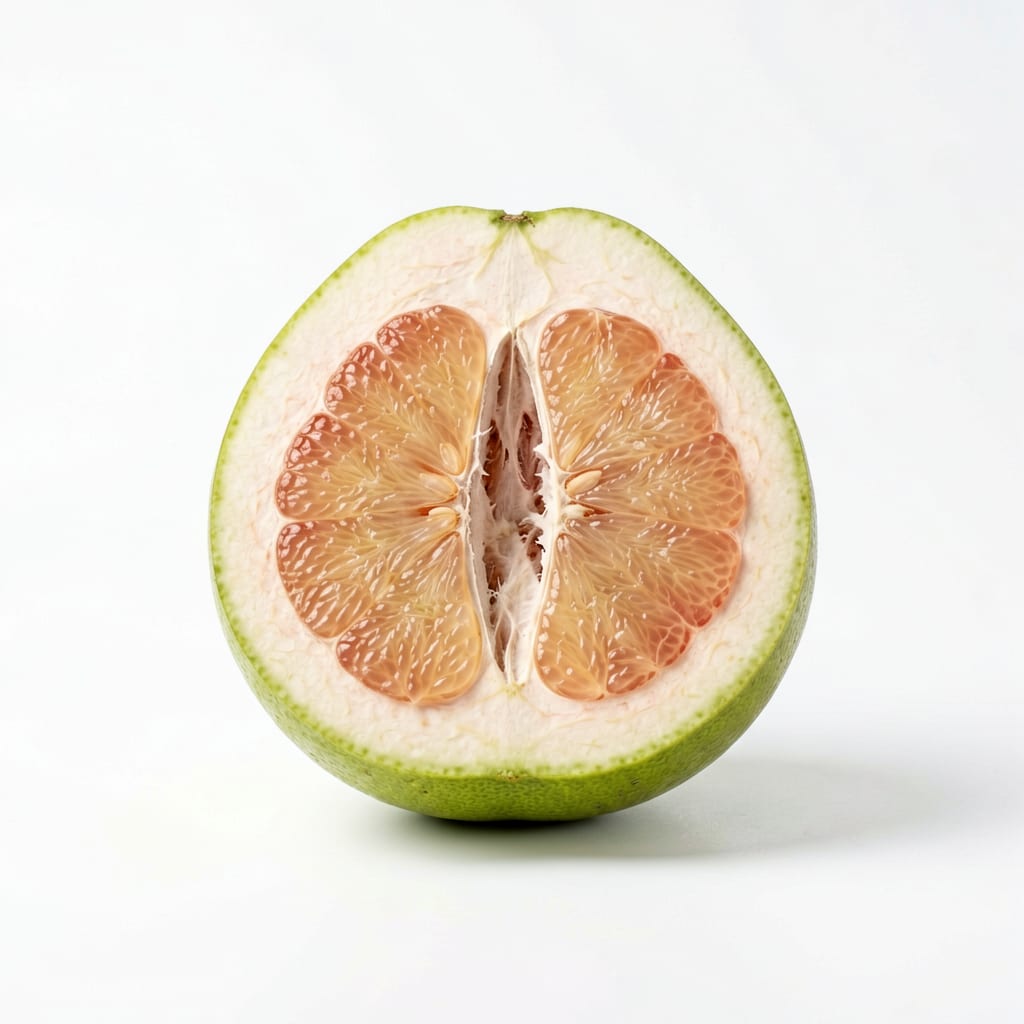
Pomelo
Pomelo wins as a satisfying, whole-food snack, while Lime excels as a zero-calorie flavor enhancer.
Pomelo scores higher because it functions as a complete, filling snack with broad nutritional benefits. Lime scores lower as a daily staple because it is primarily a condiment, not a standalone food.
Pomelo offers filling fiber and gentle sweetness you can eat by the bowl, whereas Lime provides intense flavor and vitamin C density with virtually no calories but is too harsh to eat whole.
At a glance
Executive summary
Overall
Pomelo
Healthier
Pomelo
More practical
Pomelo
Daily use
Pomelo
Key comparison lenses
Comparing citrus fruits for daily nutrition and snacking
Users often want to know which citrus fruit offers better daily health benefits and a more satisfying eating experience.
Vitamin C and antioxidant intake
Both are famous for vitamin C, but the delivery method and total volume differ greatly.
Acidity and digestive comfort
Lime is highly acidic and used in small amounts, while Pomelo is gentle and eaten in large portions.
Best choice for
Lime
- Flavoring water and meals without adding sugar
- Boosting iron absorption from plant foods
- Strict low-carb or zero-sugar diets
Pomelo
- A filling, refreshing afternoon snack
- Getting a substantial dose of fiber and potassium
- Gentle digestion for sensitive stomachs
Least suitable for
Lime
- Eating whole as a snack due to high acidity
- People with acid reflux or GERD
- Those looking for a filling, energy-providing fruit
Pomelo
- Strict ketogenic diets due to carb content
- People taking statins or drugs interacting with furanocoumarins
- Quick on-the-go flavor needs
Deep comparison
Dimension by dimension
Each lens scores both foods and breaks down who each option suits.
- Dimension 1 · Priority 90Lime
Vitamin C & Antioxidant Density
Lime · 92Pomelo · 80Lime packs more vitamin C per calorie, but Pomelo delivers a larger total dose per serving because you eat much more of it.
Tradeoff
Lime is nutritionally denser, but you only consume a squeeze. Pomelo is less dense but provides a meaningful volume of antioxidants.
Why it matters
If you want maximum nutrients with zero calories, Lime is unbeatable. If you want a substantial antioxidant boost while actually feeling full, Pomelo is better.
Real-world impact
Squeezing Lime over your salad gives you a quick nutrient spike with no energy cost. Eating half a Pomelo gives you a steady, filling dose of vitamins that carries you to the next meal.
Lime
- Maximizing nutrient density per calorie
- Enhancing iron absorption from meals
Better for
- Total vitamin C consumed is small due to portion size
Worse for
Pomelo
- Getting a large total volume of vitamin C
- Sustained antioxidant intake throughout the day
Better for
- Lower concentration of nutrients per calorie compared to Lime
Worse for
- Dimension 2 · Priority 85Pomelo
Satiety & Whole-Food Usability
Lime · 20Pomelo · 90Pomelo is a substantial, filling snack. Lime is a garnish that provides almost zero satiety.
Tradeoff
You can eat Pomelo as a standalone meal component, while Lime can only accompany other foods to add flavor.
Why it matters
Foods that keep you full prevent overeating later. Pomelo’s fiber and water volume make it highly satisfying.
Real-world impact
A bowl of Pomelo segments can easily tide you over until dinner. A Lime wedge just makes your water taste better.
Lime
- Adding flavor without adding fullness
Better for
- Cannot be eaten as a standalone snack
Worse for
Pomelo
- Curbing afternoon hunger
- Replacing higher-calorie snacks
Better for
- Requires time to peel and segment
Worse for
- Dimension 3 · Priority 80Pomelo
Digestive Tolerance & Acidity
Lime · 45Pomelo · 85Lime is highly acidic and can trigger heartburn, while Pomelo is one of the gentlest citrus fruits on the stomach.
Tradeoff
Lime’s acidity makes it a great digestive aid in tiny amounts, but harsh in large amounts. Pomelo is mild and easy to eat in quantity.
Why it matters
If you have a sensitive stomach or acid reflux, citrus choices matter a lot for your daily comfort.
Real-world impact
Eating a whole Lime would ruin your stomach for hours. Eating a whole Pomelo feels light, refreshing, and comforting.
Lime
- Stimulating digestion in small doses before a meal
Better for
- High risk of acid reflux and tooth enamel erosion
Worse for
Pomelo
- Eating without triggering heartburn or reflux
- Comforting an upset stomach with mild fruit
Better for
- Very mild, may not stimulate digestion as effectively
Worse for
- Dimension 4 · Priority 75Lime
Blood Sugar & Metabolic Impact
Lime · 95Pomelo · 75Lime has virtually zero sugar and no blood sugar impact. Pomelo has moderate sugar but remains low-glycemic due to fiber.
Tradeoff
Lime is the ultimate zero-consequence flavoring. Pomelo has carbs to manage but won't spike your blood sugar wildly.
Why it matters
For diabetics or strict keto followers, every gram of sugar counts. Lime offers flavor freedom; Pomelo requires portion awareness.
Real-world impact
You can use Lime juice freely all day without a second thought. With Pomelo, you need to account for the carbs in your daily budget.
Lime
- Strict blood sugar management
- Ketogenic and very low-carb diets
Better for
- Provides zero energy for fueling activity
Worse for
Pomelo
- Providing steady energy from natural carbs
- Replenishing glycogen after a workout
Better for
- Carb content requires tracking for strict diets
Worse for
Timeline
Health impact over time
Short-term
Hours to days
Lime
- Instant flavor enhancement without calories
- Can trigger heartburn if consumed in excess
- Helps delay browning of cut fruits
Pomelo
- Provides quick, steady energy from natural sugars
- Hydrating and filling due to high water content
- Gentle on the digestive tract
Long-term
Months to years
Lime
- May contribute to tooth enamel erosion if used excessively
- Consistent vitamin C intake supports immune function
- Helps maintain low-sugar dietary habits
Pomelo
- Supports cardiovascular health through potassium and fiber
- Regular fiber intake promotes healthy gut motility
- Sustained vitamin C intake improves skin health and immunity
Risk profile
Safety & processing
Both Lime and Pomelo are whole, natural fruits typically eaten in their unprocessed state. The only concern is commercial Lime juices, which may contain preservatives, whereas whole Pomelos are almost always eaten fresh.
Lime
Tooth enamel erosion
mediumFrequent exposure to high acidity from Lime juice can wear down tooth enamel over time.
Phytophotodermatitis
lowHandling Lime juice in direct sunlight can cause a severe skin reaction known as margarita burn.
Pomelo
Drug interactions
mediumLike grapefruit, Pomelo contains furanocoumarins that can interfere with how certain medications, like statins, are metabolized.
Who wins for whom
Audience fit
Same foods, different winners depending on your goal.
children
PomeloPomelo is sweet, mild, and fun to peel and eat, making it a kid-friendly fruit. Lime is too sour for most children.
daily consumption
PomeloPomelo serves as a substantial daily fruit serving. Lime is best used as a daily condiment, not a primary food.
diabetes
LimeLime has negligible sugar and will not spike blood glucose, making it worry-free for diabetics.
elderly
PomeloPomelo is gentle on the stomach, easy to digest, and provides substantial potassium for blood pressure management.
muscle gain
PomeloPomelo provides more carbohydrates for glycogen replenishment and potassium for muscle recovery.
weight loss
LimeLime adds massive flavor to meals and water with virtually zero calories, making it easier to stick to a deficit.
Your move
Decision guide
Choose Lime
- You want zero-calorie flavor for water, cooking, or cocktails
- You are on a strict low-carb or ketogenic diet
- You need to boost iron absorption from a plant-based meal
Choose Pomelo
- You want a filling, refreshing afternoon snack
- You need gentle fruit that won't trigger acid reflux
- You want a substantial source of dietary fiber and potassium
Either works if
- You want to boost your vitamin C intake
- You are looking for natural, whole-food hydration
Avoid both if
- You have a confirmed citrus allergy
- You are taking medications that interact with furanocoumarins (avoid Pomelo, use Lime cautiously)
Final recommendation
Keep both in your kitchen. Use Lime daily to flavor water and meals without adding calories, and eat Pomelo when you want a satisfying, sweet, and filling fruit snack that is gentle on your stomach.
Practical
Consumer tips
- 1
Roll a Lime on the counter before cutting to get more juice out of it.
- 2
Peel Pomelo deeply—the white pith is very thick and bitter, so remove it entirely to reach the sweet segments.
- 3
Use Lime juice on sliced apples or avocados to prevent them from browning.
- 4
If you have acid reflux, try Pomelo instead of oranges or grapefruits for a much gentler citrus experience.