
Nutrition comparison
Grapefruit vs Lime: Nutrition, Safety, and Which Citrus to Choose
Compare grapefruit and lime on vitamin C, drug interactions, weight loss benefits, and daily usability. Learn which citrus fruit is safer and healthier for your needs.
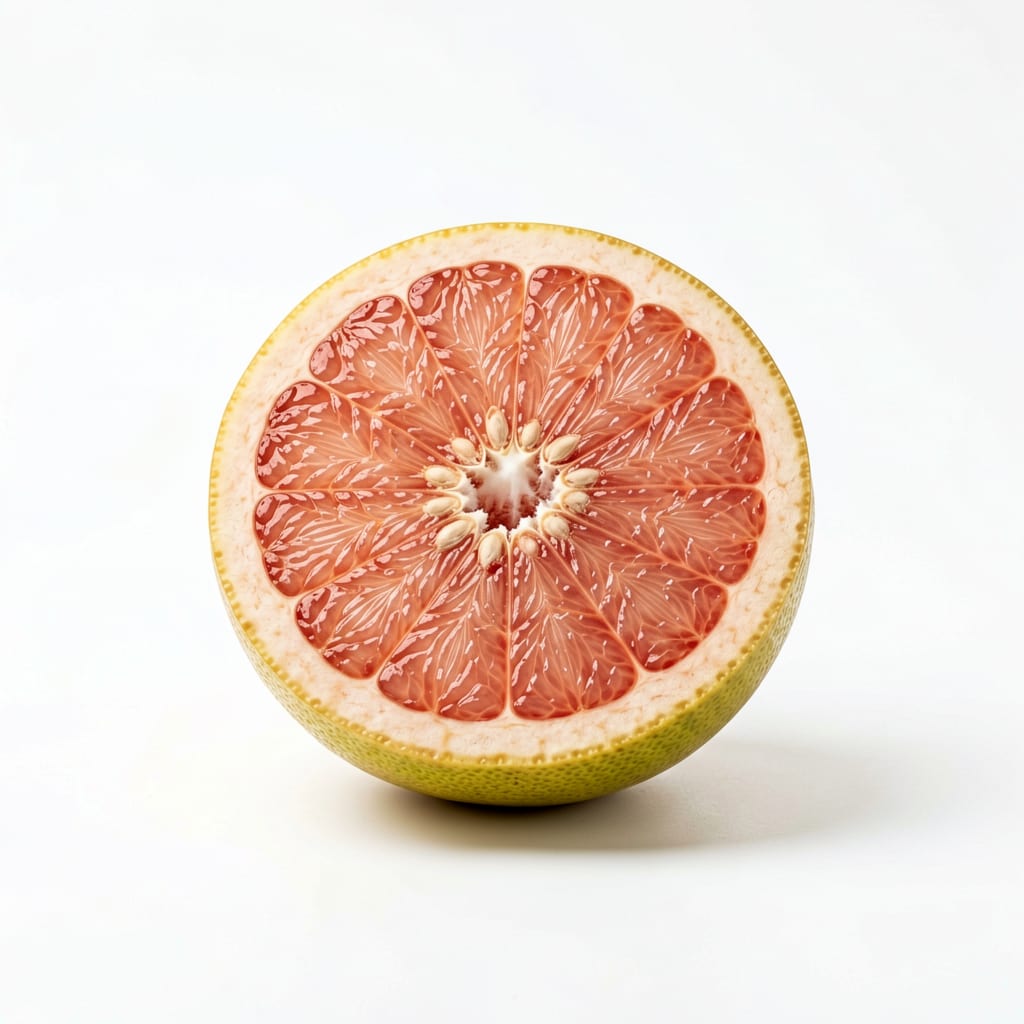
Grapefruit
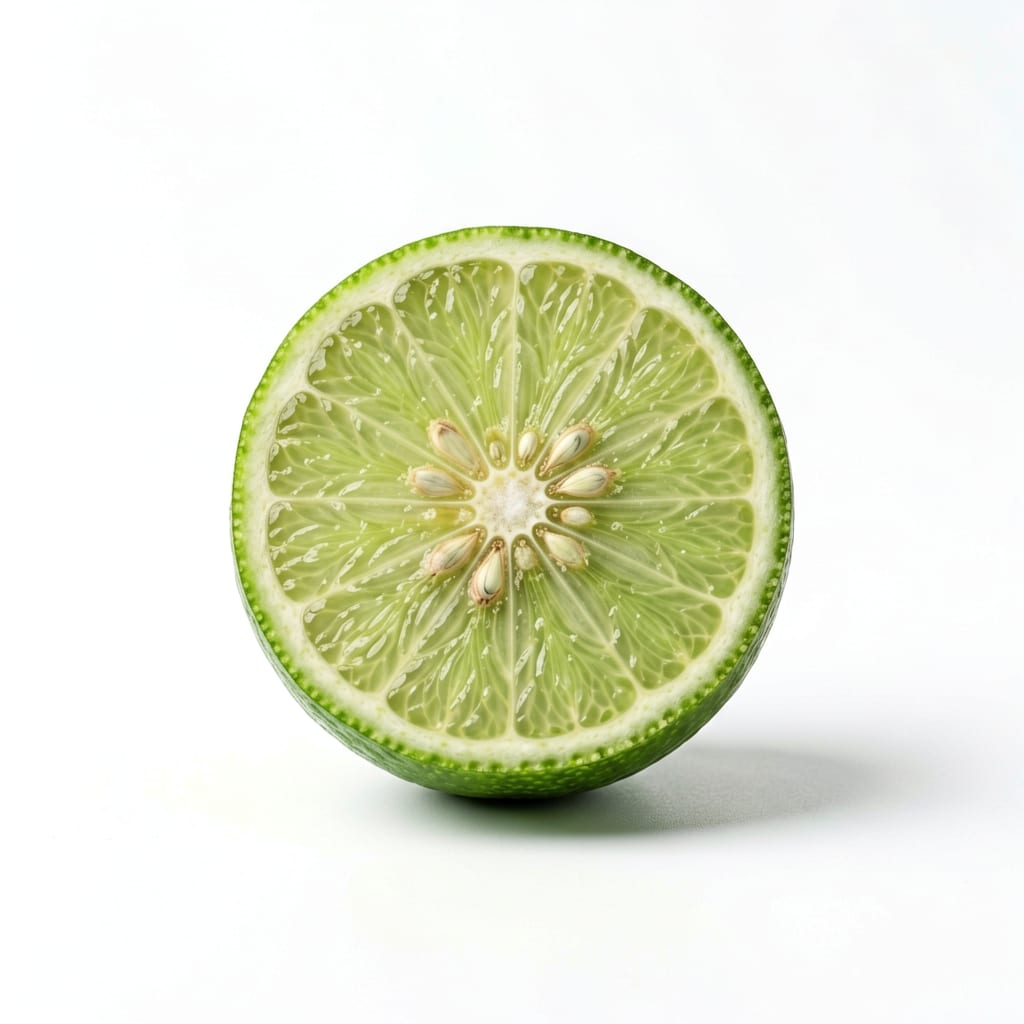
Lime
Grapefruit offers more nutrition per serving and stronger satiety, but lime wins on safety and versatility without drug interaction risks.
Lime edges ahead primarily due to grapefruit's drug interaction risks and the fact that lime is easier to incorporate daily without safety concerns. Grapefruit scores higher on raw nutrition per serving but loses ground on practical safety.
Grapefruit gives you a filling, nutrient-dense snack with serious medication interaction risks; lime gives you safe, flexible flavor enhancement in tiny amounts.
At a glance
Executive summary
Overall
It depends
Healthier
It depends
More practical
Lime
Daily use
Lime
Key comparison lenses
Drug interaction safety awareness
Grapefruit has well-documented interactions with many common medications, a critical safety factor
Vitamin C and immune support comparison
Both are citrus fruits commonly chosen for immune benefits, so users want to know which delivers more
Weight management and satiety
Grapefruit is famous for weight loss diets while lime is a zero-calorie flavor enhancer
Culinary role and practical usage
These two fruits serve very different purposes in real life — one is eaten whole, the other used as seasoning
Antioxidant and anti-inflammatory benefits
Both contain unique flavonoids that appeal to health-conscious consumers
Best choice for
Grapefruit
- People seeking a filling, hydrating breakfast fruit
- Those not on interacting medications who want maximum vitamin C per serving
- Anyone wanting a low-calorie whole fruit that satisfies hunger
- People looking for naringenin's potential metabolic benefits
Lime
- Anyone taking statins, blood pressure meds, or anxiety medications
- Home cooks wanting versatile flavor without added calories
- People who dislike bitter flavors but want citrus benefits
- Those who prefer adding citrus to water, meals, or recipes rather than eating fruit alone
Least suitable for
Grapefruit
- Anyone on statins, calcium channel blockers, or immunosuppressants
- People with GERD or acid sensitivity who find grapefruit triggers reflux
- Those who find the bitterness unpalatable and force themselves to eat it
Lime
- People looking for a substantial, filling snack
- Those wanting significant vitamin C from a single serving of whole fruit
- Anyone expecting lime to replace a serving of fruit
Deep comparison
Dimension by dimension
Each lens scores both foods and breaks down who each option suits.
- Dimension 1 · Priority 88Grapefruit
Vitamin C and Immune Support
Grapefruit · 82Lime · 70Grapefruit delivers more vitamin C per typical serving because you eat the whole fruit, while lime is consumed in small amounts as juice or zest.
Tradeoff
Per 100g they are nearly equal, but nobody eats 100g of lime in one sitting — you might squeeze a quarter lime into water, getting far less vitamin C than half a grapefruit.
Why it matters
If your goal is immune support from a single food, grapefruit gives you a meaningful dose in one sitting.
Real-world impact
Half a grapefruit at breakfast covers over half your daily vitamin C. A squeeze of lime in your water covers maybe 5-10%.
Grapefruit
- Getting a substantial vitamin C dose in one sitting
- Replacing a daily multivitamin with whole food vitamin C
Better for
- Not useful if you cannot eat grapefruit due to medications
Worse for
Lime
- Adding mild vitamin C throughout the day across multiple meals
Better for
- Insignificant vitamin C if you only use a wedge in drinks
Worse for
- Dimension 2 · Priority 95Lime
Medication Safety and Drug Interactions
Grapefruit · 30Lime · 95Grapefruit inhibits CYP3A4 enzymes, dangerously amplifying many common medications. Lime does not carry this risk.
Tradeoff
Grapefruit's furanocoumarins create a real, documented danger for millions of people on statins, blood pressure drugs, and immunosuppressants. Lime is essentially free of this concern.
Why it matters
This is not a minor nutritional nuance — grapefruit-drug interactions can cause serious toxicity and are one of the most clinically significant food-drug interactions known.
Real-world impact
If you take atorvastatin, amlodipine, or cyclosporine, eating grapefruit can multiply drug levels in your blood by 2-5x, risking liver damage or dangerous blood pressure drops.
Grapefruit
- People on zero medications have no interaction risk to worry about
Better for
- Silent risk — many people are unaware their medication interacts with grapefruit
Worse for
Lime
- Anyone on statins, calcium channel blockers, immunosuppressants, benzodiazepines, or dozens of other medications
- Older adults who are more likely to be on multiple prescriptions
Better for
- No meaningful downside on safety
Worse for
- Dimension 3 · Priority 82Grapefruit
Satiety and Weight Management
Grapefruit · 80Lime · 45Grapefruit is a filling, hydrating whole fruit that takes time to eat. Lime adds flavor without fullness.
Tradeoff
Grapefruit occupies space in your stomach and takes minutes to eat, naturally slowing consumption. Lime juice adds almost zero calories but also zero satiety.
Why it matters
For weight management, feeling full matters more than calorie counting alone. A food that satisfies you prevents snacking later.
Real-world impact
Eating half a grapefruit before a meal can reduce total calorie intake by helping you feel fuller faster. Lime juice on a salad adds flavor but does not reduce hunger.
Grapefruit
- Pre-meal appetite suppression
- A satisfying breakfast component that holds you until lunch
- The classic grapefruit diet approach of using it to feel full on fewer calories
Better for
- Some people find grapefruit so bitter they compensate with added sugar or honey
Worse for
Lime
- Adding flavor to low-calorie meals without adding significant calories
- Making plain water more appealing so you drink more
Better for
- Will not help you feel full no matter how much you use
Worse for
- Dimension 4 · Priority 75Grapefruit
Antioxidant and Anti-inflammatory Profile
Grapefruit · 78Lime · 68Grapefruit contains naringenin, a unique flavonoid with emerging metabolic benefits. Lime offers different flavonoids like hesperidin and limonoids but in smaller consumed quantities.
Tradeoff
Grapefruit's naringenin is being studied for insulin sensitivity and anti-inflammatory effects, but you actually have to eat a meaningful amount. Lime's antioxidants are real but diluted by the tiny serving sizes people use.
Why it matters
Both fruits offer more than just vitamin C — their flavonoid profiles are distinct and complement each other.
Real-world impact
Regular grapefruit consumption may support metabolic health beyond basic nutrition, but the evidence is still emerging. Lime's limonoids have shown anti-cancer properties in lab studies, but human data is limited.
Grapefruit
- Naringenin's potential insulin-sensitizing effects
- Higher total antioxidant capacity per serving actually consumed
Better for
- Naringenin is the same compound that causes drug interactions — a double-edged sword
Worse for
Lime
- Limonoids with lab-demonstrated anti-cancer properties
- Safe antioxidant source for people who cannot eat grapefruit
Better for
- Antioxidant dose from typical lime usage is minimal
Worse for
- Dimension 5 · Priority 78Lime
Culinary Versatility and Daily Usability
Grapefruit · 50Lime · 90Lime enhances almost anything — water, salads, tacos, soups, cocktails, marinades. Grapefruit is mostly eaten alone or in specific breakfast contexts.
Tradeoff
Lime is a universal flavor enhancer that makes healthy food taste better. Grapefruit is a standalone item with limited culinary roles.
Why it matters
The best healthy food is the one you actually enjoy and use consistently. Lime makes other healthy foods more appealing.
Real-world impact
A squeeze of lime can replace salad dressing, make plain water exciting, and brighten any savory dish. Grapefruit is either you eat it or you do not — there is not much middle ground.
Grapefruit
- A complete, satisfying breakfast on its own
- Broiled grapefruit as a simple dessert alternative
Better for
- Bitterness limits pairing options
- Mostly confined to breakfast or diet snacks
Worse for
Lime
- Flavoring water to increase hydration without sweeteners
- Replacing high-calorie dressings and sauces
- Enhancing savory dishes across many cuisines
- Cocktail and mocktail versatility
Better for
- Cannot function as a standalone snack or meal component
Worse for
- Dimension 6 · Priority 70Lime
Digestive Tolerance and Acid Sensitivity
Grapefruit · 55Lime · 65Both are acidic, but grapefruit's larger serving size and bitter compounds make it harder on sensitive stomachs. Lime is used in such small amounts that it rarely triggers issues alone.
Tradeoff
Grapefruit can cause heartburn when eaten in full portions on an empty stomach. Lime's acid is usually diluted in food or water, making it gentler in practice.
Why it matters
For people with GERD, reflux, or sensitive stomachs, citrus tolerance is a daily concern that affects quality of life.
Real-world impact
Eating half a grapefruit on an empty stomach can trigger reflux for sensitive people. A squeeze of lime on a taco rarely causes the same problem.
Grapefruit
- The fiber content supports healthy digestion when tolerated
Better for
- Common trigger for heartburn and GERD symptoms
- Bitter compounds can stimulate excess stomach acid
Worse for
Lime
- Smaller doses mean less acid exposure
- Usually consumed with other food, buffering the acid
Better for
- Concentrated lime juice shots can still irritate sensitive stomachs
Worse for
Timeline
Health impact over time
Short-term
Hours to days
Grapefruit
- Quick hydration from high water content
- Possible heartburn or reflux if eaten on an empty stomach
- Blood sugar rise that is moderate due to fiber, but real enough to notice on an empty stomach
- Temporary satiety that can reduce overeating at the next meal
Lime
- Minimal direct blood sugar impact due to tiny serving sizes
- Refreshing flavor that encourages water intake
- Almost no satiety effect on its own
- Rarely causes digestive upset when used as a condiment
Long-term
Months to years
Grapefruit
- Consistent vitamin C intake supporting immune function and collagen production
- Naringenin may support insulin sensitivity and metabolic health over time
- Ongoing risk of drug interactions if medications change without re-evaluating diet
- Potential dental enamel erosion from regular acid exposure
Lime
- Subtle antioxidant support from limonoids and flavonoids
- Improved hydration habits from flavored water consumption
- Minimal dental risk since lime juice is usually diluted
- Safe long-term daily use without medication concerns
Risk profile
Safety & processing
Both grapefruit and lime are whole, unprocessed fruits when purchased fresh. The main concern is grapefruit juice in packaged products, which may contain added sugars or preservatives. Fresh limes are almost always used in their natural state.
Grapefruit
Drug interaction toxicity
highFuranocoumarins in grapefruit inhibit CYP3A4, increasing blood levels of statins, calcium channel blockers, immunosuppressants, and many other drugs. This can lead to serious toxicity.
Dental enamel erosion
mediumRegular consumption of grapefruit's citric and ascorbic acids can wear tooth enamel over time, especially when eaten alone without rinsing.
Pesticide residue on peel
lowNon-organic grapefruit may have pesticide residues on the rind, which matters if you zest it. The flesh itself is relatively low risk.
Lime
Dental enamel erosion from concentrated juice
lowLess concerning than grapefruit since lime juice is typically diluted or used in small amounts, but direct contact with teeth can still erode enamel over time.
Pesticide residue on peel
mediumLime zest is commonly used in cooking, so pesticide exposure from the rind is more relevant than with grapefruit. Choose organic if you zest frequently.
Contamination on lime wedges in restaurants
lowRestaurant lime wedges can harbor bacteria from handling. Less of an issue at home where you wash the fruit yourself.
Who wins for whom
Audience fit
Same foods, different winners depending on your goal.
children
LimeMost children find grapefruit too bitter and refuse it. Lime adds fun flavor to water and meals without the battle of getting kids to eat a bitter fruit.
daily consumption
LimeLime can be used every single day without safety concerns, medication conflicts, or taste fatigue. Grapefruit's drug interaction risk and strong flavor make daily use more complicated.
diabetes
LimeLime has virtually no impact on blood sugar in typical serving sizes. Grapefruit has moderate sugar content that requires portion awareness, though its glycemic load is still low.
elderly
LimeOlder adults are far more likely to be on medications that interact with grapefruit. Lime avoids this risk entirely while still providing citrus benefits.
muscle gain
It dependsNeither fruit is relevant for muscle gain. Both provide negligible protein. Choose based on personal preference for flavoring meals.
weight loss
GrapefruitGrapefruit provides genuine satiety that reduces overall calorie intake. Its volume and fiber help you feel full, while lime adds flavor but does not reduce hunger.
Your move
Decision guide
Choose Grapefruit
- You are on zero medications and have no drug interaction risk
- You want a filling, hydrating fruit for breakfast or snacks
- You enjoy the bitter-sweet flavor and will eat it without adding sugar
- You are specifically interested in naringenin's metabolic benefits
Choose Lime
- You take any medications that may interact with grapefruit
- You want a versatile flavor enhancer that makes healthy food taste better
- You prefer adding citrus to water, cooking, and meals rather than eating fruit alone
- You want something you can use daily without any safety concerns
Either works if
- You just want more vitamin C in your diet and have no medication concerns
- You enjoy citrus flavors and want variety in your routine
- You are looking for natural ways to stay hydrated
Avoid both if
- You have severe citrus allergies
- You have active GERD or esophagitis and find all citrus triggers symptoms
- You are on medications that interact with multiple citrus fruits
Final recommendation
If you are not on any interacting medications and want a satisfying whole fruit, grapefruit is the stronger nutritional choice per serving. But for most people — especially anyone on common prescriptions — lime is the safer, more versatile, and more sustainable daily option. The best approach: use lime daily for flavor and hydration, and enjoy grapefruit occasionally when you have confirmed it is safe with your medications.
Practical
Consumer tips
- 1
Always check your medications against grapefruit interactions — ask your pharmacist, not just Dr. Google
- 2
If you zest limes regularly, buy organic to avoid pesticide concentration on the rind
- 3
Rinse your mouth with water after eating grapefruit to protect tooth enamel without brushing too soon
- 4
Try lime in sparkling water as a zero-calorie alternative to soda — it works surprisingly well
- 5
If grapefruit is too bitter, try the ruby red variety, which is sweeter than white grapefruit
- 6
Never assume a new medication is safe with grapefruit just because your old one was — recheck every time
- 7
Keep both on hand: lime for daily cooking and hydration, grapefruit for weekend breakfasts when you want something more substantial