
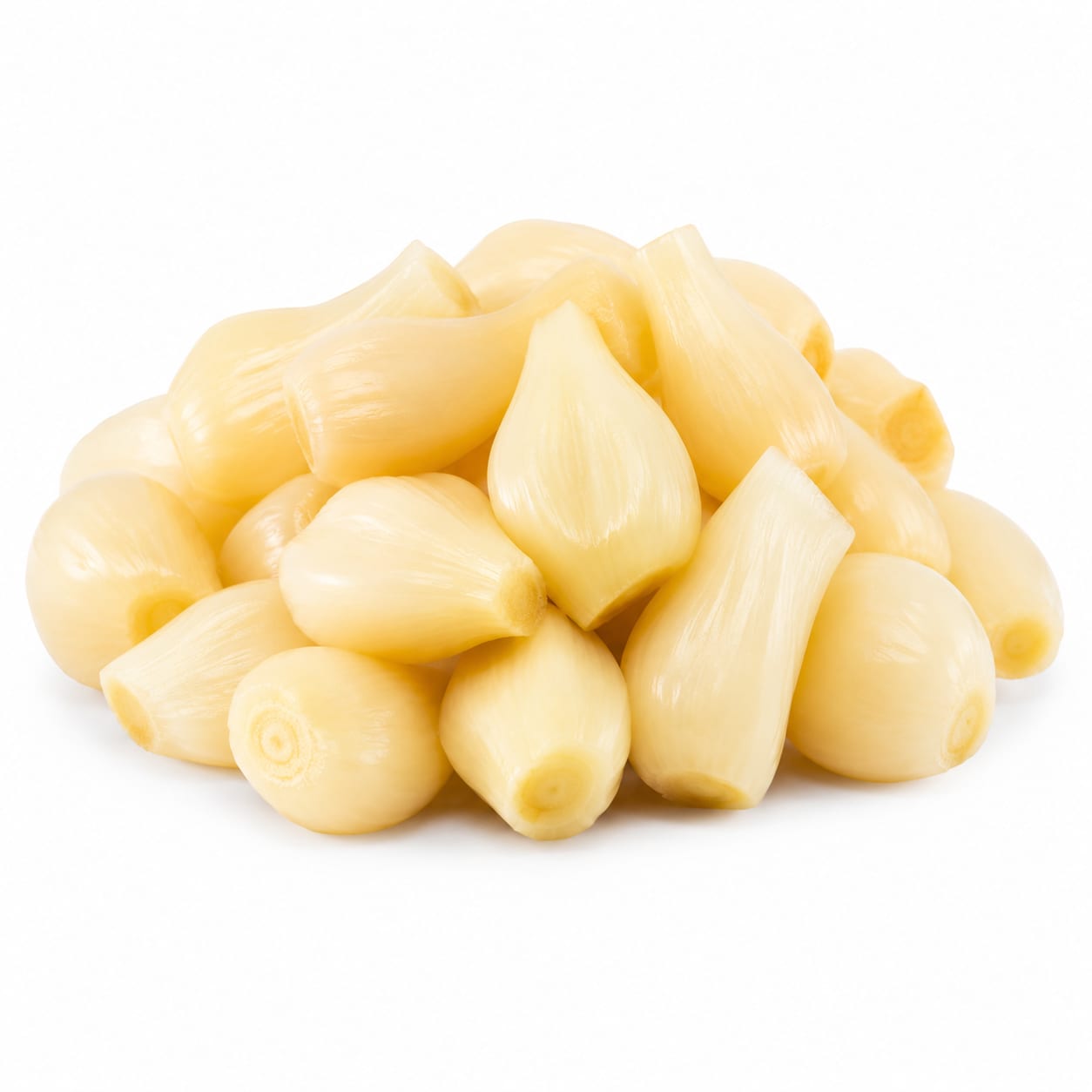
Root Vegetable
Lily Bulb
A starchy, slightly sweet root vegetable commonly used in Asian cuisine and herbal remedies.
Edible bulb of the lily plant, widely used in East Asian cooking and traditional medicine for its crisp texture and mild, sweet flavor.
starchy root vegetable
Typical serving · 100g
Common varieties · Lilium brownii, Lilium lancifolium, Lilium davidii, Lilium candidum
Overall context score across nutrition, safety, and diet fit
At a glance
Quick facts
Simple indicators based on nutrition, processing, and diet fit.
The story
What makes it unique
A starchy root vegetable containing complex carbohydrates and moderate dietary fiber. Digestion speed is moderate, influenced by starch gelatinization during cooking. Provides moderate satiety due to its water and starch content, and contains mild prebiotic properties.
Varieties: Lilium brownii · Lilium lancifolium · Lilium davidii · Lilium candidum
Per 100g
Nutrition breakdown
Macro balance and key metrics at a glance.
Energy
Density 1.20 kcal/g
Protein
Carbs
Fat
Fiber
Sugar
5 g
Sodium
10 mg
Potassium
500 mg
Glycemic index
58
Glycemic load
16
Water content
65%
Standout compounds
Nutrient highlights
Potassium
moderateSupports blood pressure regulation and fluid balance
Vitamin C
moderateActs as an antioxidant and supports immune function
Complex Carbohydrates
highProvides sustained energy for physical activity
Starch
moderateContains resistant starch that feeds beneficial gut bacteria
Wellness map
Health scores & processing
NOVA processing scale
minimally processed · Whole food
Raw lily bulbs are whole, unprocessed plant roots. Processing only occurs if canned or sweetened.
Diet compatibility
- Weight loss
- Muscle gain
- Diabetes
- Gut health
- Low carb
- High protein
- Heart health
Relative standing
Food rankings
Qualitative ranks compared to similar whole foods.
- Satietygood
- Blood sugarmoderate
- Nutrient densitymoderate
- Fitness fuelgood
- Processing qualityexcellent
Eat with confidence
Food safety profile
Safe when properly washed and cooked. Raw bulbs contain mild alkaloids that can irritate the stomach, which are neutralized by heat.
Evidence confidence 85%
- Pesticidesmoderate
- Antibioticslow
- Heavy metalslow
- Contaminationlow
Watch for
- soil-borne bacteria
- pesticide residues
Safer choices
Organic lily bulbs to reduce pesticide exposure from soil treatments.
Prep tips
Peel outer layers, wash thoroughly to remove soil, and cook before eating to neutralize mild natural toxins.
Generally recognized as safe when cooked; raw consumption in large amounts may cause gastrointestinal upset due to alkaloids.
Deep dive
Health analysis
How this food may fit different goals and preparation choices.
Weight loss
Moderate calorie density and starch content make it acceptable for weight loss in controlled portions, but not a low-calorie freebie like leafy greens.
Blood sugar
Contains a significant amount of carbohydrates that can raise blood sugar. Diabetics should monitor portion sizes carefully.
Fitness & energy
Provides complex carbohydrates for sustained energy, suitable as a pre-workout carb source.
Gut health
Contains mild prebiotic starches that support gut bacteria, though fiber content is not exceptionally high.
Processing quality
A whole food root vegetable with minimal processing required, retaining its natural nutrient profile.
Food safety
Must be cooked to neutralize mild natural alkaloids. Soil-grown, so washing is essential to remove contaminants.
Common mistakes
Eating them raw in large quantities, which can lead to gastrointestinal distress, or overcooking which turns them mushy.
Best preparation
Stir-frying, boiling in soups, or steaming to maintain slight crispness while ensuring safety.
Practical guide
Best use cases
When and how this food fits real eating patterns.
Asian soups and stir-fries
Adds texture and mild sweetness to traditional dishes.
Pre-workout carb source
Provides digestible complex carbohydrates for energy.
Digestive comfort food
Often used in traditional medicine to soothe coughs and calm the stomach when cooked.
Balance sheet
Pros & cons
Upsides
- Mild, versatile flavor for cooking
- Good source of complex carbohydrates
- Contains potassium and vitamin C
- Minimally processed whole food
- Provides prebiotic starch for gut health
Trade-offs
- Must be cooked to remove mild toxins
- Not suitable for strict low-carb diets
- Can raise blood sugar if eaten in large portions
- Can be difficult to find fresh outside of Asian markets
Fit check
Who is it for?
Great match
- pre-workout carb loading
- traditional Asian cooking
- moderate calorie plant-based diets
Consider alternatives
- strict ketogenic diets
- raw food diets
- diabetics seeking low-carb vegetables
Side by side
How it compares
Open the full head-to-head analysis for nutrition, safety, and practical tradeoffs.
This food
Lily Bulb
VS85% alike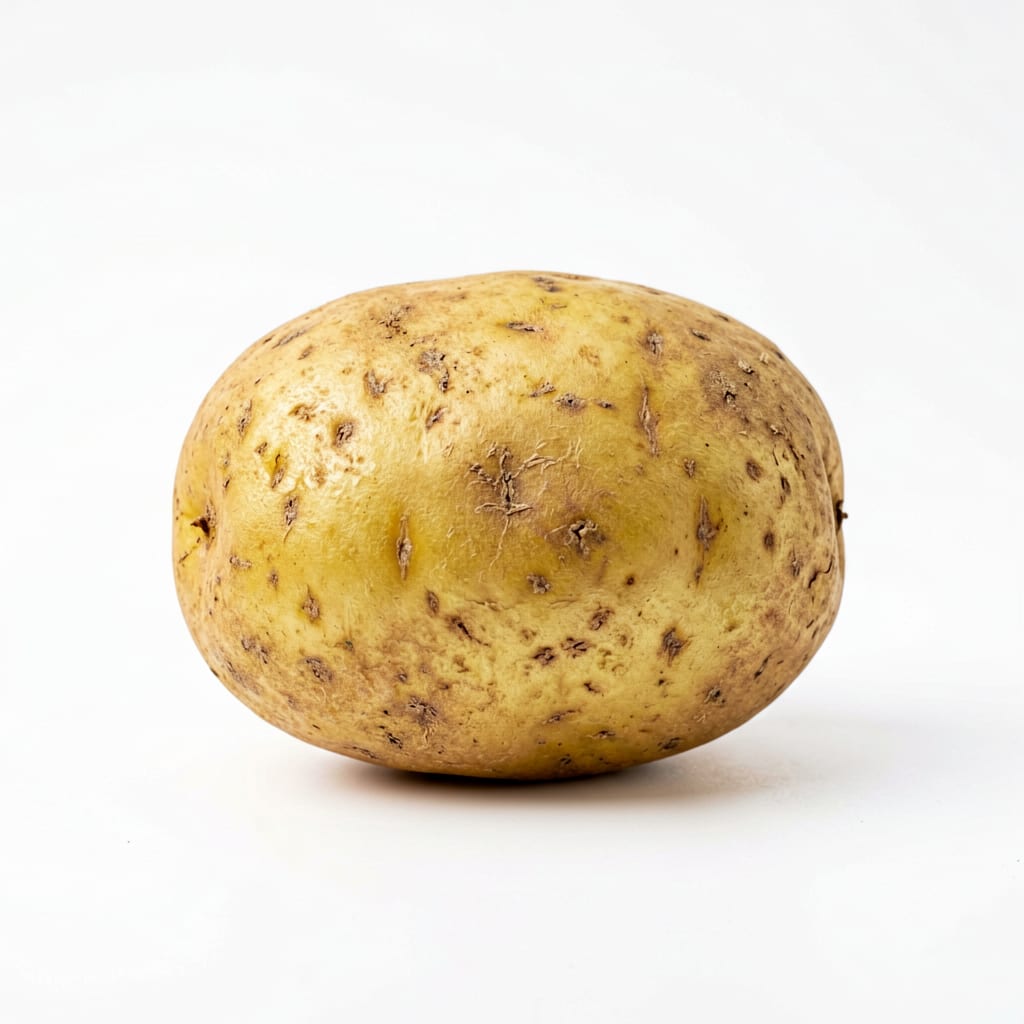
Compare with
Potato
Potatoes are higher in potassium and more universally used, while lily bulbs offer a sweeter, crisper texture and are lower in calories.
Lily bulbs are lower in calories and have a lighter texture than dense potatoes.
This food
Lily Bulb
VS85% alike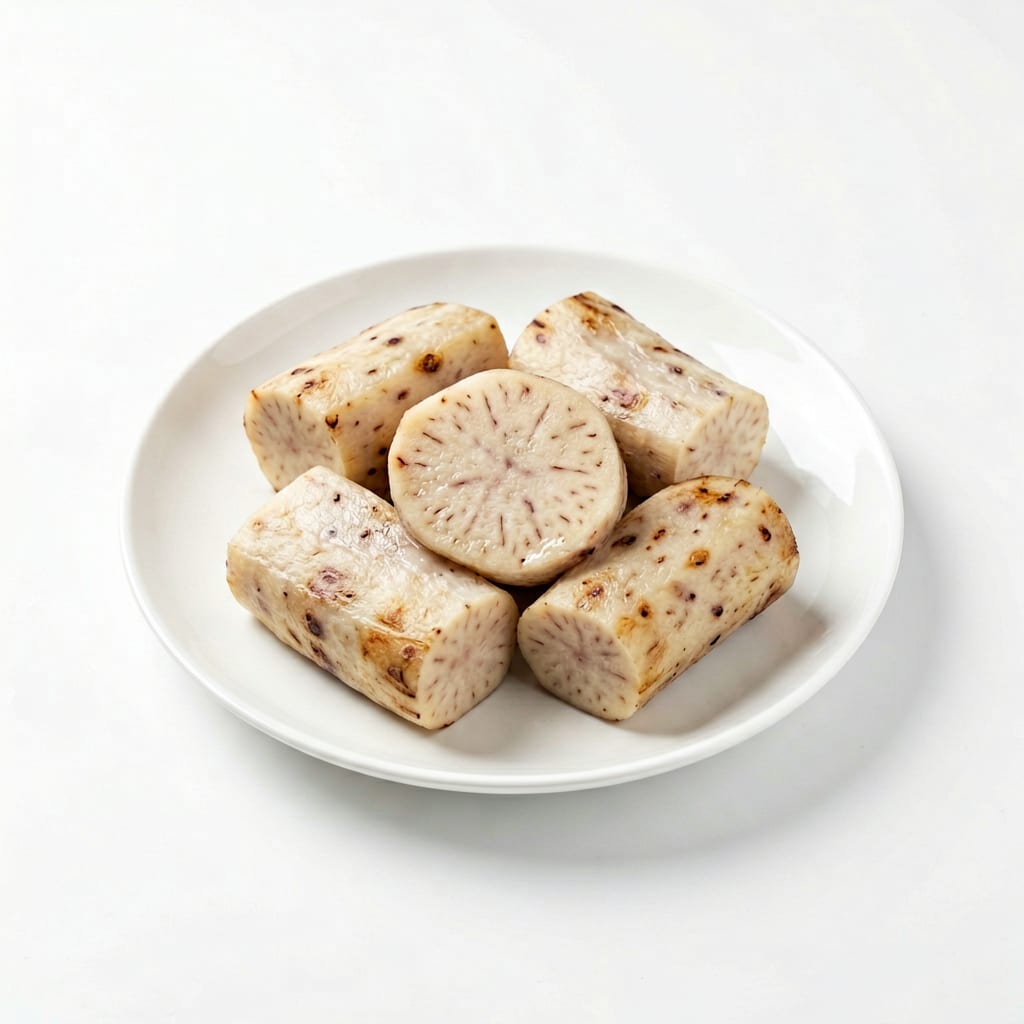
Compare with
Taro
Taro is denser and higher in calories and fiber, while lily bulb is lighter and crisper.
Taro is more filling and higher in fiber, but lily bulbs are lower in calories.
This food
Lily Bulb
VS90% alike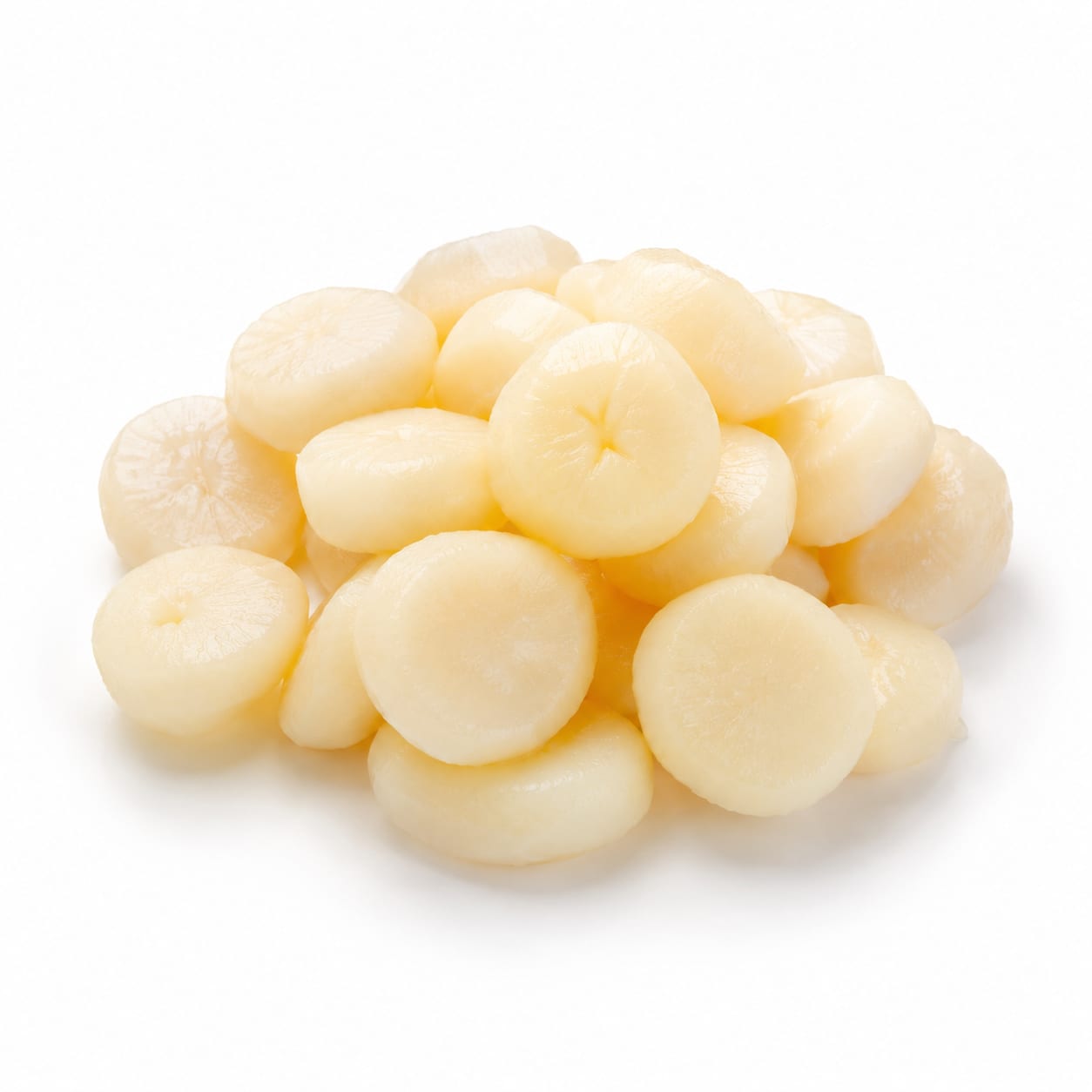
Compare with
Water Chestnut
Water chestnuts are much lower in calories and carbs, offering a similar crunch, while lily bulbs are starchier.
Water chestnuts are much better for low-carb and low-calorie diets, while lily bulbs provide more energy.
This food
Lily Bulb
VS80% alike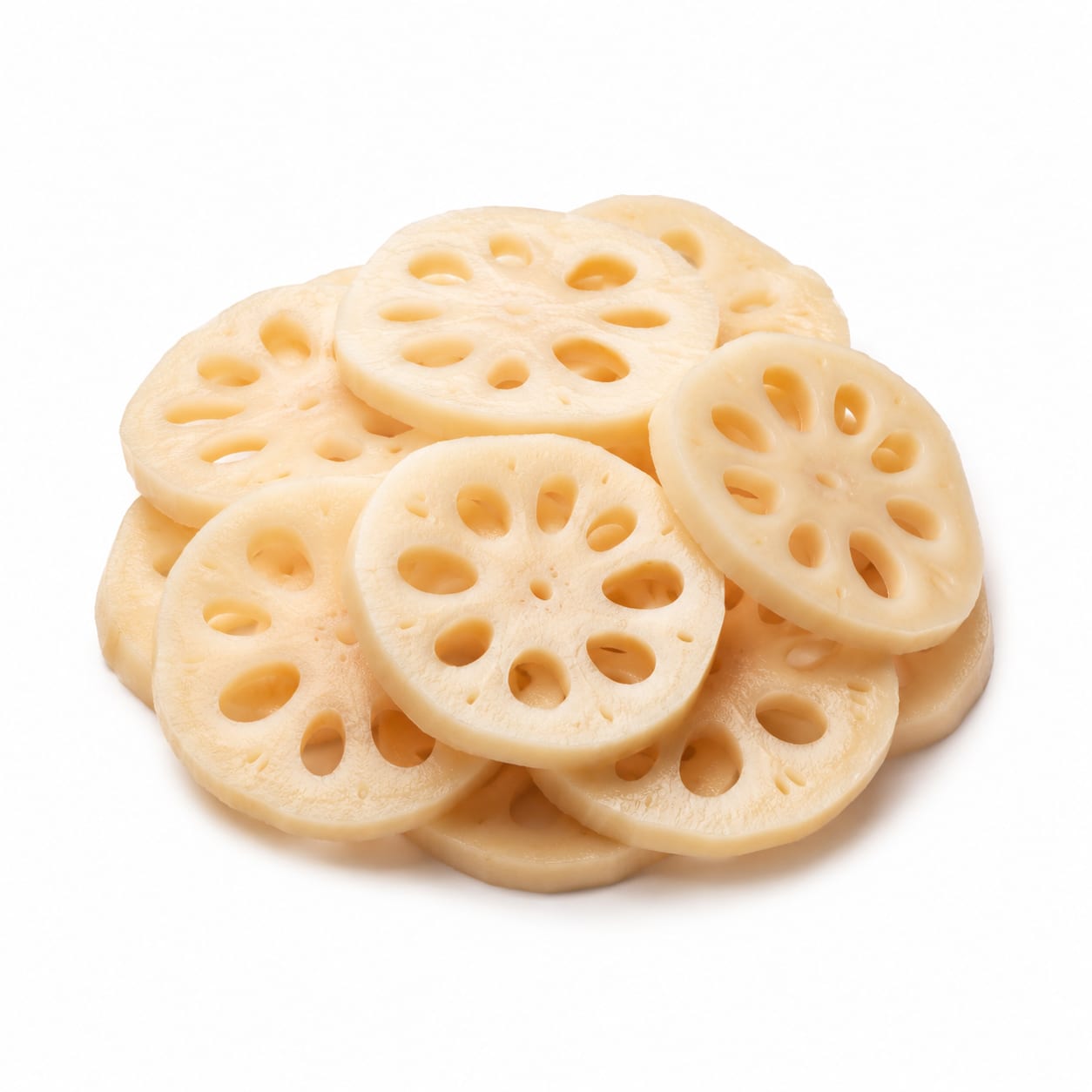
Compare with
Lotus Root
Lotus root is higher in fiber and vitamin C, while lily bulb is sweeter and softer when cooked.
Lotus root offers more fiber and a crisper texture, making it better for satiety and blood sugar control.
This food
Lily Bulb
VS75% alike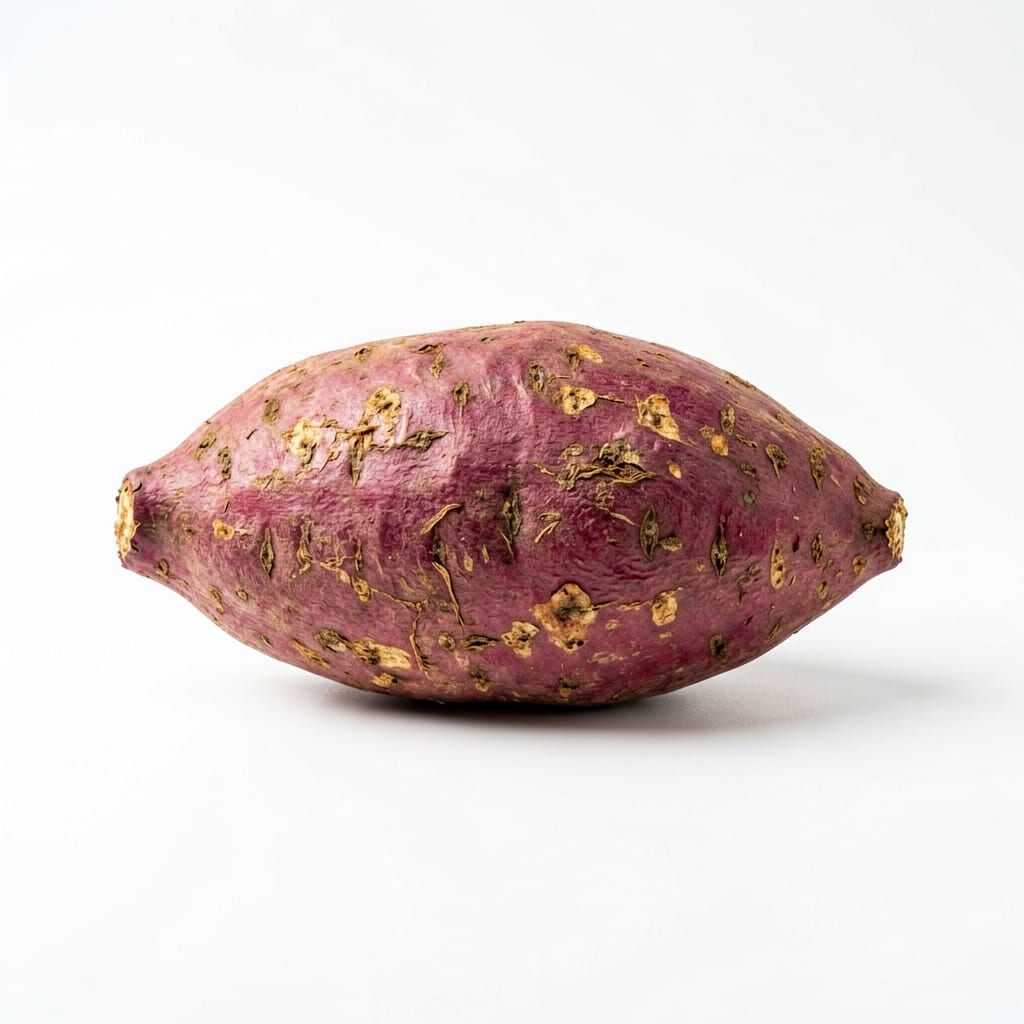
Compare with
Sweet Potato
Sweet potatoes are richer in beta-carotene and fiber, while lily bulbs are milder and lower in calories.
Sweet potatoes are more nutrient-dense and higher in fiber, but lily bulbs are lower in calories.
This food
Lily Bulb
VS75% alike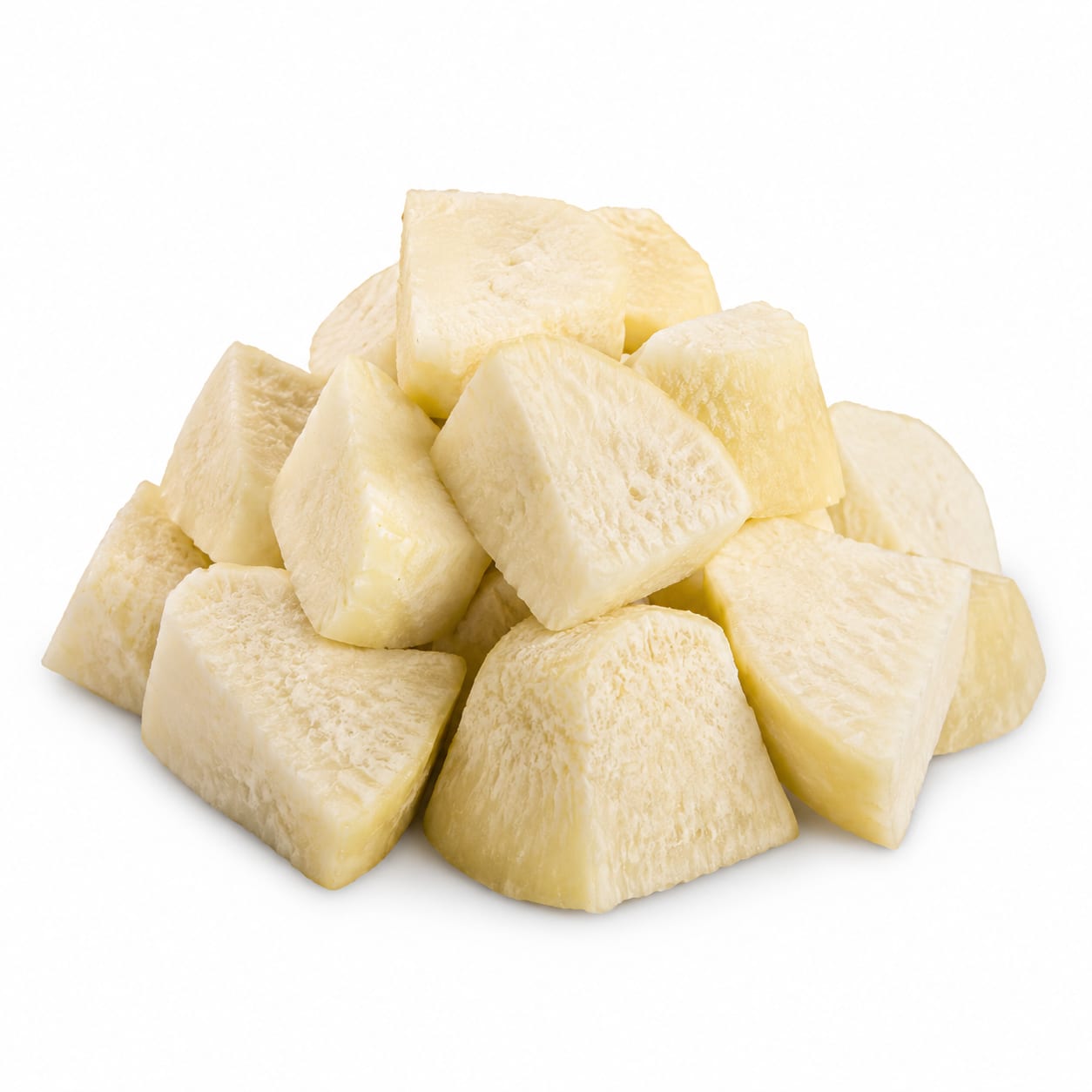
Compare with
Yam
Yams are much higher in calories and carbs, serving as a dense staple, while lily bulbs are lighter.
Yams provide more dense energy and satiety, while lily bulbs are a lighter, lower-calorie alternative.
This food
Lily Bulb
VS60% alike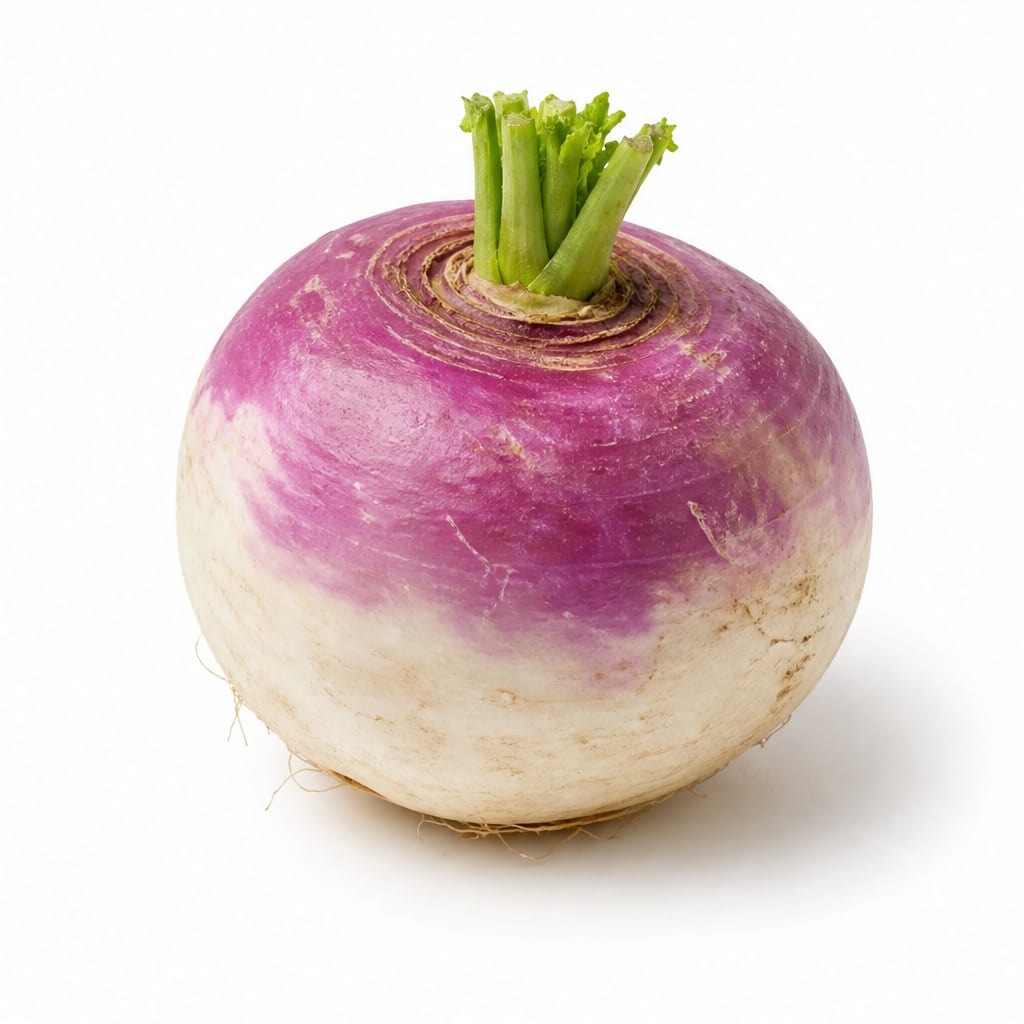
Compare with
Turnip
Turnips are much lower in carbs and calories, making them better for weight loss, while lily bulbs are starchier.
Turnips are superior for low-carb and weight loss diets, whereas lily bulbs provide more workout fuel.
This food
Lily Bulb
VS55% alike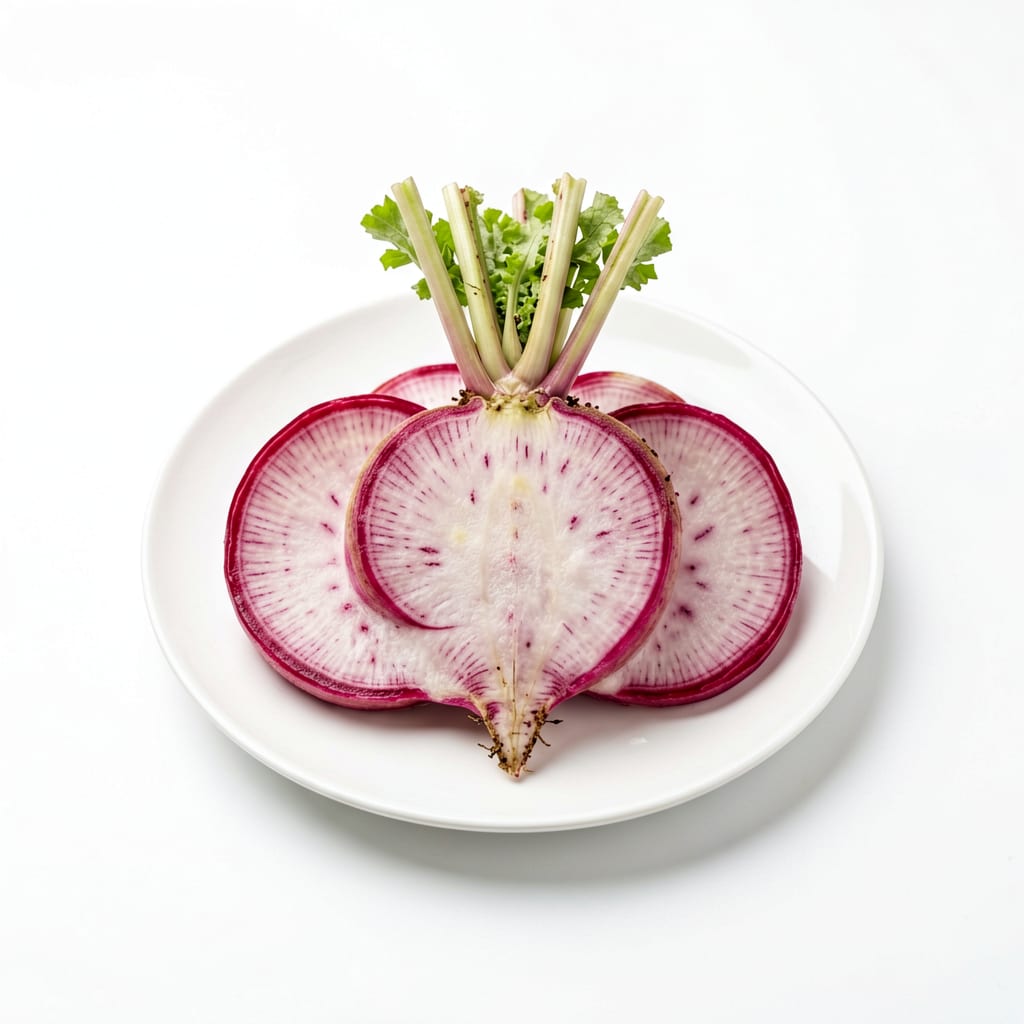
Compare with
Radish
Radishes are very low in calories and carbs, eaten raw, while lily bulbs are starchy and must be cooked.
Radishes are a virtually calorie-free snack, while lily bulbs serve as a starchy energy source.
This food
Lily Bulb
VS50% alike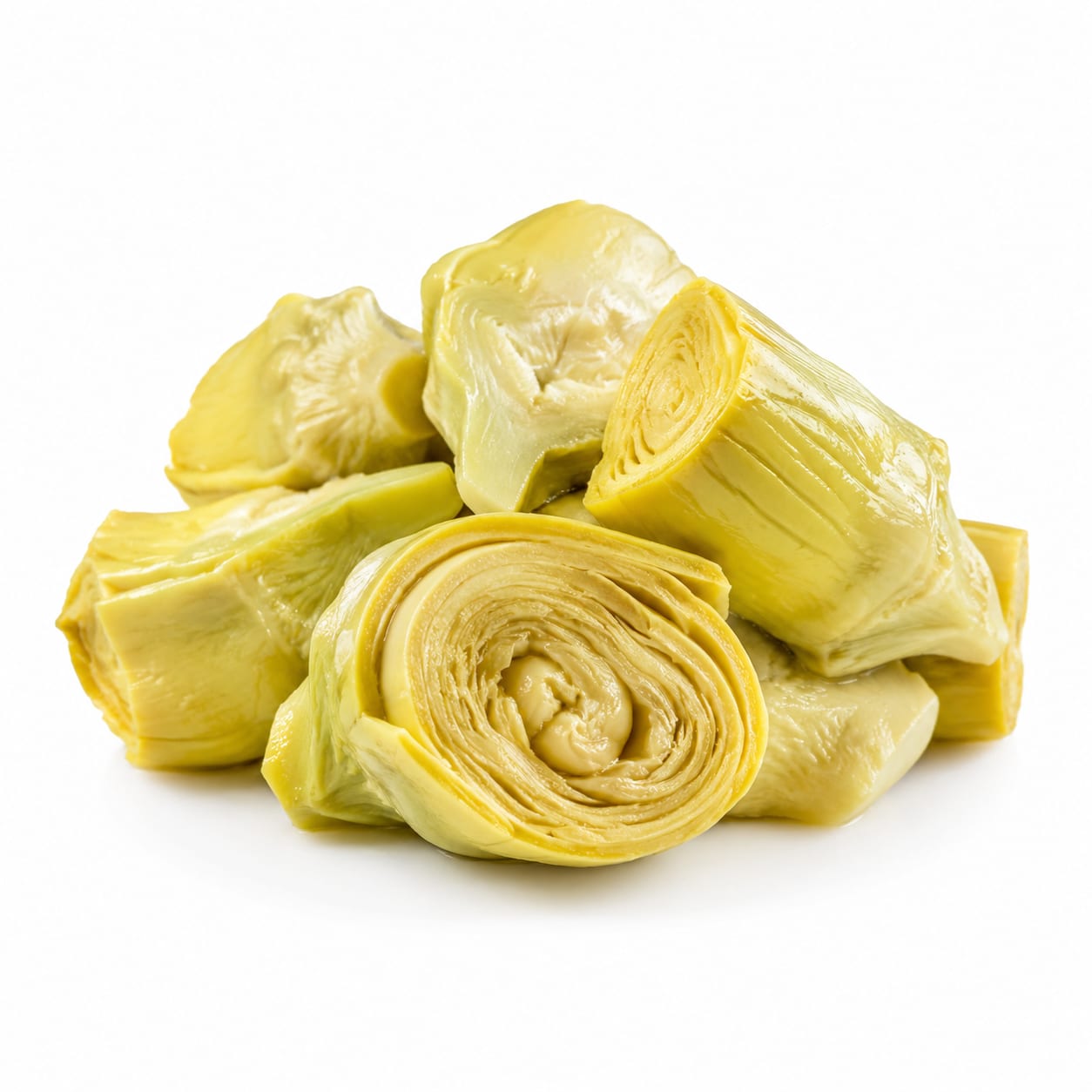
Compare with
Artichoke
Artichokes are extremely high in fiber and low in digestible carbs, while lily bulbs are high in starch.
Artichokes are far better for gut health and blood sugar, while lily bulbs are better for carb fueling.
This food
Lily Bulb
VS65% alike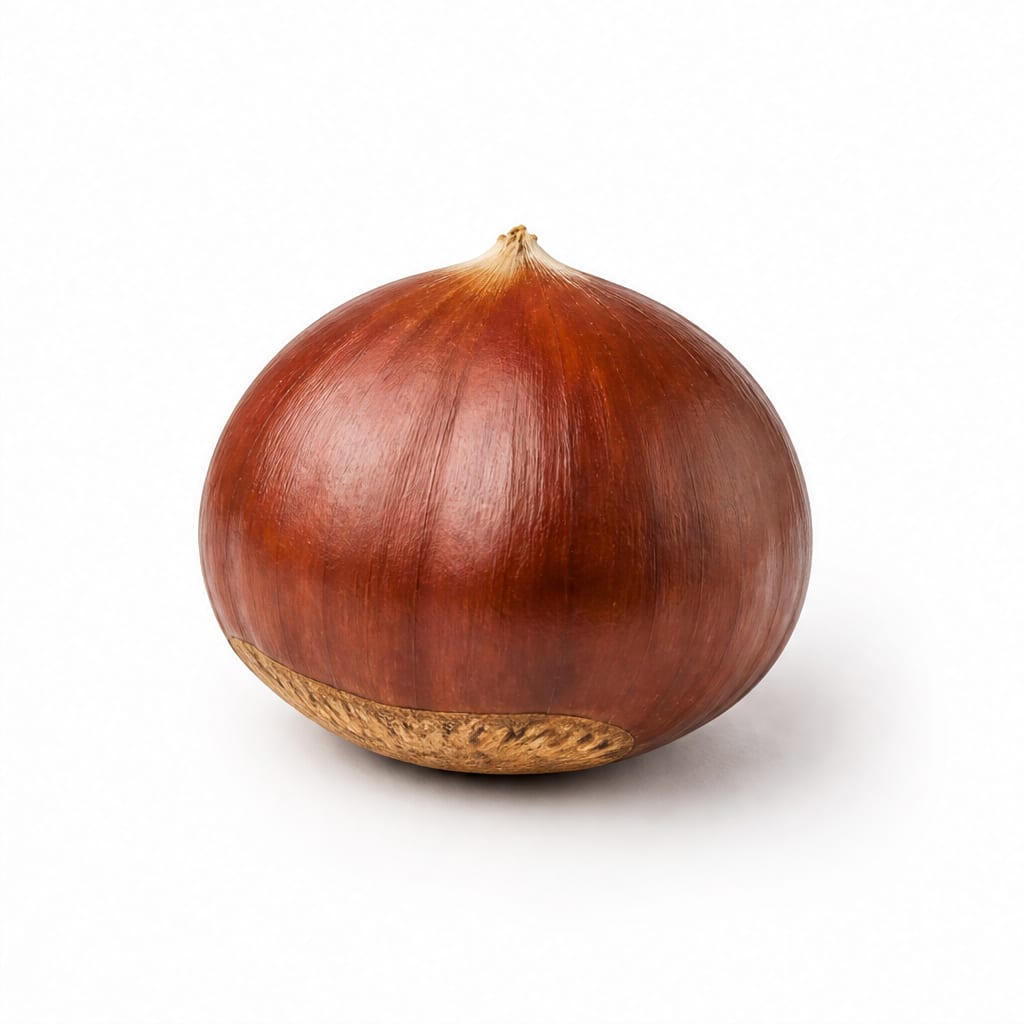
Compare with
Chestnut
Chestnuts are higher in calories and fiber with a similar sweet, starchy profile, while lily bulbs are lower in calories.
Chestnuts are sweeter and higher in fiber, but lily bulbs are lower in calories and fat.
Common questions
FAQ
Answers aligned with how people search for this food.
Are lily bulbs good for weight loss?
They can be part of a weight loss diet in moderation due to their moderate calorie content, but they are starchy so portion control is key.
Can you eat raw lily bulbs?
It is not recommended. Raw lily bulbs contain bitter alkaloids that can cause stomach upset and should be cooked before eating.
Is lily bulb a starch?
Yes, lily bulb is a starchy root vegetable, similar to potatoes or taro, providing complex carbohydrates.
How do you prepare lily bulbs for cooking?
Peel off the outer scales, wash thoroughly to remove dirt, and boil, steam, or stir-fry until tender.
Is lily bulb good for diabetics?
Due to its carbohydrate and starch content, it can raise blood sugar. Diabetics should eat it in small portions and pair it with protein or fiber.
What does lily bulb taste like?
It has a mild, slightly sweet flavor and a crisp, crunchy texture when cooked briefly, similar to water chestnut or lotus root.
Does lily bulb have health benefits?
It contains potassium, vitamin C, and mild prebiotic fibers that support digestion and heart health.
Transparency
Data confidence
Estimated confidence for nutrition data, interpretation, safety notes, and comparisons.
Nutrition data
Health analysis
Food safety
Comparisons