
Nutrition comparison
Lily Bulb vs Water Chestnut: Which Is Better for Your Health Goals?
Compare Lily Bulb and Water Chestnut for respiratory health, hydration, blood sugar impact, and culinary use. Learn which traditional Chinese food fits your needs better.
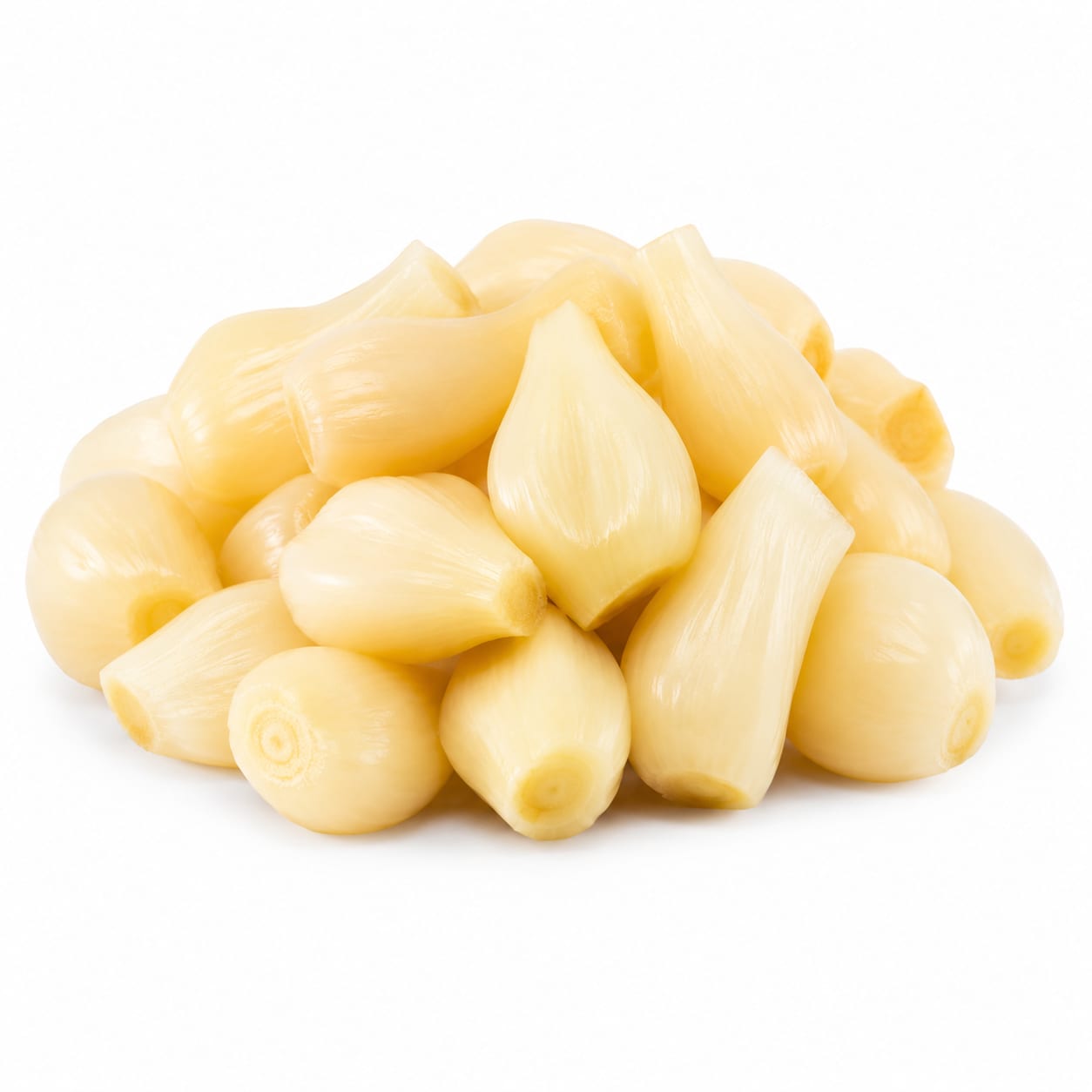
Lily Bulb
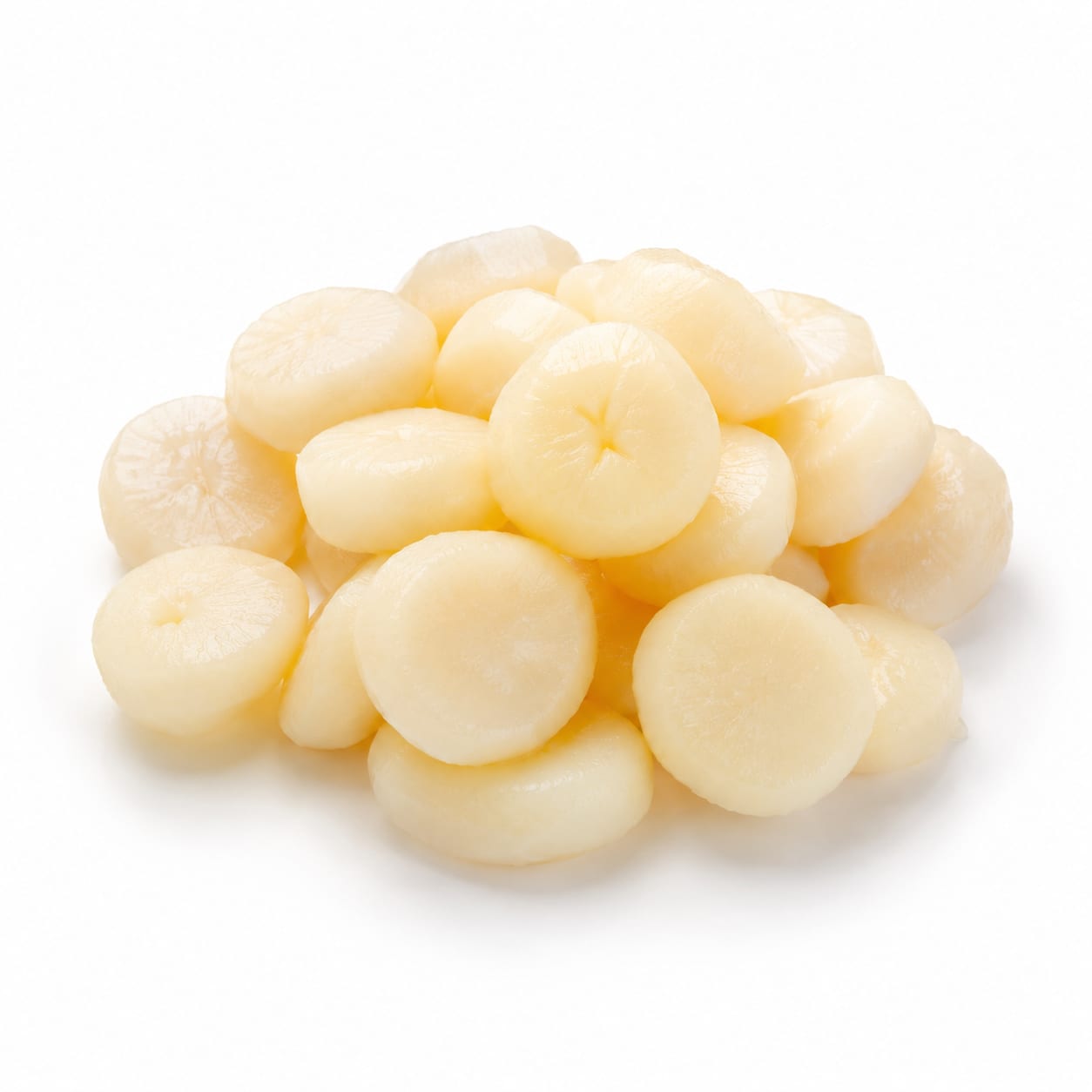
Water Chestnut
Lily Bulb excels for respiratory and calming needs; Water Chestnut wins for hydration, crunch, and everyday cooking versatility.
Lily Bulb scores slightly higher for its broader medicinal profile and calming nutrients, but Water Chestnut stays competitive with superior practicality and potassium content. The gap is narrow because neither is a nutritional powerhouse — both shine in specific traditional roles.
Soothing medicinal depth versus refreshing culinary practicality — Lily Bulb heals more, Water Chestnut fits more easily into daily meals.
At a glance
Executive summary
Overall
It depends
Healthier
Lily Bulb
More practical
Water Chestnut
Daily use
Water Chestnut
Key comparison lenses
Traditional medicine benefits comparison
Both foods are deeply rooted in Chinese medicine for respiratory and cooling properties, which is likely why someone is comparing them
Digestive and respiratory health support
Lily Bulb is renowned for lung-soothing and calming effects while Water Chestnut is valued for diuretic and digestive benefits
Safety and proper preparation concerns
Both carry contamination risks if consumed raw due to their growing environments
Low-calorie snack or ingredient selection
Both are low-calorie, water-rich foods often used in light, healthy cooking
Best choice for
Lily Bulb
- Cough and throat irritation relief
- Anxiety and sleep support
- Post-illness recovery soups
- Traditional remedy recipes
- Women's health and dryness concerns
Water Chestnut
- Refreshing low-calorie snacking
- Stir-fry and salad crunch
- Potassium replenishment after sweating
- Hot weather cooling meals
- Blood pressure-friendly diets
Least suitable for
Lily Bulb
- Quick raw snacking — requires cooking
- People avoiding starchy foods in excess
- Those wanting a crisp texture in dishes
- Budget-conscious everyday cooking
Water Chestnut
- Respiratory illness recovery — less targeted benefit
- Calming or sleep-promoting purposes
- People with cold-sensitive digestion in large amounts
- Those seeking deep medicinal effects
Deep comparison
Dimension by dimension
Each lens scores both foods and breaks down who each option suits.
- Dimension 1 · Priority 94Lily Bulb
Respiratory and Throat Health
Lily Bulb · 91Water Chestnut · 48Lily Bulb is a well-established remedy for coughs, dry throat, and lung irritation. Water Chestnut offers mild cooling but no direct respiratory benefit.
Tradeoff
You gain meaningful throat-soothing effects with Lily Bulb but sacrifice the crisp, refreshing eating experience of Water Chestnut.
Why it matters
If you are recovering from a cold or dealing with a persistent dry cough, Lily Bulb is one of the most effective food-based options available.
Real-world impact
A bowl of Lily Bulb soup can noticeably reduce throat discomfort within a day or two of consistent consumption.
Lily Bulb
- Persistent dry cough
- Post-cold throat recovery
- Smokers seeking lung support
- Seasonal dry throat
Better for
- Acute wet cough with phlegm — may feel too moistening
Worse for
Water Chestnut
- General hydration in hot weather
- Mild throat dryness from heat exposure
Better for
- Any condition requiring targeted respiratory relief
Worse for
- Dimension 2 · Priority 85Lily Bulb
Calming and Sleep Support
Lily Bulb · 82Water Chestnut · 35Lily Bulb contains compounds traditionally associated with calming nerves and improving sleep quality. Water Chestnut has no notable calming properties.
Tradeoff
Lily Bulb works as a gentle evening food for restlessness; Water Chestnut is better suited as an energizing, hydrating daytime snack.
Why it matters
For people dealing with mild insomnia or stress-related restlessness, Lily Bulb offers a food-based approach that avoids sedative medications.
Real-world impact
Eating Lily Bulb dessert or soup in the evening may help you fall asleep more easily, especially during stressful periods.
Lily Bulb
- Mild insomnia
- Stress-related restlessness
- Evening meal comfort
- Anxious mood support
Better for
- People who want a light, non-starchy evening snack
Worse for
Water Chestnut
- Midday energy refresh
- Post-exercise rehydration
Better for
- Anyone seeking calming or sleep-promoting food effects
Worse for
- Dimension 3 · Priority 80Water Chestnut
Hydration and Electrolyte Content
Lily Bulb · 52Water Chestnut · 84Water Chestnut is rich in potassium and has higher water content, making it superior for rehydration and blood pressure support.
Tradeoff
Water Chestnut replenishes fluids and minerals more effectively, but Lily Bulb provides more starch-based sustained energy.
Why it matters
After sweating heavily or during hot weather, Water Chestnut helps restore potassium balance more effectively than most snack vegetables.
Real-world impact
Adding Water Chestnut to a post-workout meal helps with cramp prevention and fluid recovery more than Lily Bulb would.
Lily Bulb
- Slow, sustained energy needs
- Recovery from fatigue with low appetite
Better for
- Acute dehydration recovery
- Electrolyte replenishment
Worse for
Water Chestnut
- Post-exercise rehydration
- Hot weather meals
- Blood pressure management
- Potassium-boosting diets
Better for
- Sustained energy without blood sugar dips
Worse for
- Dimension 4 · Priority 78Water Chestnut
Culinary Versatility and Texture
Lily Bulb · 55Water Chestnut · 86Water Chestnut retains its signature crunch even when cooked, making it a favorite in stir-fries, salads, and dumpling fillings. Lily Bulb becomes soft and starchy, limiting its uses.
Tradeoff
Water Chestnut adds texture and freshness to almost any dish; Lily Bulb works best in soups and sweet desserts where softness is desired.
Why it matters
If you want one ingredient that works across many recipes without special preparation, Water Chestnut is far more adaptable.
Real-world impact
You can toss Water Chestnut into a stir-fry, salad, or soup with minimal prep. Lily Bulb requires soaking, trimming, and pairs best with specific flavor profiles.
Lily Bulb
- Traditional sweet soups
- Medicinal congee
- Comforting dessert recipes
Better for
- Any dish where crunch is desired
- Quick-prep meals
Worse for
Water Chestnut
- Stir-fries and noodle dishes
- Fresh salads and cold plates
- Dumpling and meatball fillings
- Quick weeknight cooking
Better for
- Traditional medicinal recipes
- Comforting soft-texture dishes
Worse for
- Dimension 5 · Priority 72Water Chestnut
Blood Sugar Impact
Lily Bulb · 55Water Chestnut · 74Water Chestnut has a lower starch load and higher water content, resulting in less blood sugar impact per serving. Lily Bulb is starchier and can raise blood sugar more noticeably.
Tradeoff
Lily Bulb provides more sustained energy from starch but at the cost of a higher glycemic response. Water Chestnut keeps things lighter.
Why it matters
For people monitoring blood sugar or choosing low-glycemic foods, Water Chestnut is the safer everyday option.
Real-world impact
A Water Chestnut snack is less likely to cause an afternoon energy crash compared to a similar portion of Lily Bulb.
Lily Bulb
- Those needing sustained caloric energy
- Recovery from illness with low appetite
Better for
- Diabetics monitoring starch intake
- Low-carb diet followers
Worse for
Water Chestnut
- Blood sugar management
- Low-glycemic snacking
- Weight-conscious eating
Better for
- Situations requiring caloric density
Worse for
- Dimension 6 · Priority 70Lily Bulb
Digestive Comfort
Lily Bulb · 78Water Chestnut · 65Lily Bulb is gentle on the stomach and traditionally used to soothe the digestive tract. Water Chestnut is generally well-tolerated but its raw form can be harder to digest for sensitive stomachs.
Tradeoff
Lily Bulb feels more comforting for an upset stomach; Water Chestnut is fine cooked but raw crunch may irritate delicate digestion.
Why it matters
When recovering from stomach illness or dealing with chronic digestive sensitivity, Lily Bulb is the more soothing choice.
Real-world impact
A warm Lily Bulb congee sits easily in an upset stomach, while raw Water Chestnut might feel harsh by comparison.
Lily Bulb
- Post-illness digestive recovery
- Sensitive stomach meals
- Comfort food for nausea
Better for
- People who find starchy foods heavy
Worse for
Water Chestnut
- Normal digestion with no sensitivity
- Adding fiber variety to meals
Better for
- Active stomach upset or gastritis flares
Worse for
Timeline
Health impact over time
Short-term
Hours to days
Lily Bulb
- Throat moisture and cough relief within hours of consumption
- Mild calming effect noticeable with evening use
- Gentle blood sugar rise from starch content
- Soft, comforting digestive experience
Water Chestnut
- Immediate refreshing and hydrating sensation
- Quick potassium replenishment after sweating
- Crunch satisfaction that supports mindful eating pace
- Minimal blood sugar disruption per serving
Long-term
Months to years
Lily Bulb
- Consistent use may support respiratory resilience during dry seasons
- Potential improvement in sleep quality with regular evening consumption
- Starch intake adds up if portions are not managed
- Traditional use suggests benefits for skin hydration from within
Water Chestnut
- Regular potassium intake supports cardiovascular health over time
- Low-calorie habit helps maintain healthy weight when replacing denser snacks
- Consistent hydration support in hot climates
- Minimal long-term risk when properly cooked
Risk profile
Safety & processing
Both Lily Bulb and Water Chestnut are whole, minimally processed foods typically sold fresh or dried without additives. Canned Water Chestnut is the exception — it may contain sodium sulfite as a preservative, so fresh is always preferable.
Lily Bulb
Parasitic contamination from soil
mediumLily Bulbs grow in soil and can harbor parasites if eaten raw. Always cook thoroughly before consuming.
Misidentification with toxic lily species
mediumNot all lily species are edible. Purchase from reputable sources rather than foraging, as some ornamental lilies are toxic.
Sulfur dioxide in dried versions
lowSome commercially dried Lily Bulbs are treated with sulfur dioxide for preservation. Rinse thoroughly and soak before use.
Water Chestnut
Fasciolopsiasis parasite risk from raw consumption
highWater Chestnuts grow in aquatic environments that can harbor intestinal flukes. Never eat raw Water Chestnut from uncertain sources — always peel and cook thoroughly.
Sodium sulfite in canned versions
mediumCanned Water Chestnuts often contain sodium bisulfite as a preservative, which can cause reactions in sensitive individuals. Choose fresh or frozen when possible.
Bacterial contamination from water source
mediumSince they grow in water, contamination from polluted water sources is possible. Source from trusted suppliers and cook before eating.
Who wins for whom
Audience fit
Same foods, different winners depending on your goal.
children
Water ChestnutWater Chestnut's mild sweet crunch is more appealing to kids and easier to incorporate into family meals. Lily Bulb's medicinal flavor and texture are less child-friendly.
daily consumption
Water ChestnutWater Chestnut integrates more easily into everyday cooking with its versatile crunch and lighter profile. Lily Bulb is best used periodically for specific health goals rather than as a daily staple.
diabetes
Water ChestnutWater Chestnut has a lower starch load and less impact on blood sugar per serving, making it the safer choice for glucose management.
elderly
Lily BulbLily Bulb's soft texture when cooked, calming properties, and respiratory support make it especially valuable for older adults dealing with dry cough or sleep difficulties.
muscle gain
It dependsNeither food is significant for muscle gain. Water Chestnut offers slightly more potassium for cramp prevention, but both are low in protein and should be paired with protein sources.
weight loss
Water ChestnutWater Chestnut has fewer calories per serving, lower starch content, and higher water volume, making it easier to eat generously without overconsuming calories.
Your move
Decision guide
Choose Lily Bulb
- You are dealing with a persistent dry cough or throat irritation
- Sleep quality and nervous system calming are priorities
- You are preparing traditional medicinal soups for recovery
- You want a comforting, soft-textured food for sensitive digestion
- An elderly family member needs gentle respiratory support
Choose Water Chestnut
- You want a versatile crunchy ingredient for everyday cooking
- Rehydration and potassium replenishment matter most
- You are managing blood sugar or watching starch intake
- You need a low-calorie snack that feels satisfying
- You are meal-prepping stir-fries, salads, or dumpling fillings
Either works if
- You want a cooling food during hot weather
- You are building a traditional Chinese soup with multiple ingredients
- You need a low-fat, whole-food addition to your diet
- Both are available and you want variety in your meals
Avoid both if
- You have a known allergy to either food
- You are strictly limiting all starchy vegetables
- You cannot ensure proper cooking to eliminate parasite risks
- You are looking for a high-protein or high-fiber food — neither delivers significantly on these
Final recommendation
Keep both in your kitchen but use them differently. Reach for Lily Bulb when you or a family member needs respiratory comfort, calming, or a soothing recovery meal. Choose Water Chestnut for everyday cooking, hydration, and a satisfying crunch that works across dozens of recipes. If you must pick one for regular use, Water Chestnut offers more day-to-day versatility, while Lily Bulb earns its place as a targeted wellness ingredient.
Practical
Consumer tips
- 1
Always cook both foods thoroughly — raw consumption carries real parasite risks, especially for Water Chestnut
- 2
Buy fresh Water Chestnut over canned when possible to avoid sodium sulfite preservatives
- 3
Soak dried Lily Bulb for at least two hours and rinse well to remove any sulfur dioxide residue
- 4
Store fresh Water Chestnut in the refrigerator in a paper bag — they keep for about two weeks
- 5
Lily Bulb pairs naturally with lotus seed and rock sugar for a classic calming dessert soup
- 6
Peel Water Chestnut just before cooking to preserve crispness and prevent browning
- 7
If using canned Water Chestnut, rinse thoroughly to reduce sodium and preservative content
- 8
For a powerful recovery soup, combine both Lily Bulb and Water Chestnut with pork bones and goji berries