
Nutrition comparison
Lily Bulb vs Radish: Which Is Better for Weight Loss, Digestion, and Daily Health?
Compare Lily Bulb and Radish side by side — calories, blood sugar impact, digestive benefits, and traditional medicinal uses. Find out which root vegetable fits your health goals better.
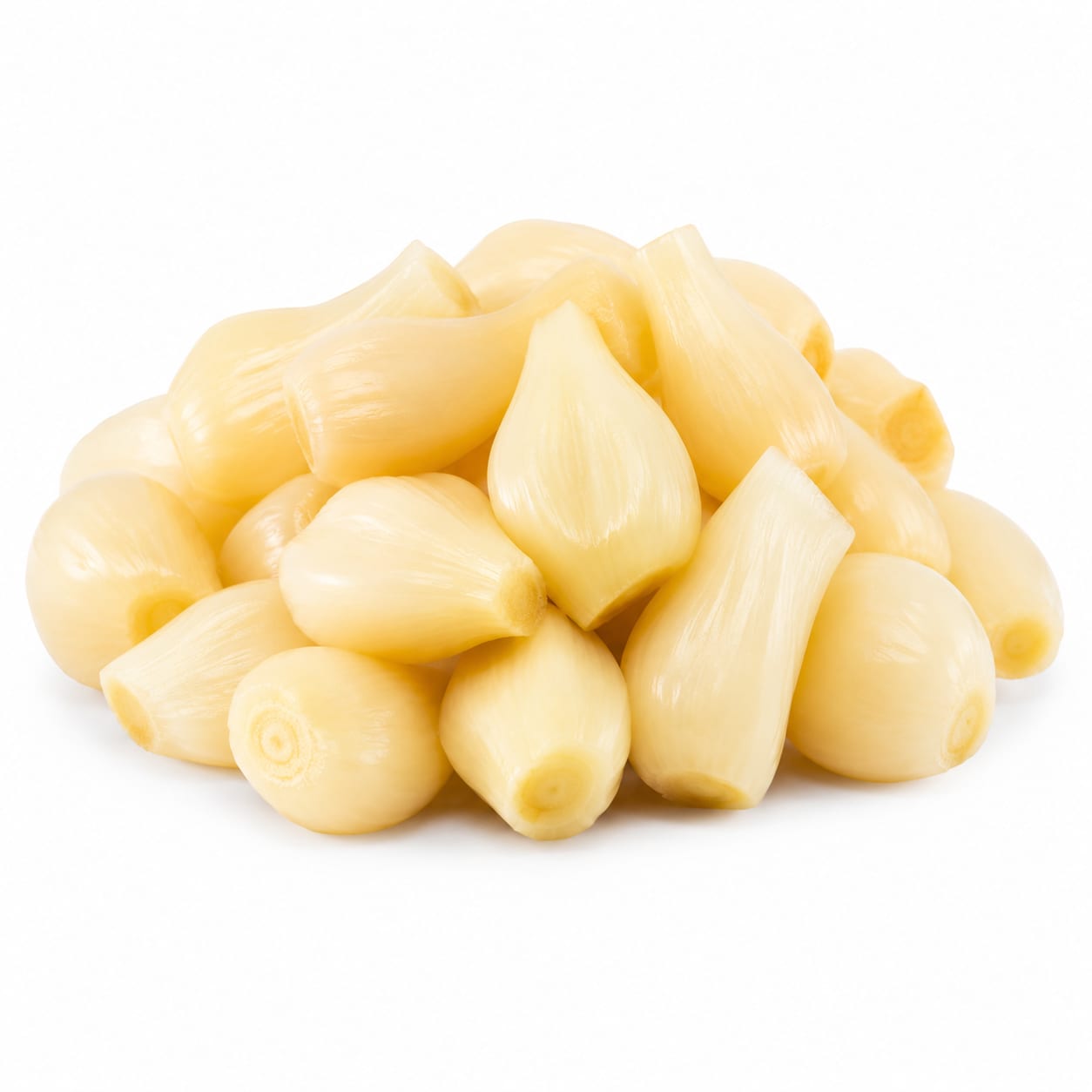
Lily Bulb
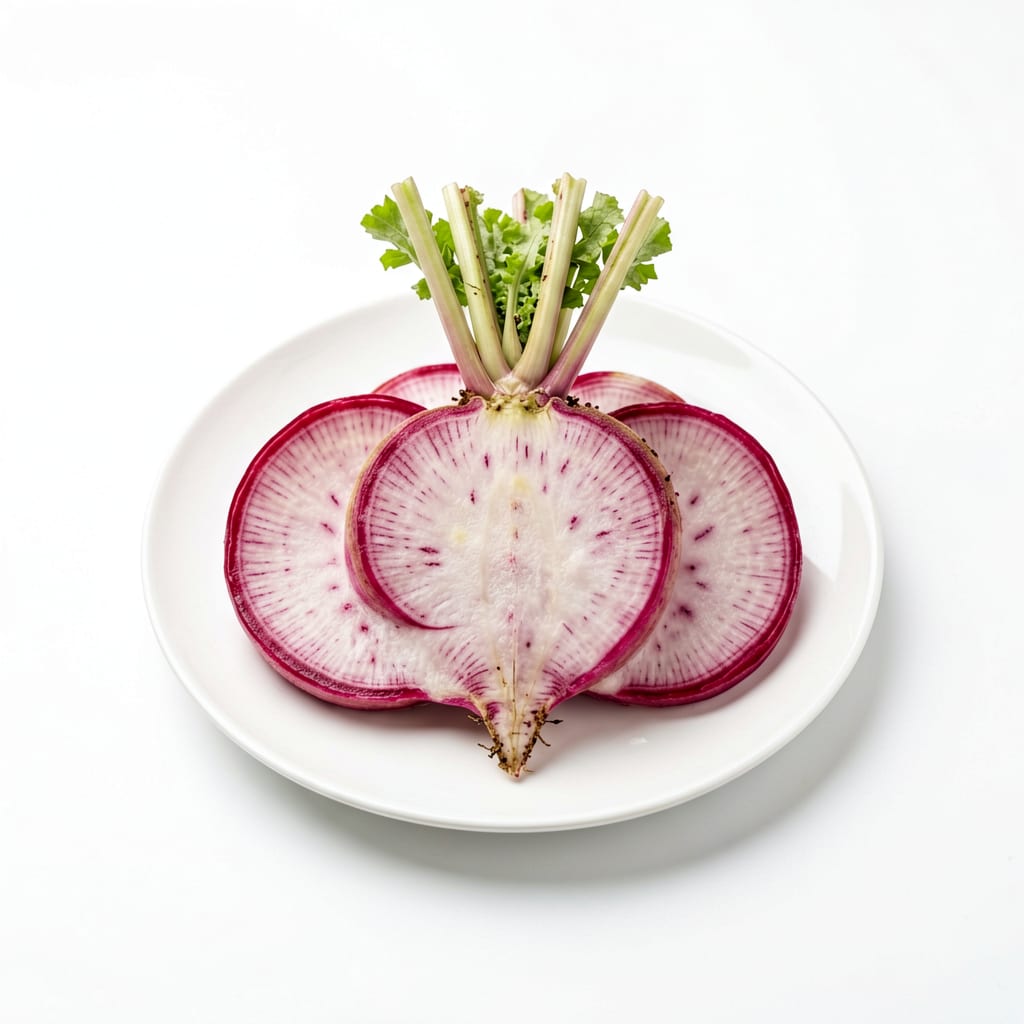
Radish
Radish wins for everyday low-calorie crunch and blood sugar control; Lily Bulb wins for soothing comfort, respiratory support, and traditional wellness recipes.
Radish scores higher due to superior calorie-to-nutrient ratio, wider availability, and stronger everyday practicality. Lily Bulb earns meaningful points for unique medicinal value and comforting texture but loses ground on carb load and accessibility.
Radish gives you near-zero calories with a peppery bite, while Lily Bulb offers comforting starchiness and medicinal benefits at a higher carb cost.
At a glance
Executive summary
Overall
It depends
Healthier
Radish
More practical
Radish
Daily use
Radish
Key comparison lenses
weight management and calorie control
Radish is dramatically lower in calories while Lily Bulb is starchier and more calorie-dense, making this the most impactful daily decision factor
digestive and gut health
Both foods are traditionally used for digestive support but through different mechanisms — Radish via enzymes and fiber, Lily Bulb via soothing starches
blood sugar and carb consciousness
Lily Bulb's starch content raises blood sugar more than Radish, which matters for diabetes and metabolic health decisions
traditional medicinal and wellness use
Lily Bulb has deep roots in Traditional Chinese Medicine for respiratory and calming benefits, while Radish is valued for detoxification and liver support
culinary versatility and accessibility
Radish is universally available and eaten raw or cooked, while Lily Bulb requires specialty stores and specific preparation methods
Best choice for
Lily Bulb
- People seeking calming, soothing foods for stress or respiratory discomfort
- Those wanting a mild, sweet starch alternative to potatoes or rice
- Traditional Chinese Medicine enthusiasts targeting lung or sleep support
- Anyone needing gentle, easy-to-digest nourishment during recovery
Radish
- Weight-conscious eaters wanting maximum volume for minimal calories
- People managing blood sugar who need low-carb vegetable options
- Those wanting a crunchy raw snack with digestive enzyme benefits
- Home cooks needing an affordable, widely available vegetable
Least suitable for
Lily Bulb
- Strict low-carb or keto dieters avoiding starchy vegetables
- People on tight grocery budgets without access to Asian markets
- Those wanting a quick raw snack with no cooking required
Radish
- People with sensitive stomachs who find raw radish too irritating
- Those seeking calorie-dense nourishment during illness recovery
- Anyone wanting a mild, comforting flavor rather than a peppery bite
Deep comparison
Dimension by dimension
Each lens scores both foods and breaks down who each option suits.
- Dimension 1 · Priority 90Radish
calorie_efficiency_and_weight_management
Lily Bulb · 45Radish · 92Radish delivers huge volume with almost no calories, while Lily Bulb's starch content makes it significantly more calorie-dense per bite.
Tradeoff
You trade satisfying starchy fullness for near-zero calorie freedom.
Why it matters
If you eat to feel full without gaining weight, Radish is dramatically more efficient.
Real-world impact
A full cup of sliced Radish costs you about 19 calories. The same amount of Lily Bulb runs roughly 80-100 calories and still leaves you wanting more.
Lily Bulb
- Recovery eating when you need gentle calories
Better for
- Calorie counting or weight loss phases
- Mindless snacking situations
Worse for
Radish
- Cutting calories without feeling deprived of volume
- Late-night snacking without regret
- Filling half your plate at dinner
Better for
- When you actually need energy density, like after illness
Worse for
- Dimension 2 · Priority 85Radish
blood_sugar_stability
Lily Bulb · 40Radish · 88Radish has minimal impact on blood sugar. Lily Bulb's starch content causes a more noticeable glucose rise.
Tradeoff
Comforting starch comes with a blood sugar cost that peppery crunch avoids entirely.
Why it matters
For anyone watching glucose — whether diabetic, prediabetic, or just avoiding afternoon crashes — this difference is significant.
Real-world impact
Eating Lily Bulb as a side can nudge your blood sugar up noticeably. Radish barely registers, making it safe for frequent snacking.
Lily Bulb
- Post-workout when some carbs are actually welcome
Better for
- Late-night eating when insulin sensitivity is lower
- Anyone monitoring fasting glucose closely
Worse for
Radish
- Steady energy throughout the afternoon
- Diabetes-friendly meal planning
- Avoiding the post-meal energy dip
Better for
- Situations where you need quick carbohydrate energy
Worse for
- Dimension 3 · Priority 80It depends
digestive_health_and_tolerance
Lily Bulb · 72Radish · 70Lily Bulb soothes the gut with gentle starches; Radish stimulates digestion with enzymes but can irritate sensitive stomachs raw.
Tradeoff
Soothing comfort versus active digestive stimulation — pick based on your gut's current mood.
Why it matters
An irritated stomach needs different support than a sluggish one.
Real-world impact
After a stomach bug, Lily Bulb porridge feels healing. When you feel bloated and heavy, Radish's enzymes help break things down.
Lily Bulb
- Recovery from stomach upset or illness
- Soothing an irritated digestive tract
- Gentle nourishment for elderly or frail digestion
Better for
- When you are constipated and need fiber stimulation
Worse for
Radish
- Sluggish digestion needing a kickstart
- Bloating relief through natural enzymes
- Supporting liver detoxification pathways
Better for
- Raw Radish on an already inflamed stomach
- Acid reflux flare-ups where pungent foods aggravate symptoms
Worse for
- Dimension 4 · Priority 75Radish
nutrient_density_and_micronutrients
Lily Bulb · 55Radish · 73Radish delivers more vitamin C, folate, and glucosinolates per calorie. Lily Bulb offers modest minerals but less overall micronutrient punch.
Tradeoff
Lily Bulb provides some calcium and phosphorus in a comforting package, but Radish gives you more protective compounds per bite.
Why it matters
When calories are limited, getting more nutrients per calorie matters for long-term health.
Real-world impact
Regular Radish consumption contributes meaningfully to vitamin C intake and cancer-fighting glucosinolates. Lily Bulb's benefits are more traditional than quantifiably nutrient-dense.
Lily Bulb
- Supplementing small amounts of calcium and phosphorus
Better for
- Relying on it as a primary nutrient source
Worse for
Radish
- Boosting vitamin C naturally
- Getting glucosinolates for cellular defense
- Maximizing nutrients per calorie eaten
Better for
- Situations where mineral intake is the priority
Worse for
- Dimension 5 · Priority 78Lily Bulb
traditional_and_medicinal_value
Lily Bulb · 90Radish · 68Lily Bulb has centuries of documented use in Traditional Chinese Medicine for respiratory and calming purposes. Radish has medicinal use too but less uniquely positioned.
Tradeoff
Lily Bulb's medicinal reputation is more specific and time-tested; Radish's benefits are real but more general.
Why it matters
If you value food-as-medicine traditions, Lily Bulb offers something Radish cannot replicate.
Real-world impact
A bowl of Lily Bulb and lotus seed soup is a targeted remedy for dry cough and restlessness. Radish tea helps with congestion but is less specific in its traditional applications.
Lily Bulb
- Dry cough and throat soothing
- Calming the mind before sleep
- TCM-inspired wellness routines
Better for
- Acute congestion that needs clearing rather than soothing
Worse for
Radish
- Clearing phlegm and congestion
- Liver support and detox traditions
- Reducing water retention
Better for
- Conditions requiring gentle, moistening nourishment
Worse for
- Dimension 6 · Priority 72Radish
convenience_and_accessibility
Lily Bulb · 35Radish · 88Radish is available in virtually every grocery store and requires no special preparation. Lily Bulb needs specialty shopping and specific cooking methods.
Tradeoff
Everyday ease versus specialty ingredient with cultural depth.
Why it matters
The best food for you is the one you can actually find and use regularly.
Real-world impact
You can grab Radish anywhere, slice it raw, and eat it in seconds. Lily Bulb requires an Asian market trip, peeling, and cooking before it becomes edible.
Lily Bulb
- Intentional meal prep for wellness recipes
- Weekend cooking projects with traditional dishes
Better for
- Spontaneous cooking without planning
- Rural areas without Asian grocery access
Worse for
Radish
- Quick weeknight meals
- Raw snacking without preparation
- Grocery shopping at any standard store
Better for
- When you specifically want a TCM recipe ingredient
Worse for
- Dimension 7 · Priority 68It depends
satiety_and_eating_satisfaction
Lily Bulb · 70Radish · 55Lily Bulb's starch content makes it more filling per serving. Radish provides volume but less lasting satisfaction on its own.
Tradeoff
Stomach fullness from starch versus visual fullness from water volume.
Why it matters
If you are trying to stay satisfied between meals, the type of fullness matters.
Real-world impact
A small portion of cooked Lily Bulb in soup feels genuinely satisfying. A cup of Radish fills your stomach with water but hunger returns within an hour.
Lily Bulb
- Small portions that actually satisfy
- Replacing heavier starches like potato
Better for
- When you want to eat a large volume without consequences
Worse for
Radish
- Bulk eating when you want to feel stuffed cheaply
- Adding crunch to meals without heaviness
Better for
- As a standalone snack for lasting hunger control
Worse for
Timeline
Health impact over time
Short-term
Hours to days
Lily Bulb
- Provides gentle, comforting energy from easily digested starches
- Soothes throat irritation and dry cough within hours of consumption
- Mild blood sugar rise that provides temporary satiety
Radish
- Immediate digestive enzyme activity helps break down a heavy meal
- Vitamin C boost supports short-term immune function
- Diuretic effect may reduce bloating and water retention within hours
Long-term
Months to years
Lily Bulb
- Regular consumption may support respiratory health and reduce chronic dry cough
- Calming properties could contribute to better sleep quality over time
- Starch content adds up if not accounted for in overall carb intake
Radish
- Glucosinolate intake is associated with reduced cancer risk over years
- Consistent low-calorie volume eating supports sustainable weight management
- Raw consumption may gradually strengthen digestive fire and gut motility
Risk profile
Safety & processing
Both foods are whole, unprocessed vegetables in their natural state. Dried Lily Bulb is common in stores and contains minimal sulfur preservatives — rinse well before cooking. Fresh Radish is about as natural as food gets.
Lily Bulb
Sulfur dioxide preservative on dried Lily Bulb
mediumCommercially dried Lily Bulb is often treated with sulfur dioxide for color preservation. Soaking and thorough rinsing before cooking reduces exposure significantly.
Misidentification with toxic lily species
lowOnly specific Lilium species are edible. Purchasing from reputable Asian markets eliminates this risk, but foraging wild lily bulbs is dangerous.
Radish
Pesticide residue on conventionally grown Radish
mediumRadish is a root vegetable that can accumulate soil pesticides. Peeling or choosing organic reduces this concern substantially.
Goitrogenic compounds from raw consumption
lowRaw Radish contains goitrogens that can interfere with thyroid function in extreme amounts. Cooking neutralizes most of this risk, and normal consumption is safe for healthy thyroids.
Who wins for whom
Audience fit
Same foods, different winners depending on your goal.
children
RadishRadish is easier to find, cheaper, and can be sliced into fun crunchy snacks. Lily Bulb's milder taste may appeal to some kids, but its preparation complexity and availability make it less practical for families.
daily consumption
RadishRadish is affordable, accessible, low-calorie, and easy to incorporate daily without metabolic consequences. Lily Bulb works better as an occasional wellness ingredient.
diabetes
RadishRadish's near-zero carb content keeps blood sugar stable. Lily Bulb's starch creates a measurable glucose response that requires insulin consideration.
elderly
Lily BulbLily Bulb's soft, easily digested texture and throat-soothing properties make it especially valuable for older adults with digestive sensitivity or respiratory issues.
muscle gain
It dependsNeither food is notable for muscle building. Lily Bulb offers slightly more usable carbs for post-workout glycogen replenishment, but both are poor protein sources.
weight loss
RadishRadish provides massive eating volume at negligible calorie cost, making it one of the most weight-loss-friendly vegetables available.
Your move
Decision guide
Choose Lily Bulb
- You are dealing with a persistent dry cough or throat irritation
- You want a gentle, comforting starch to replace heavier carbs
- You practice TCM-informed eating and value its calming properties
- You are recovering from illness and need soft, nourishing food
- You have access to a good Asian market and enjoy traditional recipes
Choose Radish
- You want maximum food volume with minimum calories
- You are managing blood sugar or following a low-carb approach
- You need an affordable, everyday vegetable available anywhere
- You enjoy crunchy raw snacks with a peppery kick
- You want digestive support after heavy meals
Either works if
- You want vegetable variety in a soup or stir-fry
- You are generally healthy and just adding more vegetables to your diet
- You are exploring Asian cooking traditions
Avoid both if
- You have severe FODMAP sensitivities — both can trigger symptoms in sensitive individuals
- You are looking for a significant protein source — neither delivers meaningful protein
Final recommendation
Keep Radish as your daily vegetable staple for its unbeatable calorie efficiency and blood sugar neutrality. Add Lily Bulb intentionally when you need its soothing, calming properties — think sick days, stressful weeks, or traditional wellness recipes. They serve completely different purposes, and the smartest approach uses both for their unique strengths rather than choosing one as universally better.
Practical
Consumer tips
- 1
Soak dried Lily Bulb in warm water for 30 minutes and rinse thoroughly to remove sulfur preservatives before cooking
- 2
Choose fresh Lily Bulb over dried when available — it has better texture and no preservative concerns
- 3
Slice Radish paper-thin and salt it for 10 minutes to mellow the peppery bite if raw intensity bothers you
- 4
Pickled Radish is delicious but watch the sodium — a single serving can contain 400mg or more
- 5
Combine both in a Chinese-style soup for a meal that is simultaneously soothing and digestion-stimulating
- 6
If buying Radish, choose firm specimens with smooth skin — soft spots mean it has been sitting too long
- 7
Fermented Radish (like kimchi) adds probiotic benefits but increases sodium intake significantly