
Nutrition comparison
Lily Bulb vs Yam: Which Starchy Food Is Better for Your Health Goals?
Compare lily bulb and yam on blood sugar impact, satiety, digestion, and practicality. Find out which one fits your diet, lifestyle, and health needs better.
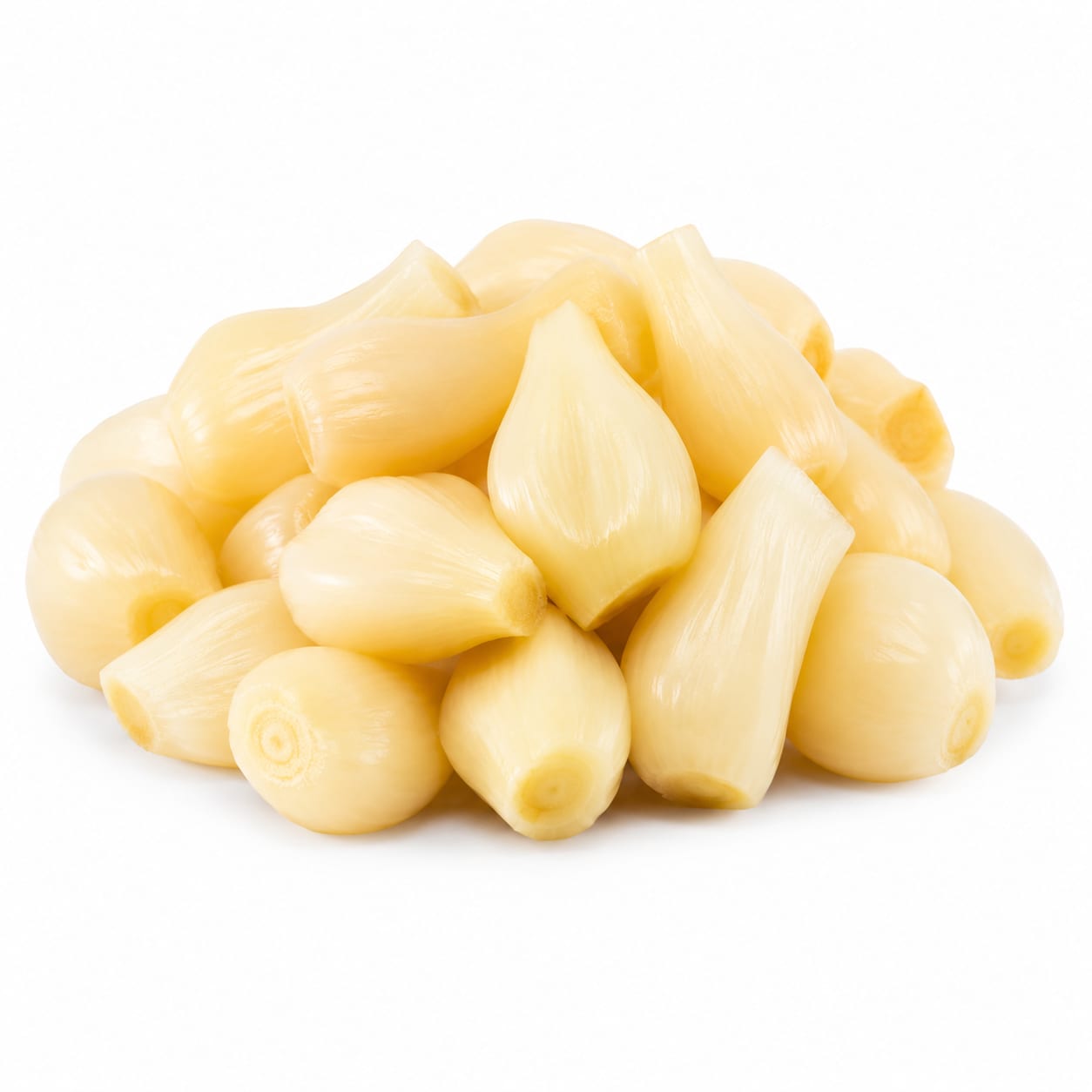
Lily Bulb
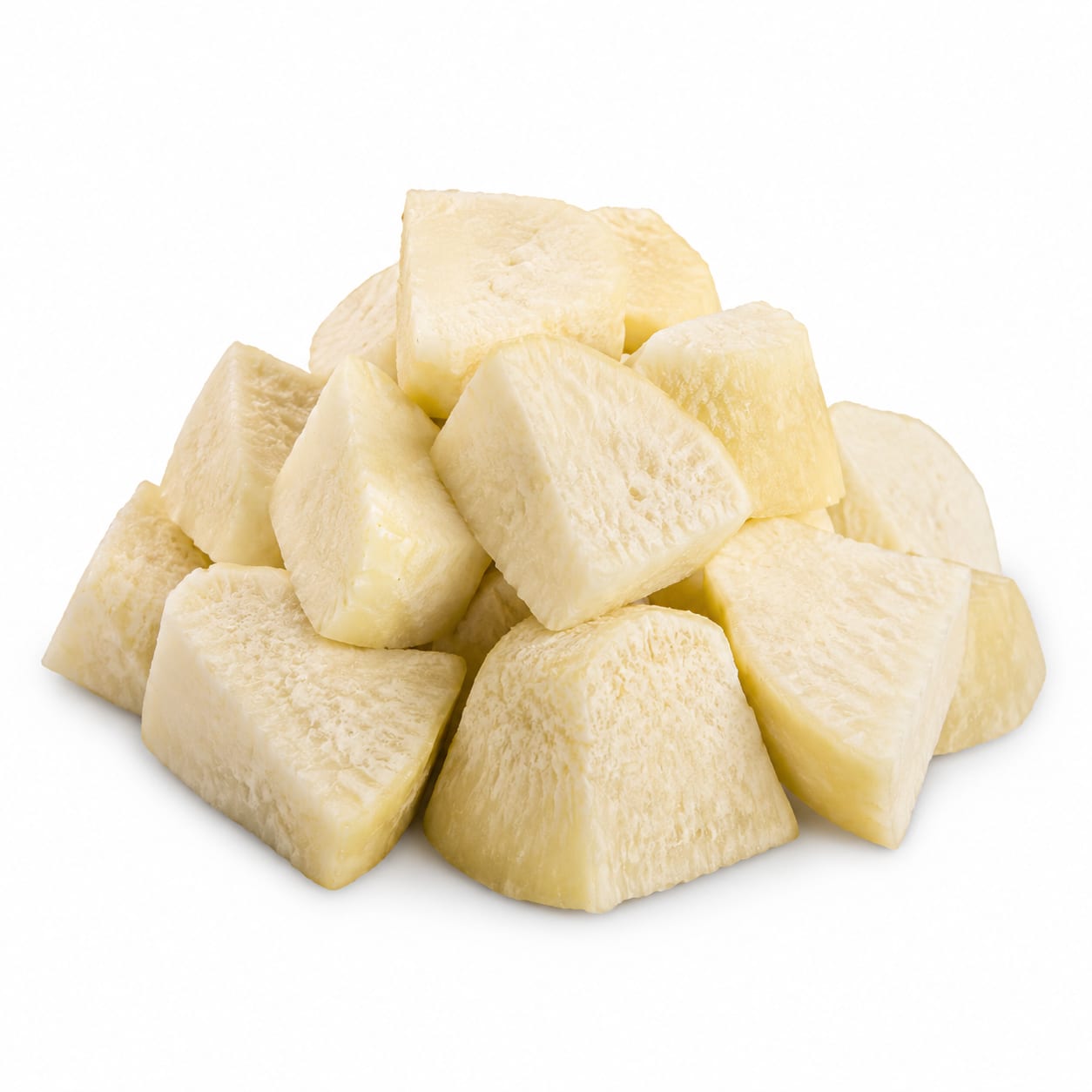
Yam
Yam fills you up and fuels you; lily bulb soothes and lightens. Pick based on what your body needs today.
Yam scores higher overall due to stronger satiety, broader nutrient profile, and everyday practicality. Lily bulb holds its own in blood sugar control and digestive gentleness but loses ground on availability and filling power.
Yam offers more sustained energy and fullness but with higher calories and carbs, while lily bulb is gentler and lighter but less satisfying on its own.
At a glance
Executive summary
Overall
It depends
Healthier
It depends
More practical
Yam
Daily use
Yam
Key comparison lenses
blood sugar management and glycemic impact
Both are starchy foods with meaningfully different glycemic profiles, making this the top concern for most users
satiety and meal satisfaction
Yam is significantly more filling while lily bulb is lighter, a key daily eating tradeoff
digestive comfort and gut tolerance
Lily bulb has traditional soothing properties while yam's fiber can be harder on sensitive stomachs
practicality and everyday accessibility
Yam is widely available and easy to prepare; lily bulb is specialty and requires more effort
nutrient density per calorie
Users want to know which delivers more nutrition for the caloric cost
Best choice for
Lily Bulb
- People managing blood sugar who want a lower-carb starchy option
- Those seeking gentle, soothing foods during illness recovery
- Anyone wanting a light, calming evening snack
- People following traditional Chinese medicine dietary approaches
Yam
- Active people needing sustained energy throughout the day
- Those looking for a filling, satisfying carb source
- Anyone wanting affordable, widely available nutrition
- People needing pre- or post-workout fuel
Least suitable for
Lily Bulb
- People needing high caloric intake or weight gain
- Those wanting quick, easy meal prep with common ingredients
- Anyone unfamiliar with specialty Asian grocery shopping
Yam
- People on strict low-carb or keto diets
- Those with sensitive digestion who struggle with high-fiber foods
- Anyone watching caloric intake closely
Deep comparison
Dimension by dimension
Each lens scores both foods and breaks down who each option suits.
- Dimension 1 · Priority 92Lily Bulb
Blood Sugar Stability
Lily Bulb · 82Yam · 68Lily bulb has a notably lower glycemic load, making it easier on blood sugar than yam.
Tradeoff
You get steadier glucose with lily bulb but sacrifice the sustained energy yam provides over longer periods.
Why it matters
For anyone monitoring blood sugar, this difference can mean avoiding afternoon crashes or needing fewer snacks.
Real-world impact
After eating lily bulb, you are less likely to feel that sleepy sugar dip. After yam, you get longer-lasting fuel but a more noticeable blood sugar rise.
Lily Bulb
- People with insulin resistance
- Those prone to energy crashes after carbs
- Anyone eating late at night
Better for
- Endurance athletes who need prolonged carb availability
Worse for
Yam
- Athletes needing sustained glucose during activity
- People doing physical labor
Better for
- People with diabetes trying to minimize glycemic spikes
- Those sensitive to post-meal blood sugar swings
Worse for
- Dimension 2 · Priority 88Yam
Satiety and Fullness
Lily Bulb · 48Yam · 85Yam is significantly more filling due to higher fiber and calorie density, while lily bulb feels light and almost snack-like.
Tradeoff
Yam keeps you full for hours but can feel heavy; lily bulb won't weigh you down but you will be hungry again sooner.
Why it matters
If you are trying to avoid overeating or snacking between meals, yam is the better anchor food.
Real-world impact
A yam at lunch can carry you to dinner. A lily bulb dish at lunch means you are probably reaching for a snack by 3pm.
Lily Bulb
- People wanting a light meal before bed
- Those who prefer eating smaller, more frequent meals
Better for
- People who get irritable or unfocused when hungry
Worse for
Yam
- Anyone trying to reduce between-meal snacking
- People who need one meal to last 4-5 hours
- Those doing intermittent fasting and breaking a fast
Better for
- Those who feel uncomfortably stuffed after heavy meals
Worse for
- Dimension 3 · Priority 75Lily Bulb
Nutrient Density Per Calorie
Lily Bulb · 76Yam · 70Lily bulb delivers a surprising amount of minerals and B vitamins for very few calories. Yam offers more total nutrients but at a higher caloric cost.
Tradeoff
Lily bulb is more nutrient-efficient per bite, but yam gives you more total nutrients per serving.
Why it matters
If you are calorie-conscious, lily bulb gives better nutritional return on investment. If calories are not a concern, yam delivers more overall.
Real-world impact
A small serving of lily bulb in soup gives you calcium, phosphorus, and iron without breaking your calorie budget. A yam gives you potassium, vitamin C, and B6 but costs 2-3 times the calories.
Lily Bulb
- People tracking calories carefully
- Those eating nutrient-dense diets with limited calorie room
Better for
- People who need to meet high daily mineral requirements from food alone
Worse for
Yam
- Active people who need both calories and nutrients
- Anyone under-eating who needs more nutritional total intake
Better for
- Those on calorie-restricted diets
Worse for
- Dimension 4 · Priority 82Lily Bulb
Digestive Comfort
Lily Bulb · 84Yam · 65Lily bulb is traditionally used to soothe the digestive tract and lungs. Yam's higher fiber can be rough on sensitive stomachs, especially if undercooked.
Tradeoff
Lily bulb is gentler but provides less fiber for gut health long-term. Yam feeds your microbiome better but can cause bloating initially.
Why it matters
If you have IBS, a sensitive stomach, or are recovering from illness, lily bulb is the safer choice. If your digestion is robust, yam's fiber is an asset.
Real-world impact
After lily bulb, your stomach feels settled and calm. After yam, you might feel temporarily bloated if you are not used to high-fiber foods.
Lily Bulb
- People with IBS or sensitive digestion
- Those recovering from stomach illness
- Anyone experiencing heartburn or reflux
Better for
- People needing more dietary fiber for constipation relief
Worse for
Yam
- People wanting to improve gut microbiome diversity
- Those who need help with regularity
Better for
- Anyone with active digestive inflammation
- Those who experience bloating from high-fiber foods
Worse for
- Dimension 5 · Priority 78Yam
Practicality and Accessibility
Lily Bulb · 40Yam · 88Yam is available in nearly every grocery store and simple to prepare. Lily bulb requires specialty shopping and often soaking or reconstituting if dried.
Tradeoff
Yam wins on convenience and availability, while lily bulb demands effort and planning but offers a unique culinary experience.
Why it matters
The best food for you is the one you can actually buy and prepare consistently.
Real-world impact
You can grab a yam at any supermarket on your way home. Finding lily bulb means visiting an Asian grocery or ordering online, and dried lily bulb needs overnight soaking.
Lily Bulb
- Home cooks who enjoy specialty ingredients and traditional recipes
- People who already shop at Asian markets regularly
Better for
- Anyone without access to Asian grocery stores
- People who want minimal prep time
Worse for
Yam
- Busy people who need quick, easy meal options
- Anyone living far from specialty grocery stores
- Meal preppers who want reliable, storable staples
Better for
- Those seeking culinary novelty and traditional healing foods
Worse for
- Dimension 6 · Priority 70Lily Bulb
Traditional and Medicinal Value
Lily Bulb · 90Yam · 55Lily bulb has centuries of use in traditional Chinese medicine for calming the mind, soothing lungs, and moistening dryness. Yam has some medicinal reputation but is primarily seen as everyday food.
Tradeoff
Lily bulb offers deeper therapeutic tradition but less everyday versatility. Yam is a workhorse staple with modest medicinal cred.
Why it matters
If you integrate traditional medicine into your wellness approach, lily bulb has a distinct role that yam cannot replace.
Real-world impact
In TCM, lily bulb is what you reach for with a dry cough, anxiety, or restless sleep. Yam is what you eat for dinner because you are hungry.
Lily Bulb
- People following TCM dietary principles
- Those dealing with dry cough or respiratory irritation
- Anyone seeking calming, sleep-friendly evening foods
Better for
- Skeptics of traditional medicine approaches
Worse for
Yam
- People who view food primarily as fuel and nutrition
- Those uninterested in traditional medicine frameworks
Better for
- Anyone specifically seeking TCM therapeutic foods
Worse for
Timeline
Health impact over time
Short-term
Hours to days
Lily Bulb
- Light, calm feeling in the stomach after eating
- Minimal blood sugar spike, making it suitable for evening meals
- Possible mild soothing effect on throat and respiratory comfort
Yam
- Noticeable fullness and sustained energy for 3-4 hours
- Moderate blood sugar rise that supports physical activity
- Possible bloating if consumed in large portions or undercooked
Long-term
Months to years
Lily Bulb
- Consistent low-glycemic eating may support insulin sensitivity
- Traditional use suggests benefits for respiratory and nervous system health
- Low calorie density supports weight maintenance when used as a carb substitute
Yam
- High potassium intake supports blood pressure regulation over time
- Fiber contributes to improved gut microbiome diversity and regularity
- Sustained energy from complex carbs supports active lifestyle sustainability
Risk profile
Safety & processing
Both foods are whole, minimally processed options. Dried lily bulb is simply dehydrated with no additives, and fresh yam is sold as-is. Neither raises ultra-processing concerns.
Lily Bulb
Sulfur dioxide residues from drying process
mediumSome commercially dried lily bulbs are treated with sulfur dioxide as a preservative. Rinsing and soaking thoroughly reduces exposure. Look for unsulfured varieties when possible.
Digestive irritation from raw consumption
lowRaw lily bulb can cause mild stomach upset. Always cook before eating to neutralize compounds that may irritate the digestive tract.
Yam
Oxalate content in some yam varieties
mediumCertain yam varieties contain oxalates that can cause throat irritation if eaten raw. Cooking eliminates this risk entirely. Always cook yams thoroughly.
Allergic reactions in sensitive individuals
lowSome people experience contact dermatitis or oral allergy when handling or eating yam. This is uncommon but worth noting if you have plant allergies.
Who wins for whom
Audience fit
Same foods, different winners depending on your goal.
children
YamYam's mild sweetness, soft texture when cooked, and higher calorie content suit growing kids better than the subtly flavored, lighter lily bulb.
daily consumption
YamYam's availability, affordability, filling nature, and cooking versatility make it a more realistic daily staple for most people.
diabetes
Lily BulbLily bulb's lower glycemic load creates smaller blood sugar excursions, giving easier glucose control per serving.
elderly
Lily BulbLily bulb is easier to digest, gentler on aging stomachs, and has traditional use for respiratory comfort common in older adults.
muscle gain
YamYam provides more carbohydrates and calories to fuel training and recovery, plus potassium that supports muscle function.
weight loss
Lily BulbLily bulb's low calorie density lets you eat a satisfying portion without overshooting your daily budget, making it easier to sustain a calorie deficit.
Your move
Decision guide
Choose Lily Bulb
- You want a gentle, low-glycemic carb that will not spike your blood sugar
- You are recovering from illness and need soothing, easy-to-digest food
- You follow TCM principles and want its calming, lung-moistening benefits
- You are calorie-conscious and want maximum nutrients per calorie
- You need a light evening food that will not disrupt sleep
Choose Yam
- You need sustained energy for physical work or exercise
- You want a filling carb that reduces between-meal snacking
- You value convenience and easy grocery availability
- You are cooking for a family and need affordable, crowd-pleasing food
- You want to improve your fiber intake and gut health
Either works if
- You want a whole-food carb source instead of refined grains
- You are building a balanced bowl or soup and need a starchy component
- You are avoiding processed foods and either option fits your meal plan
Avoid both if
- You are on a strict ketogenic or very-low-carb diet
- You have a known allergy to either food
- You need high-protein foods as your primary calorie source
Final recommendation
Keep both in rotation if you can find lily bulb easily. Use yam as your everyday energy staple, and turn to lily bulb when you want something lighter, calming, or blood-sugar-friendly. If you must pick one for daily life, yam wins on practicality and satisfaction. If you must pick one for metabolic gentleness, lily bulb is the quieter winner.
Practical
Consumer tips
- 1
Soak dried lily bulb for at least 2-3 hours and rinse well to reduce potential sulfur dioxide residue
- 2
Always cook yam thoroughly to eliminate oxalates and ensure digestibility
- 3
Try lily bulb in clear soups with lotus seed and rock sugar for a traditional calming dessert
- 4
Pair yam with a protein source like eggs or fish to build a complete, satisfying meal
- 5
If new to lily bulb, start with a small portion to test digestive tolerance
- 6
Store yam in a cool, dark, dry place and avoid refrigeration, which can alter texture
- 7
Look for unsulfured dried lily bulb at specialty markets for the cleanest option