
Nutrition comparison
Lily Bulb vs Sweet Potato: Nutrition, Benefits, and Which to Choose
Compare Lily Bulb and Sweet Potato side by side. Discover which is better for blood sugar, weight loss, and daily nutrition, plus safety tips for preparing Lily Bulb correctly.
Overall winner · Sweet Potato
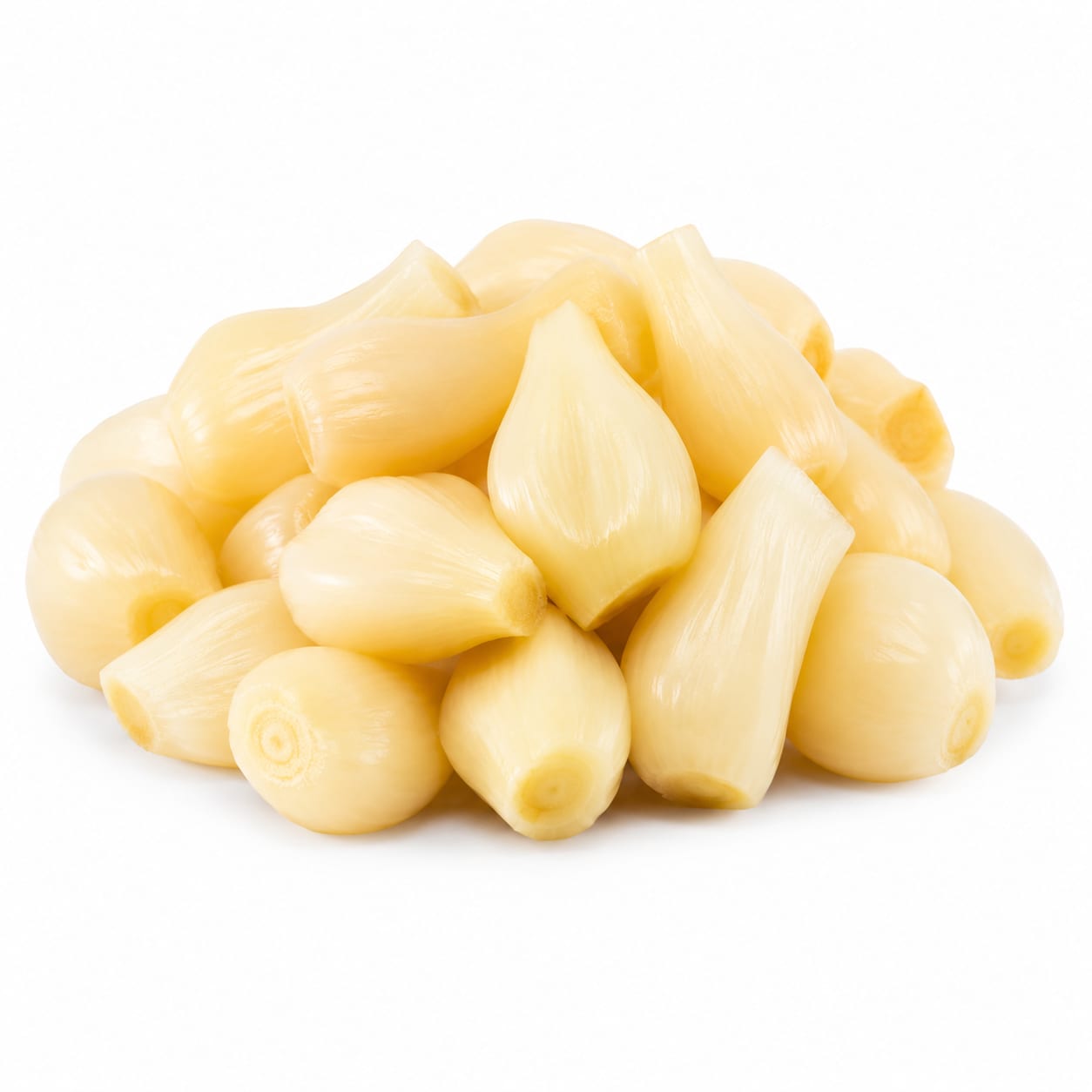
Lily Bulb
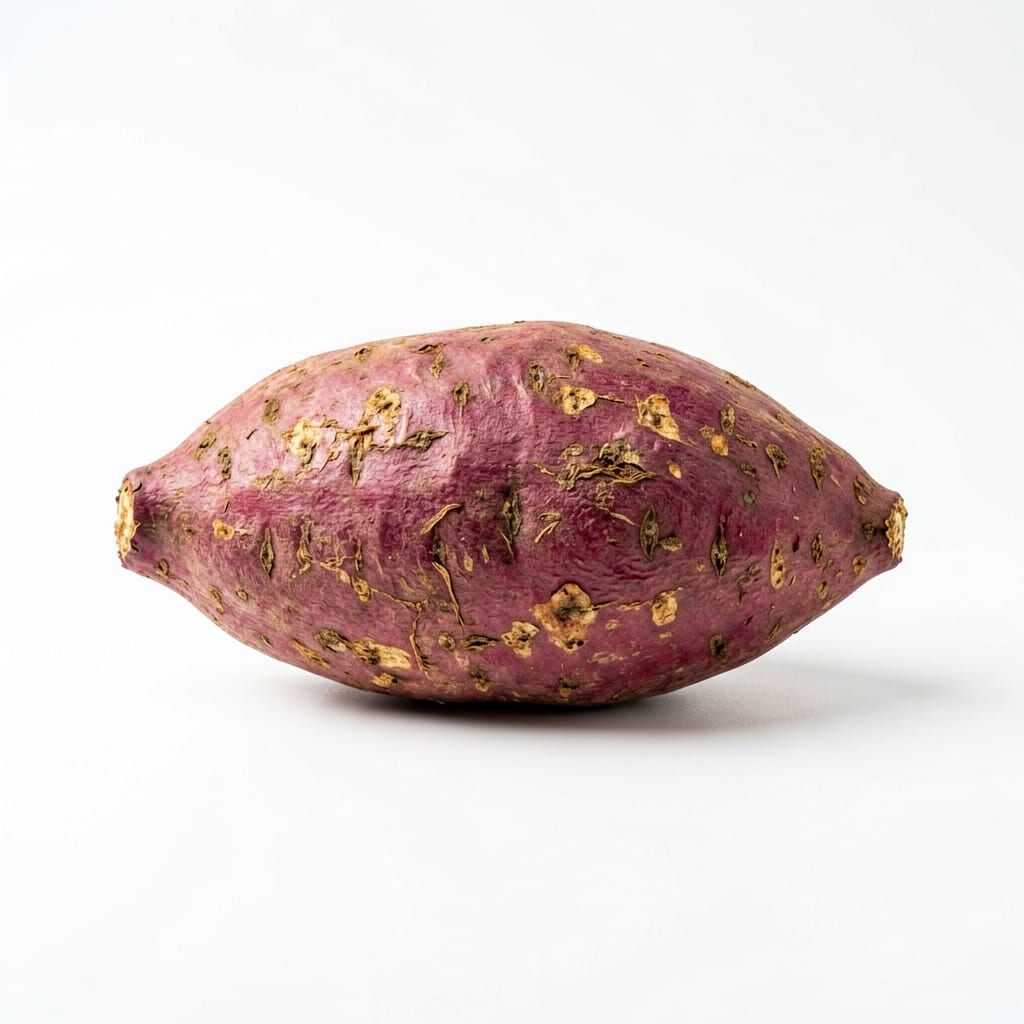
Sweet Potato
Sweet Potato is the more practical, nutrient-dense everyday choice, while Lily Bulb offers unique therapeutic benefits but lacks the sustenance and versatility for regular use.
Sweet Potato scores significantly higher due to superior nutritional density, satiety value, and everyday practicality. Lily Bulb earns its moderate score through unique medicinal properties and a gentler blood sugar impact, but cannot compete as a dietary staple.
You gain beta-carotene, fiber, and real meal satisfaction with Sweet Potato, but lose the respiratory-soothing and calming properties unique to Lily Bulb.
At a glance
Executive summary
Overall
Sweet Potato
Healthier
Sweet Potato
More practical
Sweet Potato
Daily use
Sweet Potato
Key comparison lenses
carbohydrate quality and blood sugar impact
Both are starchy plant foods but with very different glycemic profiles and carbohydrate densities
nutritional density and vitamin content
Sweet Potato is a nutritional powerhouse while Lily Bulb is more medicinal than nutrient-dense
traditional medicinal vs everyday staple utility
Lily Bulb is primarily a traditional remedy food while Sweet Potato is a daily dietary staple
satiety and meal replacement potential
Users need to know which food actually fills them up and sustains energy
digestive safety and preparation requirements
Lily Bulb has specific toxicity concerns when raw that Sweet Potato does not share
Best choice for
Lily Bulb
- People seeking traditional respiratory or throat-soothing remedies
- Those following Traditional Chinese Medicine protocols for cooling the body
- Anyone wanting a low-calorie, light starchy side dish
- People managing blood sugar who need a very low-glycemic starch option
Sweet Potato
- Anyone needing a filling, satisfying carbohydrate source
- People looking to boost vitamin A intake naturally
- Athletes or active individuals needing sustained energy
- Families wanting an affordable, versatile everyday staple
Least suitable for
Lily Bulb
- People unfamiliar with proper preparation who might consume it raw
- Anyone needing calorie-dense fuel for physical activity
- Those seeking a complete meal component rather than a supplement
- People with limited access to Asian grocery stores
Sweet Potato
- People strictly limiting carbohydrate intake
- Those with oxalate sensitivity or kidney stone concerns
- Individuals who experience blood sugar spikes from higher-GI foods
Deep comparison
Dimension by dimension
Each lens scores both foods and breaks down who each option suits.
- Dimension 1 · Priority 92Sweet Potato
Nutritional Density
Lily Bulb · 35Sweet Potato · 88Sweet Potato delivers far more vitamins, minerals, and antioxidants per calorie than Lily Bulb, which is relatively nutrient-sparse.
Tradeoff
Lily Bulb is lighter and lower in calories, but you get very little nutritional payoff for the effort of preparing it.
Why it matters
If a food is going to take up plate space, it should contribute meaningfully to your daily nutrient needs.
Real-world impact
One medium Sweet Potato covers over 400% of your daily vitamin A needs. Lily Bulb offers trace minerals but no standout nutrient hits.
Lily Bulb
- Very low-calorie diets where every calorie counts toward restriction
Better for
- Anyone at risk of nutrient deficiencies
- Growing children who need nutrient-dense foods
Worse for
Sweet Potato
- Meeting daily vitamin and mineral requirements efficiently
- Getting the most nutrition per dollar spent
- Supporting immune function through beta-carotene intake
Better for
- Strict calorie restriction where even moderate calories are too many
Worse for
- Dimension 2 · Priority 88Lily Bulb
Blood Sugar Stability
Lily Bulb · 82Sweet Potato · 58Lily Bulb has a much lower glycemic impact due to its lower carbohydrate density and starch composition, while Sweet Potato can spike blood sugar depending on preparation.
Tradeoff
Lily Bulb is gentler on blood sugar but will not fuel sustained activity. Sweet Potato provides more energy but requires portion awareness for glucose-sensitive individuals.
Why it matters
Blood sugar crashes affect mood, cravings, and long-term metabolic health.
Real-world impact
A Lily Bulb dish feels light and won't cause an afternoon energy dip. A large Sweet Potato can leave you energized but may trigger hunger sooner if eaten alone.
Lily Bulb
- People with diabetes or insulin resistance needing low-GI options
- Those prone to energy crashes after starchy meals
Better for
- Endurance athletes needing sustained carbohydrate fuel
Worse for
Sweet Potato
- Athletes who actually need the glucose for performance
- Active people who burn through carbohydrates quickly
Better for
- Sedentary individuals managing metabolic syndrome
- People who experience reactive hypoglycemia
Worse for
- Dimension 3 · Priority 85Sweet Potato
Satiety and Fullness
Lily Bulb · 40Sweet Potato · 82Sweet Potato is genuinely filling with its fiber and calorie content. Lily Bulb is light and delicate, leaving you hungry soon after.
Tradeoff
Lily Bulb will not weigh you down, but it also will not carry you through to the next meal.
Why it matters
Foods that fail to satisfy lead to snacking, overeating, and frustration with dietary choices.
Real-world impact
A Sweet Potato at lunch can hold you until dinner. A Lily Bulb dish is more of a bridge than a meal.
Lily Bulb
- Light eaters who prefer small, gentle meals
- Hot weather eating when heavy foods feel unappealing
Better for
- People trying to lose weight who need satiety from their meals
- Anyone prone to late-afternoon cravings
Worse for
Sweet Potato
- Anyone trying to reduce between-meal snacking
- People replacing higher-calorie staples with something satisfying
- Workers who need lunch to last through a long afternoon
Better for
- Those who feel sluggish after heavy meals
Worse for
- Dimension 4 · Priority 78Lily Bulb
Medicinal and Therapeutic Value
Lily Bulb · 85Sweet Potato · 55Lily Bulb has centuries of Traditional Chinese Medicine use for respiratory health, calming the mind, and reducing inflammation. Sweet Potato has general health benefits but no specific therapeutic tradition.
Tradeoff
Lily Bulb is genuinely useful as a functional food for specific conditions, while Sweet Potato is broadly nutritious but not targeted.
Why it matters
When you are dealing with a cough, poor sleep, or irritability, a food with targeted benefits can be more valuable than a generally healthy option.
Real-world impact
Lily Bulb soup during a persistent dry cough can feel soothing in a way Sweet Potato simply cannot replicate.
Lily Bulb
- People with chronic dry cough or throat irritation
- Those experiencing anxiety or sleep difficulties seeking food-based support
- TCM practitioners following cooling-diet protocols
Better for
- Anyone not dealing with the specific conditions it targets
Worse for
Sweet Potato
- General immune support through vitamin A
- Long-term anti-inflammatory dietary patterns
Better for
- Acute respiratory discomfort needing targeted relief
Worse for
- Dimension 5 · Priority 80Sweet Potato
Convenience and Accessibility
Lily Bulb · 30Sweet Potato · 85Sweet Potato is available everywhere, easy to prepare, and forgiving to cook. Lily Bulb requires specialty shopping and careful preparation to avoid toxicity.
Tradeoff
Lily Bulb demands effort and knowledge that most people will not invest for a modest nutritional return.
Why it matters
The healthiest food is the one you actually eat regularly, and convenience drives consistency.
Real-world impact
You can microwave a Sweet Potato in five minutes at any gas station. Finding fresh Lily Bulb requires an Asian grocery and the knowledge to prepare it safely.
Lily Bulb
- People already comfortable with traditional Chinese ingredients and cooking methods
Better for
- Beginner cooks unfamiliar with traditional ingredient preparation
- Rural or non-urban areas with limited ethnic grocery access
Worse for
Sweet Potato
- Busy households needing quick, reliable meal components
- Anyone without access to specialty grocery stores
- Meal preppers who want something that stores and reheats well
Better for
- No significant convenience downside for everyday use
Worse for
- Dimension 6 · Priority 75Sweet Potato
Digestive Tolerance and Safety
Lily Bulb · 50Sweet Potato · 78Sweet Potato is gentle on most digestive systems when cooked. Lily Bulb contains compounds that can cause nausea or worse if consumed raw or in excess.
Tradeoff
Lily Bulb requires more caution and knowledge to eat safely, while Sweet Potato is nearly foolproof.
Why it matters
A food that can make you sick if prepared incorrectly adds risk that most people do not expect from a vegetable.
Real-world impact
Undercooked Lily Bulb can cause vomiting and diarrhea. Sweet Potato's worst offense is mild bloating if you eat too much.
Lily Bulb
- People following TCM-guided preparation who know the proper cooking methods
Better for
- Anyone who might taste-test raw or undercooked preparations
- People with sensitive digestion who react to unusual starches
Worse for
Sweet Potato
- Families with children who need safe, simple foods
- Anyone with a sensitive stomach wanting gentle nourishment
Better for
- Those with oxalate-related kidney stone concerns
Worse for
Timeline
Health impact over time
Short-term
Hours to days
Lily Bulb
- Light, non-sleepy feeling after eating due to low glycemic load
- Potential throat and respiratory soothing within hours of consumption
- Nausea or digestive upset if consumed raw or undercooked
- Mild calming effect sometimes reported in TCM practice
Sweet Potato
- Noticeable energy boost from complex carbohydrates and natural sugars
- Feeling physically satisfied and full after a reasonable portion
- Possible warmth and comfort from a hot, sweet, filling food
- Mild bloating if consumed in very large quantities
Long-term
Months to years
Lily Bulb
- Potential respiratory health support with regular traditional use
- Very low risk of weight gain due to low calorie density
- Possible benefit for sleep quality when used in evening soups
- Risk of nutrient shortfalls if used as a primary starch replacement
Sweet Potato
- Strong vitamin A status supporting eye health and immune function
- Sustained fiber intake promoting gut health and regularity
- Potential blood sugar management challenges if portions are not controlled
- Long-term cardiovascular benefits from potassium and antioxidant content
Risk profile
Safety & processing
Both foods are whole, minimally processed plant foods. Dried Lily Bulb is the most common commercial form and involves only dehydration. Sweet Potato is typically sold fresh and unprocessed. Neither raises concerns about additives or ultra-processing when purchased in their natural state.
Lily Bulb
Toxicity from raw or undercooked consumption
highRaw Lily Bulb contains colchicine-like alkaloids that can cause nausea, vomiting, diarrhea, and in severe cases more serious symptoms. Always cook thoroughly before eating.
Sulfite residue in dried products
mediumCommercially dried Lily Bulb is sometimes treated with sulfites as a preservative, which can trigger reactions in sensitive individuals. Rinse thoroughly and check labels.
Misidentification with ornamental lily species
mediumNot all lily bulbs are edible. Ornamental varieties can be toxic. Only consume bulbs specifically sold as food from reputable sources.
Sweet Potato
Mold and aflatoxin exposure from improper storage
mediumSweet Potatoes can develop mold when stored in damp or cold conditions. Discard any with soft spots, mold, or an off smell to avoid potential toxin exposure.
Oxalate content affecting kidney stone formation
lowSweet Potatoes contain moderate oxalates. For most people this is not a concern, but those with a history of calcium oxalate kidney stones should moderate intake.
Solanine in green-tinged flesh
lowThough less common than in white potatoes, Sweet Potatoes exposed to excessive light can develop green areas containing mild toxins. Trim away any green portions.
Who wins for whom
Audience fit
Same foods, different winners depending on your goal.
children
Sweet PotatoSweet Potato is naturally sweet, easy to digest when cooked, and packed with growing-body nutrients. Lily Bulb's preparation risks and mild taste make it less suitable for kids.
daily consumption
Sweet PotatoSweet Potato is a reliable, safe, nutrient-dense daily staple. Lily Bulb is better used occasionally for its specific therapeutic benefits rather than as a routine food.
diabetes
Lily BulbLily Bulb's lower glycemic impact makes it safer for blood sugar management. Sweet Potato can fit in a diabetic diet with portion control, but requires more vigilance.
elderly
Sweet PotatoSweet Potato's soft texture when cooked, high vitamin A for immune support, and fiber for digestion make it ideal for older adults. Lily Bulb's safety concerns with preparation are a drawback for this group.
muscle gain
Sweet PotatoSweet Potato provides the carbohydrate fuel and calorie density needed to support training and recovery. Lily Bulb is too light to meaningfully contribute to a muscle-building diet.
weight loss
It dependsLily Bulb is lower in calories but will not keep you full, potentially leading to overeating later. Sweet Potato is more filling per calorie, making it easier to stick with a calorie deficit. Choose based on whether you need volume or satiety.
Your move
Decision guide
Choose Lily Bulb
- You are dealing with a persistent dry cough or throat irritation and want a food-based remedy
- You follow TCM dietary principles and need a cooling, calming food
- You want a very light starchy side that will not spike blood sugar
- You are already eating a nutrient-dense diet and want therapeutic variety
Choose Sweet Potato
- You need a filling, satisfying carbohydrate source for everyday meals
- You want to boost your vitamin A intake naturally and affordably
- You are feeding a family and need something everyone will eat
- You are an active person who needs sustained energy from real food
- You want something easy to prepare with minimal food safety concerns
Either works if
- You want a whole-food starch source and are comfortable rotating between options
- You are building a diverse diet and value variety over consistency
Avoid both if
- You are on a strict very-low-carb or ketogenic diet and cannot accommodate starchy foods
- You have specific carbohydrate malabsorption issues that make all starches problematic
Final recommendation
Make Sweet Potato your everyday starch and treat Lily Bulb as a therapeutic addition when respiratory or calming benefits are specifically needed. Sweet Potato gives you more nutrition, more satisfaction, and more safety for regular use. Save Lily Bulb for the moments it was designed for: soothing a cough, calming your system, or adding traditional depth to a healing soup.
Practical
Consumer tips
- 1
Always cook Lily Bulb thoroughly — never taste-test it raw, as the alkaloids can cause immediate nausea
- 2
Soak dried Lily Bulb for at least two hours and rinse well to reduce sulfite residue
- 3
Boil Sweet Potato rather than baking if you want a lower glycemic impact — boiling produces a lower GI than baking
- 4
Pair Sweet Potato with a protein or fat source to slow sugar absorption and extend satiety
- 5
Store Sweet Potatoes in a cool, dark, dry place — never the refrigerator, which can alter texture and promote spoilage
- 6
Try Lily Bulb in a traditional lotus seed and lily bulb soup for sleep support — the combination is more effective than either alone
- 7
If buying dried Lily Bulb, choose unsulfured varieties when available to avoid preservative exposure