
Nutrition comparison
Lily Bulb vs Turnip: Nutrition, Health Benefits, and Which to Choose
Compare Lily Bulb and Turnip side by side. Learn which root vegetable is better for weight loss, blood sugar, digestion, and daily nutrition with practical tradeoff analysis.
Overall winner · Turnip
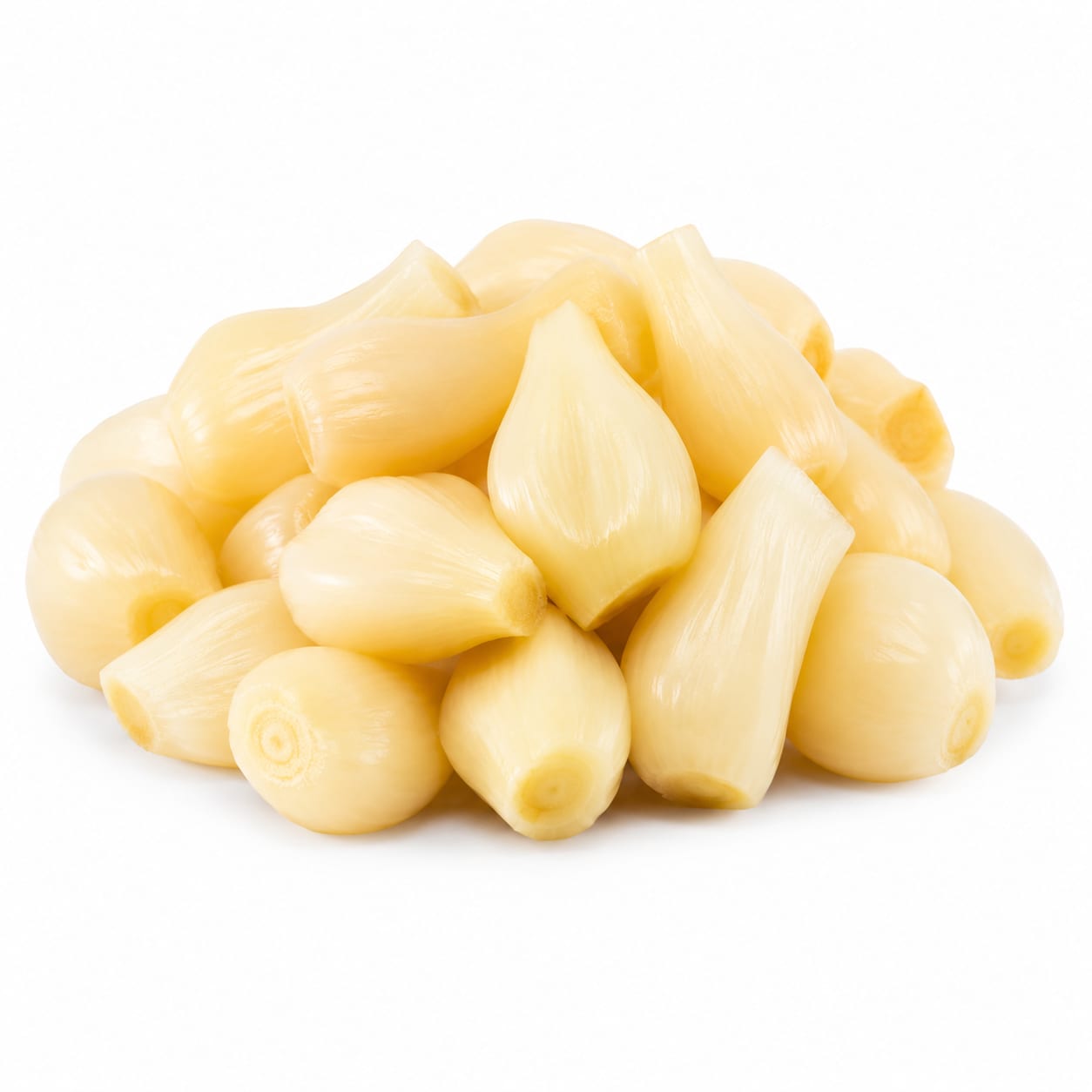
Lily Bulb
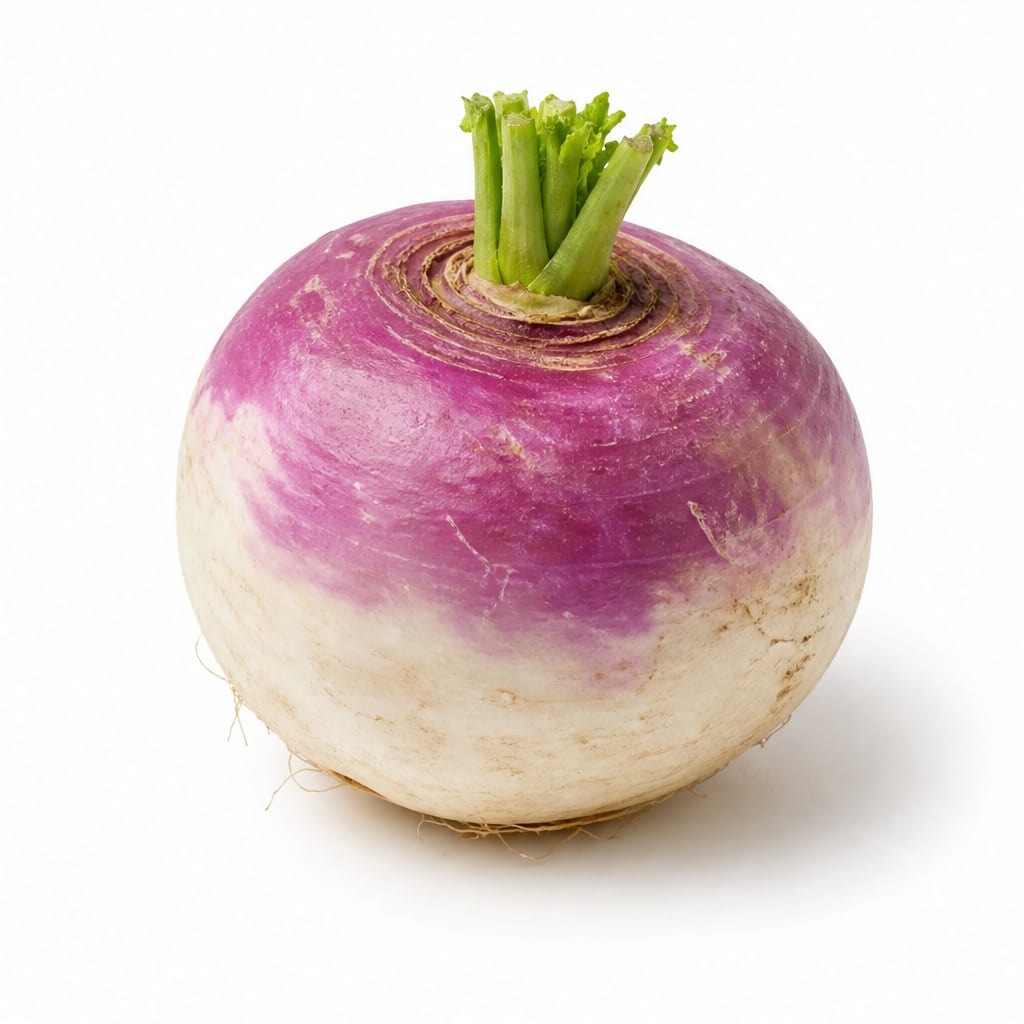
Turnip
Turnip wins for everyday nutrition with more vitamins, fewer calories, and easier access. Lily Bulb offers unique soothing properties and traditional medicine benefits that Turnip cannot replace.
Turnip scores notably higher due to stronger everyday nutritional value, wider availability, lower calorie density, and no special preparation requirements. Lily Bulb earns meaningful points for unique medicinal properties and soothing effects but loses ground on accessibility, safety concerns with raw consumption, and higher starch content.
Turnip gives you better daily nutrition and safety with less effort. Lily Bulb gives you specialized calming and respiratory benefits but requires careful preparation and is harder to find.
At a glance
Executive summary
Overall
Turnip
Healthier
Turnip
More practical
Turnip
Daily use
Turnip
Key comparison lenses
root vegetable nutritional value comparison
Both are root vegetables but belong to entirely different plant families with distinct nutrient profiles and culinary roles
traditional medicine vs everyday nutrition
Lily Bulb carries significant traditional medicine heritage while Turnip is a staple everyday vegetable with well-documented nutritional benefits
safety and preparation requirements
Lily Bulb requires careful preparation to avoid mild toxicity concerns, while Turnip is generally safe to eat even raw
digestive comfort and gut health
Lily Bulb is known for soothing the digestive tract in traditional medicine, while Turnip contains fiber and glucosinolates that affect digestion differently
blood sugar and weight management
Turnip is significantly lower in carbohydrates and calories, making it more relevant for metabolic health goals
Best choice for
Lily Bulb
- People seeking traditional cough and respiratory remedies
- Those wanting a soothing, cooling food for irritated throats
- Anyone following Traditional Chinese Medicine dietary practices
- People looking for a unique starchy comfort food with medicinal heritage
Turnip
- People managing weight or blood sugar
- Anyone wanting a low-calorie cruciferous vegetable with cancer-fighting compounds
- Home cooks needing a versatile everyday root vegetable
- Those seeking high vitamin C and fiber on a budget
Least suitable for
Lily Bulb
- People unfamiliar with proper preparation methods for Lily Bulb
- Those on strict low-carb diets due to its starch content
- Anyone with limited access to Asian grocery stores
- People concerned about colchicine-like compound exposure from improper cooking
Turnip
- People with thyroid sensitivity to goitrogenic vegetables when consumed raw in large amounts
- Those specifically seeking the soothing respiratory properties unique to Lily Bulb
- Anyone looking for a starchy comfort vegetable with calming traditional medicine effects
Deep comparison
Dimension by dimension
Each lens scores both foods and breaks down who each option suits.
- Dimension 1 · Priority 92Turnip
Nutritional Density
Lily Bulb · 52Turnip · 78Turnip delivers more vitamins and minerals per calorie, especially vitamin C and potassium. Lily Bulb provides starch and some minerals but lacks the broad micronutrient spread.
Tradeoff
Lily Bulb offers more calories and starch for energy, but Turnip gives you more essential nutrients per bite.
Why it matters
If you are eating one of these regularly, Turnip does more heavy lifting for your daily vitamin needs without the caloric cost.
Real-world impact
A serving of Turnip covers a meaningful chunk of your daily vitamin C. Lily Bulb fills you up more but contributes less to your micronutrient targets.
Lily Bulb
- Those needing starchy energy from a whole food source
- Recovery meals where soothing comfort matters more than micronutrient density
Better for
- Meeting daily vitamin C requirements efficiently
- Getting diverse phytonutrients from cruciferous compounds
Worse for
Turnip
- Daily vegetable rotation for broad micronutrient coverage
- Anyone trying to maximize nutrition per calorie eaten
Better for
- Providing substantial caloric energy from a root vegetable
- Delivering the specific polysaccharides found in Lily Bulb
Worse for
- Dimension 2 · Priority 88Turnip
Blood Sugar and Metabolic Impact
Lily Bulb · 48Turnip · 82Turnip is a low-carb, low-glycemic vegetable that barely moves blood sugar. Lily Bulb contains significant starch that raises its glycemic impact noticeably.
Tradeoff
Lily Bulb provides satisfying starchy energy but at the cost of higher blood sugar impact. Turnip keeps glucose steady but will not fill you up the same way.
Why it matters
For anyone watching blood sugar, managing diabetes, or trying to lose weight, this difference is substantial and daily-relevant.
Real-world impact
Eating Turnip as a side dish will not spike your blood sugar or trigger cravings later. Lily Bulb eaten in larger portions can contribute to an afternoon energy dip.
Lily Bulb
- Post-illness recovery when gentle starchy calories are welcome
- Athletes needing carb-based energy from whole foods
Better for
- Blood sugar management in any form
- Calorie-restricted eating plans
Worse for
Turnip
- Diabetics managing blood glucose carefully
- Weight loss diets where low calorie density matters daily
- Keto or low-carb eaters wanting a root vegetable option
Better for
- Situations where you need the vegetable to provide substantial energy
Worse for
- Dimension 3 · Priority 82It depends
Digestive Comfort and Gut Health
Lily Bulb · 70Turnip · 68Lily Bulb is traditionally used to soothe irritated throats and calm the digestive tract. Turnip provides excellent fiber and glucosinolates but can cause gas in sensitive people.
Tradeoff
Lily Bulb is gentler and more soothing for sensitive stomachs. Turnip feeds gut bacteria better but may cause bloating if you are not used to cruciferous vegetables.
Why it matters
If you have a sensitive gut or are recovering from illness, this distinction changes which food actually feels good to eat.
Real-world impact
A bowl of Lily Bulb soup feels comforting and easy on the stomach. A serving of Turnip might leave you bloated if your gut is not accustomed to brassica vegetables.
Lily Bulb
- Recovering from illness when your stomach is sensitive
- Soothing a cough or irritated throat
- People with IBS who tolerate starch better than cruciferous fiber
Better for
- Providing the diverse fiber types that support a thriving microbiome
Worse for
Turnip
- Feeding beneficial gut bacteria with prebiotic fiber
- Building digestive resilience over time with regular cruciferous intake
Better for
- Immediate comfort for an already irritated digestive system
- People prone to gas and bloating from cruciferous vegetables
Worse for
- Dimension 4 · Priority 80Turnip
Safety and Preparation Requirements
Lily Bulb · 45Turnip · 88Lily Bulb contains colchicine-like compounds that require proper soaking and cooking to neutralize. Turnip is safe to eat raw with minimal risk.
Tradeoff
Lily Bulb demands knowledge and care to prepare safely. Turnip is essentially worry-free and can even be eaten raw in salads.
Why it matters
If you do not know how to prepare Lily Bulb correctly, you risk mild toxicity symptoms. Turnip has no such learning curve.
Real-world impact
You can grab a Turnip, peel it, and eat it raw or toss it in any dish. Lily Bulb requires soaking, thorough cooking, and awareness of proper preparation to avoid nausea or digestive upset.
Lily Bulb
- Experienced cooks familiar with traditional preparation methods
- Cultural contexts where proper preparation knowledge is common
Better for
- Casual or inexperienced cooks
- Raw food diets or quick-prep meal routines
Worse for
Turnip
- Beginners and anyone unfamiliar with specialty ingredient preparation
- Quick weeknight cooking with no time for soaking steps
- Households with children where food safety margins matter more
Better for
- Situations where the specific bioactive compounds in Lily Bulb are desired
Worse for
- Dimension 5 · Priority 75Turnip
Culinary Versatility and Availability
Lily Bulb · 42Turnip · 85Turnip works in soups, roasts, mashes, salads, and stir-fries across many cuisines. Lily Bulb is primarily used in East Asian dishes and specialty recipes.
Tradeoff
Turnip fits into almost any meal plan and is available in any grocery store. Lily Bulb requires a trip to an Asian market and pairs best with specific flavor profiles.
Why it matters
The food you can actually find and cook easily is the food you will eat regularly. Availability drives real-world nutrition outcomes.
Real-world impact
Turnip can be roasted with olive oil, mashed like potato, or sliced into a salad on a Tuesday night. Lily Bulb requires a special shopping trip and a specific recipe to shine.
Lily Bulb
- Exploring traditional Chinese and East Asian recipes
- Making specialty soups and desserts with unique texture and mild sweetness
Better for
- Spontaneous cooking with whatever is in the fridge
- Cuisines outside East Asian culinary traditions
Worse for
Turnip
- Weekly meal prep with flexible ingredient use
- Substituting for potatoes or other root vegetables in familiar dishes
- Budget-conscious shopping at any standard grocery store
Better for
- Creating the specific delicate, soothing dishes that Lily Bulb is known for
Worse for
- Dimension 6 · Priority 78It depends
Anti-inflammatory and Medicinal Value
Lily Bulb · 72Turnip · 70Lily Bulb has centuries of traditional medicine use for respiratory and calming benefits. Turnip offers glucosinolates with documented anti-cancer properties. Both have value, but in different therapeutic directions.
Tradeoff
Lily Bulb is better for respiratory soothing and calming effects. Turnip is better for long-term cancer risk reduction through cruciferous compounds.
Why it matters
Your health goals determine which medicinal property matters more. A cough calls for Lily Bulb. Long-term disease prevention calls for Turnip.
Real-world impact
If you have a persistent dry cough, Lily Bulb soup is genuinely comforting and may help. If you are thinking about long-term cancer prevention, regular Turnip intake contributes to that goal.
Lily Bulb
- Respiratory irritation and persistent cough
- Insomnia and restlessness in traditional medicine frameworks
- Post-illness recovery where calming, moistening properties help
Better for
- Evidence-based cancer prevention strategies
- Providing the well-studied sulforaphane pathway benefits
Worse for
Turnip
- Long-term cancer risk reduction through glucosinolate intake
- Cardiovascular health support via cruciferous vegetable compounds
- Chronic inflammation management with regular dietary inclusion
Better for
- Acute respiratory symptom relief
- Traditional calming and sleep-supporting applications
Worse for
Timeline
Health impact over time
Short-term
Hours to days
Lily Bulb
- Gentle soothing of throat irritation when consumed as soup
- Mild blood sugar increase from starch content
- Potential digestive upset if not properly soaked and cooked before eating
- Comforting, satisfying feeling from starchy texture
Turnip
- Quick vitamin C boost supporting immune function
- Possible gas or bloating if you eat large amounts raw and are unaccustomed to cruciferous vegetables
- Very low blood sugar impact making it easy to pair with any meal
- Hydrating and light feeling after eating
Long-term
Months to years
Lily Bulb
- Consistent traditional medicine benefits for respiratory health when consumed regularly
- Higher caloric intake if used as a frequent staple without portion awareness
- Potential exposure to mild toxins if preparation is consistently careless
- Unique polysaccharide intake that may support immune modulation
Turnip
- Reduced cancer risk from regular glucosinolate consumption
- Improved gut microbiome diversity from consistent fiber intake
- Better weight management outcomes due to low calorie density
- Potential thyroid effects if consumed raw in very large quantities over time
Risk profile
Safety & processing
Both Lily Bulb and Turnip are whole, minimally processed root vegetables. Dried Lily Bulb is common in stores and may contain sulfur dioxide as a preservative, so check packaging. Fresh Turnip has essentially zero additive concerns.
Lily Bulb
Colchicine-like compound exposure
mediumRaw or undercooked Lily Bulb contains compounds that can cause nausea, vomiting, and diarrhea. Proper soaking and thorough cooking neutralize this risk significantly.
Sulfur dioxide in dried products
lowMany commercially dried Lily Bulbs are treated with sulfur dioxide as a preservative. People with sulfite sensitivity should seek untreated or fresh options.
Turnip
Goitrogenic effects from raw consumption
lowRaw Turnip contains goitrogens that can interfere with thyroid function in susceptible individuals. Cooking reduces this concern substantially.
Pesticide residue on conventional crops
lowAs a root vegetable, Turnip can retain soil pesticide residues. Peeling and washing reduces this. Choosing organic further minimizes risk.
Who wins for whom
Audience fit
Same foods, different winners depending on your goal.
children
TurnipTurnip is safer, easier to prepare correctly, and provides vitamin C growing kids need. Lily Bulb requires careful cooking to avoid digestive upset, which adds unnecessary risk for children.
daily consumption
TurnipTurnip is safer, more accessible, lower in calories, and easier to incorporate into daily meals without special preparation knowledge or ingredient sourcing.
diabetes
TurnipTurnip has a much lower glycemic impact and carbohydrate load, making it clearly safer for blood sugar management.
elderly
It dependsLily Bulb is traditionally valued for respiratory support common in older adults, but Turnip offers stronger everyday nutrition and cancer-fighting compounds. Context and health priorities determine the better choice.
muscle gain
It dependsNeither is a protein powerhouse. Lily Bulb provides more starchy carbs that could support training energy, while Turnip is too low in calories to contribute meaningfully to a muscle-gain diet.
weight loss
TurnipTurnip has roughly one-third the calories of Lily Bulb per serving with significantly fewer carbs, making it far easier to fit into a calorie-controlled eating plan.
Your move
Decision guide
Choose Lily Bulb
- You are dealing with a persistent cough or throat irritation and want a food-based remedy
- You follow Traditional Chinese Medicine principles and want cooling, moistening foods
- You have access to a reliable Asian grocery store and know how to prepare it properly
- You want a unique starchy comfort food with cultural and medicinal significance
Choose Turnip
- You want a versatile, everyday root vegetable that supports weight management
- You are focused on blood sugar control or metabolic health
- You value cancer-fighting cruciferous compounds in your regular diet
- You need something easy to find, easy to cook, and hard to get wrong
Either works if
- You simply want more vegetable variety in your diet and enjoy root vegetables
- You are exploring Asian-inspired soups where either could work as an ingredient
- You have no specific health condition driving your choice and enjoy both flavors
Avoid both if
- You have severe thyroid issues and are avoiding goitrogenic foods entirely
- You are on a very strict low-fiber diet for acute digestive conditions
- You are looking for a high-protein food source, as neither delivers meaningful protein
Final recommendation
Keep Turnip as your regular root vegetable for daily nutrition, blood sugar stability, and cancer-fighting benefits. Add Lily Bulb occasionally when you want its unique soothing properties or are cooking traditional recipes. Turnip is the smarter default. Lily Bulb is the intentional specialty choice.
Practical
Consumer tips
- 1
If buying dried Lily Bulb, look for packages without sulfur dioxide preservative, especially if you have sulfite sensitivity
- 2
Soak fresh Lily Bulb for at least two hours and cook thoroughly to neutralize colchicine-like compounds before eating
- 3
Turnip greens are even more nutritious than the root — do not throw them away if you buy bunches with tops attached
- 4
Roasting Turnip brings out natural sweetness and reduces the slight bitterness some people dislike raw
- 5
Start with small portions of Turnip if you are not used to cruciferous vegetables to avoid gas and bloating
- 6
Lily Bulb pairs beautifully with lotus seed and rock sugar in traditional sweet soup for a comforting dessert
- 7
Choose firm, smooth Turnips with no soft spots — smaller ones tend to be sweeter and more tender