
Nutrition comparison
Lily Bulb vs Artichoke: Which Is Better for Gut Health, Sleep, and Liver Support?
Compare lily bulb and artichoke side by side. Discover which vegetable wins for digestion, calming sleep support, liver health, and daily nutrition. Practical tradeoffs explained.
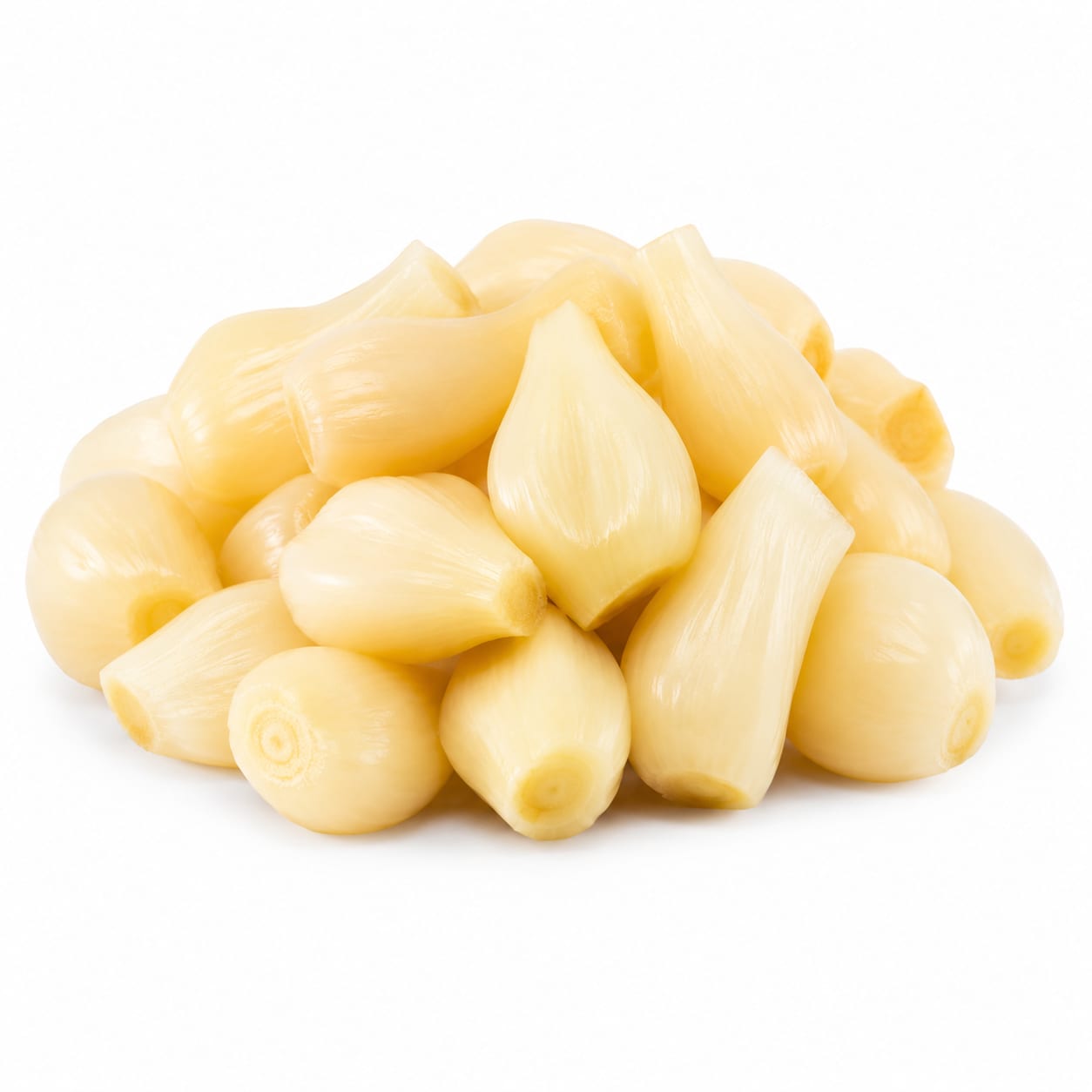
Lily Bulb
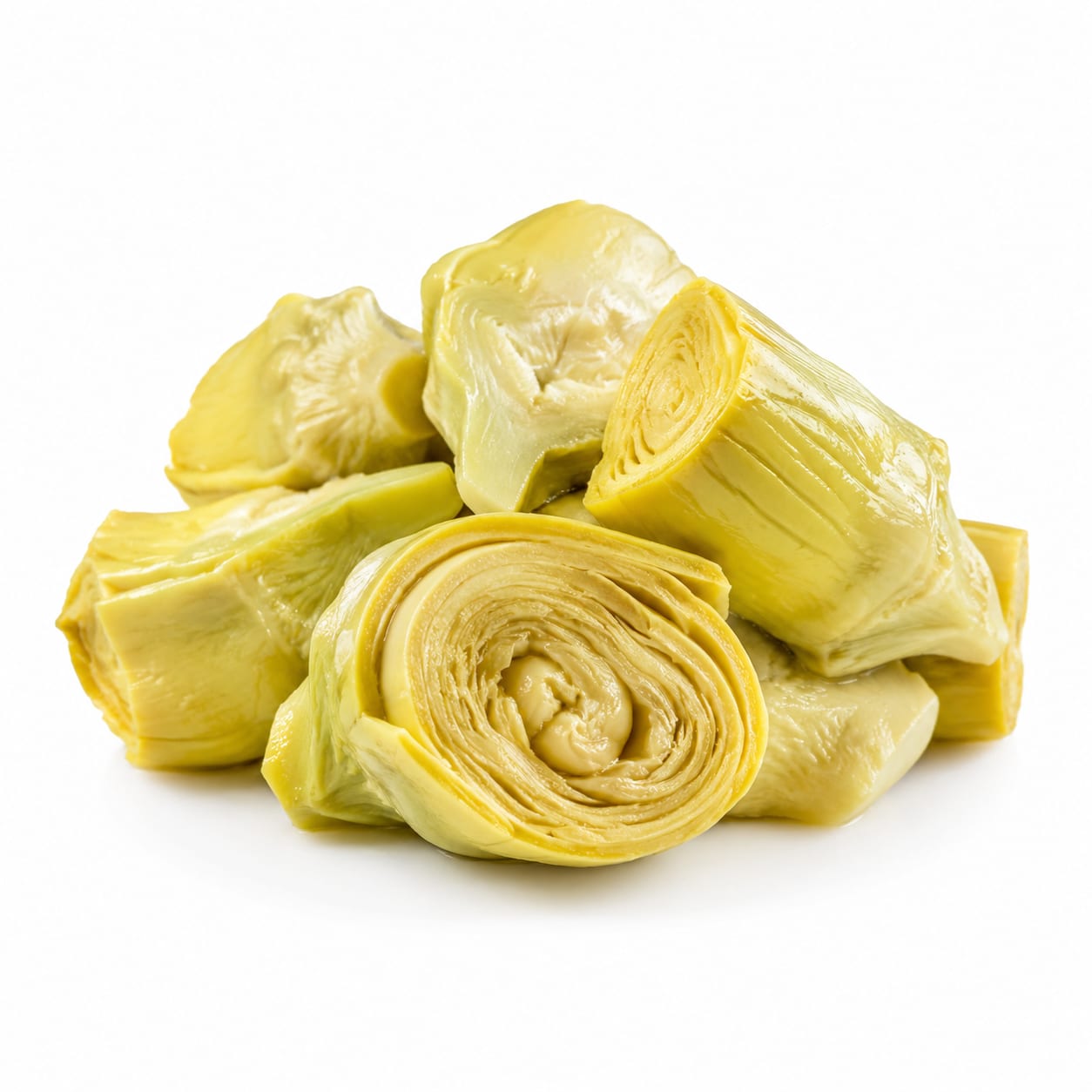
Artichoke
Artichoke wins for gut health and liver support; lily bulb wins for gentle digestion and calming effects. Choose based on what your body needs most.
Artichoke scores higher due to superior fiber density, antioxidant content, and evidence for liver health benefits. Lily bulb remains valuable for its unique calming properties and digestive gentleness, but its nutritional profile is less robust overall.
Artichoke delivers stronger therapeutic fiber and liver benefits but can bloat sensitive stomachs. Lily bulb feels soothing and light but offers less dramatic prebiotic power.
At a glance
Executive summary
Overall
It depends
Healthier
Artichoke
More practical
Artichoke
Daily use
It depends
Key comparison lenses
digestive and gut health support
Both foods are prized for digestive benefits but through different mechanisms — artichoke via prebiotic inulin, lily bulb via soothing starches
traditional medicinal value
Lily bulb has deep roots in Chinese medicine for calming and respiratory support, while artichoke is a Mediterranean remedy for liver and gallbladder health
fiber type and blood sugar impact
Artichoke delivers intense inulin fiber that feeds gut bacteria but can cause bloating; lily bulb offers gentler starch-based fiber that feels easier on the stomach
preparation difficulty and everyday practicality
Both require specific prep — artichoke trimming and steaming, lily bulb soaking and cooking — but neither is grab-and-go
safety and proper handling
Lily bulb must be cooked to neutralize mild toxins; artichoke can trigger allergies or IBS symptoms in sensitive people
Best choice for
Lily Bulb
- People with sensitive digestion who find high-fiber vegetables uncomfortable
- Those seeking calming, sleep-supportive foods from traditional medicine
- Anyone recovering from illness who needs gentle, easy-to-digest nourishment
- People managing anxiety or restlessness through diet
Artichoke
- People focused on gut microbiome health and prebiotic fiber intake
- Those wanting liver support or cholesterol management
- Anyone looking to maximize antioxidant and fiber intake per calorie
- People following Mediterranean diet principles
Least suitable for
Lily Bulb
- People who need high fiber intake for constipation management
- Those unfamiliar with proper preparation who might undercook it
- Anyone seeking a convenient ready-to-eat vegetable
Artichoke
- People with IBS or FODMAP sensitivity who react to inulin
- Those with known artichoke or composite family allergies
- Anyone who finds the preparation process too time-consuming
Deep comparison
Dimension by dimension
Each lens scores both foods and breaks down who each option suits.
- Dimension 1 · Priority 95Artichoke
fiber quality and gut health
Lily Bulb · 55Artichoke · 92Artichoke is one of the richest natural sources of inulin, a powerful prebiotic fiber. Lily bulb provides gentler, less fermentable fiber that soothes rather than actively feeds gut bacteria.
Tradeoff
Artichoke's inulin is more therapeutically potent but causes gas and bloating in sensitive people. Lily bulb's milder fiber is less impactful but much more comfortable to digest.
Why it matters
If you are building a gut-healthy diet, artichoke is the heavy hitter. If high-fiber foods leave you bloated, lily bulb is the safer bet.
Real-world impact
After a week of eating artichoke regularly, most people notice improved bowel regularity but some experience uncomfortable bloating. Lily bulb feels more like a comfort food — gentle and settling.
Lily Bulb
- Sensitive digestion that reacts to fermentable fibers
- Post-illness gut recovery when you need easy digestion
- Evening meals where bloating would disrupt sleep
Better for
- Severe constipation requiring aggressive fiber therapy
- SIBO or bacterial overgrowth where you need targeted prebiotics
Worse for
Artichoke
- Actively building gut microbiome diversity
- Managing constipation through high fiber intake
- Supporting beneficial bacteria like bifidobacteria
Better for
- IBS with inulin intolerance
- FODMAP elimination phase
- Social situations where bloating would be embarrassing
Worse for
- Dimension 2 · Priority 88Artichoke
liver and detoxification support
Lily Bulb · 45Artichoke · 90Artichoke contains cynarin and silymarin-related compounds that stimulate bile production and support liver function. Lily bulb has no meaningful liver-targeted compounds.
Tradeoff
If liver health is a priority, artichoke is clearly superior. Lily bulb offers no comparable benefit in this area.
Why it matters
For people with fatty liver, high cholesterol, or gallbladder concerns, artichoke functions almost like a gentle daily liver tonic.
Real-world impact
Regular artichoke consumption can help lower cholesterol and improve bile flow within weeks. Lily bulb simply does not compete here.
Lily Bulb
- Not applicable — lily bulb does not target liver health meaningfully
Better for
- Any situation where liver support is the primary goal
Worse for
Artichoke
- Fatty liver management
- Cholesterol reduction support
- Post-alcohol or post-medication liver recovery
- Gallbladder health maintenance
Better for
- Gallbladder attacks where bile stimulation could trigger pain
- Bile duct obstruction
Worse for
- Dimension 3 · Priority 82Lily Bulb
calming and nervous system support
Lily Bulb · 85Artichoke · 40Lily bulb has centuries of use in traditional Chinese medicine as a calming, sleep-promoting food. Artichoke has no notable calming properties.
Tradeoff
Lily bulb uniquely serves as a food that actively supports relaxation and sleep. Artichoke is neutral to slightly stimulating due to its bitter compounds.
Why it matters
For people dealing with anxiety, insomnia, or stress, lily bulb offers a gentle food-based approach that feels comforting in the evening.
Real-world impact
A warm lily bulb soup before bed feels soothing and may help with falling asleep. Artichoke at dinner is pleasant but does not offer that calming effect.
Lily Bulb
- Evening meals to support better sleep
- Stress recovery and nervous system calming
- Traditional medicine approaches to anxiety
- Comfort food needs during illness recovery
Better for
- Situations where you want energizing or stimulating food
Worse for
Artichoke
- Not applicable — artichoke does not offer calming benefits
Better for
- Evening meals where you want a calming, sleep-friendly option
Worse for
- Dimension 4 · Priority 78Artichoke
antioxidant density
Lily Bulb · 50Artichoke · 88Artichoke ranks among the top vegetables for total antioxidant capacity, especially polyphenols like cynarin and chlorogenic acid. Lily bulb has modest antioxidant content.
Tradeoff
Artichoke delivers significantly more cell-protective compounds per serving. Lily bulb's benefits come more from its soothing starches than from antioxidant power.
Why it matters
If you are eating for long-term disease prevention and anti-aging, artichoke is the stronger choice by a wide margin.
Real-world impact
Artichoke eaters get a meaningful dose of polyphenols that support cardiovascular and cellular health. Lily bulb contributes antioxidants but far less impressively.
Lily Bulb
- Mild antioxidant support without digestive stimulation
Better for
- High-antioxidant diet goals where you need maximum impact per calorie
Worse for
Artichoke
- Cardiovascular protection through polyphenols
- Anti-aging and cellular defense strategies
- Inflammation reduction through diet
Better for
- Not applicable — artichoke's antioxidant density is a clear strength
Worse for
- Dimension 5 · Priority 80Artichoke
blood sugar stability
Lily Bulb · 58Artichoke · 82Artichoke's high inulin content slows glucose absorption and supports insulin sensitivity. Lily bulb contains more digestible starch that can raise blood sugar modestly.
Tradeoff
Artichoke is better for keeping blood sugar steady. Lily bulb's starch content makes it slightly less favorable, though still reasonable compared to grains or potatoes.
Why it matters
For diabetics or anyone monitoring glucose, artichoke is the safer and more beneficial choice.
Real-world impact
Artichoke with a meal helps blunt blood sugar spikes. Lily bulb acts more like a gentle starch — satisfying but less protective for glucose control.
Lily Bulb
- People who tolerate moderate starch and need calming carbs at night
- Those who find very low-carb vegetables unsatisfying
Better for
- Strict low-carb or keto approaches
- Blood sugar sensitive individuals eating large portions
Worse for
Artichoke
- Diabetes management and glucose control
- Insulin resistance reversal diets
- Steady energy without afternoon crashes
Better for
- Not applicable — artichoke is favorable for blood sugar
Worse for
- Dimension 6 · Priority 65Artichoke
preparation convenience
Lily Bulb · 50Artichoke · 60Both require effort, but artichoke is more widely available and has more familiar preparation methods. Lily bulb often requires specialty shopping and soaking.
Tradeoff
Neither is a convenience food, but artichoke is easier to find and more people know how to cook it. Lily bulb demands more sourcing effort and specific knowledge.
Why it matters
If you cannot easily buy or prepare a food, you will not eat it regularly regardless of its benefits.
Real-world impact
Artichoke appears in most grocery stores and has countless recipes online. Lily bulb often requires an Asian market trip and specific cooking knowledge.
Lily Bulb
- People already familiar with Chinese cooking techniques
- Those with access to Asian grocery stores
Better for
- Rural areas without Asian markets
- Beginners uncomfortable with unfamiliar ingredients
Worse for
Artichoke
- Mainstream grocery shoppers
- People who want abundant recipe resources online
- Those who prefer steaming or roasting as a cooking method
Better for
- People who find trimming and steaming artichoke tedious
- Those who want quick weeknight vegetables
Worse for
Timeline
Health impact over time
Short-term
Hours to days
Lily Bulb
- Feels soothing and settling in the stomach shortly after eating
- Mild calming effect that can help with relaxation in the evening
- Gentle energy from digestible starches without jitters
Artichoke
- Noticeable increase in bowel movement regularity within days
- Possible bloating or gas as gut bacteria ferment the inulin
- Bitter taste stimulates digestion and can reduce post-meal heaviness
Long-term
Months to years
Lily Bulb
- Consistent calming support that may improve sleep quality over time
- Gentle respiratory soothing with regular consumption
- Modest nutritional contribution without dramatic metabolic shifts
Artichoke
- Improved cholesterol levels and liver enzyme markers over months
- Stronger gut microbiome diversity from sustained prebiotic intake
- Better blood sugar regulation with regular consumption
- Potential for significant antioxidant protection against cellular aging
Risk profile
Safety & processing
Both lily bulb and artichoke are whole, minimally processed vegetables typically consumed close to their natural state. Dried lily bulb may contain sulfur dioxide preservatives, so check packaging. Fresh artichoke is about as natural as vegetables get.
Lily Bulb
Undercooked toxicity
mediumRaw or undercooked lily bulb contains colchicine-like alkaloids that can cause nausea, vomiting, and diarrhea. Always cook thoroughly before eating.
Sulfur dioxide in dried products
mediumMany commercially dried lily bulbs are treated with sulfur dioxide as a preservative. People with sulfite sensitivity should seek untreated versions or use fresh lily bulb.
Misidentification with toxic lily species
lowSome ornamental lily species are toxic. Only consume lily bulb from reputable food sources, never foraged unless you are certain of the species.
Artichoke
Allergic reactions
mediumArtichoke allergy exists, especially in people allergic to ragweed, chrysanthemums, or marigolds. Reactions can range from mouth itching to anaphylaxis in rare cases.
Gallbladder attack trigger
mediumArtichoke stimulates bile production, which can trigger painful gallbladder attacks in people with gallstones. Avoid if you have known gallbladder disease.
FODMAP intolerance symptoms
lowInulin in artichoke is a high-FODMAP fiber that causes significant bloating, gas, and discomfort in sensitive individuals, especially with larger portions.
Who wins for whom
Audience fit
Same foods, different winners depending on your goal.
children
Lily BulbLily bulb's mild sweet flavor and soft texture when cooked is more child-friendly. Artichoke's bitter taste and fibrous texture often put kids off.
daily consumption
ArtichokeArtichoke offers broader nutritional benefits for daily use, especially fiber and antioxidants. Lily bulb is better used a few times weekly as a calming evening food.
diabetes
ArtichokeArtichoke's high inulin content slows glucose absorption and supports insulin sensitivity. Lily bulb's starch content is moderate but less protective.
elderly
It dependsLily bulb is easier to digest and calming for sleep issues common in elderly. Artichoke supports liver and cardiovascular health important for aging. Choose based on individual health priorities.
muscle gain
It dependsNeither food is notable for muscle building. Both are low in protein. Choose based on what sits better in your overall meal plan.
weight loss
ArtichokeArtichoke provides more fiber and fewer digestible carbs per calorie, keeping you fuller longer with less caloric impact.
Your move
Decision guide
Choose Lily Bulb
- You struggle with anxiety, restlessness, or poor sleep and want a food-based approach
- High-fiber vegetables cause you bloating or discomfort
- You are recovering from illness and need gentle, easy-to-digest nourishment
- You enjoy Chinese cooking and want to incorporate traditional medicinal foods
- You want a comforting evening food that helps you wind down
Choose Artichoke
- Gut health and microbiome diversity are top priorities for you
- You want liver support, cholesterol management, or better bile flow
- You are building a high-antioxidant, high-fiber diet for long-term health
- You have no issues with FODMAPs and enjoy the taste of artichoke
- You follow a Mediterranean-style eating pattern
Either works if
- You want to add more whole vegetables to your diet and enjoy both flavors
- You are cycling between gut-supportive and calming foods throughout the week
- You eat a diverse diet and want variety in your vegetable rotation
Avoid both if
- You need quick, convenient vegetables for busy weeknights
- You have severe digestive conditions that make any high-fiber or specialty vegetables risky
- You are on a very restricted elimination diet and have not yet reintroduced either food
Final recommendation
Keep both in your rotation. Use artichoke when you want to actively support your gut, liver, and antioxidant intake — especially at lunch or earlier meals. Turn to lily bulb in the evening when you want something calming, gentle, and sleep-friendly. They complement each other beautifully rather than competing.
Practical
Consumer tips
- 1
If buying dried lily bulb, check for sulfur dioxide on the label and soak thoroughly before cooking to reduce preservative residue
- 2
Always cook lily bulb fully — boiling for at least 15-20 minutes ensures safety and brings out its naturally sweet, mild flavor
- 3
Steam artichoke for 25-35 minutes until the outer petals pull away easily for the best texture and nutrient retention
- 4
Start with small portions of artichoke if you are new to high-inulin foods to let your gut bacteria adjust gradually
- 5
Lily bulb pairs beautifully with lotus seed and rock sugar in a traditional Chinese dessert soup that doubles as a sleep aid
- 6
Artichoke hearts can be purchased canned or jarred for convenience, but check for added sodium and preservatives