
Nutrition comparison
Lily Bulb vs Potato: Which Carb Is Better for Blood Sugar, Weight Loss, and Daily Energy?
Compare lily bulb and potato side by side. Discover which is better for diabetes, weight loss, satiety, and everyday eating. Practical tradeoffs explained.
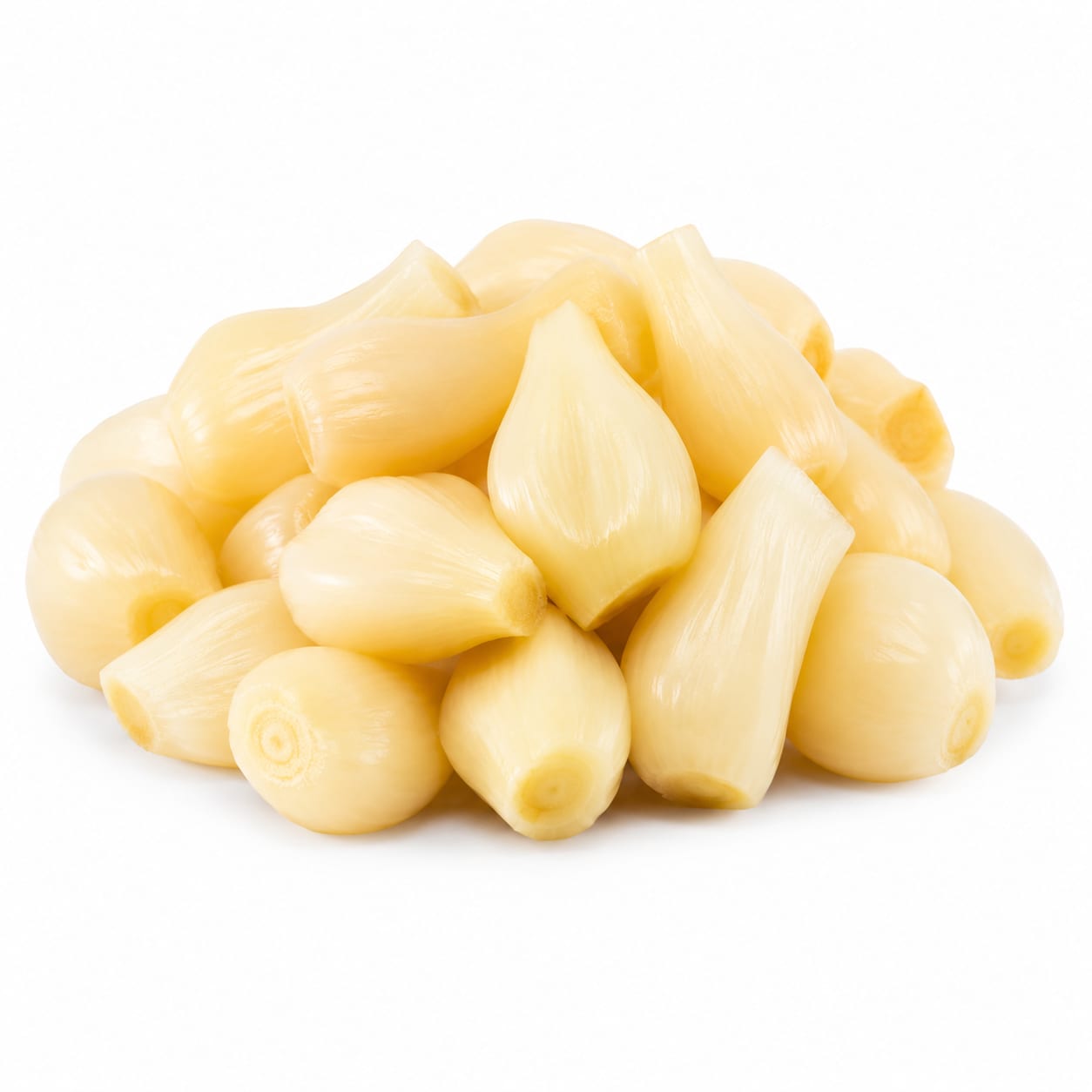
Lily Bulb
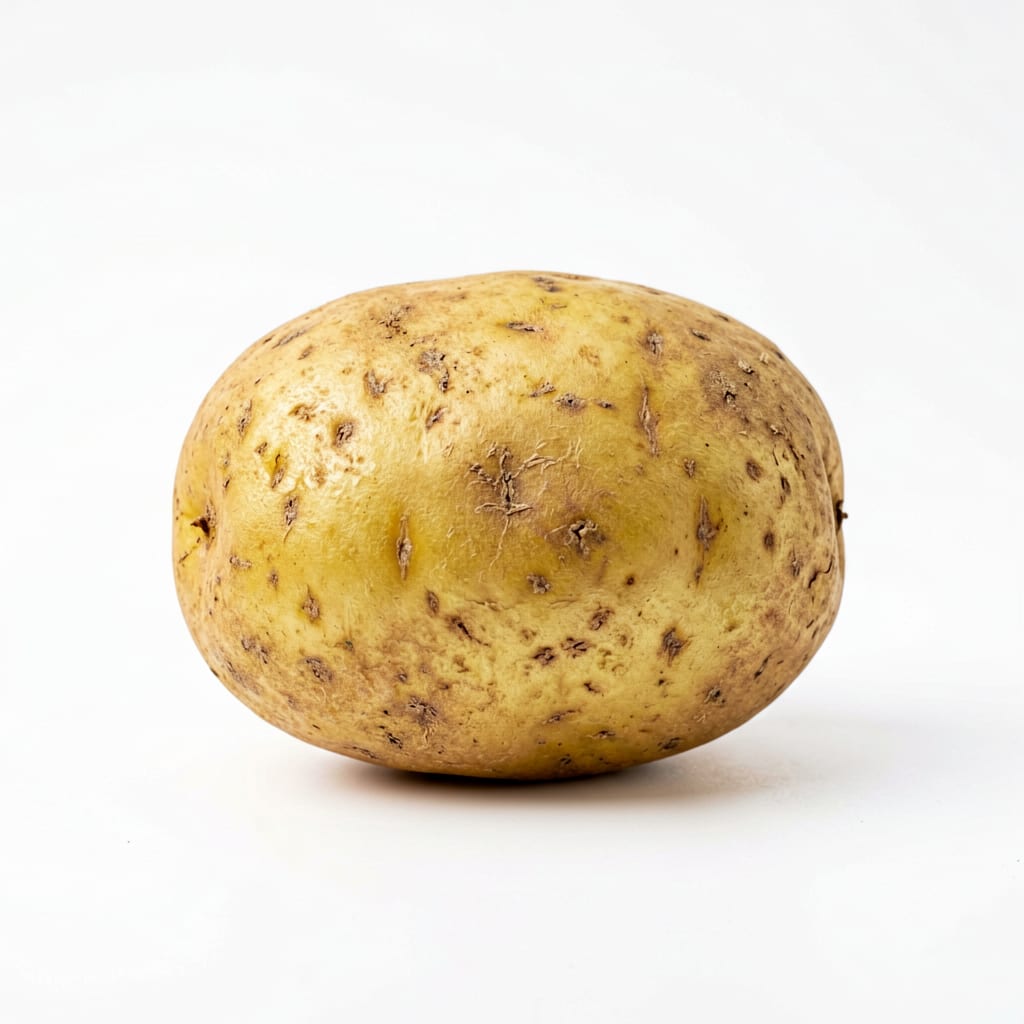
Potato
Potato wins on satiety, affordability, and everyday practicality. Lily bulb wins on blood sugar control, calorie density, and traditional wellness benefits.
Lily bulb edges ahead on health metrics due to lower glycemic impact and medicinal properties, but potato's unmatched practicality, satiety, and affordability keep it competitive for everyday use.
You trade the filling, cheap, familiar comfort of potato for the lighter, lower-glycemic, more niche wellness profile of lily bulb.
At a glance
Executive summary
Overall
It depends
Healthier
Lily Bulb
More practical
Potato
Daily use
Potato
Key comparison lenses
blood sugar management
Potato is a high-glycemic starch staple while lily bulb offers a lower-glycemic alternative with similar comforting qualities
weight management and calorie density
Users comparing these foods are often deciding between a lighter traditional remedy food and a calorie-dense staple carb
traditional medicinal vs everyday staple
Lily bulb carries centuries of traditional medicine reputation while potato is purely a dietary staple with no medicinal framing
digestive comfort and gut health
Lily bulb is traditionally used to soothe the digestive tract while potato can cause bloating in some people
practicality and accessibility
Potato is universally available and cheap while lily bulb requires specialty shopping and more preparation knowledge
Best choice for
Lily Bulb
- People managing diabetes or insulin resistance
- Those seeking low-calorie carb alternatives
- Anyone interested in traditional Chinese wellness foods
- People wanting lighter evening meals that will not spike blood sugar
- Individuals with inflammatory conditions seeking gentler foods
Potato
- Athletes needing affordable calorie-dense fuel
- Families on a budget feeding many people
- Anyone needing maximum satiety from a single food
- People doing physical labor who need sustained energy
- Those who want the most versatile cooking ingredient possible
Least suitable for
Lily Bulb
- People who need high-calorie intake to maintain weight
- Those without access to Asian grocery stores
- Anyone unfamiliar with cooking traditional Chinese ingredients
- Athletes in heavy training needing dense carb loading
Potato
- People with poorly controlled diabetes
- Those on strict low-carb or keto diets
- Individuals with nightshade sensitivities
- People prone to blood sugar crashes after high-glycemic meals
Deep comparison
Dimension by dimension
Each lens scores both foods and breaks down who each option suits.
- Dimension 1 · Priority 92Lily Bulb
Blood Sugar Stability
Lily Bulb · 82Potato · 38Lily bulb has a significantly gentler effect on blood sugar compared to potato, which ranks high on the glycemic index.
Tradeoff
You give up the instant energy hit of potato for steadier, crash-free energy with lily bulb.
Why it matters
Blood sugar spikes from potato can trigger hunger returns within 90 minutes, while lily bulb supports more stable energy for hours.
Real-world impact
After a potato-heavy lunch you may feel sleepy then hungry again by mid-afternoon. Lily bulb meals tend to avoid that crash cycle.
Lily Bulb
- Diabetics managing post-meal glucose
- People prone to afternoon energy crashes
- Those doing intermittent fasting who want gentler insulin responses
Better for
- Situations requiring quick energy replenishment
Worse for
Potato
- Endurance athletes who need rapid glycogen replenishment
- People recovering from hypoglycemia
Better for
- Sedentary office workers trying to avoid blood sugar rollercoasters
- Late-night eating when you want to avoid insulin spikes before bed
Worse for
- Dimension 2 · Priority 88Potato
Satiety and Fullness
Lily Bulb · 48Potato · 88Potato is one of the most filling foods per calorie studied. Lily bulb is satisfying in a lighter way but cannot match potato's sheer filling power.
Tradeoff
Potato keeps you full for hours but at a higher caloric cost. Lily bulb feels lighter and less heavy but you may get hungry sooner.
Why it matters
If you need one food to carry you through a long workday, potato does that job better. Lily bulb works better when you want to feel comfortable without heaviness.
Real-world impact
A baked potato at lunch can suppress hunger until dinner. A lily bulb dish at lunch feels clean and light but you will likely want a snack by 3pm.
Lily Bulb
- People who dislike feeling overly full after meals
- Light dinners before bed
Better for
- People who tend to overeat when meals do not feel substantial enough
Worse for
Potato
- Manual laborers needing lasting fuel
- Anyone trying to reduce overall snacking between meals
- Budget eaters who need one food to provide lasting fullness
Better for
- Those who feel sluggish after heavy meals
- People trying to eat lighter at night
Worse for
- Dimension 3 · Priority 85Lily Bulb
Calorie Density and Weight Management
Lily Bulb · 84Potato · 52Lily bulb is significantly lower in calories per serving than potato, making it easier to fit into calorie-controlled eating.
Tradeoff
You can eat a larger volume of lily bulb for fewer calories, but you may need to add protein or fat to feel satisfied.
Why it matters
For someone eating 1500 calories a day, swapping potato for lily bulb frees up 100-150 calories per meal with minimal sacrifice in mouthfeel.
Real-world impact
A bowl of lily bulb soup feels like a proper meal for under 100 calories. The same volume of potato would be 250+ calories.
Lily Bulb
- Calorie-counting dieters
- People who prefer volume eating
- Those trying to lose weight without feeling deprived of carbs
Better for
- Anyone who needs calorie density to meet daily energy needs
Worse for
Potato
- People trying to gain weight healthily
- Growing teenagers who need calorie density
- Underweight individuals needing easy calories
Better for
- People who find it hard to stop eating calorie-dense foods
Worse for
- Dimension 4 · Priority 72Potato
Nutrient Density
Lily Bulb · 55Potato · 72Potato delivers more potassium, vitamin C, and B6 per serving. Lily bulb has unique polysaccharides and phenolic compounds but lower overall vitamin content.
Tradeoff
Potato gives you more conventional vitamins and minerals. Lily bulb gives you bioactive compounds with emerging research behind them but less raw nutrient firepower.
Why it matters
If you eat limited variety, potato contributes more essential nutrients. If you already eat diverse vegetables, lily bulb adds unique compounds you cannot easily get elsewhere.
Real-world impact
A potato gives you nearly half your daily potassium and vitamin C. Lily bulb gives you smaller amounts of common nutrients but compounds that may support lung and immune health.
Lily Bulb
- People interested in functional foods and traditional medicine
- Those wanting diverse bioactive compounds beyond basic vitamins
Better for
- Situations where you need maximum vitamin and mineral delivery per bite
Worse for
Potato
- People relying on few staple foods for most of their nutrition
- Anyone needing potassium for blood pressure management
- Those who do not eat many fruit sources of vitamin C
Better for
- People already getting plenty of potassium and vitamin C from other sources
Worse for
- Dimension 5 · Priority 75Lily Bulb
Digestive Comfort
Lily Bulb · 80Potato · 58Lily bulb is traditionally used to soothe the throat and digestive tract. Potato can cause bloating in sensitive individuals and is a nightshade.
Tradeoff
Lily bulb feels gentler on the stomach and has a long history of use for digestive soothing. Potato is generally well-tolerated but has more potential triggers.
Why it matters
For people with sensitive digestion, nightshade avoidance, or reflux concerns, lily bulb is the safer bet for comfort.
Real-world impact
After a lily bulb soup, your stomach feels settled and calm. After a heavy potato meal, some people feel bloated or sluggish.
Lily Bulb
- People with IBS or sensitive digestion
- Those avoiding nightshades for inflammation concerns
- Anyone recovering from illness who needs gentle foods
Better for
- People who have never tried it and may have unknown sensitivities
Worse for
Potato
- People with no digestive sensitivities who tolerate potato well
- Those who need resistant starch for gut microbiome feeding
Better for
- Nightshade-sensitive individuals
- People prone to post-meal bloating
Worse for
- Dimension 6 · Priority 70Potato
Practicality and Accessibility
Lily Bulb · 28Potato · 95Potato is one of the most accessible and affordable foods on earth. Lily bulb requires specialty shopping and costs significantly more.
Tradeoff
You pay a premium and hunt harder for lily bulb. Potato is available everywhere for pennies per serving.
Why it matters
The best food for you is the one you can actually obtain and prepare consistently. Potato wins this decisively.
Real-world impact
You can buy potatoes at any grocery store for under a dollar per pound. Lily bulb often requires an Asian market trip and costs 5-10 times more per serving.
Lily Bulb
- People with easy access to Asian grocery stores
- Home cooks who enjoy exploring traditional ingredients
Better for
- People in food deserts or areas without Asian markets
- Those who need to meal prep on a tight budget
Worse for
Potato
- Budget-conscious families
- Rural dwellers with limited grocery access
- Anyone who values convenience and availability above all
Better for
- Situations where you specifically want the medicinal properties of lily bulb
Worse for
- Dimension 7 · Priority 65Potato
Culinary Versatility
Lily Bulb · 40Potato · 90Potato can be baked, fried, mashed, roasted, boiled, and used in dozens of cuisines. Lily bulb is primarily used in soups, stir-fries, and desserts in East Asian cooking.
Tradeoff
Potato fits into virtually any meal format. Lily bulb has a more specific culinary niche that requires some recipe knowledge.
Why it matters
If you want one ingredient that works for breakfast, lunch, and dinner in endless ways, potato is unmatched.
Real-world impact
You can build an entire week of meals around potato without repeating a preparation. Lily bulb shines in a few specific dishes but has a narrower range.
Lily Bulb
- Home cooks specializing in Chinese or Japanese cuisine
- People who enjoy making traditional herbal soups
Better for
- Cooks unfamiliar with Asian preparation methods
- People who want quick simple side dishes without recipe research
Worse for
Potato
- Home cooks who want maximum flexibility
- People who cook multiple cuisines
- Anyone who needs one ingredient to serve many roles
Better for
- Cooks specifically making traditional Chinese wellness dishes
Worse for
Timeline
Health impact over time
Short-term
Hours to days
Lily Bulb
- Provides light, steady energy without blood sugar spikes
- Feels soothing in the throat and stomach
- Unlikely to cause post-meal drowsiness
Potato
- Delivers quick energy that may cause a blood sugar rise and subsequent crash
- Very filling and satisfying immediately after eating
- Can cause bloating or heaviness in sensitive individuals
Long-term
Months to years
Lily Bulb
- May support respiratory and immune health through regular consumption of bioactive polysaccharides
- Lower glycemic load reduces long-term diabetes and metabolic syndrome risk
- Traditional use suggests calming and sleep-supportive properties with regular intake
Potato
- Excellent source of potassium supports long-term blood pressure regulation
- Resistant starch from cooled potatoes may benefit gut microbiome diversity
- Frequent high-glycemic consumption may increase metabolic risk if not paired with protein and fat
Risk profile
Safety & processing
Both foods are whole, minimally processed ingredients when purchased in their raw form. Lily bulb is typically sold dried or fresh with no additives. Potato is naturally whole but watch for pre-packaged potato products with added oils, salts, and preservatives.
Lily Bulb
Misidentification with toxic lily species
mediumSome ornamental lily species are toxic. Only consume lily bulbs specifically grown and sold as food from reputable sources.
Dried product quality and sulfur dioxide treatment
lowSome dried lily bulbs are treated with sulfur dioxide as a preservative. Look for untreated or organically sourced options when possible.
Potato
Solanine toxicity from green or sprouted potatoes
mediumGreen spots and sprouts contain solanine which can cause nausea and neurological symptoms. Always cut away green areas and discard sprouted potatoes.
Acrylamide formation during high-heat cooking
mediumFrying or roasting potato at high temperatures creates acrylamide, a probable carcinogen. Boiling and steaming avoid this risk entirely.
Pesticide residue on conventionally grown potatoes
lowPotatoes frequently appear on pesticide concern lists. Peeling reduces exposure significantly, and organic options are widely available.
Who wins for whom
Audience fit
Same foods, different winners depending on your goal.
children
PotatoPotato is kid-friendly, widely accepted, and provides essential potassium and vitamin C for growing bodies. Lily bulb is less familiar and harder to get children to eat.
daily consumption
PotatoPotato is affordable, available, and provides reliable daily nutrition. Lily bulb is better as a periodic addition rather than a daily staple due to cost and access.
diabetes
Lily BulbLily bulb has a much gentler glycemic impact, making it significantly safer for blood sugar management in diabetic individuals.
elderly
Lily BulbLily bulb is easier to digest, gentler on blood sugar, and has traditional use for respiratory support which becomes more relevant with age.
muscle gain
PotatoPotato provides more calories and carbohydrates per serving, which supports glycogen replenishment and the calorie surplus needed for muscle growth.
weight loss
Lily BulbLily bulb provides a satisfying carb experience at a fraction of the calorie cost, making it easier to maintain a calorie deficit without feeling deprived.
Your move
Decision guide
Choose Lily Bulb
- You are managing diabetes, prediabetes, or insulin resistance
- You want a lighter carb option that will not cause afternoon energy crashes
- You have access to an Asian grocery store and enjoy cooking traditional recipes
- You are calorie counting and want more food volume for fewer calories
- You have digestive sensitivities or are avoiding nightshades
Choose Potato
- You need maximum fullness and satiety on a budget
- You are physically active and need affordable calorie-dense fuel
- You want the most versatile cooking ingredient possible
- You have no blood sugar concerns and tolerate nightshades well
- You are feeding a family and need cost-effective nutrition
Either works if
- You want a comforting carb base for a meal and have no specific health restrictions
- You are rotating carb sources for dietary diversity
- You are making a soup where either ingredient could work as a starchy component
Avoid both if
- You are on a strict ketogenic or very low-carb diet
- You need high-protein foods as your primary calorie source
- You have specific allergies to either food
Final recommendation
Keep potato as your everyday staple for its unmatched practicality and satiety, but add lily bulb as a strategic swap when blood sugar control, digestive comfort, or lighter meals matter most. Think of lily bulb as your wellness upgrade and potato as your reliable workhorse.
Practical
Consumer tips
- 1
When buying lily bulb, choose food-grade sources from reputable Asian grocers and avoid any product not explicitly labeled for consumption
- 2
Soak dried lily bulbs for at least 2 hours before cooking to improve texture and reduce any residual sulfur treatment
- 3
Pair potato with protein and healthy fat to blunt its glycemic impact — a baked potato with Greek yogurt is far steadier than one alone
- 4
Cool cooked potato in the fridge for 24 hours to increase resistant starch content, which feeds beneficial gut bacteria and lowers the glycemic response
- 5
If trying lily bulb for the first time, start with a simple soup recipe alongside ingredients like lotus seed and rock sugar for a traditional and approachable introduction
- 6
Always remove green spots and sprouts from potatoes before cooking to avoid solanine exposure
- 7
For the healthiest potato preparation, boil or steam rather than fry to avoid acrylamide formation