
Nutrition comparison
Lily Bulb vs Taro: Which Starchy Superfood Is Right for You?
Compare Lily Bulb and Taro nutrition, calories, health benefits, and safety. Find out which is better for weight loss, blood sugar, and daily eating.
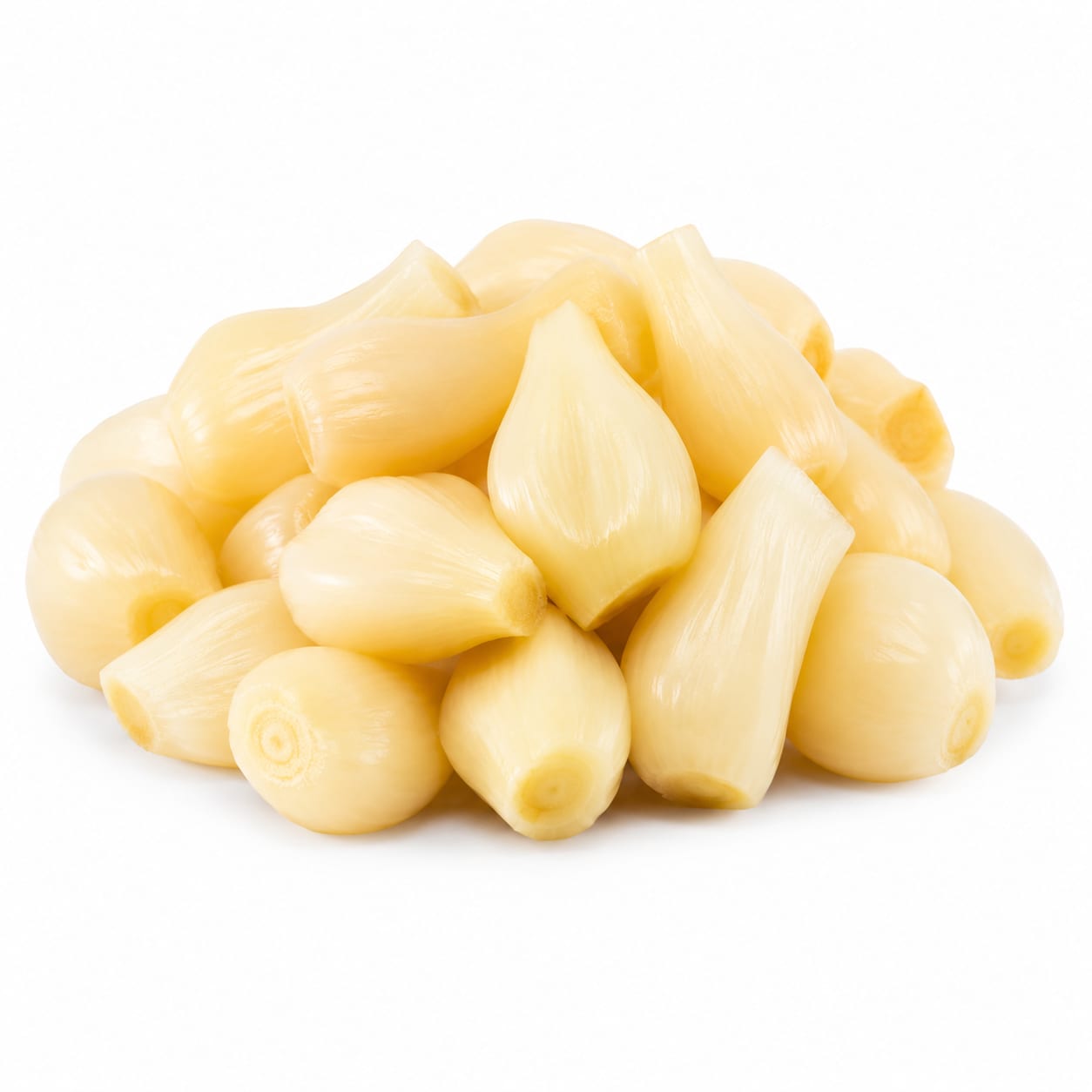
Lily Bulb
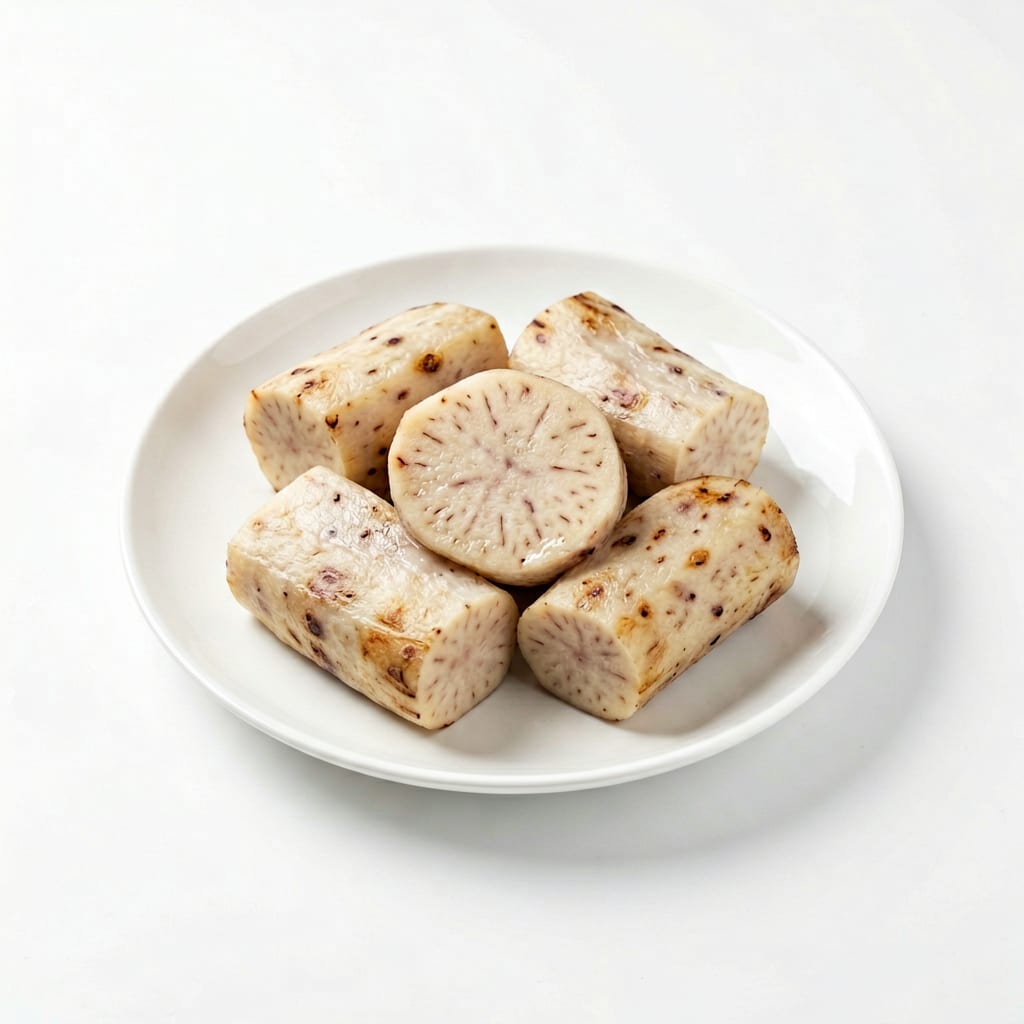
Taro
Taro is the better everyday staple with more filling power and nutrients, while Lily Bulb is the lighter, lower-calorie option with unique soothing properties.
Taro scores higher as a practical, nutrient-rich staple, but Lily Bulb's unique medicinal profile and lower calorie load keep it competitive for specific use cases.
Taro gives you more sustained energy and satiety at the cost of higher calories; Lily Bulb offers gentle, low-calorie nourishment but won't fill you up as much.
At a glance
Executive summary
Overall
It depends
Healthier
It depends
More practical
Taro
Daily use
Taro
Key comparison lenses
staple carb selection
Both are starchy plant foods used as carb sources in Asian cuisine, so users are likely choosing between them as a dietary staple
blood sugar management
Taro is significantly starchier and more calorie-dense, making glycemic impact a key differentiator
digestive comfort
Both foods contain compounds that require proper preparation, and users often compare them for gut-friendliness
weight management
Large calorie difference between the two makes this relevant for anyone watching intake
traditional medicinal benefits
Lily Bulb has strong TCM associations for respiratory and calming benefits that Taro lacks
Best choice for
Lily Bulb
- People managing blood sugar who want a gentle carb
- Those seeking low-calorie starch alternatives
- Anyone wanting TCM-inspired respiratory or calming benefits
- Light eaters who prefer smaller portions
- People recovering from illness who need easy-to-digest food
Taro
- Active people needing sustained energy
- Those looking for a filling, satisfying carb staple
- Anyone wanting more potassium and fiber in their diet
- People doing physical labor or exercise
- Families needing an affordable, versatile staple food
Least suitable for
Lily Bulb
- Athletes or very active people needing substantial carbs
- Anyone looking for a filling main carb source
- People unfamiliar with proper preparation who might skip cooking steps
Taro
- People strictly limiting calories or carbs
- Those with oxalate sensitivity or kidney stone history
- Anyone with sensitive digestion who struggles with starchy foods
Deep comparison
Dimension by dimension
Each lens scores both foods and breaks down who each option suits.
- Dimension 1 · Priority 90Lily Bulb
blood sugar stability
Lily Bulb · 76Taro · 58Lily Bulb is gentler on blood sugar due to its lower starch content and smaller portion sizes.
Tradeoff
You get steadier glucose with Lily Bulb, but far less energy to fuel your day.
Why it matters
For anyone watching blood sugar, the difference between a light starchy bulb and a dense starchy root is significant.
Real-world impact
After a Lily Bulb soup, you feel lightly nourished without a sugar crash. After a Taro meal, you feel full but may experience a bigger energy dip if you're sensitive to starches.
Lily Bulb
- People with prediabetes or insulin resistance
- Those who get sleepy after starchy meals
- Light lunch eaters who want to stay alert
Better for
- Anyone who needs sustained energy for hours
Worse for
Taro
- Athletes who need post-workout carb replenishment
- People doing manual labor who burn through carbs fast
Better for
- Sedentary people eating large portions
- Those prone to afternoon energy crashes
Worse for
- Dimension 2 · Priority 88Taro
satiety and fullness
Lily Bulb · 48Taro · 82Taro is far more filling thanks to its dense starch content and substantial fiber.
Tradeoff
Taro keeps you full for hours but comes with a much higher calorie commitment.
Why it matters
If you're choosing one carb source for a meal, how long it holds you matters enormously for snacking behavior.
Real-world impact
A Taro-based meal can keep you satisfied for 4-5 hours. Lily Bulb might leave you reaching for a snack within 2 hours.
Lily Bulb
- People who prefer grazing throughout the day
- Those who find heavy meals uncomfortable
Better for
- People prone to overeating later after unsatisfying meals
Worse for
Taro
- Anyone trying to reduce between-meal snacking
- People who skip meals and need one to last
- Those doing intermittent fasting who want a filling break-fast food
Better for
- Those who feel sluggish after heavy meals
Worse for
- Dimension 3 · Priority 85Taro
nutrient density
Lily Bulb · 55Taro · 78Taro delivers more minerals and fiber per serving, especially potassium and vitamin E.
Tradeoff
Taro's higher nutrient content comes packaged with more calories, so it's not a free lunch.
Why it matters
If you're eating one of these regularly, the mineral contribution adds up over time.
Real-world impact
Regular Taro consumption can meaningfully boost potassium intake, which helps with blood pressure and muscle function. Lily Bulb contributes less on the mineral front.
Lily Bulb
- Those already getting plenty of minerals from other foods
Better for
- People relying on a single staple for mineral intake
Worse for
Taro
- People who don't eat many mineral-rich foods
- Anyone needing more potassium for blood pressure support
- Those wanting to increase fiber intake gradually
Better for
- Those already meeting mineral needs who don't want extra calories
Worse for
- Dimension 4 · Priority 82It depends
digestive tolerance
Lily Bulb · 70Taro · 65Both require proper cooking, but Lily Bulb is slightly gentler when prepared correctly. Taro's oxalates can irritate sensitive stomachs.
Tradeoff
Lily Bulb is easier on the gut but offers less fiber for gut health. Taro feeds your microbiome better but can irritate if undercooked.
Why it matters
Both foods can cause real problems if undercooked, so preparation is non-negotiable for either.
Real-world impact
Undercooked Taro causes mouth and throat irritation from oxalate crystals. Undercooked Lily Bulb can cause nausea from alkaloids. Both are perfectly safe when thoroughly cooked.
Lily Bulb
- People with sensitive stomachs or IBS
- Those recovering from gastrointestinal illness
- Anyone who finds high-fiber foods uncomfortable
Better for
- People who need more fiber for regularity
Worse for
Taro
- People wanting to feed beneficial gut bacteria
- Those who tolerate fiber well and want more of it
Better for
- Anyone with oxalate sensitivity
- People prone to kidney stones
Worse for
- Dimension 5 · Priority 80Lily Bulb
caloric efficiency
Lily Bulb · 85Taro · 52Lily Bulb delivers a starchy eating experience at roughly half the calorie density of Taro.
Tradeoff
You save calories with Lily Bulb but sacrifice the staying power that makes Taro satisfying.
Why it matters
For calorie-conscious eaters, this is the most important difference between the two.
Real-world impact
A comforting bowl of Lily Bulb soup might run 80-100 calories. An equivalent Taro dish could easily hit 200-300 calories.
Lily Bulb
- Anyone tracking calories for weight loss
- People who want a starchy side without the calorie hit
- Those eating multiple small meals per day
Better for
- Active people who need calorie-dense fuel
Worse for
Taro
- People who struggle to eat enough calories
- Anyone needing affordable calorie-dense food
Better for
- Anyone cutting calories who finds Taro too energy-dense
Worse for
- Dimension 6 · Priority 72Lily Bulb
traditional and medicinal value
Lily Bulb · 88Taro · 50Lily Bulb has a rich tradition in Chinese medicine for calming the mind and soothing the lungs. Taro is valued as nourishment but has less medicinal identity.
Tradeoff
Lily Bulb's medicinal reputation is hard to verify scientifically, but its calming associations are real in cultural practice.
Why it matters
For many Asian households, the choice isn't just nutritional—it's also about what the food is believed to do for you.
Real-world impact
Lily Bulb is commonly given during coughs, dry throats, or restless nights. Taro is simply eaten as everyday sustenance.
Lily Bulb
- People who value food-as-medicine traditions
- Anyone dealing with dry cough or throat irritation
- Those seeking calming, comfort-food qualities
Better for
- Anyone expecting strong clinical evidence for medicinal claims
Worse for
Taro
- People who prioritize straightforward nutrition over traditional medicine
Better for
- Those looking for specific therapeutic food properties
Worse for
Timeline
Health impact over time
Short-term
Hours to days
Lily Bulb
- Light, comfortable fullness without heaviness
- Unlikely to cause blood sugar spikes or energy crashes
- May soothe throat irritation when consumed as soup
- Risk of nausea if undercooked due to alkaloid content
Taro
- Strong satiety that can last several hours
- Possible mouth or throat irritation if undercooked
- More noticeable energy boost from dense starch content
- Can feel heavy or bloating in large portions for sensitive eaters
Long-term
Months to years
Lily Bulb
- Lower calorie intake if used as a regular Taro substitute
- Possible benefit for respiratory comfort based on traditional use
- Less fiber contribution to long-term gut health
- Minimal risk when properly cooked as part of a varied diet
Taro
- Better long-term fiber intake supporting gut health and regularity
- Meaningful potassium contribution for cardiovascular health
- Higher calorie load could contribute to weight gain if portions aren't managed
- Oxalate exposure may be a concern for those prone to kidney stones
Risk profile
Safety & processing
Both Lily Bulb and Taro are whole, minimally processed plant foods typically sold fresh or dried without additives. Neither raises ultra-processing concerns.
Lily Bulb
Alkaloid toxicity from undercooking
mediumRaw or undercooked Lily Bulb contains alkaloids that can cause nausea, vomiting, or dizziness. Thorough cooking eliminates this risk.
Sulfur dioxide residue in dried versions
lowCommercially dried Lily Bulb is sometimes treated with sulfur dioxide as a preservative. Rinsing and cooking reduces exposure significantly.
Taro
Oxalate crystal irritation
highRaw Taro contains calcium oxalate crystals that cause immediate burning, itching, and swelling of lips, mouth, and throat. Proper cooking is essential and non-negotiable.
Kidney stone aggravation from oxalates
mediumEven cooked Taro retains some oxalates. People with a history of calcium oxalate kidney stones should moderate intake.
Who wins for whom
Audience fit
Same foods, different winners depending on your goal.
children
TaroTaro's higher calorie and nutrient density supports growing bodies, and its mild sweet flavor appeals to kids. Just ensure it's thoroughly cooked.
daily consumption
TaroTaro is more versatile, more filling, and provides better nutritional coverage as an everyday staple food.
diabetes
Lily BulbLily Bulb's lower starch content and smaller typical portion size result in less glycemic impact, making it the safer choice for blood sugar management.
elderly
Lily BulbLily Bulb is gentler on digestion, lower in calories suited to lower activity levels, and has traditional associations with respiratory comfort that older adults often appreciate.
muscle gain
TaroTaro provides more carbohydrates and calories to fuel training and recovery, along with potassium that supports muscle function.
weight loss
Lily BulbLily Bulb's lower calorie density makes it easier to fit into a calorie deficit while still providing a starchy, satisfying eating experience.
Your move
Decision guide
Choose Lily Bulb
- You're watching your calorie intake or trying to lose weight
- You want a gentle carb that won't spike your blood sugar
- You value traditional food-as-medicine approaches
- You're dealing with a dry cough or sore throat and want a soothing food
- You prefer lighter meals that don't leave you feeling stuffed
Choose Taro
- You need a filling, energy-dense staple for active days
- You want more fiber and potassium in your diet
- You're cooking for a family and need affordable, satisfying food
- You do physical work or exercise and need sustained fuel
- You want a versatile carb that works in savory and sweet dishes
Either works if
- You're building a varied Asian-inspired meal and want different carb sources on different days
- You have no specific health concerns and enjoy both flavors
- You're exploring traditional Chinese ingredients and want to experience both
Avoid both if
- You have a known allergy or sensitivity to either plant family
- You're unwilling to ensure thorough cooking every time
- You're on a very low-carb or ketogenic diet
Final recommendation
Keep both in your rotation. Use Taro as your everyday energy staple when you need filling, satisfying meals. Turn to Lily Bulb when you want something lighter, when you're feeling under the weather, or when you're managing calories more carefully. The best choice depends on what your body needs that day.
Practical
Consumer tips
- 1
Always cook Taro thoroughly until completely soft—no crunchiness. The oxalate crystals are not destroyed by brief heating.
- 2
Rinse dried Lily Bulb well before cooking to remove any sulfur dioxide residue from processing.
- 3
Wear gloves when peeling raw Taro to avoid skin irritation from oxalate crystals.
- 4
Lily Bulb pairs beautifully with lotus seed and rock sugar for a traditional soothing dessert soup.
- 5
Taro can be mashed, steamed, fried, or added to soups—its versatility is a major practical advantage.
- 6
If you're new to either food, start with small portions to test your digestive tolerance.
- 7
Choose firm, unblemished Taro roots and avoid any with soft spots or mold.
- 8
Fresh Lily Bulb should have plump, intact scales without discoloration or sliminess.