
Nutrition comparison
Lily Bulb vs Chestnut: Nutrition, Satiety, and Health Comparison
Compare Lily Bulb and Chestnut to see which is better for weight loss, energy, and digestion. Discover the nutritional tradeoffs between these two starchy whole foods.
Overall winner · Chestnut
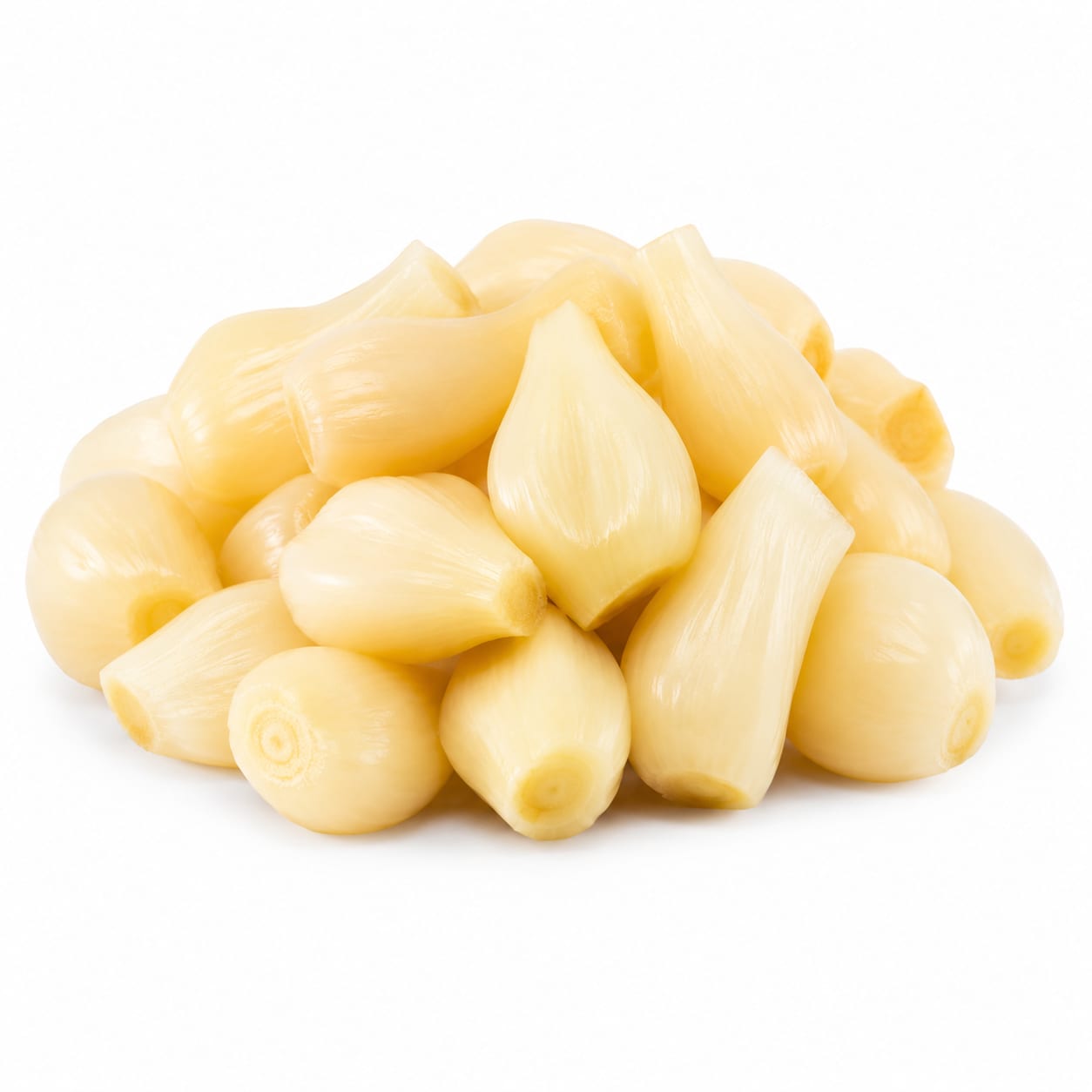
Lily Bulb
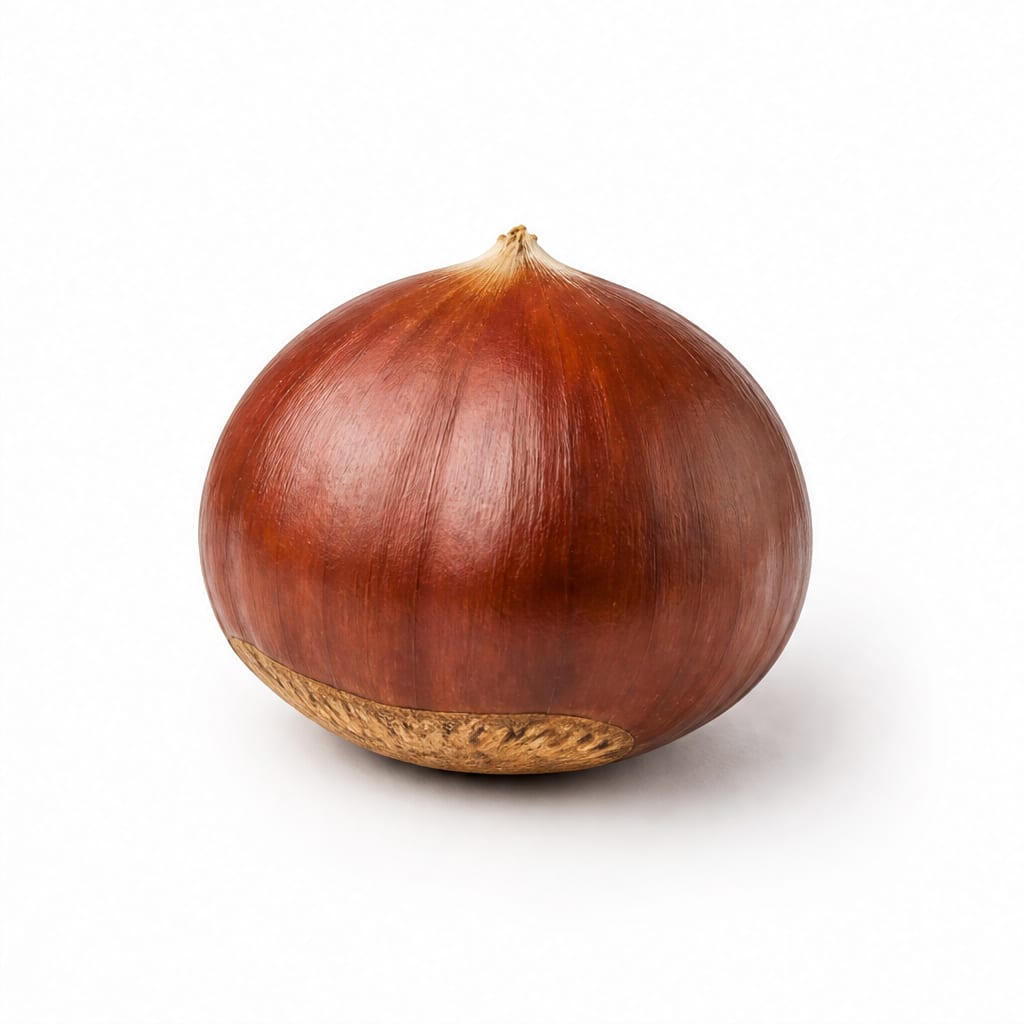
Chestnut
Chestnut offers more sustained energy and robust nutrition, while Lily Bulb provides a lighter, soothing alternative with far fewer calories.
Chestnut scores higher due to superior satiety, vitamin content, and standalone snack practicality, though Lily Bulb remains an excellent low-calorie comfort food.
Dense, filling energy and vitamins in Chestnut versus low-calorie, cooling comfort in Lily Bulb.
At a glance
Executive summary
Overall
Chestnut
Healthier
Chestnut
More practical
Chestnut
Daily use
Chestnut
Key comparison lenses
Starchy snack vs light vegetable side
Chestnut is a dense, energy-providing snack, while Lily Bulb is a light, water-rich ingredient typically used in soups.
Energy density and satiety tradeoffs
Users are likely deciding between a filling, high-calorie option and a low-calorie, comforting alternative.
Traditional wellness vs nutritional robustness
Lily Bulb is prized in traditional medicine for soothing properties, whereas Chestnut delivers measurable macronutrients and vitamins.
Best choice for
Lily Bulb
- Light cooling meals
- Soothing soups
- Low-calorie diets
Chestnut
- Hiking fuel
- Winter warming snacks
- Nutrient-dense side dishes
Least suitable for
Lily Bulb
- High-energy needs
- Post-workout recovery
Chestnut
- Very low-carb diets
- Light summer salads
Deep comparison
Dimension by dimension
Each lens scores both foods and breaks down who each option suits.
- Dimension 1 · Priority 90Chestnut
Energy Density & Satiety
Lily Bulb · 40Chestnut · 88Chestnut is significantly more filling and provides lasting energy, whereas Lily Bulb is light and easily digested.
Tradeoff
You trade the light, low-calorie feel of Lily Bulb for the dense, satisfying fuel of Chestnut.
Why it matters
Choosing Chestnut keeps you full longer between meals, while Lily Bulb is better when you want a comforting bite without the heaviness.
Real-world impact
A handful of roasted Chestnuts easily bridges the gap between lunch and dinner, while Lily Bulb soup feels like a gentle palate cleanser.
Lily Bulb
- Light eaters
- Hot summer days
Better for
- Those needing sustained energy
- Heavy labor workers
Worse for
Chestnut
- Hikers
- Active teens
- Busy professionals skipping meals
Better for
- People wanting a light stomach before bed
- Strict calorie restrictors
Worse for
- Dimension 2 · Priority 80Chestnut
Micronutrient Profile
Lily Bulb · 45Chestnut · 85Chestnut delivers substantial vitamin C, folate, and manganese, while Lily Bulb offers modest trace minerals.
Tradeoff
Chestnut acts almost like a multivitamin in a shell, while Lily Bulb's strengths lie more in traditional wellness than raw nutrient density.
Why it matters
If you need immune support or energy metabolism help, Chestnut is the clear winner.
Real-world impact
Eating Chestnuts in winter gives you a vitamin C boost similar to citrus, whereas Lily Bulb is chosen more for its soothing properties.
Lily Bulb
- Those seeking gentle, hydrating foods
Better for
- Those relying on snacks for micronutrients
Worse for
Chestnut
- Pregnant women needing folate
- Anyone boosting vitamin C intake
Better for
- People looking for ultra-low-calorie volume foods
Worse for
- Dimension 3 · Priority 75Lily Bulb
Digestive Comfort & Lightness
Lily Bulb · 90Chestnut · 60Lily Bulb is famously gentle on the stomach and traditionally used to soothe digestion, while Chestnut can be heavy and gas-producing if overeaten.
Tradeoff
You give up the dense nutrition of Chestnut for the comforting, easy-to-digest nature of Lily Bulb.
Why it matters
When your stomach is upset or you need a calming evening meal, Lily Bulb is much safer and more soothing.
Real-world impact
After a heavy day of eating, a bowl of Lily Bulb soup feels restorative, while too many Chestnuts can leave you feeling bloated.
Lily Bulb
- People with sensitive stomachs
- Evening comfort eating
Better for
- Those needing caloric bulk to feel satisfied
Worse for
Chestnut
- Those with robust digestion needing fuel
Better for
- People prone to bloating
- Those with weak digestion
Worse for
- Dimension 4 · Priority 70It depends
Blood Sugar Stability
Lily Bulb · 75Chestnut · 72Lily Bulb has a lower glycemic load per serving due to its water content, but Chestnut's fiber slows down its starch absorption.
Tradeoff
Lily Bulb is safer for small, frequent low-carb snacking, while Chestnut provides steadier energy over a longer period if portioned correctly.
Why it matters
Both can fit into a blood-sugar-friendly diet, but portion control is more critical with Chestnut due to its carbohydrate density.
Real-world impact
A small serving of Lily Bulb won't spike your blood sugar at all, whereas a large bag of roasted Chestnuts might cause a carb crash if you aren't active.
Lily Bulb
- Sedentary snackers
- Small frequent eaters
Better for
- Those needing substantial carbs to refuel
Worse for
Chestnut
- Active individuals needing slow-release carbs
Better for
- Sedentary diabetics struggling with portion control
Worse for
Timeline
Health impact over time
Short-term
Hours to days
Lily Bulb
- Soothing throat and dry cough
- Gentle hydration
- Light stomach feel
Chestnut
- Quick energy replenishment
- Satiety and fullness
- Warming body effect
Long-term
Months to years
Lily Bulb
- Supports respiratory comfort
- Maintains low-calorie dietary balance
Chestnut
- Improved folate status
- Better immune support from vitamin C
- Sustained mineral intake for bone health
Risk profile
Safety & processing
Both Lily Bulb and Chestnut are typically consumed in their natural state, whether fresh, dried, or roasted, making them exceptionally clean whole foods.
Lily Bulb
Oxalate content
lowLily Bulb contains moderate oxalates, which might concern those prone to kidney stones if eaten in massive quantities.
Bitter varieties
mediumSome wild or improperly prepared Lily Bulb varieties can be bitter or mildly toxic; always ensure they are culinary grade and properly cooked.
Chestnut
Mold and spoilage
mediumChestnuts are prone to mold if stored improperly, which can produce harmful mycotoxins. Always check for freshness.
Choking hazard
lowThe hard shell and potential inner skin can be a choking risk for young children if not prepared properly.
Who wins for whom
Audience fit
Same foods, different winners depending on your goal.
children
ChestnutChestnuts offer vital growth nutrients like folate and vitamin C, though they must be prepared safely to avoid choking.
daily consumption
ChestnutChestnut provides broader daily nutritional support and works well as an everyday energy snack.
diabetes
Lily BulbLily Bulb has a much lower carbohydrate density, making blood sugar management easier than with the starch-heavy Chestnut.
elderly
Lily BulbLily Bulb is softer, easier to digest, and traditionally used to soothe older, more sensitive digestive systems.
muscle gain
ChestnutChestnut provides the carbohydrate fuel and caloric surplus needed to support intense training and muscle recovery.
weight loss
Lily BulbLily Bulb is vastly lower in calories and provides bulk through water, making it easier to stay in a deficit.
Your move
Decision guide
Choose Lily Bulb
- You want a low-calorie, soothing addition to soups or stir-fries.
- You have a sensitive stomach or are recovering from illness.
- You are trying to lose weight and need volume without calories.
Choose Chestnut
- You need a filling, energy-dense snack for outdoor activities.
- You want a natural source of vitamin C and folate in the colder months.
- You are looking for a satisfying roasted snack that warms you up.
Either works if
- You want a whole-food, starchy side dish instead of refined grains.
- You are looking for natural, unprocessed comfort foods.
Avoid both if
- You are on a strict ketogenic or very low-carb diet, as both are starch-heavy.
Final recommendation
Choose Chestnut for a nutrient-dense, filling snack that fuels your day, but turn to Lily Bulb when you need something light, comforting, and easy on the stomach.
Practical
Consumer tips
- 1
When buying fresh Chestnuts, choose ones that feel heavy for their size and have shiny, uncracked shells to avoid mold.
- 2
Soak dried Lily Bulbs before cooking to rehydrate them and remove any lingering bitterness.
- 3
Score Chestnut shells before roasting to prevent them from exploding in the oven.
- 4
Store fresh Chestnuts in the fridge to extend their shelf life and prevent them from drying out or molding.