
Nutrition comparison
Lily Bulb vs Lotus Root: Nutrition, Health Benefits, and Which to Choose
Compare Lily Bulb and Lotus Root side by side. Discover which root vegetable offers more fiber, better blood sugar control, and unique health benefits for your diet.
Overall winner · Lotus Root
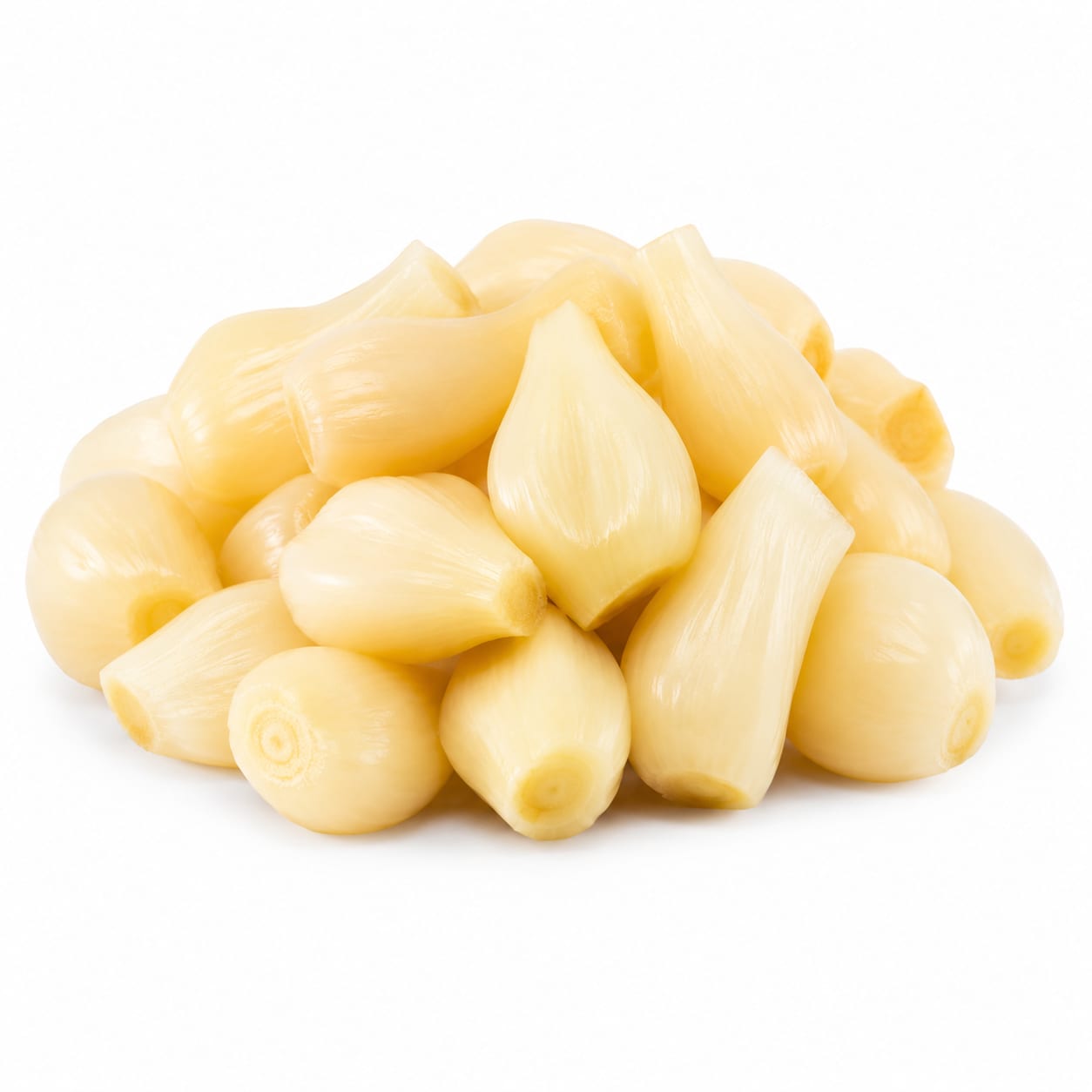
Lily Bulb
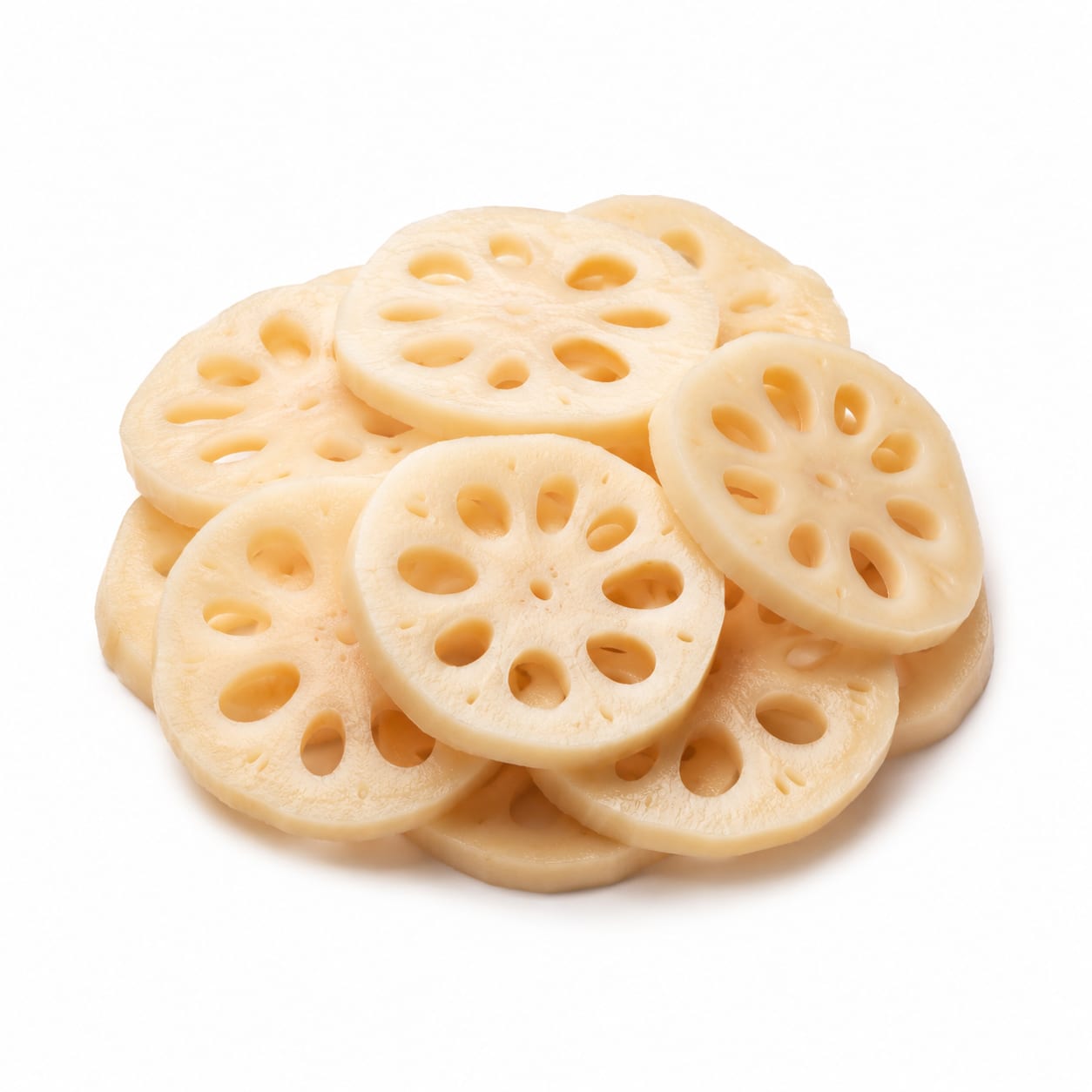
Lotus Root
Lotus Root wins on nutritional density, fiber, and everyday versatility, while Lily Bulb offers unique calming and respiratory benefits that Lotus Root cannot match.
Lotus Root scores higher due to superior fiber, vitamin C, potassium, and culinary versatility. Lily Bulb remains valuable for its niche respiratory and calming benefits, but offers less broad nutritional coverage.
Lotus Root gives you more fiber, vitamin C, and minerals per serving, but Lily Bulb delivers specialized respiratory and sleep-supporting properties that make it irreplaceable in certain wellness contexts.
At a glance
Executive summary
Overall
Lotus Root
Healthier
Lotus Root
More practical
Lotus Root
Daily use
Lotus Root
Key comparison lenses
Traditional Asian root vegetable comparison for health-conscious cooking
Both are staple ingredients in Chinese and East Asian cuisine often used in soups and stir-fries, so users likely want to know which offers more nutritional value per bite
Digestive and gut health benefits
Both are known for digestive soothing properties in traditional medicine, making gut health a key decision factor
Blood sugar and diabetes-friendly eating
Both are starchy vegetables, so understanding their glycemic impact matters for metabolic health decisions
Respiratory and immune support
Lily Bulb is renowned in traditional medicine for lung and respiratory benefits, a unique differentiator worth exploring
Practical cooking versatility and availability
Lotus Root is more widely available and versatile in preparation methods, affecting real-world usability
Best choice for
Lily Bulb
- People seeking respiratory and lung support
- Those dealing with insomnia or restlessness
- Anyone wanting a gentle, calming evening soup ingredient
- Traditional Chinese medicine followers targeting yin deficiency
Lotus Root
- People prioritizing digestive regularity and gut health
- Anyone needing more vitamin C and potassium daily
- Those managing blood sugar who want a filling starchy vegetable
- Home cooks wanting a versatile ingredient for multiple dishes
Least suitable for
Lily Bulb
- People needing high fiber intake from vegetables
- Those on tight grocery budgets where specialty items are impractical
- Anyone unfamiliar with preparation who might waste it
Lotus Root
- People with severe digestive sensitivity who find roughage irritating
- Those specifically seeking calming or sedative food properties
- Anyone allergic to lotus family plants
Deep comparison
Dimension by dimension
Each lens scores both foods and breaks down who each option suits.
- Dimension 1 · Priority 92Lotus Root
Fiber and Digestive Health
Lily Bulb · 45Lotus Root · 82Lotus Root delivers roughly 3-4 times more fiber than Lily Bulb, making it significantly better for digestion and regularity.
Tradeoff
Lily Bulb is gentler on sensitive stomachs but provides minimal fiber support for gut health goals.
Why it matters
Fiber keeps you regular, feeds beneficial gut bacteria, and helps stabilize blood sugar after meals.
Real-world impact
A serving of Lotus Root in soup helps you feel full longer and supports smoother digestion throughout the day.
Lily Bulb
- Post-illness recovery when digestion is fragile
- Gentle evening meals before sleep
Better for
- Meeting daily fiber targets efficiently
- Preventing constipation during low-fiber diets
Worse for
Lotus Root
- Daily digestive regularity
- Feeling satisfied after meals without overeating
- Supporting healthy gut bacteria
Better for
- Very sensitive digestive systems recovering from illness
Worse for
- Dimension 2 · Priority 88Lotus Root
Vitamin and Mineral Density
Lily Bulb · 55Lotus Root · 80Lotus Root is notably richer in vitamin C, potassium, and iron, while Lily Bulb offers modest amounts of B vitamins and phosphorus.
Tradeoff
Lily Bulb contains slightly more protein per serving, but the mineral and vitamin gap favors Lotus Root substantially.
Why it matters
Vitamin C supports immunity and iron absorption, while potassium helps regulate blood pressure and fluid balance.
Real-world impact
Regular Lotus Root consumption contributes meaningfully to daily vitamin C needs, whereas Lily Bulb provides a smaller nutritional contribution.
Lily Bulb
- Adding mild protein to a light vegetable dish
Better for
- Meeting daily micronutrient targets efficiently
Worse for
Lotus Root
- Boosting daily vitamin C intake from food sources
- Supporting blood pressure through natural potassium
- Improving iron intake naturally
Better for
- Situations where lower mineral intake is medically advised
Worse for
- Dimension 3 · Priority 82Lotus Root
Blood Sugar Stability
Lily Bulb · 60Lotus Root · 72Lotus Root contains resistant starch and more fiber, resulting in a slower glucose release compared to Lily Bulb's more digestible starch profile.
Tradeoff
Both are moderate-glycemic starchy vegetables, but Lotus Root's fiber content gives it an edge for steadier blood sugar response.
Why it matters
Steadier blood sugar means fewer energy crashes and better hunger control between meals.
Real-world impact
Lotus Root in a meal helps prevent the afternoon energy dip, while Lily Bulb may cause a slightly quicker rise and fall.
Lily Bulb
- Quick energy recovery after light activity
Better for
- Those needing tight glycemic control
Worse for
Lotus Root
- Sustained energy through long afternoons
- Blood sugar management in prediabetes
- Reducing cravings between meals
Better for
- Immediate post-workout carb replenishment
Worse for
- Dimension 4 · Priority 78Lily Bulb
Traditional Wellness and Calming Properties
Lily Bulb · 90Lotus Root · 50Lily Bulb is prized in traditional Chinese medicine for calming the mind, soothing the lungs, and supporting restful sleep — properties Lotus Root does not share.
Tradeoff
These benefits are largely traditional and not yet well-validated by modern clinical trials, but centuries of use suggest meaningful effects for many people.
Why it matters
Food-based calming support can complement other sleep hygiene practices without relying on supplements or medications.
Real-world impact
A warm Lily Bulb soup in the evening may help quiet a racing mind and ease into sleep more naturally.
Lily Bulb
- Evening meals to wind down
- Seasonal respiratory discomfort
- Stress-related sleep difficulty
Better for
- Situations where alertness is needed
Worse for
Lotus Root
- Daytime energy and nourishment
- Post-exercise recovery meals
Better for
- Anyone specifically seeking calming food properties
Worse for
- Dimension 5 · Priority 75Lotus Root
Culinary Versatility and Practicality
Lily Bulb · 55Lotus Root · 85Lotus Root works in stir-fries, soups, tempura, salads, and braised dishes with distinct textures, while Lily Bulb is mostly limited to soups and gentle stir-fries.
Tradeoff
Lily Bulb cooks faster and requires less preparation, but Lotus Root's crunch and visual appeal open far more cooking possibilities.
Why it matters
Ingredients you can use multiple ways get eaten more often and reduce food waste.
Real-world impact
Lotus Root can be meal-prepped for the week in different dishes, while Lily Bulb is typically a single-use purchase for specific recipes.
Lily Bulb
- Quick-cooking weeknight soups
- Minimal prep time dishes
Better for
- Cooks who want one ingredient for multiple meals
- Raw or crunchy texture preferences
Worse for
Lotus Root
- Meal prep across multiple recipes
- Impressive presentation dishes
- Raw salads and slaws when thinly sliced
Better for
- Last-minute cooking when peeling and slicing feels like too much
Worse for
- Dimension 6 · Priority 72Lotus Root
Satiety and Fullness
Lily Bulb · 55Lotus Root · 78Lotus Root's higher fiber and resistant starch content creates longer-lasting fullness compared to Lily Bulb's lighter, more quickly digested starch.
Tradeoff
Lily Bulb feels lighter in the stomach, which can be preferable before bed, but it will not keep you full as long during active hours.
Why it matters
Better satiety means less snacking between meals and easier portion control overall.
Real-world impact
A lunch with Lotus Root keeps you satisfied until dinner, while a Lily Bulb dish may leave you reaching for a snack by mid-afternoon.
Lily Bulb
- Light evening meals that will not feel heavy before sleep
- Small appetites that prefer gentle portions
Better for
- Appetite control during busy days
Worse for
Lotus Root
- Staying full through long workdays
- Reducing between-meal snacking
- Active days requiring sustained energy
Better for
- Late-night eating when heaviness disrupts sleep
Worse for
Timeline
Health impact over time
Short-term
Hours to days
Lily Bulb
- Gentle on the stomach and easy to digest shortly after eating
- May promote a sense of calm within hours of consumption
- Provides quick but relatively short-lasting energy from digestible starch
Lotus Root
- Noticeable fullness shortly after eating due to fiber content
- Supports steady energy release without sharp spikes or crashes
- Raw Lotus Root may cause mild bloating in sensitive individuals
Long-term
Months to years
Lily Bulb
- Consistent use may support respiratory comfort during seasonal changes
- Could improve sleep quality when consumed regularly as part of evening meals
- Low fiber intake means missing long-term gut health benefits if used as a primary vegetable
Lotus Root
- Regular consumption supports cardiovascular health through potassium intake
- Fiber contributes to long-term digestive health and reduced constipation risk
- Vitamin C content supports immune resilience and skin health over time
Risk profile
Safety & processing
Both Lily Bulb and Lotus Root are whole, minimally processed root vegetables typically sold fresh or dried without additives. Dried Lily Bulb sometimes contains sulfur dioxide as a preservative, so check packaging if sensitivity is a concern. Fresh versions of both are as natural as vegetables get.
Lily Bulb
Sulfur dioxide in dried Lily Bulb
mediumMany commercially dried Lily Bulbs are treated with sulfur dioxide to preserve color and extend shelf life. This can trigger reactions in sensitive individuals, particularly those with asthma. Soaking and rinsing thoroughly before cooking reduces exposure significantly.
Bitter varieties causing digestive upset
lowSome Lily Bulb varieties have naturally bitter compounds that can cause mild stomach discomfort if not properly prepared. Cooking eliminates most of this concern.
Lotus Root
Parasite contamination in raw Lotus Root
mediumLotus Root grows in muddy pond environments where parasites can be present. Always cook thoroughly and avoid eating raw unless from a trusted source that tests for contamination.
Oxalate content
lowLotus Root contains moderate oxalates. People prone to kidney stones should moderate intake and ensure adequate hydration when consuming regularly.
Who wins for whom
Audience fit
Same foods, different winners depending on your goal.
children
Lotus RootLotus Root's fun crunchy texture and appealing shape make it more enjoyable for kids, and its vitamin C content supports growing immune systems. Just ensure it is cooked thoroughly.
daily consumption
Lotus RootLotus Root's broader nutrient profile, higher fiber, and culinary versatility make it more sustainable and beneficial as an everyday vegetable choice.
diabetes
Lotus RootHigher fiber and resistant starch in Lotus Root slow glucose absorption, leading to steadier blood sugar responses compared to Lily Bulb's more rapidly digestible starch.
elderly
Lily BulbLily Bulb is softer, easier to chew and digest, and its traditional calming properties may support better sleep — a common concern for older adults.
muscle gain
It dependsNeither is a significant protein source. Lily Bulb has slightly more protein per serving, but both need to be paired with protein-rich foods for muscle-building goals.
weight loss
Lotus RootLotus Root provides more fiber and satiety per calorie, helping control hunger between meals and reducing the urge to snack.
Your move
Decision guide
Choose Lily Bulb
- You struggle with sleep and want a gentle, food-based calming aid
- You are recovering from illness and need something easy on the stomach
- You follow traditional Chinese medicine principles for respiratory support
- You want a light evening soup ingredient that will not sit heavy overnight
Choose Lotus Root
- You want to improve daily fiber intake through delicious food
- You need a versatile vegetable that works across many recipes
- You are managing blood sugar and want a starchy vegetable with slower energy release
- You want more vitamin C and potassium from natural food sources
Either works if
- You are making a traditional Chinese soup and both fit the recipe
- You want variety in your root vegetable rotation
- You are exploring Asian cooking and want to try both
Avoid both if
- You have a known allergy to plants in the lily or lotus families
- You are on a very low-carb or ketogenic diet and cannot accommodate starchy vegetables
- You cannot source either fresh and dislike the preservatives in dried versions
Final recommendation
Keep both in your rotation but lean toward Lotus Root as your everyday root vegetable for its fiber, vitamins, and cooking flexibility. Save Lily Bulb for evenings when you want something calming and gentle, or during seasonal changes when respiratory support feels valuable. They complement each other beautifully — Lotus Root for the day, Lily Bulb for the night.
Practical
Consumer tips
- 1
When buying dried Lily Bulb, look for unsulfured versions or soak dried ones in warm water for 30 minutes and rinse thoroughly to reduce sulfur dioxide residue.
- 2
Choose Lotus Roots that feel heavy for their size with no soft spots — lightness means they have dried out inside.
- 3
Store fresh Lotus Root wrapped in damp paper towels in the refrigerator and use within a week for best texture.
- 4
Lily Bulb breaks down quickly when cooked, so add it late in soups if you want some texture remaining.
- 5
Slice Lotus Root thinly and soak in vinegar water for 10 minutes before cooking to prevent browning and remove some astringency.
- 6
If trying Lily Bulb for sleep benefits, pair it with a small handful of goji berries in a light soup about 2 hours before bed.