
Meat
Lamb
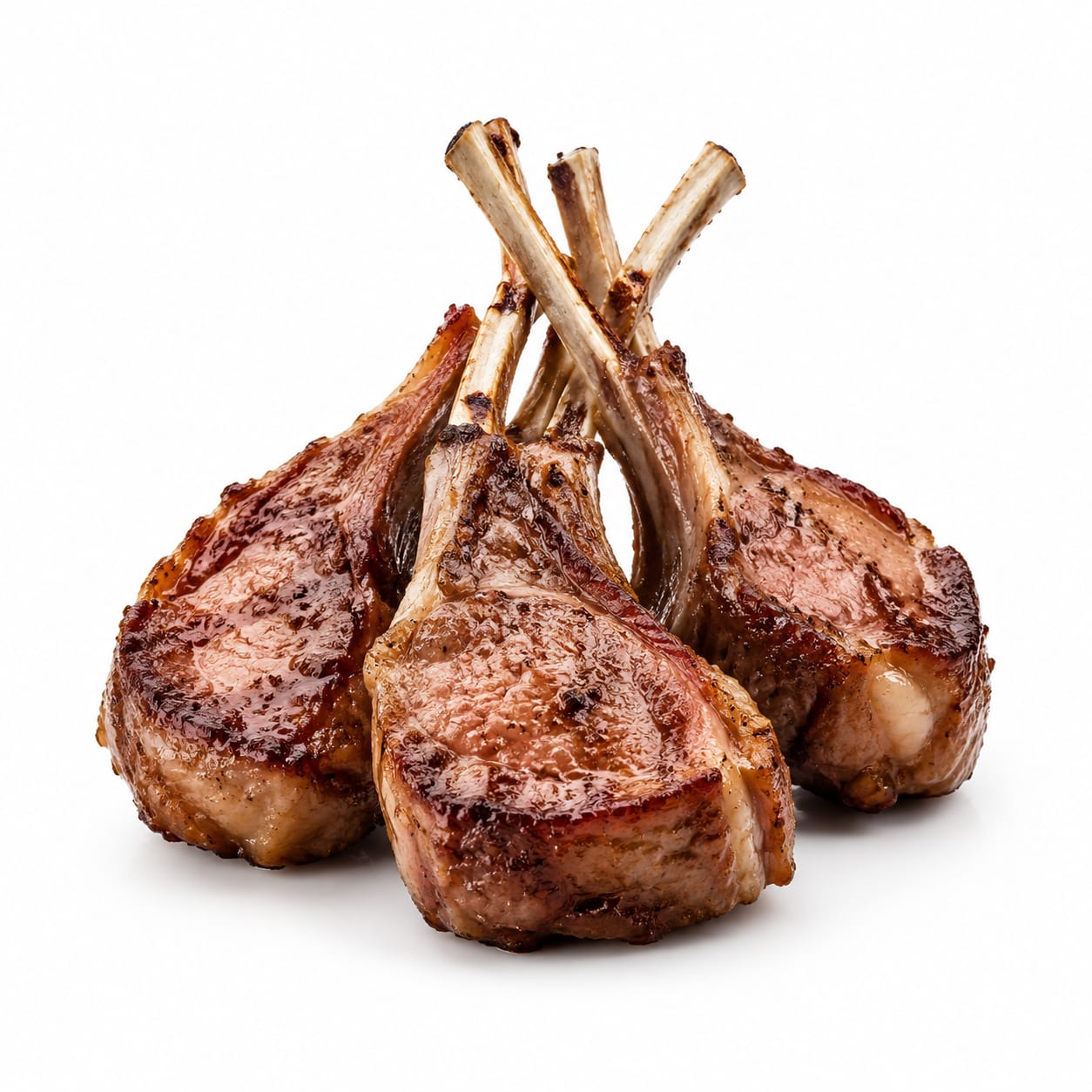
Lamb is the meat from young sheep, prized for its rich flavor and high protein, iron, and B-vitamin content.
Lamb is the meat of young sheep, typically under one year of age. It is a rich source of high-quality protein, vitamins, and minerals, particularly vitamin B12, iron, and zinc, with a distinct, robust flavor profile.
protein-dense animal food
Typical serving · 113g
Common varieties · rack of lamb, lamb chops, leg of lamb, ground lamb, lamb shoulder +1 more
Overall context score across nutrition, safety, and diet fit
At a glance
Quick facts
Simple indicators based on nutrition, processing, and diet fit.
The story
What makes it unique
Lamb is a nutrient-dense animal protein with moderate to high fat content depending on the cut. It digests moderately slowly due to its protein and fat matrix, providing sustained satiety. Rich in heme iron and vitamin B12, it supports hemoglobin synthesis and neurological function. As a minimally processed whole food, it retains its native macronutrient and micronutrient profile.
Varieties: rack of lamb · lamb chops · leg of lamb · ground lamb · lamb shoulder · lamb shank
Per 100g
Nutrition breakdown
Macro balance and key metrics at a glance.
Energy
Density 2.50 kcal/g
Protein
Carbs
Fat
Fiber
Sugar
0 g
Sodium
72 mg
Potassium
310 mg
Glycemic index
0
Glycemic load
0
Water content
57%
Standout compounds
Nutrient highlights
Vitamin B12
highSupports nerve function and red blood cell formation
Heme Iron
highHighly absorbable iron for oxygen transport
Protein
highProvides essential amino acids for muscle and tissue repair
Zinc
moderateSupports immune function and wound healing
Selenium
moderateActs as an antioxidant to protect cells from damage
Wellness map
Health scores & processing
NOVA processing scale
minimally processed · Whole food
Fresh or frozen lamb cuts are unprocessed whole foods. Processed lamb products like sausages or cured meats fall into higher NOVA groups.
Diet compatibility
- Weight loss
- Muscle gain
- Diabetes
- Gut health
- Low carb
- High protein
- Heart health
Relative standing
Food rankings
Qualitative ranks compared to similar whole foods.
- Satietyexcellent
- Blood sugarexcellent
- Nutrient densitygood
- Fitness fuelgood
- Processing qualityexcellent
Eat with confidence
Food safety profile
Lamb carries a moderate risk of bacterial contamination typical of raw meats. Proper cooking to a safe internal temperature eliminates most pathogens. Antibiotic use in conventional farming is a moderate concern for some consumers.
Evidence confidence 85%
- Pesticideslow
- Antibioticsmoderate
- Heavy metalslow
- Contaminationmoderate
Watch for
- Salmonella
- Campylobacter
- E. coli
Safer choices
Organic or grass-fed lamb to reduce antibiotic and pesticide exposure.
Prep tips
Do not wash raw lamb to prevent cross-contamination. Use separate cutting boards and cook to an internal temperature of 145°F (63°C) with a 3-minute rest time.
Antibiotic use in conventional livestock farming and potential residue in meat.
Deep dive
Health analysis
How this food may fit different goals and preparation choices.
Weight loss
High protein and fat increase satiety, but energy density is high. Lean cuts like leg or loin are better for calorie-controlled diets.
Blood sugar
Contains zero carbohydrates, resulting in no glycemic impact. Excellent for blood sugar stabilization.
Fitness & energy
Rich in complete protein and B vitamins, supporting muscle repair and energy metabolism. Best consumed post-workout or as a dietary protein centerpiece.
Gut health
Lacks dietary fiber, offering no prebiotic benefits. High red meat intake may negatively alter gut microbiome composition over time if vegetables are displaced.
Processing quality
Fresh lamb is a whole, unprocessed food. Avoid processed lamb products like sausages which contain additives and fillers.
Food safety
Standard raw meat handling applies. Cook thoroughly to avoid foodborne illness. Grass-fed options may have a better safety and antibiotic profile.
Common mistakes
Overcooking lean cuts leading to dryness, or consuming fatty cuts too frequently under the assumption that all animal fats are equally healthy.
Best preparation
Roasting, grilling, or braising. Trimming visible fat before cooking reduces calorie and saturated fat intake significantly.
Practical guide
Best use cases
When and how this food fits real eating patterns.
post-workout recovery
Provides complete protein and B vitamins to support muscle repair and energy replenishment after intense exercise.
low-carb and keto meals
Zero carbohydrates and rich fat content make it a highly suitable staple for ketogenic and low-carb diets.
iron-deficiency diets
Highly bioavailable heme iron helps prevent or manage iron-deficiency anemia more effectively than plant sources.
high-protein dinner centerpiece
Nutrient-dense and highly satiating, ideal as the main course for a filling, protein-focused meal.
Balance sheet
Pros & cons
Upsides
- Excellent source of highly bioavailable heme iron
- Rich in vitamin B12 for neurological health
- Zero carbohydrates, ideal for blood sugar control
- High-quality complete protein supports muscle maintenance
- High satiety keeps you full for longer
Trade-offs
- High in saturated fat, particularly in fatty cuts
- Higher calorie density than lean white meats
- More expensive than other common meats
- Overconsumption of red meat is linked to heart health concerns
- No dietary fiber, offering no prebiotic gut benefits
Fit check
Who is it for?
Great match
- low-carb diets
- keto diets
- iron-deficiency anemia management
- muscle building
- high-protein meal prep
Consider alternatives
- low-fat diets
- strict calorie counting without portion control
- vegetarian or vegan lifestyles
- those managing severe hypercholesterolemia
Side by side
How it compares
Open the full head-to-head analysis for nutrition, safety, and practical tradeoffs.
This food
Lamb
VS90% alike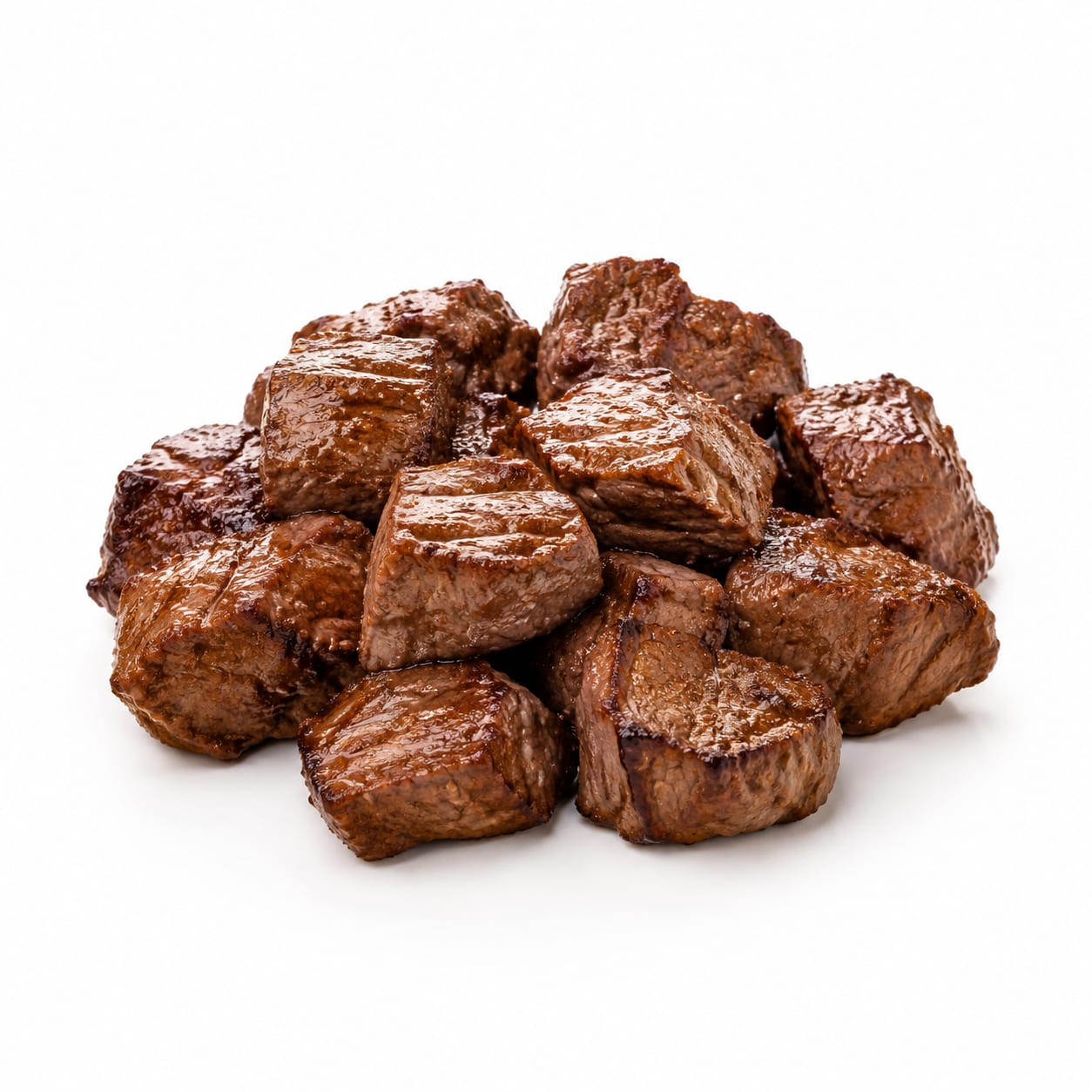
Compare with
Beef
Lamb and beef are both red meats rich in iron and B12, but lamb typically has a slightly stronger flavor and more fat depending on the cut.
Beef offers slightly leaner options for weight loss, while lamb provides a distinct flavor; both are excellent for blood sugar control and satiety.
This food
Lamb
VS60% alike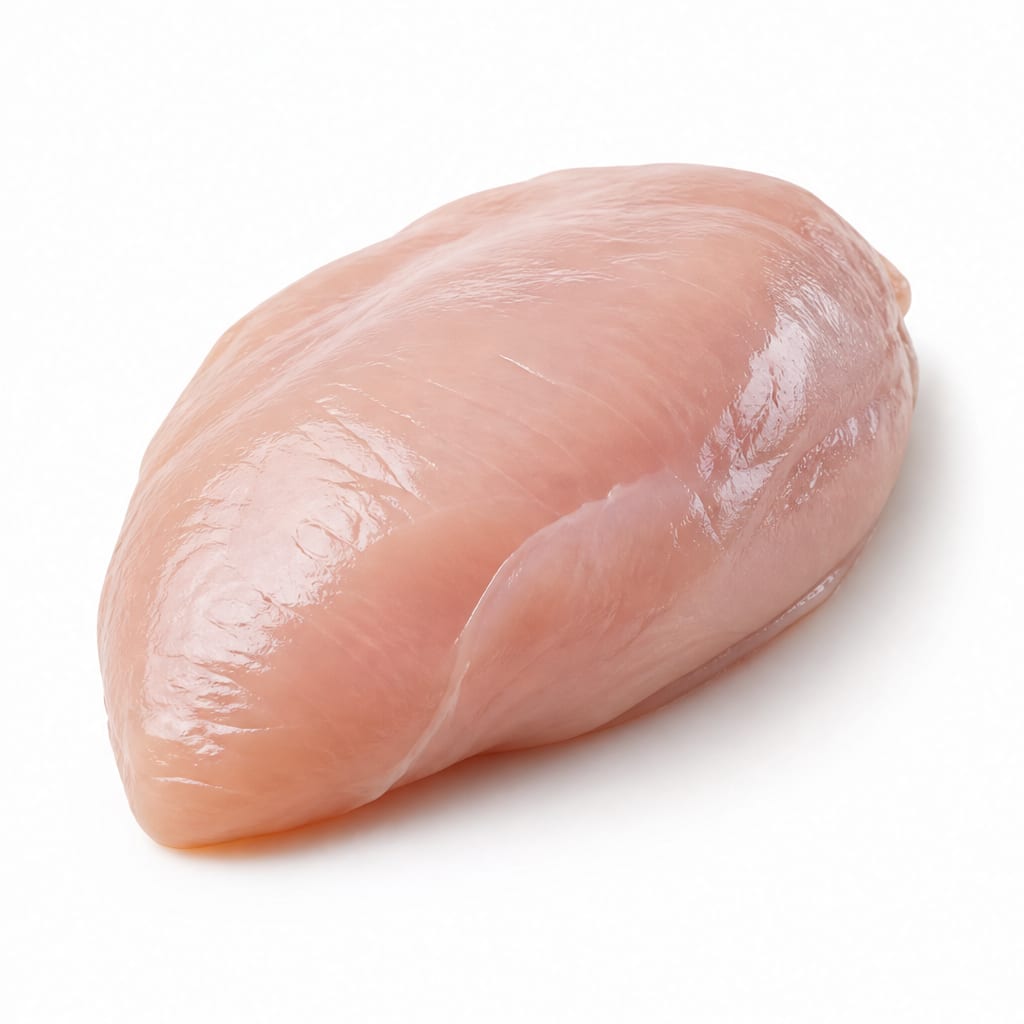
Compare with
Chicken Breast
Chicken breast is much lower in fat and calories than lamb, making it better for weight loss, while lamb provides more iron and B12.
Chicken breast wins for weight loss and lean muscle gain due to lower calories, while lamb offers superior iron and B12 content.
This food
Lamb
VS75% alike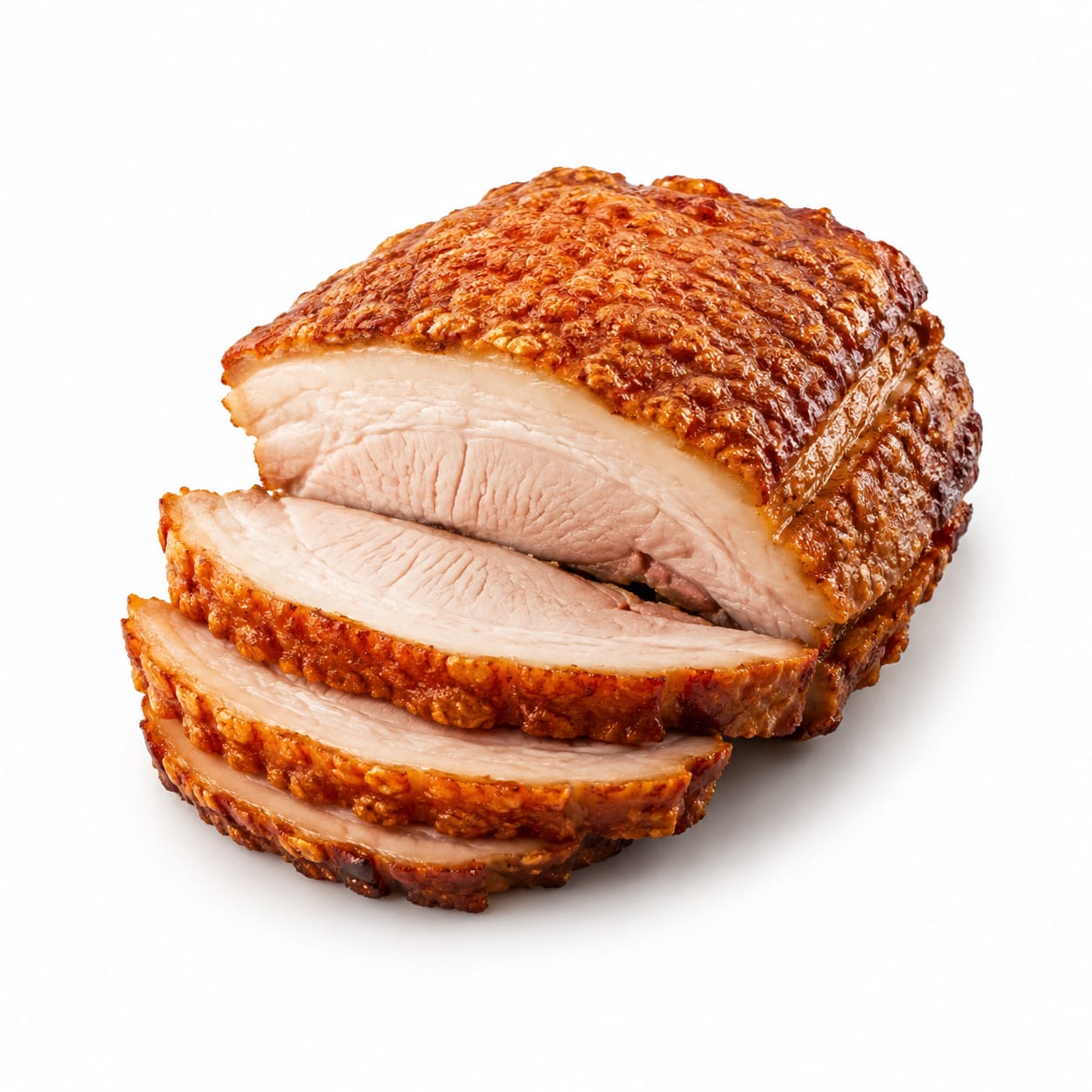
Compare with
Pork
Pork and lamb offer similar protein, but lamb generally has more saturated fat and a distinct flavor profile.
Lean pork cuts are slightly better for weight loss than lamb, but both provide equal blood sugar stability and satiety.
This food
Lamb
VS70% alike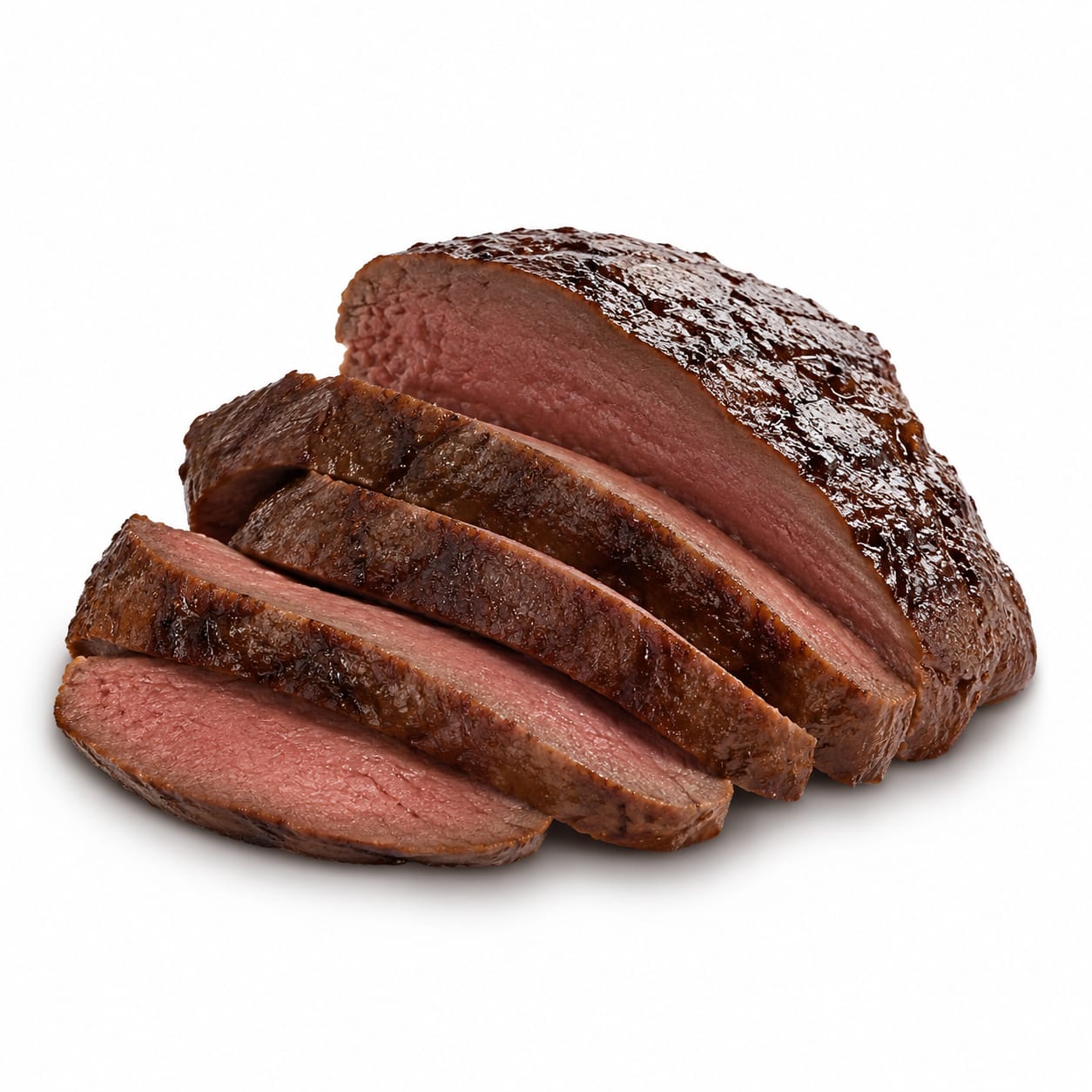
Compare with
Venison
Venison is significantly leaner than lamb with more protein per calorie, while both offer rich iron content.
Venison is the clear winner for weight loss and lean fitness fuel, while lamb's higher fat content provides richer satiety.
This food
Lamb
VS70% alike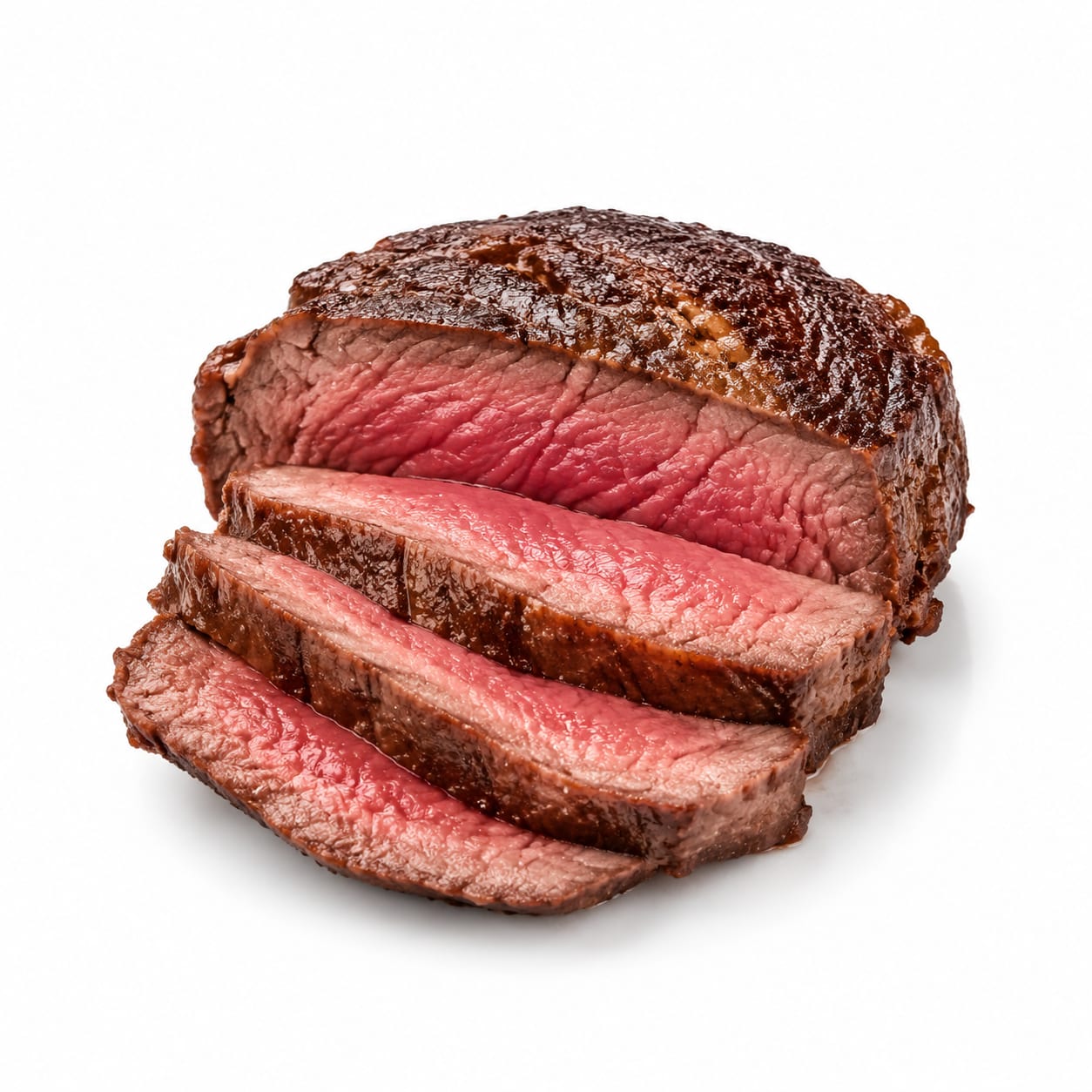
Compare with
Bison
Bison is leaner and lower in calories than lamb while providing a similar nutrient density and iron profile.
Bison provides a leaner protein source for weight loss and fitness, whereas lamb offers a fattier, more satiating experience.
This food
Lamb
VS85% alike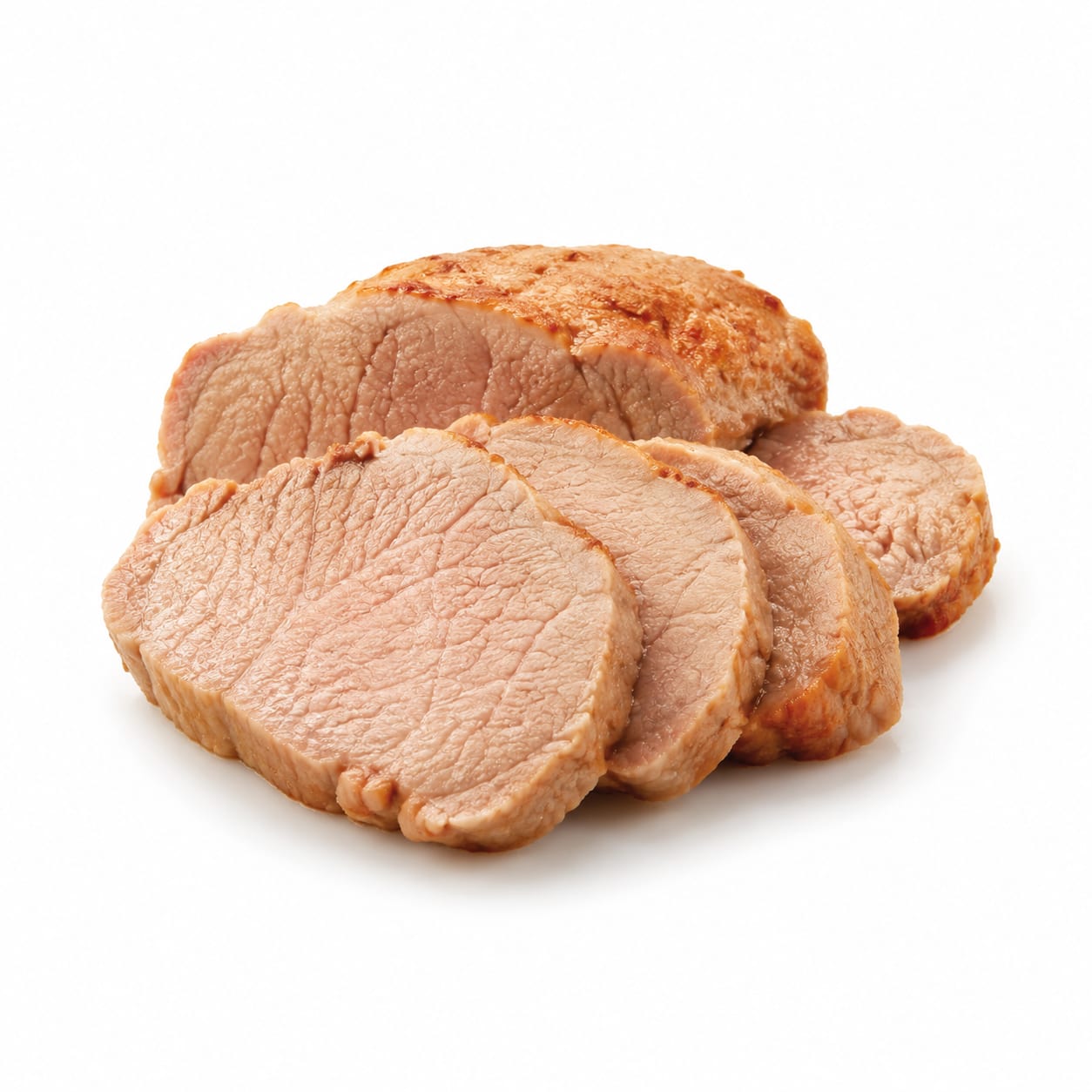
Compare with
Veal
Veal is younger beef with a milder flavor and lower fat content than lamb, though lamb is richer in certain minerals.
Veal is lower in fat and better for weight loss, while lamb provides a stronger flavor and higher satiety from its fat content.
This food
Lamb
VS80% alike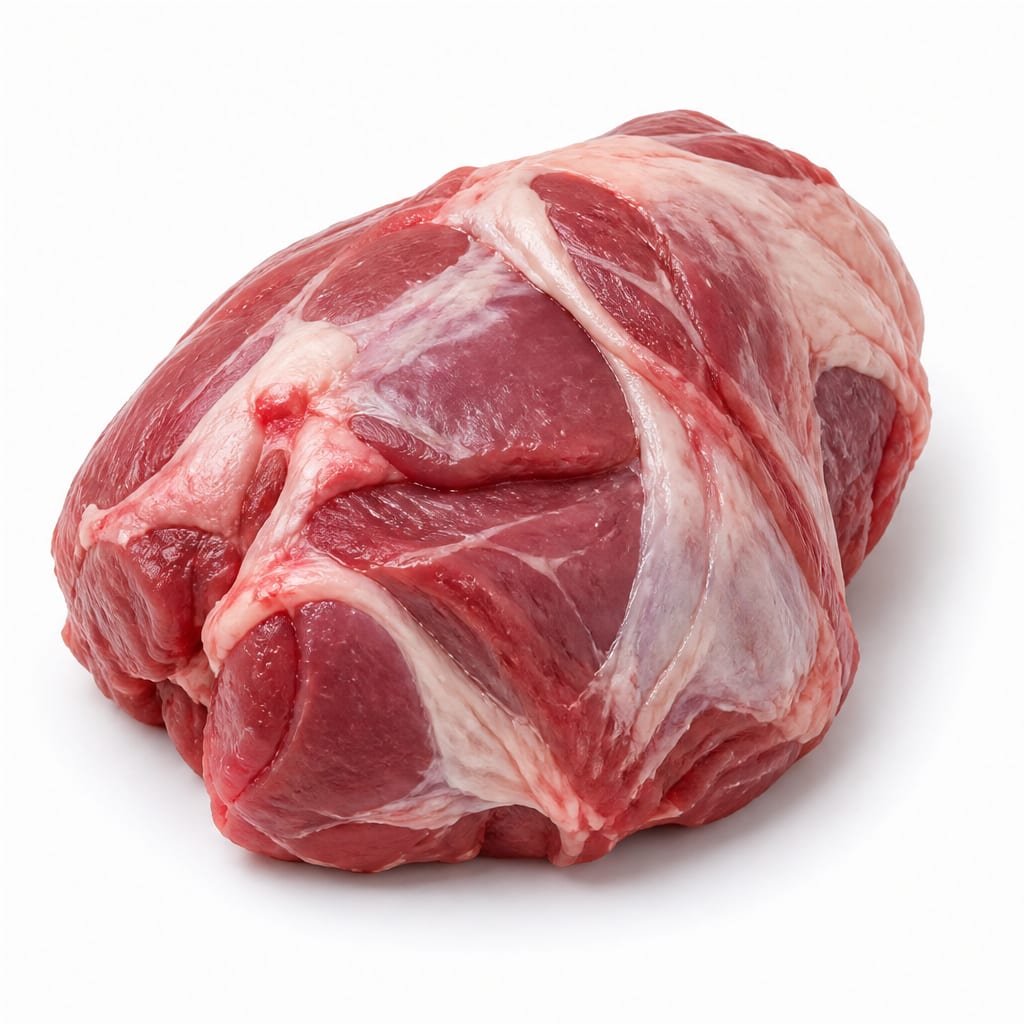
Compare with
Goat Meat
Goat meat is leaner and lower in calories than lamb, making it a healthier alternative for weight management with a similar flavor profile.
Goat meat is lower in calories and better for weight loss, while lamb is fattier and provides more satiety.
This food
Lamb
VS50% alike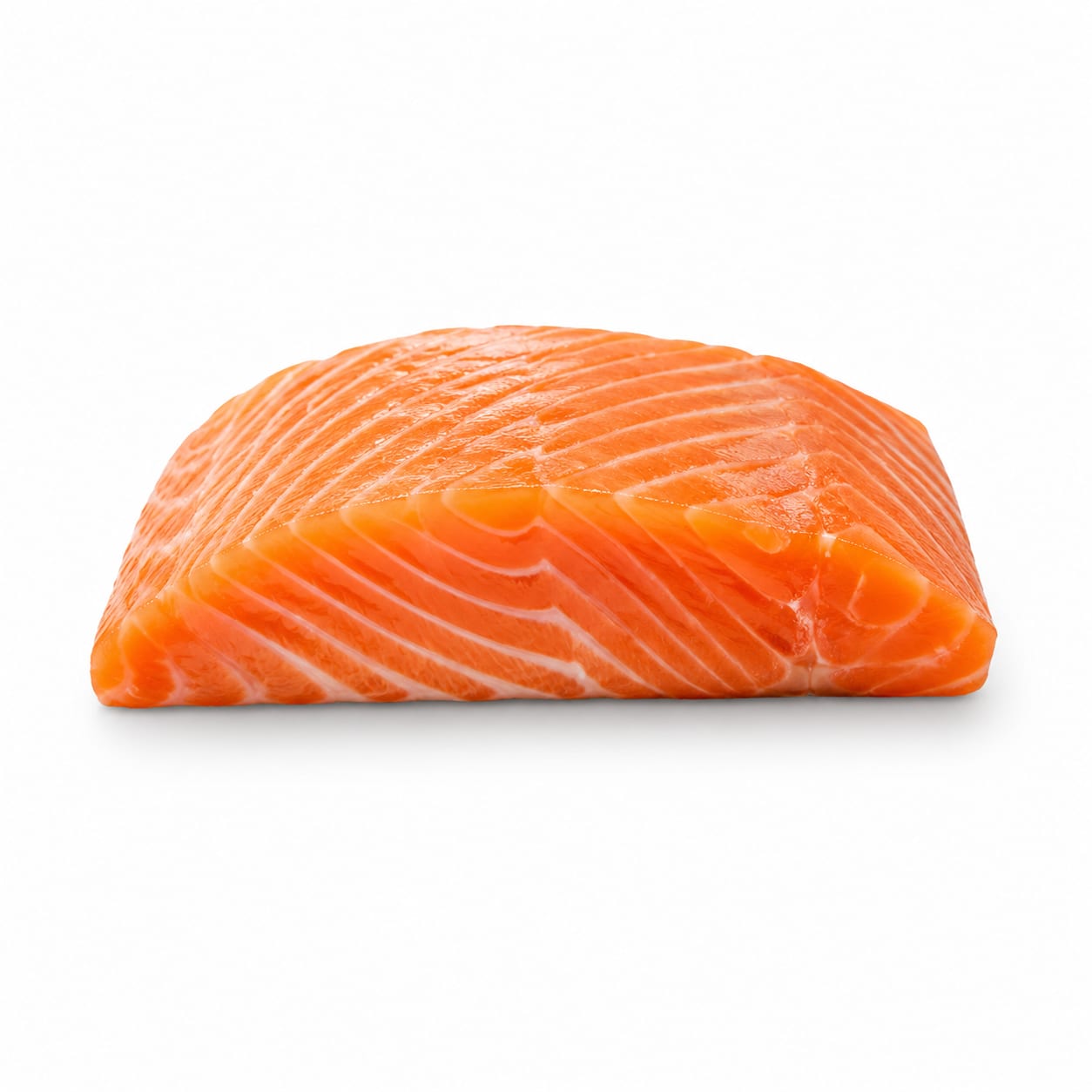
Compare with
Salmon
Salmon offers heart-healthy omega-3 fats while lamb provides more iron and B12; both are high-quality proteins.
Salmon provides heart-healthy omega-3s and fewer calories for weight loss, while lamb is superior for iron and B12 intake.
This food
Lamb
VS60% alike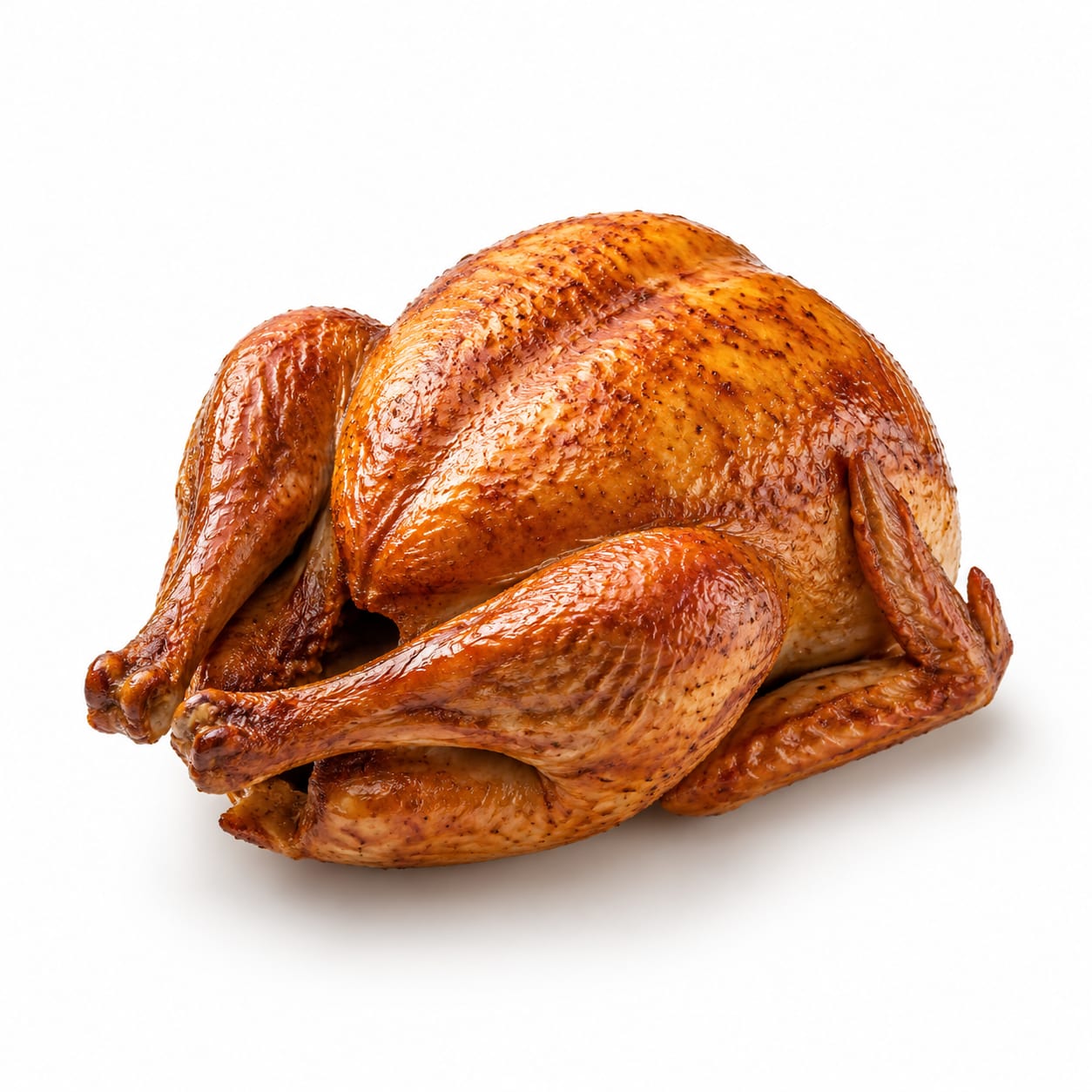
Compare with
Turkey
Turkey is much lower in fat and higher in protein per calorie than lamb, making it superior for lean muscle gain.
Turkey is a leaner choice for weight loss and muscle gain, while lamb provides richer satiety and more iron.
This food
Lamb
VS75% alike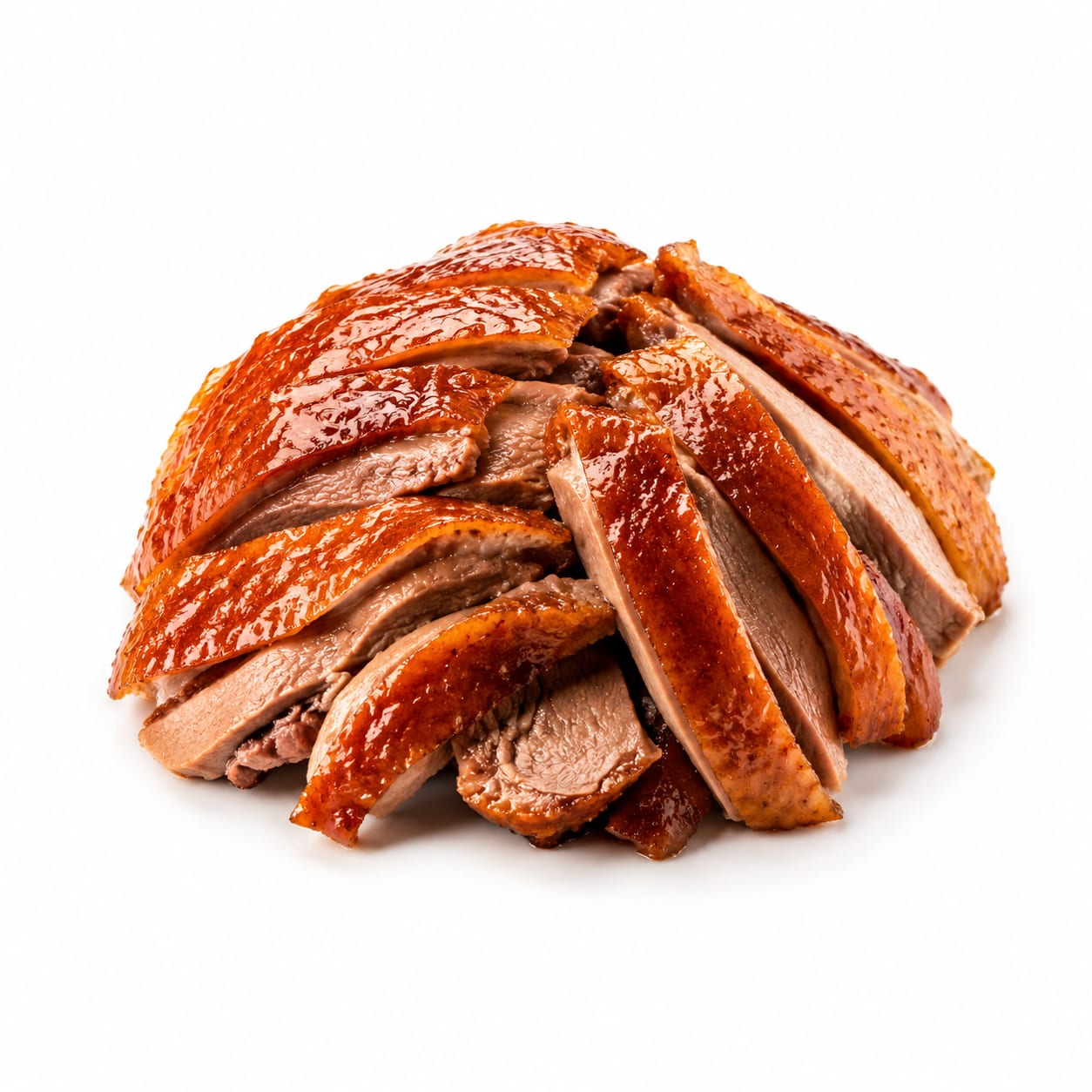
Compare with
Duck
Duck is higher in fat than lamb, particularly under the skin, while lamb offers a better iron and B12 profile.
Lamb is slightly lower in fat and better for weight loss than duck, while duck's high fat content provides intense satiety.
Common questions
FAQ
Answers aligned with how people search for this food.
Is lamb healthier than beef?
Lamb and beef have similar nutritional profiles, but lamb tends to have slightly more fat and a stronger flavor. Both are excellent sources of protein, iron, and vitamin B12.
Can you eat lamb on a keto diet?
Yes, lamb is excellent for a keto diet because it contains zero carbohydrates and provides a rich source of fat and protein.
Is lamb high in cholesterol?
Lamb contains dietary cholesterol, but its saturated fat content impacts blood cholesterol levels more significantly. Choosing lean cuts helps manage intake.
What is the healthiest cut of lamb?
Leg of lamb and lamb loin are the healthiest cuts because they are significantly lower in saturated fat and calories compared to rib or shoulder cuts.
Does lamb have a lot of iron?
Yes, lamb is a rich source of heme iron, which is highly bioavailable and absorbed by the body much more efficiently than plant-based iron.
Is lamb considered red meat?
Yes, lamb is classified as red meat because it contains higher levels of myoglobin than white meats like chicken or fish.
Is lamb good for bodybuilding?
Yes, lamb provides high-quality complete protein and B vitamins essential for muscle growth, repair, and energy metabolism.
How many calories are in a lamb chop?
A typical 3-ounce lamb chop contains around 200 to 250 calories, depending on the amount of fat and the specific cut.
Transparency
Data confidence
Estimated confidence for nutrition data, interpretation, safety notes, and comparisons.
Nutrition data
Health analysis
Food safety
Comparisons