
Nutrition comparison
Lamb vs Duck: Which Red Meat Is Healthier? Nutrition & Fat Comparison
Compare lamb and duck nutrition — protein, fat quality, calories, iron, and heart health impact. Find out which red meat is better for your goals and how to enjoy both wisely.
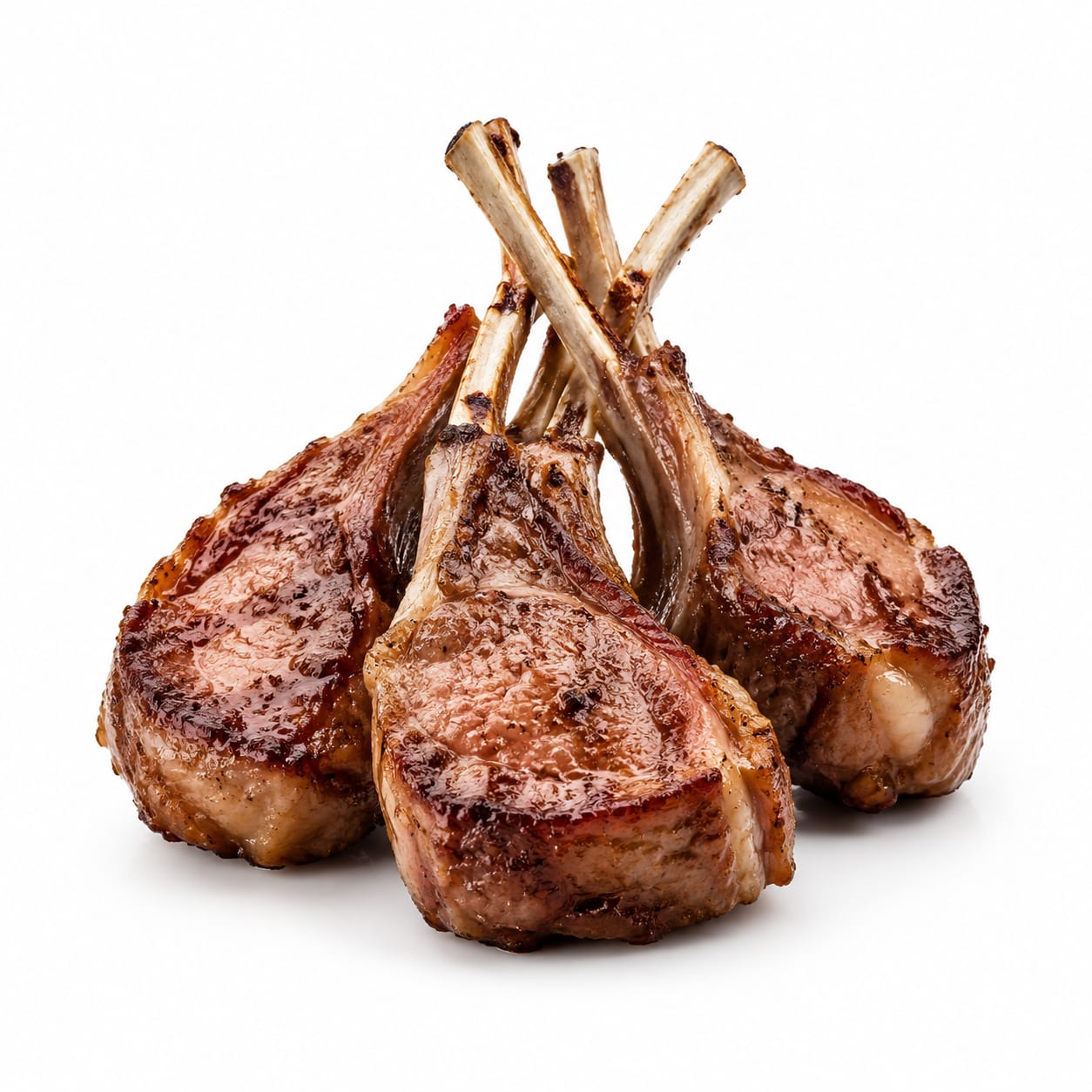
Lamb
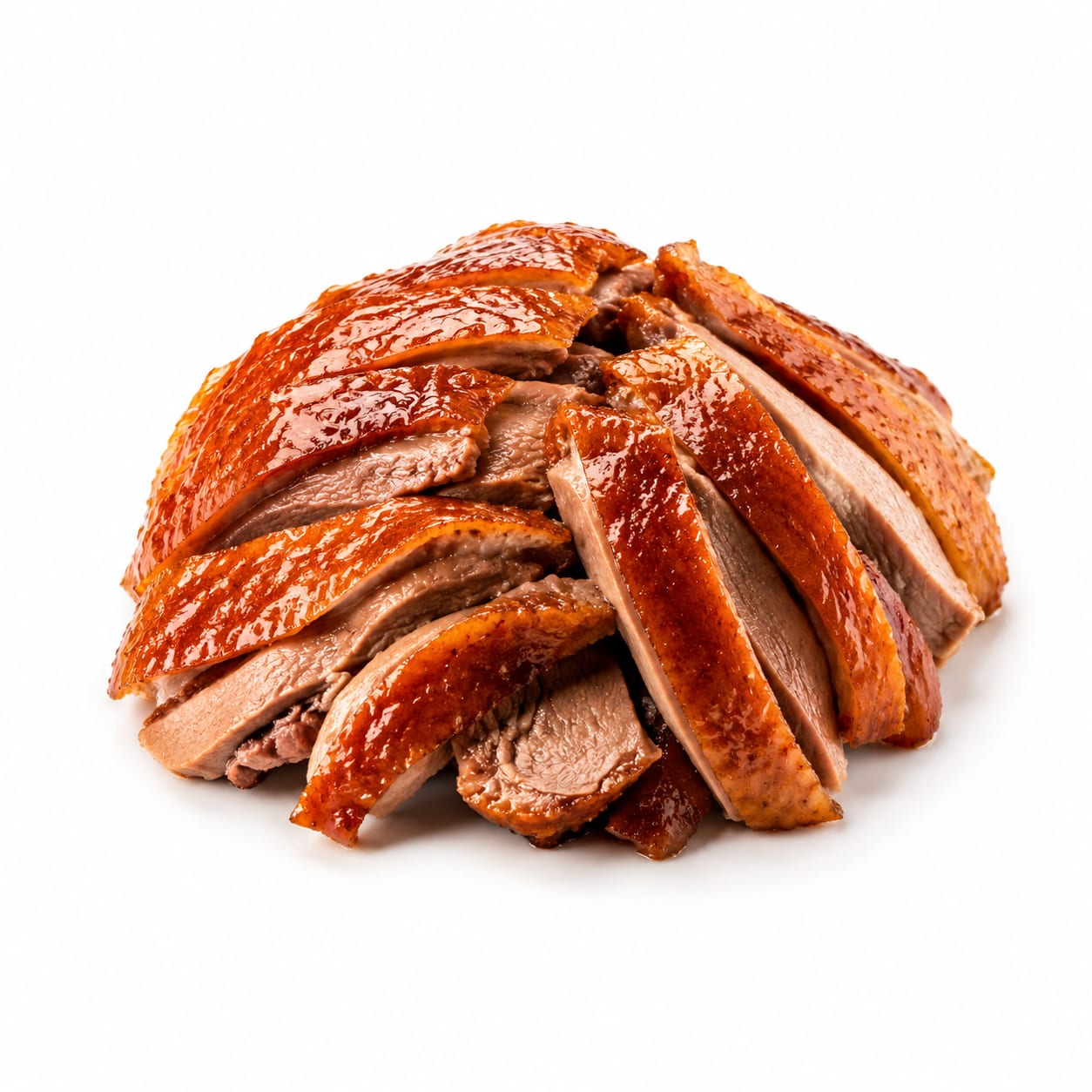
Duck
Lamb delivers more protein per calorie and richer iron, but duck offers a friendlier fat profile with more monounsaturated fat. Neither is a daily health food — both are indulgent red meats best enjoyed in moderation.
Lamb scores slightly higher due to better protein density and iron content, but duck's superior fat profile keeps it close. Both lose points for being high-calorie red meats with cardiovascular concerns.
Lamb gives you better protein density and micronutrients, while duck rewards you with healthier fat composition but at a higher calorie cost.
At a glance
Executive summary
Overall
It depends
Healthier
Duck
More practical
Lamb
Daily use
It depends
Key comparison lenses
Which red meat is healthier for regular consumption
Both are red meats with significant fat content, so health-conscious eaters want to know which does less damage over time
Fat quality and heart health tradeoffs
Duck is famously fatty with more monounsaturated fat, while lamb carries more saturated fat — this shapes cardiovascular risk
Protein efficiency for fitness goals
Both are protein-rich, but calorie-to-protein ratios differ significantly due to fat content
Flavor and cooking versatility
These are premium proteins often chosen for special meals, so practical culinary differences matter
Environmental and ethical considerations
Lamb has an unusually high carbon footprint, which increasingly factors into consumer decisions
Best choice for
Lamb
- Iron-deficient individuals needing heme iron
- High-protein dieters watching calories
- Keto eaters who want red meat without excessive fat
- People cooking quick weeknight stews or grills
Duck
- Heart-conscious red meat lovers wanting better fat quality
- Home chefs valuing rendered fat for cooking
- People who eat red meat rarely and want maximum flavor
- Those prioritizing B-vitamin intake, especially niacin
Least suitable for
Lamb
- People managing high cholesterol or heart disease risk
- Anyone strictly limiting saturated fat
- Budget-conscious households (lamb is expensive)
- Environmentally-focused eaters concerned about carbon footprint
Duck
- Calorie-counters trying to lose weight
- People who dislike rich, fatty meats
- Those who find rendered fat unappetizing
- Anyone meal-prepping lean proteins for the week
Deep comparison
Dimension by dimension
Each lens scores both foods and breaks down who each option suits.
- Dimension 1 · Priority 90Lamb
Protein Density & Satiety
Lamb · 82Duck · 65Lamb provides significantly more protein per calorie, making it more filling and efficient for muscle maintenance.
Tradeoff
Duck keeps you full too, but you pay a steep calorie premium for that satisfaction due to its high fat content.
Why it matters
If you're tracking calories or macros, lamb gives you more protein bang for your buck — roughly 25g protein per 250 calories vs duck's 19g per 330 calories.
Real-world impact
A lamb shoulder serving leaves you satisfied with fewer calories. Duck breast with skin delivers rich flavor but can quietly push you over your calorie target.
Lamb
- Athletes tracking protein per calorie
- Anyone cutting while preserving muscle
- People who want a filling meal without heaviness
Better for
- Very low-calorie dieters who find lean cuts too filling to finish
Worse for
Duck
- Those who prioritize eating pleasure over efficiency
- Very active people who can afford the extra calories
Better for
- Calorie-counters — the fat adds up fast
- People who feel sluggish after heavy, fatty meals
Worse for
- Dimension 2 · Priority 88Duck
Fat Quality & Heart Health
Lamb · 42Duck · 62Duck fat is surprisingly high in monounsaturated fat (similar to olive oil's oleic acid), while lamb carries more saturated fat per serving.
Tradeoff
Duck's better fat profile comes wrapped in much more total fat, so the net heart-health benefit is modest at best.
Why it matters
Saturated fat raises LDL cholesterol more directly. Duck's monounsaturated fat is less harmful and may even be mildly beneficial — but only if you're not overeating total fat.
Real-world impact
Swapping lamb for duck a few times a month won't fix heart risk, but it's a slightly smarter choice if you're committed to eating red meat regularly.
Lamb
- People who trim all visible fat before cooking
- Keto dieters less concerned about saturated fat ratios
Better for
- People with elevated LDL cholesterol
- Anyone with a family history of heart disease
Worse for
Duck
- Heart-conscious people who still want red meat
- Anyone who renders and reuses the fat for vegetables
Better for
- Those who assume 'better fat' means 'eat freely' — portion still matters enormously
Worse for
- Dimension 3 · Priority 82Lamb
Micronutrient Density
Lamb · 80Duck · 70Lamb is richer in iron, zinc, and B12, while duck stands out for niacin and selenium.
Tradeoff
Lamb's edge in iron and zinc matters more for most people's actual deficiencies, but duck's niacin content is genuinely impressive.
Why it matters
Iron deficiency is common, especially in women, and lamb's heme iron is highly absorbable. Duck's niacin supports energy metabolism and skin health.
Real-world impact
If you occasionally eat red meat partly for mineral intake, lamb delivers more of what you're likely missing. Duck is better if you specifically need B3.
Lamb
- Women with low iron levels
- Anyone recovering from illness who needs zinc for immunity
- Older adults at risk for B12 deficiency
Better for
- People with hemochromatosis or iron overload
Worse for
Duck
- People wanting niacin for skin and energy support
- Those who get iron from other sources already
Better for
- Anemic individuals who need maximum heme iron per serving
Worse for
- Dimension 4 · Priority 78Lamb
Calorie Efficiency
Lamb · 68Duck · 45Lamb is calorie-dense but duck is significantly worse — a single duck leg with skin can exceed 450 calories.
Tradeoff
Duck's richness makes small portions feel indulgent, but it's very easy to overconsume calories without realizing it.
Why it matters
For weight management, lamb lets you eat a satisfying portion with more control. Duck demands discipline or acceptance of a caloric splurge.
Real-world impact
A 4oz lamb chop runs about 250 calories. A similar duck portion with skin hits 330+. That gap compounds across a week.
Lamb
- Weight-loss dieters who still want red meat
- Meal preppers counting calories precisely
Better for
- People who overeat large lamb portions at restaurants
Worse for
Duck
- Endurance athletes who need calorie-dense meals
- Underweight individuals trying to gain
Better for
- Anyone tracking calories — duck is a budget-breaker
- Late-night eaters who regret heavy meals before bed
Worse for
- Dimension 5 · Priority 72Duck
Inflammatory Potential
Lamb · 40Duck · 52Both are red meats with inflammatory concerns, but lamb's higher saturated fat and arachidonic acid content tips the scale slightly worse.
Tradeoff
Neither food is anti-inflammatory. Duck is merely less bad on this front, not actively helpful.
Why it matters
Chronic inflammation drives joint pain, fatigue, and disease risk. If you eat red meat weekly, choosing the one with less inflammatory potential adds up over years.
Real-world impact
Someone with arthritis or chronic inflammation might notice slightly less stiffness after duck compared to lamb, but the difference is subtle and highly individual.
Lamb
- Grass-fed lamb buyers — pasture-raised has a better omega-3 to omega-6 ratio
Better for
- People with autoimmune flare-ups triggered by saturated fat
- Anyone eating conventional grain-fed lamb exclusively
Worse for
Duck
- People managing chronic inflammatory conditions
- Those who eat red meat more than twice a week
Better for
- People who confuse 'less inflammatory' with 'anti-inflammatory' — duck still promotes some inflammation
Worse for
- Dimension 6 · Priority 68Duck
Environmental Impact
Lamb · 25Duck · 45Lamb has one of the highest carbon footprints of any protein — roughly 50% more emissions than duck per kilogram.
Tradeoff
Duck is still far worse than chicken or plant proteins. It only wins by comparison to lamb's exceptionally high impact.
Why it matters
If sustainability factors into your food choices, lamb is hard to justify frequently. Duck is a marginal improvement, not a solution.
Real-world impact
Eating lamb once a week has a noticeably larger carbon footprint than duck once a week. Neither compares to swapping in beans or chicken.
Lamb
- Buyers of local, small-flock lamb with rotational grazing practices
Better for
- Anyone who cares deeply about food-related emissions
- Conventional supermarket lamb buyers
Worse for
Duck
- Environmentally-aware eaters choosing between the two
- Farm-to-table consumers who source duck from small producers
Better for
- People who think duck is an eco-friendly choice — it's just less bad than lamb
Worse for
- Dimension 7 · Priority 65Lamb
Cooking Versatility & Practicality
Lamb · 72Duck · 58Lamb adapts to more cooking methods and cuisines, while duck requires more skill and often renders large amounts of fat.
Tradeoff
Duck fat is a prized cooking ingredient, but dealing with it adds effort. Lamb is more straightforward to cook well.
Why it matters
Home cooks reach for what's easy. Lamb chops, ground lamb, and stew meat integrate into weeknight meals. Duck often feels like a project.
Real-world impact
Ground lamb makes quick kebabs or bolognese. Duck breast needs careful scoring, rendering, and resting — it's a weekend meal for most people.
Lamb
- Busy home cooks wanting weeknight red meat options
- People comfortable with grilling, braising, or roasting
- Fans of Mediterranean, Middle Eastern, or Indian cuisines
Better for
- Cooks intimidated by strong-flavored meats
- People who don't enjoy the gamy taste
Worse for
Duck
- Adventurous cooks who enjoy technique-driven meals
- Anyone who saves rendered fat for roasting potatoes
- French and Chinese cuisine enthusiasts
Better for
- Beginners — duck is easy to overcook or under-render
- Anyone who dislikes dealing with excess cooking fat
Worse for
Timeline
Health impact over time
Short-term
Hours to days
Lamb
- Heavy satiety that can last 4-6 hours due to dense protein and fat
- Possible sluggishness after a large serving, especially fatty cuts like shoulder
- Quick iron boost noticeable within days for deficient individuals
Duck
- Very rich, heavy feeling after eating — duck sits in the stomach longer than most meats
- High calorie intake can cause drowsiness, especially at dinner
- Immediate satisfaction from umami and fat, but potential regret if overeaten
Long-term
Months to years
Lamb
- Regular consumption (3+ times weekly) raises LDL cholesterol and heart disease risk meaningfully
- Excellent for maintaining iron and B12 stores long-term, especially for women and older adults
- High saturated fat intake compounds cardiovascular risk if not balanced with leaner proteins
Duck
- Slightly better lipid profile than lamb with regular consumption, but still a red meat risk
- Niacin intake from duck supports long-term skin, nerve, and digestive health
- Excessive calorie intake from frequent duck meals contributes to weight gain and metabolic strain
Risk profile
Safety & processing
Both lamb and duck are typically sold as whole cuts with minimal processing. Fresh lamb chops, leg, or shoulder and whole duck or duck breast contain no additives. Concerns arise only with processed forms like lamb sausages or smoked duck breast, which may include nitrates, sodium, and preservatives.
Lamb
Antibiotic and hormone residues
mediumConventional lamb may carry antibiotic residues. US regulations allow hormone use in lamb, though testing exists. Choose organic or grass-fed to reduce exposure.
Foodborne illness from undercooking
lowLamb can carry Salmonella and E. coli. Ground lamb is higher risk than whole cuts. Cook to 145°F (63°C) for medium-rare safety.
Heavy metal accumulation
lowLamb kidneys and liver can concentrate cadmium and lead. Muscle meat is low risk. Avoid eating organ meats frequently from older animals.
Duck
Salmonella contamination
mediumDuck is a significant Salmonella carrier. Raw duck requires careful handling — avoid cross-contamination and cook to 165°F (74°C), especially for whole duck.
Avian influenza exposure
lowRare but possible with improperly handled duck from affected flocks. Commercial duck in most countries is monitored, but backyard or imported duck carries slightly more risk.
High pathogen load in skin
mediumDuck skin harbors more bacteria than muscle meat. Crispy skin is safe only when thoroughly cooked. Slow rendering at low heat may not reach safe temperatures without finishing at high heat.
Who wins for whom
Audience fit
Same foods, different winners depending on your goal.
children
LambLamb's higher iron and zinc content supports growing bodies, and lean ground lamb is easier for kids to eat than fatty duck. Duck's richness can overwhelm young palates.
daily consumption
It dependsNeither should be eaten daily. If forced to choose, lean lamb in small portions (3-4oz) a few times weekly is more sustainable nutritionally. Duck is better reserved for 1-2 times monthly due to calorie load.
diabetes
DuckNeither is ideal, but duck's higher monounsaturated fat and lower saturated fat may slightly improve insulin sensitivity compared to lamb's saturated fat load. Both have zero carbs, so blood sugar impact is minimal.
elderly
LambOlder adults often need more B12, iron, and digestible protein. Lamb delivers these efficiently. Duck's high fat can be harder to digest and may worsen gallbladder issues common in seniors.
muscle gain
LambHigher protein density and better leucine content per serving support muscle protein synthesis more efficiently. Duck's extra calories don't contribute meaningfully to muscle building.
weight loss
LambLamb provides more protein per calorie, making it easier to stay within calorie limits while feeling full. Lean cuts like leg or loin are reasonably manageable for weight loss.
Your move
Decision guide
Choose Lamb
- You want maximum protein and iron without excessive calories
- You're cooking for a family that needs familiar, versatile red meat
- You enjoy Mediterranean, Middle Eastern, or South Asian recipes
- You're anemic or have low B12 and need nutrient-dense red meat
- You prefer grilling or braising over technique-heavy cooking
Choose Duck
- You're eating red meat as an occasional indulgence and want the best fat profile
- You love cooking French or Chinese cuisine and enjoy rendered duck fat
- You're less worried about calories and more about fat quality
- You want niacin-rich food for skin or energy metabolism support
- You find lamb's gamy flavor off-putting and prefer duck's richer taste
Either works if
- You're eating red meat fewer than twice a week — the differences barely matter at that frequency
- You source both from high-quality, pasture-raised or organic producers
- You balance red meat days with fish, legumes, and plenty of vegetables
Avoid both if
- You have active cardiovascular disease or very high LDL cholesterol
- Your doctor has advised eliminating red meat entirely
- You have gout — both are high-purine foods that can trigger flares
- You're following a plant-based or low-saturated-fat diet protocol
Final recommendation
For most people, lamb is the more practical choice — better protein density, more iron, and easier weeknight cooking. But if you eat red meat rarely and care about fat quality, duck is the smarter indulgence. The real win is treating both as occasional proteins rather than staples, filling the gaps with fish, poultry, and legumes the rest of the week.
Practical
Consumer tips
- 1
Choose grass-fed lamb when possible — it has a better omega-3 profile and less saturated fat than grain-finished
- 2
Save rendered duck fat in a jar in the fridge; it's excellent for roasting vegetables and adds flavor with less saturated fat than butter
- 3
Trim visible fat from lamb before cooking to cut saturated fat by 30-50% without losing much flavor
- 4
Cook duck breast skin-side down in a cold pan, then render slowly over medium-low heat for 12-15 minutes — this produces crispy skin and reduces fat content significantly
- 5
Buy whole duck and break it down yourself — breasts for searing, legs for confit, carcass for stock. It's more economical than buying pre-cut portions
- 6
Marinate lamb in yogurt-based mixtures — the lactic acid tenderizes and can reduce carcinogenic compounds formed during high-heat grilling
- 7
Both meats pair well with antioxidant-rich sides like roasted root vegetables, leafy greens, or fresh herbs to offset inflammatory potential
- 8
If buying conventional, lamb from New Zealand or Australia is typically pasture-raised by default, even without an organic label