
Nutrition comparison
Lamb vs Turkey: Which Meat Is Healthier for Daily Meals?
Compare lamb and turkey on fat, protein, iron, heart health, and daily practicality. Learn when to choose each meat and how to balance both for optimal nutrition.
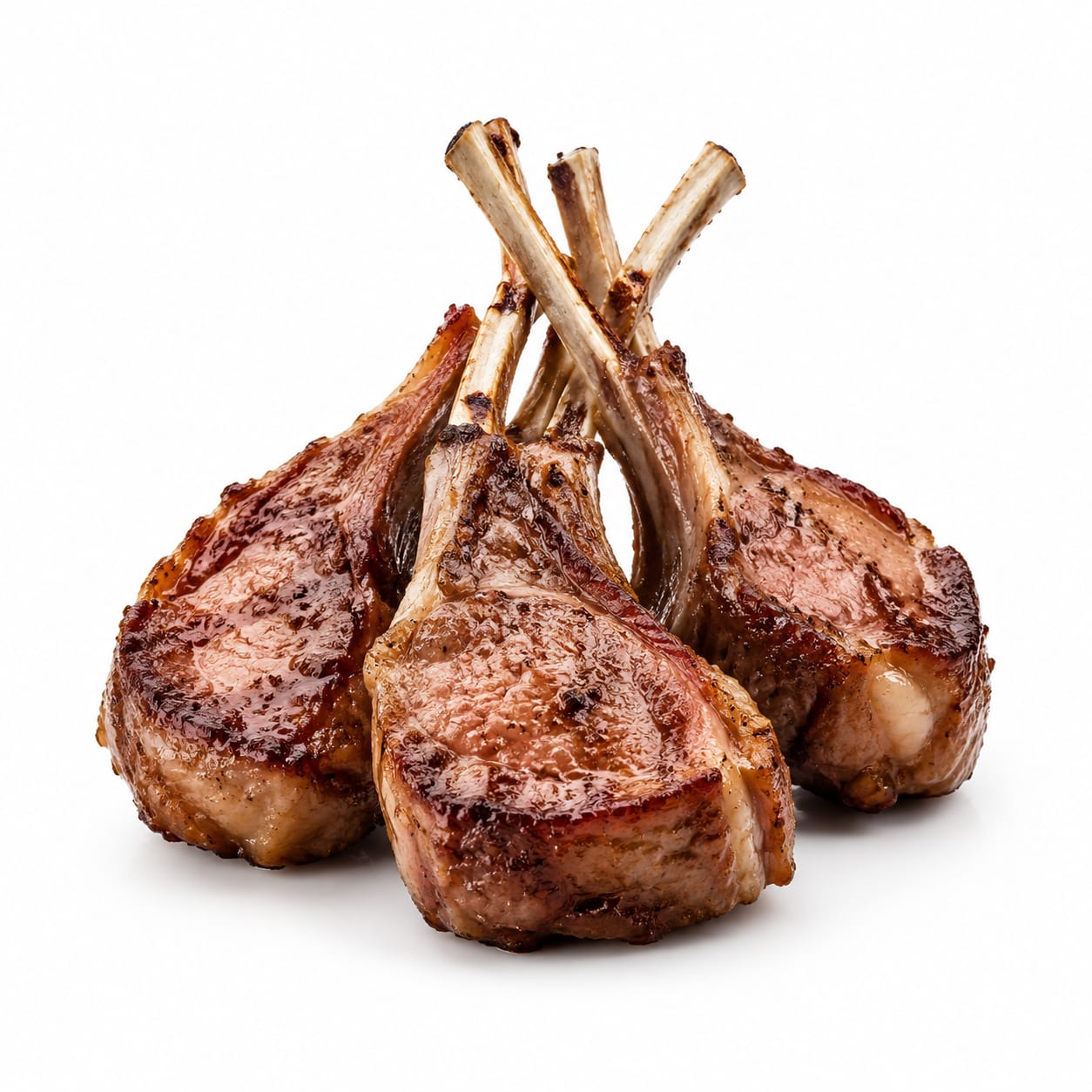
Lamb
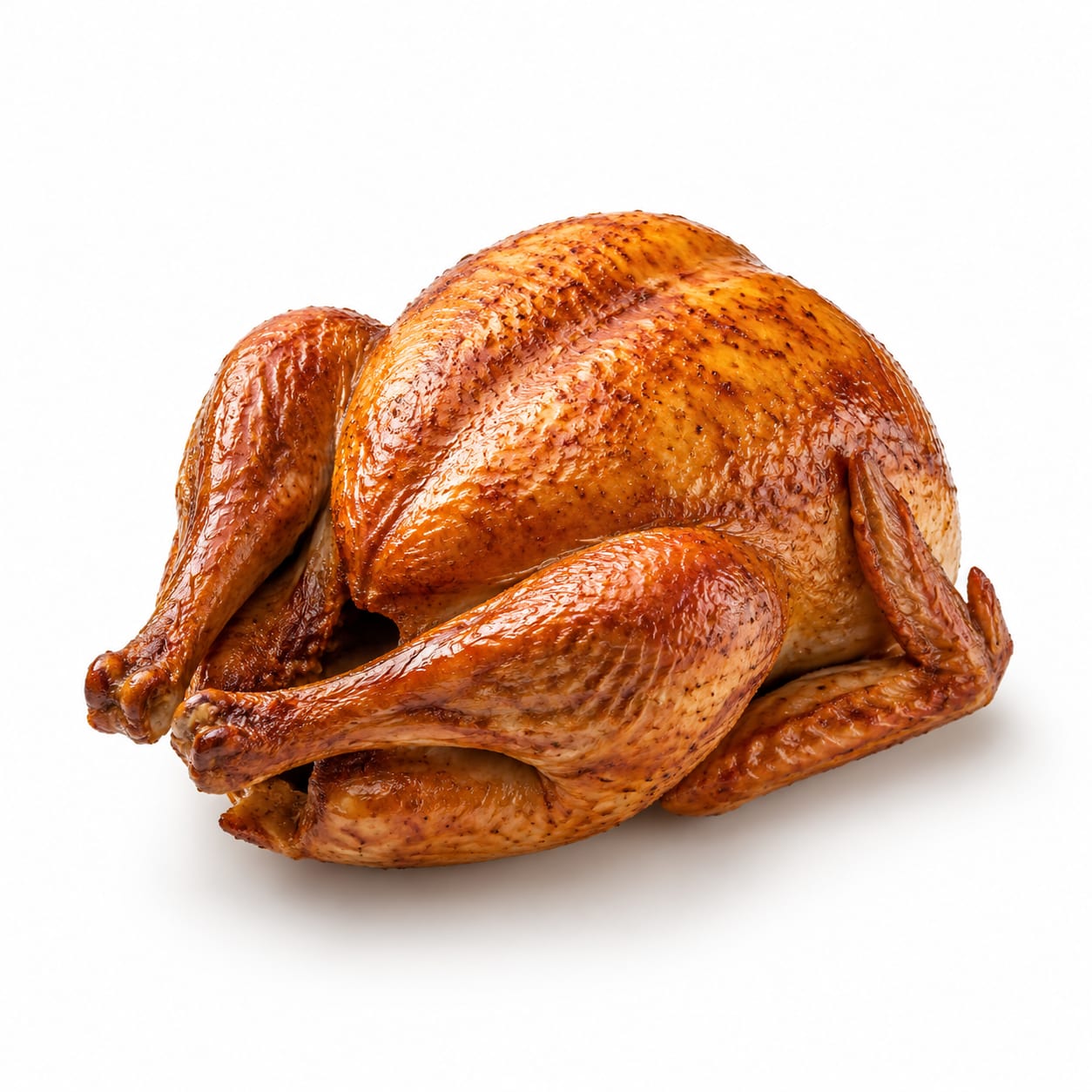
Turkey
Turkey wins for everyday lean protein and heart health; lamb wins for iron density and satisfying richness when you need it.
Turkey scores higher due to leanness, daily usability, and lower cardiovascular risk. Lamb remains valuable for specific nutritional gaps like iron and B12 but its saturated fat load limits frequent use.
Lamb delivers superior micronutrients like iron and B12 but carries significantly more saturated fat and calories. Turkey offers lean, versatile protein you can eat daily without much concern.
At a glance
Executive summary
Overall
It depends
Healthier
Turkey
More practical
Turkey
Daily use
Turkey
Key comparison lenses
heart health and fat profile
Lamb is significantly higher in saturated fat, making cardiovascular impact the central tradeoff
protein leanness for daily meals
Turkey is a go-to lean protein while lamb is calorie-dense, so daily usability differs sharply
iron and micronutrient density
Lamb delivers substantially more iron and B12, which matters for anemia-prone individuals
weight management and calorie control
Calorie density gap between these two meats directly affects portion control and satiety
inflammatory potential
Red meat carries higher inflammatory markers than poultry, relevant for chronic disease risk
Best choice for
Lamb
- People with iron deficiency or anemia risk
- Those seeking nutrient-dense red meat occasionally
- Athletes needing high caloric and mineral intake
- Anyone craving rich, satisfying flavor in smaller portions
Turkey
- People managing cholesterol or heart disease risk
- Anyone counting calories or cutting saturated fat
- Families needing affordable everyday protein
- Those meal-prepping lean protein for the week
Least suitable for
Lamb
- People with high LDL cholesterol or cardiovascular disease
- Anyone on a strict calorie-restricted diet
- Those who need lean protein multiple times daily
Turkey
- People with severe iron deficiency needing heme iron sources
- Those who find lean meats unsatisfying and end up overeating later
- Anyone avoiding poultry due to allergy or preference
Deep comparison
Dimension by dimension
Each lens scores both foods and breaks down who each option suits.
- Dimension 1 · Priority 90Turkey
protein_quality_and_leanness
Lamb · 55Turkey · 92Turkey breast delivers more protein per calorie with minimal fat. Lamb provides solid protein but comes packaged with significantly more saturated fat.
Tradeoff
Lamb's protein comes with a caloric cost that makes it harder to fit into lean meal plans. Turkey breast gives you clean protein without the fat baggage.
Why it matters
If you eat protein 2-3 times daily, the fat attached to your protein source adds up fast. Turkey keeps that number manageable.
Real-world impact
A 4oz turkey breast has roughly 170 calories and 1g saturated fat. The same portion of lamb leg hits 280 calories with 5g saturated fat. Over a week of daily lunches, that's a 770-calorie difference.
Lamb
- Meals where calorie density is desired, like post-hike recovery
Better for
- Cutting phases where every calorie matters
Worse for
Turkey
- Daily lunch protein
- Meal prep containers
- Post-workout meals where lean protein is prioritized
Better for
- Situations where lean meat leaves you hungry an hour later
Worse for
- Dimension 2 · Priority 92Turkey
fat_profile_and_heart_health
Lamb · 35Turkey · 82Lamb contains roughly 3-4 times more saturated fat than turkey. Turkey also provides a more favorable omega-6 to omega-3 ratio.
Tradeoff
Lamb's saturated fat contributes to richer flavor and mouthfeel but raises LDL cholesterol with regular consumption. Turkey is gentler on your cardiovascular system but less satisfying to eat.
Why it matters
Heart disease remains the leading cause of death globally. Saturated fat from red meat is a modifiable risk factor you can control at every meal.
Real-world impact
Eating lamb 4-5 times per week instead of turkey could raise LDL cholesterol by 10-15 mg/dL over several months, moving someone from borderline to concerning territory.
Lamb
- Occasional meals where satisfaction matters more than macros
Better for
- Daily consumption patterns
- People already eating other red meats regularly
Worse for
Turkey
- Anyone with family history of heart disease
- People with elevated LDL cholesterol
- Weekly meal plans with multiple meat servings
Better for
- Meals where extremely lean meat feels unsatisfying and leads to snacking later
Worse for
- Dimension 3 · Priority 85Lamb
micronutrient_density
Lamb · 88Turkey · 65Lamb is significantly richer in iron, zinc, vitamin B12, and conjugated linoleic acid. Turkey provides good selenium and B vitamins but cannot match lamb's mineral density.
Tradeoff
You get more essential minerals per bite from lamb, but you also get more saturated fat. Turkey requires larger portions or complementary foods to match lamb's micronutrient punch.
Why it matters
Iron deficiency affects roughly 25% of the global population. Heme iron from red meat is absorbed 2-3 times better than plant iron.
Real-world impact
A single lamb serving covers about 25% of daily iron needs versus roughly 8% from turkey. For someone borderline anemic, that difference is meaningful within weeks.
Lamb
- Women of reproductive age with heavy periods
- Vegetarians reintroducing meat for iron correction
- Anyone diagnosed with iron deficiency
Better for
- People with hemochromatosis or iron overload risk
Worse for
Turkey
- People who already meet iron needs through other foods
- Those concerned about iron overload conditions
Better for
- Those relying on a single meat source for all minerals
Worse for
- Dimension 4 · Priority 78It depends
satiety_and_satisfaction
Lamb · 82Turkey · 68Lamb's higher fat content creates longer-lasting fullness and more eating satisfaction. Turkey breast fills you with protein but can leave you wanting more sooner.
Tradeoff
Lamb keeps you fuller longer but at a caloric price. Turkey requires strategic pairing with healthy fats or fiber to match lamb's staying power.
Why it matters
Meals that leave you hungry often lead to snacking. The net calorie intake from an unsatisfying lean meal plus snacks can exceed the richer meal you skipped.
Real-world impact
A lamb dinner at 7pm might keep you satisfied until morning. A turkey breast dinner might have you reaching for crackers by 9pm, negating the calorie savings.
Lamb
- Late dinners where you need lasting fullness
- Meals after physically demanding days
Better for
- Meals before sedentary periods where heavy food causes sluggishness
Worse for
Turkey
- Midday meals where you want to stay light and alert
- Pre-workout meals where heaviness is uncomfortable
Better for
- Situations where you cannot snack later and need lasting energy
Worse for
- Dimension 5 · Priority 82Turkey
daily_practicality_and_versatility
Lamb · 50Turkey · 88Turkey adapts to sandwiches, salads, stir-fries, tacos, and soups with minimal effort. Lamb works beautifully in specific dishes but feels heavy and repetitive as a daily staple.
Tradeoff
Turkey is the Swiss army knife of proteins but can feel boring. Lamb brings excitement to the plate but limits your recipe rotation and feels too rich for everyday.
Why it matters
The healthiest protein is the one you actually cook and eat consistently. Practicality drives adherence more than nutrition facts.
Real-world impact
Ground turkey can show up in 5 different meals per week without feeling repetitive. Lamb twice a week starts to feel heavy and monotonous for most people.
Lamb
- Weekend dinner traditions
- Special occasion meals worth savoring
Better for
- Busy weeknights requiring fast, light meals
Worse for
Turkey
- Weeknight meal prep
- Quick 20-minute dinners
- Leftover-friendly recipes
Better for
- Dinner parties where you want to impress with bold flavor
Worse for
- Dimension 6 · Priority 75Turkey
inflammatory_potential
Lamb · 40Turkey · 75Red meat consumption is associated with higher inflammatory markers compared to poultry. Turkey provokes less systemic inflammation when consumed regularly.
Tradeoff
Lamb's inflammatory signal is moderate compared to processed meats but still higher than turkey. For people with autoimmune or inflammatory conditions, this gap matters.
Why it matters
Chronic low-grade inflammation underlies most age-related diseases. Protein choices repeated daily have cumulative inflammatory effects.
Real-world impact
Someone with joint pain or skin issues might notice subtle worsening with daily red meat. Switching to turkey often produces noticeable improvement within 2-3 weeks.
Lamb
- Occasional consumption where inflammatory impact is minimal
Better for
- Daily consumption for inflammation-prone individuals
Worse for
Turkey
- People with arthritis or joint issues
- Those managing autoimmune flare-ups
- Anyone trying to reduce systemic inflammation
Better for
- Situations where the lean profile is irrelevant to the health goal
Worse for
Timeline
Health impact over time
Short-term
Hours to days
Lamb
- Heavier post-meal feeling due to higher fat content
- Longer-lasting satiety that reduces between-meal snacking
- Potential sluggishness after large portions
Turkey
- Lighter, cleaner energy after meals
- Possible hunger returning sooner if not paired with fats or fiber
- Easier digestion with less heaviness
Long-term
Months to years
Lamb
- Improved iron and B12 status with regular consumption
- Potential LDL cholesterol increase if eaten frequently
- Higher cardiovascular risk profile with daily red meat intake
- Better mineral reserves for deficiency-prone individuals
Turkey
- Favorable cholesterol and triglyceride maintenance
- Lower cardiovascular risk with regular poultry over red meat
- Possible iron insufficiency if turkey is the only meat consumed
- Easier weight management due to lower calorie density
Risk profile
Safety & processing
Both whole cuts of lamb and turkey are minimally processed by default. However, ground turkey and deli turkey often contain added sodium, skin, and sometimes nitrates. Whole turkey breast and lamb cuts are equally clean choices.
Lamb
Pathogenic bacteria from undercooking
mediumLamb should be cooked to at least 145°F internal temperature. Undercooked lamb can carry Salmonella and E. coli, though the risk is lower than poultry.
Heme iron and colorectal cancer association
mediumHigh intake of heme iron from red meat is associated with elevated colorectal cancer risk. This is a long-term, dose-dependent concern, not an acute risk.
Turkey
Salmonella and Campylobacter contamination
highPoultry carries a higher risk of bacterial contamination than red meat. Turkey must be cooked to 165°F and handled carefully to avoid cross-contamination.
Deli turkey with nitrates and sodium
mediumProcessed turkey products like deli meat often contain sodium nitrites and excessive salt. Choose fresh whole turkey breast over processed slices when possible.
Who wins for whom
Audience fit
Same foods, different winners depending on your goal.
children
It dependsLamb provides iron and B12 crucial for growing bodies, but turkey's milder flavor and easier texture often work better for picky eaters. Rotate both for balanced nutrition.
daily consumption
TurkeyTurkey's leanness, versatility, and lower cardiovascular risk make it suitable as a daily protein staple. Lamb is better reserved for 1-2 times per week.
diabetes
TurkeyTurkey's lower saturated fat content supports better insulin sensitivity. Red meat consumption is associated with increased type 2 diabetes risk when consumed frequently.
elderly
TurkeyOlder adults need lean protein to maintain muscle without stressing cardiovascular health. Turkey is easier to chew, digest, and fits heart-healthy dietary patterns better.
muscle gain
It dependsBoth provide complete protein with all essential amino acids. Turkey is better for lean bulk phases; lamb works better during mass-gaining phases where extra calories help.
weight loss
TurkeyTurkey's lower calorie density and fat content make portion control easier and create a larger calorie deficit without feeling deprived of protein.
Your move
Decision guide
Choose Lamb
- You have low iron or ferritin levels and need heme iron sources
- You eat red meat only occasionally and want maximum satisfaction when you do
- You're physically very active and need calorie-dense recovery meals
- You're cooking a special meal where rich flavor is the priority
Choose Turkey
- You eat meat daily and need a lean default protein
- You're managing cholesterol, blood pressure, or heart disease risk
- You meal-prep and need versatile protein for multiple recipes
- You want to feel light and energized after meals rather than heavy
Either works if
- You rotate proteins throughout the week and eat both in moderation
- You have no specific health concerns and enjoy variety
- You pair meat with plenty of vegetables and whole grains regardless
Avoid both if
- You have gout and need to limit purine intake from all meats
- You're following a plant-based diet for ethical or health reasons
- You have kidney disease and must restrict protein quantity
Final recommendation
Make turkey your everyday protein and enjoy lamb once or twice a week as a nutrient-dense treat. This gives you turkey's cardiovascular benefits daily while still capturing lamb's iron and B12 advantages. If you have iron deficiency, lean toward lamb more often but watch portion sizes. If heart health is your priority, keep lamb to special occasions and let turkey carry the weekly load.
Practical
Consumer tips
- 1
Choose turkey breast over ground turkey unless you verify the leanness — ground turkey often includes dark meat and skin, doubling the fat content
- 2
Opt for grass-fed lamb when available — it has a better omega-3 profile and less saturated fat than grain-finished lamb
- 3
Pair turkey with iron-rich sides like spinach or lentils to compensate for its lower iron content
- 4
Trim visible fat from lamb cuts before cooking to reduce saturated fat by 20-30%
- 5
Marinate lamb with herbs like rosemary — the antioxidants reduce harmful compounds formed during high-heat cooking
- 6
Avoid deli turkey with nitrates and instead roast a whole turkey breast for weekly sandwich meat
- 7
Cook turkey to 165°F but use a meat thermometer to avoid overcooking — dry turkey drives people back to fattier meats