
Nutrition comparison
Lamb vs Goat Meat: Which Red Meat Is Healthier?
Goat meat has half the calories and a fraction of the saturated fat of lamb. Compare nutrition, taste, cooking tips, and health impacts to choose the right red meat for your diet.
Overall winner · Goat Meat
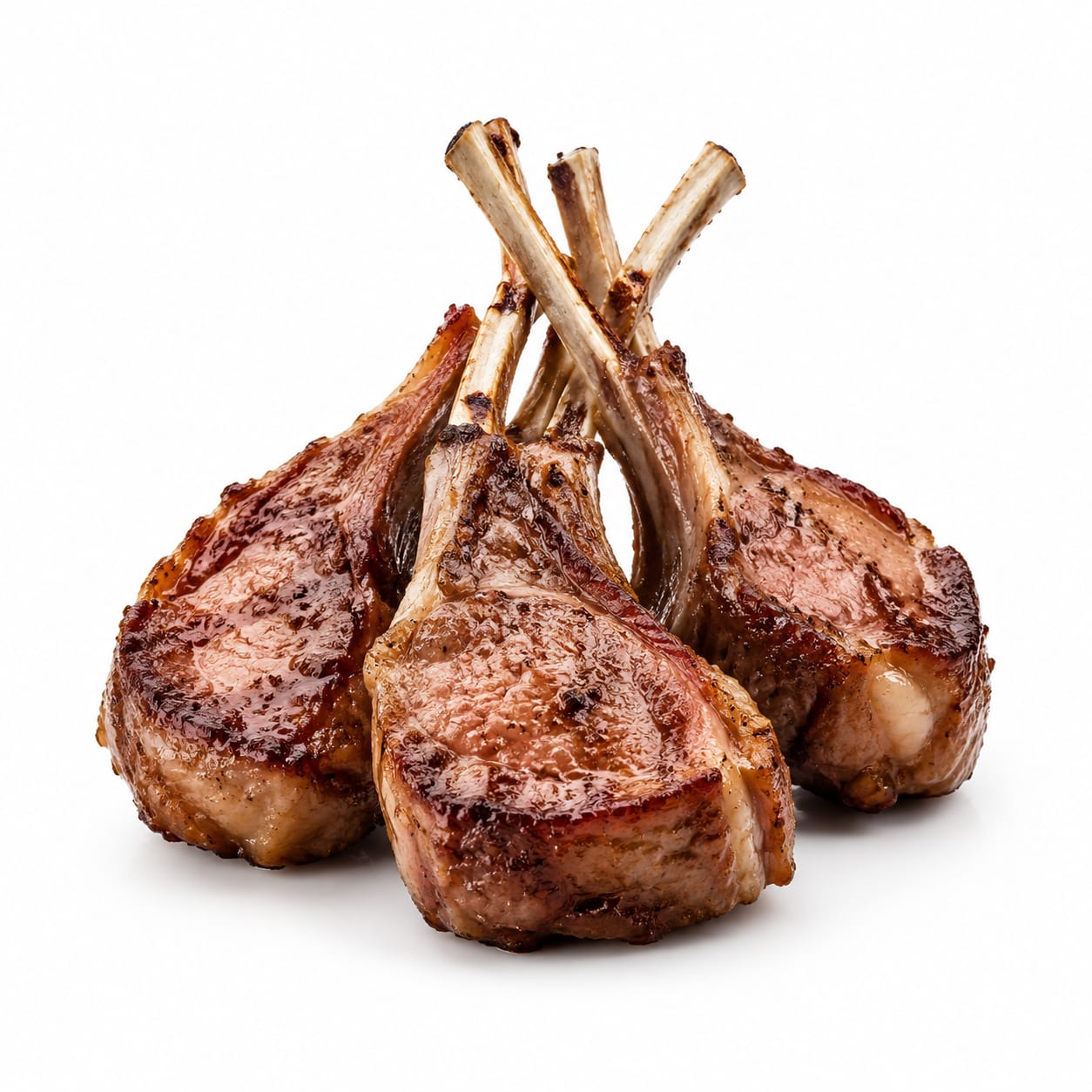
Lamb
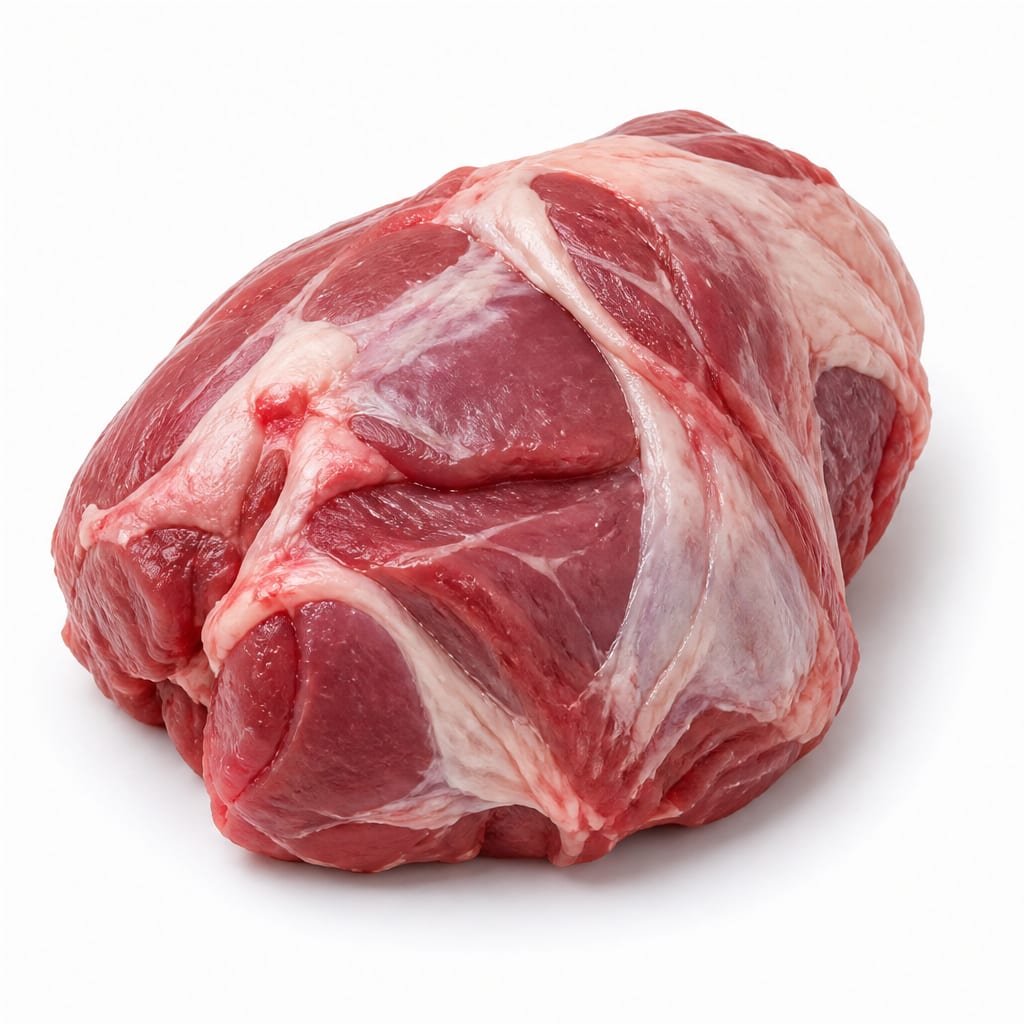
Goat Meat
Goat meat delivers similar protein with far less fat and fewer calories, making it the healthier red meat choice for most people.
Goat meat scores notably higher due to its superior fat profile, lower calorie density, and better heart health markers. Lamb remains competitive for taste, tenderness, and accessibility but carries meaningful health tradeoffs from its high saturated fat content.
You gain a leaner, heart-friendlier protein with goat meat but sacrifice the tenderness, richer flavor, and easy availability that lamb provides.
At a glance
Executive summary
Overall
Goat Meat
Healthier
Goat Meat
More practical
Lamb
Daily use
Goat Meat
Key comparison lenses
heart health and cholesterol management
Lamb is significantly higher in saturated fat and cholesterol, making cardiovascular impact the primary concern for most users comparing these two red meats
weight management and calorie control
Goat meat is dramatically leaner with far fewer calories per serving, a decisive factor for anyone watching their weight
protein quality and muscle maintenance
Both are complete protein sources but differ in protein-to-calorie ratio, affecting how efficiently they support lean body mass
cooking practicality and taste preference
Lamb is more tender and widely available; goat requires specific cooking techniques and can be harder to source
sustainability and environmental impact
Goats are more efficient feed converters and produce less environmental burden per pound of meat
Best choice for
Lamb
- People prioritizing rich flavor and tender texture in special occasion meals
- Those who want easy-to-find meat at any grocery store
- Home cooks preparing traditional European or Mediterranean recipes
- Anyone needing higher calorie intake for weight gain
Goat Meat
- People managing heart disease risk or high cholesterol
- Anyone tracking calories for weight loss
- Those who want red meat flavor without the heavy fat load
- Individuals following lean protein diets like bodybuilding prep
Least suitable for
Lamb
- People with cardiovascular concerns or high LDL cholesterol
- Anyone strictly managing saturated fat intake
- Those counting calories closely for weight loss
- Individuals who find heavy, fatty meals uncomfortable
Goat Meat
- Inexperienced cooks unfamiliar with slow-cooking lean meats
- People without access to specialty butchers or ethnic markets
- Those wanting quick-cooking weeknight protein
- Diners who dislike gamier flavors
Deep comparison
Dimension by dimension
Each lens scores both foods and breaks down who each option suits.
- Dimension 1 · Priority 95Goat Meat
fat_profile_and_heart_health
Lamb · 35Goat Meat · 82Lamb contains roughly 2-3 times more total fat and saturated fat than goat meat, significantly raising cardiovascular risk with regular consumption.
Tradeoff
Goat meat protects your heart better but lacks the juicy richness that lamb's fat provides during eating.
Why it matters
Saturated fat directly raises LDL cholesterol. Eating lamb regularly can move your blood lipid numbers in the wrong direction faster than goat meat will.
Real-world impact
A 4oz lamb chop delivers about 15g saturated fat — over 70% of most people's daily limit. The same portion of goat meat gives you roughly 4g.
Lamb
- Those who are underweight and need calorie-dense meals
- Ketogenic dieters seeking higher fat intake
Better for
- People on statins or cholesterol-lowering protocols
- Anyone whose doctor recommended reducing red meat fat
Worse for
Goat Meat
- Anyone with family history of heart disease
- People with elevated LDL cholesterol
- Those wanting red meat without the cardiac guilt
Better for
- Those relying on animal fat for satiety on low-carb diets
Worse for
- Dimension 2 · Priority 90Goat Meat
calorie_density_and_weight_management
Lamb · 38Goat Meat · 85Goat meat has roughly half the calories per serving compared to lamb, making portion control far easier.
Tradeoff
Lower calories mean you can eat a satisfying portion of goat meat without blowing your daily budget, but the meal may feel less indulgent.
Why it matters
Calorie density determines how much food you can eat before feeling full. Lamb's high fat content packs more calories into smaller portions.
Real-world impact
A typical lamb dinner can easily hit 600+ calories from the meat alone. Goat meat keeps the same plate size closer to 300-350 calories.
Lamb
- Athletes in bulking phases needing surplus calories
- People recovering from illness with poor appetite who need energy-dense food
Better for
- Emotional eaters who struggle to stop at one serving
- Late-night diners where excess calories store easily as fat
Worse for
Goat Meat
- Anyone actively losing weight
- People who like large portions without the calorie penalty
- Meal preppers tracking macros precisely
Better for
- Those who feel unsatisfied without the richness fattier cuts provide
Worse for
- Dimension 3 · Priority 80Goat Meat
protein_quality_and_nutrient_density
Lamb · 72Goat Meat · 84Both are complete proteins with excellent amino acid profiles, but goat meat delivers more protein per calorie and per gram of fat consumed.
Tradeoff
Lamb offers slightly more B12 and iron per serving, but you pay for those extras with significantly more saturated fat.
Why it matters
Protein efficiency matters when you want muscle maintenance without collateral fat intake. Goat meat gives you more of what you want and less of what you don't.
Real-world impact
For the same 250 calories, goat meat provides about 35g protein versus lamb's 18-20g. That difference adds up across a week of meals.
Lamb
- Those with B12 deficiency who benefit from lamb's higher concentration
- People unconcerned about fat intake who want maximum micronutrient density per bite
Better for
- Anyone whose protein goals conflict with their fat limits
Worse for
Goat Meat
- Bodybuilders and athletes optimizing protein-to-calorie ratios
- Older adults preserving muscle mass while managing weight
Better for
- Those who need the extra B12 lamb provides and don't supplement
Worse for
- Dimension 4 · Priority 75Lamb
cooking_ease_and_practicality
Lamb · 82Goat Meat · 48Lamb is more forgiving to cook, more widely available, and works with simpler techniques. Goat meat requires slow cooking and specialty sourcing.
Tradeoff
Lamb saves time and effort in the kitchen, but goat meat rewards patience with a leaner result that's worth the extra work.
Why it matters
If you can't find the meat or cook it properly, nutritional advantages become theoretical. Practical access determines real-world outcomes.
Real-world impact
Lamb chops can be pan-seared in 10 minutes. Goat meat typically needs 2-3 hours of braising or stewing to become tender.
Lamb
- Busy weeknight cooks needing fast protein
- People living in areas without ethnic markets or specialty butchers
- Less experienced home cooks
Better for
- Those wanting to break out of routine cooking methods
Worse for
Goat Meat
- Weekend meal preppers who batch-cook stews and curries
- Adventurous cooks who enjoy slow-cooking techniques
Better for
- Anyone without 2+ hours for meal preparation
- People far from Caribbean, Middle Eastern, or South Asian grocery stores
Worse for
- Dimension 5 · Priority 70Lamb
taste_satisfaction_and_meal_enjoyment
Lamb · 85Goat Meat · 62Lamb's higher fat content creates a richer, more satisfying eating experience. Goat meat is leaner and slightly gamier, which some love and others find challenging.
Tradeoff
Lamb delivers immediate pleasure and comfort; goat meat is an acquired taste that feels lighter but less indulgent.
Why it matters
Food satisfaction determines whether you stick with a choice long-term. A healthier meat you dislike eating won't stay in your rotation.
Real-world impact
Lamb feels like a restaurant-quality treat. Goat meat can taste amazing in the right dish but may disappoint if you're expecting lamb-like richness.
Lamb
- Dinner parties and special occasions where indulgence matters
- People who find lean meats unsatisfying and end up snacking later
Better for
- People who feel sluggish after heavy, fatty meals
Worse for
Goat Meat
- Those who prefer lighter, less greasy meals
- Fans of bold, earthy flavors in Caribbean or South Asian cuisine
Better for
- Picky eaters sensitive to gamey flavors
Worse for
- Dimension 6 · Priority 65Goat Meat
sustainability_and_environmental_impact
Lamb · 40Goat Meat · 68Goats are more efficient feed converters and produce less methane per pound of meat than sheep, making goat meat the more environmentally conscious choice.
Tradeoff
Neither red meat is truly eco-friendly compared to plant proteins, but goat meat has a meaningfully smaller footprint if red meat is your choice.
Why it matters
Regular red meat consumption carries environmental weight. Choosing the more efficient animal reduces your impact without eliminating meat entirely.
Real-world impact
Goats thrive on marginal land and rough vegetation that sheep cannot utilize, requiring less resource-intensive farming overall.
Lamb
- Those sourcing exclusively from local regenerative sheep farms
Better for
- People factoring carbon footprint into daily food decisions
Worse for
Goat Meat
- Environmentally conscious eaters who still want red meat
- Those supporting diverse, resilient agricultural systems
Better for
- Those who assume all red meat is equally harmful and avoid it entirely
Worse for
Timeline
Health impact over time
Short-term
Hours to days
Lamb
- Heavy, satisfying fullness after eating due to high fat content
- Possible sluggishness or drowsiness from digesting a rich, fatty meal
- Longer-lasting satiety between meals
Goat Meat
- Lighter post-meal feeling without the heaviness fatty meats cause
- Steadier energy without the crash that follows rich, heavy dishes
- May feel less immediately full and need larger portions or side dishes
Long-term
Months to years
Lamb
- Regular consumption raises LDL cholesterol and cardiovascular risk meaningfully
- Higher calorie intake contributes to weight gain if portions aren't carefully managed
- Iron and B12 status stays excellent, supporting energy and blood health
Goat Meat
- Better blood lipid profile with regular consumption compared to other red meats
- Easier weight maintenance due to lower calorie density
- Good iron and B12 intake with less cardiovascular tradeoff than lamb
Risk profile
Safety & processing
Both lamb and goat meat are typically sold as whole cuts with minimal processing. Neither carries significant additive concerns when purchased as fresh meat from reputable sources.
Lamb
Parasitic infection from undercooked meat
lowProper cooking eliminates risk. Lamb should reach 145°F internal temperature for medium-rare safety.
Antibiotic and hormone residues
mediumConventional lamb may carry antibiotic residues. American lamb is more likely treated with hormones than imported New Zealand or Australian lamb.
Goat Meat
Parasitic infection from undercooked meat
lowGoat meat requires thorough cooking due to both safety and texture. Slow cooking to well-done is standard practice.
Limited inspection standards in some markets
mediumGoat meat is often sold in ethnic markets where inspection rigor may vary. Source from reputable butchers when possible.
Who wins for whom
Audience fit
Same foods, different winners depending on your goal.
children
LambLamb's milder flavor and tender texture are more kid-friendly. Children also benefit from the extra calories and B12 during growth periods.
daily consumption
Goat MeatGoat meat's leaner profile makes it more sustainable as a regular protein source without the cumulative cardiovascular risk that daily lamb consumption would pose.
diabetes
Goat MeatLower saturated fat intake is associated with better insulin sensitivity. Goat meat's leaner profile creates less metabolic stress.
elderly
Goat MeatOlder adults need protein efficiency without cardiovascular burden. Goat meat supports muscle preservation while protecting aging hearts.
muscle gain
Goat MeatGoat meat offers a superior protein-to-calorie ratio, supporting lean muscle growth without excess fat intake that can obscure definition.
weight loss
Goat MeatGoat meat provides substantially fewer calories and less fat per serving, allowing larger portions and easier adherence to calorie targets.
Your move
Decision guide
Choose Lamb
- You're cooking for a special occasion and want maximum indulgence
- Your priority is rich flavor and tender texture over health optimization
- You have difficulty keeping weight on and need calorie-dense meals
- You're new to cooking red meat and want something forgiving and widely available
Choose Goat Meat
- Heart health or cholesterol management is a personal or family concern
- You're tracking calories or macros for weight loss or body composition
- You enjoy slow-cooked stews, curries, and braised dishes
- You want red meat in your regular rotation without the health guilt
Either works if
- You're eating red meat only occasionally and portion sizes are moderate
- You're confident in the quality and sourcing of both meats
- You're pairing with abundant vegetables and whole grains that dilute the fat impact
Avoid both if
- You have gout or severe uric acid issues — both are purine-rich red meats
- Your doctor has advised eliminating red meat entirely due to cardiovascular risk
- You're following a plant-based or cholesterol-lowering diet protocol
Final recommendation
Goat meat is the smarter default for regular consumption — you get red meat satisfaction with a fraction of the fat and calories. Save lamb for occasions when the experience matters more than the nutritional math. If you switch from lamb to goat meat a few times per week, the cumulative benefit to your heart and waistline is substantial without sacrificing the pleasure of eating red meat.
Practical
Consumer tips
- 1
Look for New Zealand or Australian lamb if you choose lamb — it's grass-fed, leaner, and hormone-free compared to most American lamb
- 2
Goat meat shines in Caribbean, Indian, and Middle Eastern recipes — follow traditional preparations designed for its lean texture
- 3
If goat meat is unavailable locally, check halal butchers, Caribbean grocery stores, or online specialty meat delivery services
- 4
For the healthiest lamb choice, select leg or loin cuts and trim all visible fat before cooking — this removes up to 40% of the saturated fat
- 5
Marinate goat meat in acidic mixtures like yogurt or citrus to tenderize it before slow cooking — this dramatically improves texture
- 6
Both meats pair well with antioxidant-rich sides like roasted vegetables, which help counteract oxidative stress from red meat consumption