
Nutrition comparison
Lamb vs Veal: Nutrition, Health Impact, and Which to Choose
Compare lamb and veal side by side — fat content, calories, iron, protein, ethics, and flavor. Find out which red meat fits your health goals and cooking style.
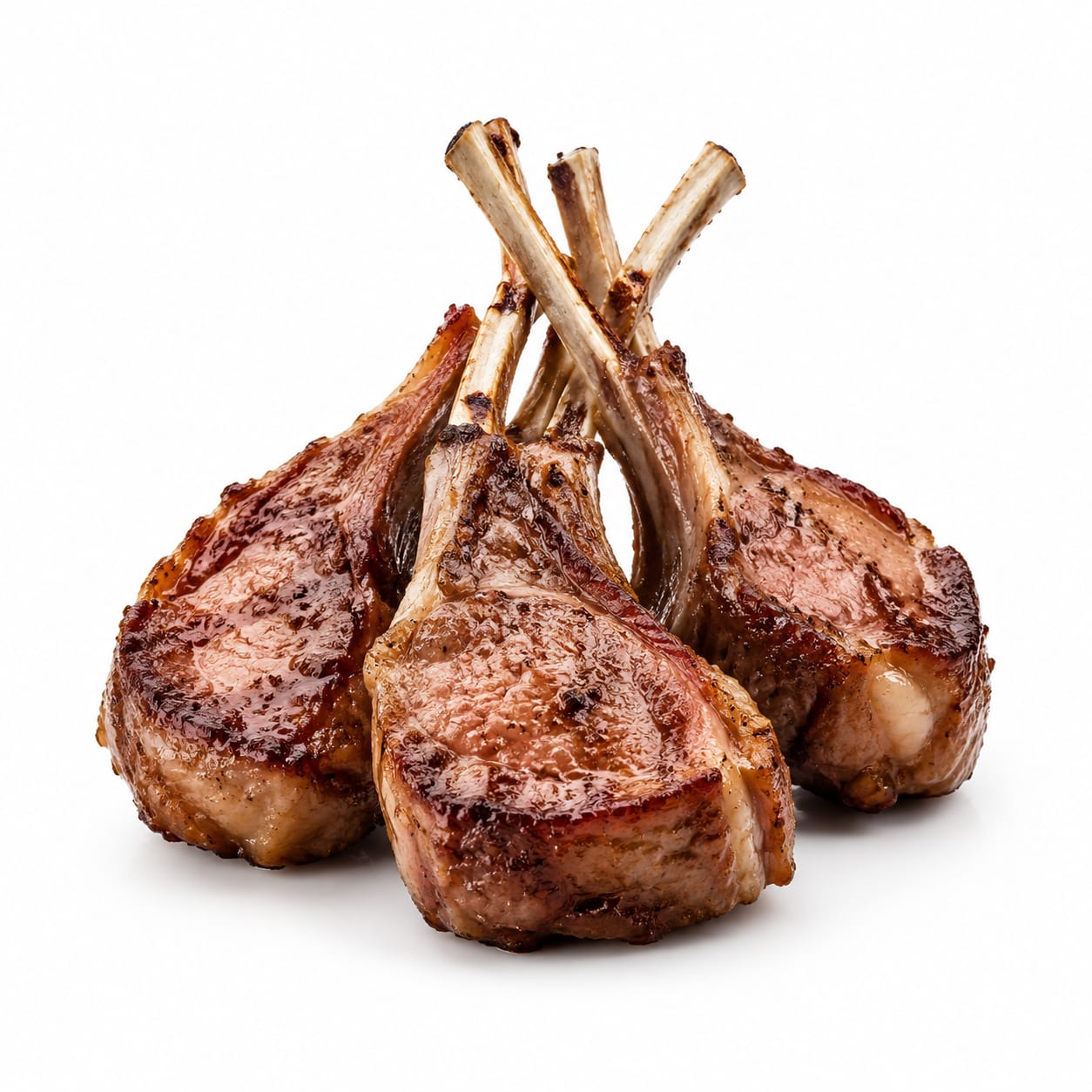
Lamb
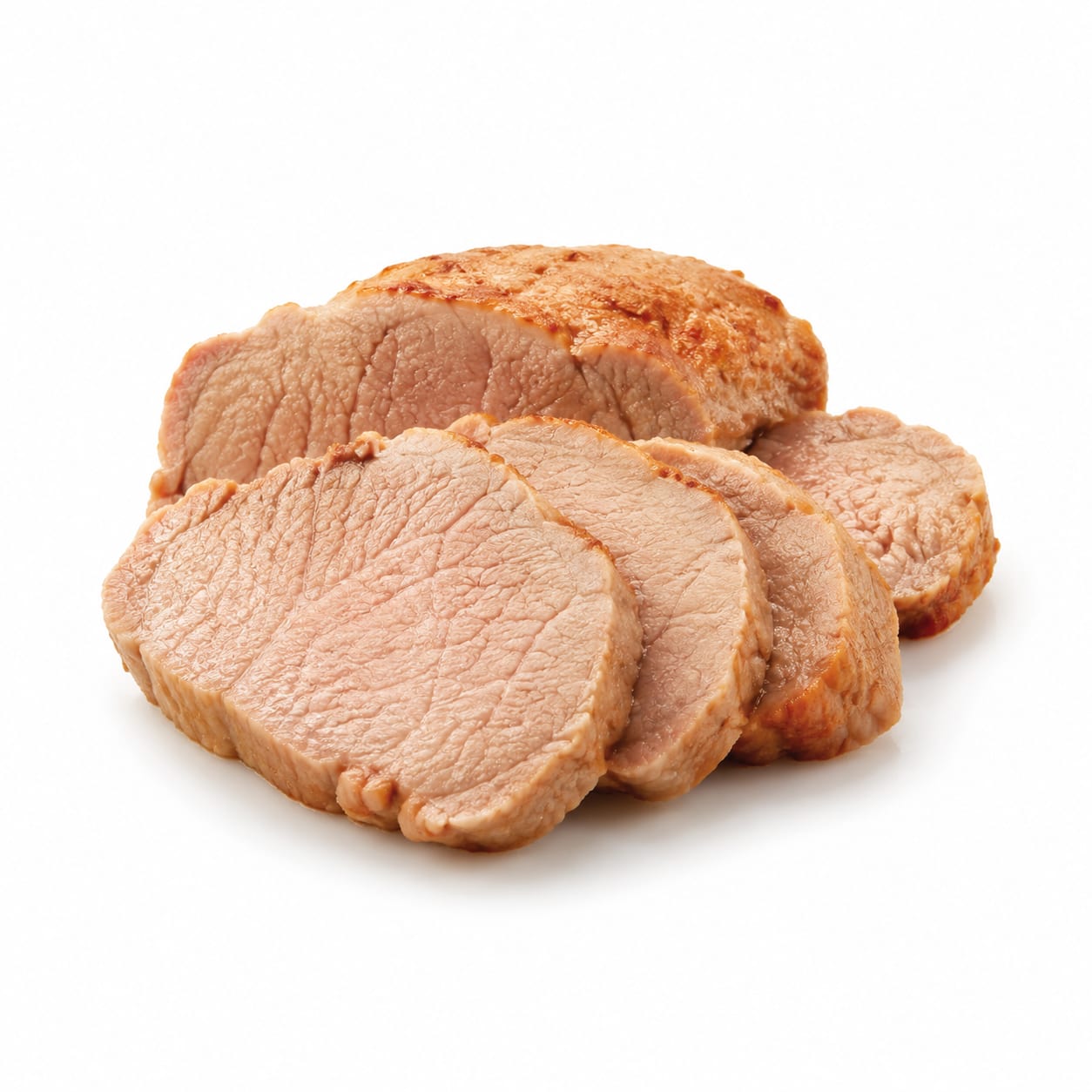
Veal
Lamb wins on nutrition and flavor depth; veal wins on leanness and calorie control. Ethics may tip the scale either way depending on sourcing.
Lamb scores higher due to superior micronutrient density and wider availability of pasture-raised options, but veal's leanness keeps it competitive for specific goals. The close scores reflect that neither is a clear winner — context matters heavily.
More nutrients and flavor (lamb) versus fewer calories and less fat (veal), with animal welfare concerns hanging over both choices differently
At a glance
Executive summary
Overall
It depends
Healthier
It depends
More practical
Lamb
Daily use
It depends
Key comparison lenses
heart health and fat profile
Lamb is significantly higher in saturated fat, making cardiovascular impact the primary concern for most people choosing between these meats
animal welfare and ethical concerns
Veal carries heavy ethical baggage due to traditional crate-raising practices, which influences many consumers more than nutrition alone
micronutrient density
Both are nutrient-dense red meats, but lamb delivers more iron, zinc, and B12 per serving, making it the stronger choice for preventing deficiencies
weight management and calorie control
Veal is notably leaner, offering more protein per calorie, which matters for anyone tracking intake
culinary versatility and flavor
Lamb has a bold, distinctive taste while veal is mild and tender — this shapes how often people actually cook with each
Best choice for
Lamb
- People needing iron and B12 support
- Those who find lean meats unsatisfying
- Home cooks wanting bold, distinctive flavor
- Anyone following a nutrient-dense ancestral-style diet
Veal
- People managing calorie intake carefully
- Those limiting saturated fat for heart health
- Diners who prefer mild, delicate flavors
- Anyone wanting high protein with minimal fat
Least suitable for
Lamb
- People on strict low-fat diets
- Those with gout flare-ups
- Anyone closely managing cholesterol
- Diners who dislike strong gamey flavors
Veal
- Consumers concerned about animal welfare (unless pasture-raised)
- Budget-conscious shoppers
- Those who find lean meats unsatisfying and end up overeating later
- People wanting rich micronutrient density per calorie spent
Deep comparison
Dimension by dimension
Each lens scores both foods and breaks down who each option suits.
- Dimension 1 · Priority 92Veal
fat_profile_and_heart_health
Lamb · 38Veal · 68Veal is significantly leaner with less saturated fat per serving, making it the easier choice for cardiovascular health.
Tradeoff
Lamb provides more omega-3 fatty acids and CLA from grass-feeding, but the total saturated fat load outweighs these benefits for heart-conscious eaters.
Why it matters
Saturated fat intake directly impacts LDL cholesterol. For anyone with heart risk factors, this difference is not trivial.
Real-world impact
A lamb chop can have double the saturated fat of a comparable veal cut — that adds up quickly if red meat is a regular part of your week.
Lamb
- Obtaining beneficial CLA and omega-3 from grass-fed sources
Better for
- Raising LDL cholesterol with regular consumption
- Contributing more to daily saturated fat limits
Worse for
Veal
- Keeping saturated fat intake manageable
- Maintaining healthier cholesterol levels
- Following heart-healthy eating patterns
Better for
- Missing out on beneficial fatty acids found in grass-fed lamb
Worse for
- Dimension 2 · Priority 80Lamb
micronutrient_density
Lamb · 82Veal · 65Lamb delivers more iron, zinc, vitamin B12, and selenium per serving, making it the stronger choice for preventing nutrient gaps.
Tradeoff
You get more nutrients with lamb but also more calories and fat — veal offers decent nutrition with a leaner package.
Why it matters
Iron and B12 deficiencies are surprisingly common, especially among women and older adults. Lamb is one of the most efficient ways to close that gap.
Real-world impact
A single lamb serving can provide over 30% of your daily iron needs, while veal typically delivers 15-20%. That difference matters if you rarely eat red meat.
Lamb
- Preventing iron-deficiency anemia
- Supporting immune function with zinc
- Getting B12 in a highly bioavailable form
Better for
- Nutrients come packaged with more fat
Worse for
Veal
- Getting solid nutrition with fewer calories
Better for
- Lower absolute amounts of key minerals per serving
Worse for
- Dimension 3 · Priority 75Veal
calorie_density_and_weight_management
Lamb · 45Veal · 74Veal provides more protein per calorie, making it more efficient for weight management and body composition goals.
Tradeoff
Lamb's higher fat content makes it more filling per bite, but veal lets you eat a larger portion for the same calories.
Why it matters
If you are tracking calories, veal gives you more volume and protein on your plate for the same energy budget.
Real-world impact
A 6oz veal cutlet runs roughly 200 calories; a similar lamb portion can hit 300+. Over a week, that gap compounds.
Lamb
- Greater satiety per bite due to fat content
Better for
- Calories add up fast with larger or fattier cuts
- Easy to overshoot daily intake
Worse for
Veal
- Larger portions within calorie limits
- Higher protein-to-calorie ratio
- Easier to fit into cutting phases
Better for
- May feel less satisfying without added fats
Worse for
- Dimension 4 · Priority 88Lamb
animal_welfare_and_ethical_sourcing
Lamb · 55Veal · 30Lamb has a meaningful advantage because pasture-raised and grass-fed options are widely available, while veal's reputation remains tied to crate-raising practices.
Tradeoff
Neither is free from ethical concerns, but lamb farming generally allows more natural living conditions. Ethical veal exists but is harder to find and verify.
Why it matters
For many consumers, how the animal was raised matters as much as what's on the nutrition label.
Real-world impact
Most supermarket lamb is grass-fed for at least part of its life. Finding humanely raised veal requires specialty butchers or direct farm sourcing.
Lamb
- Wider availability of pasture-raised options
- Less association with controversial farming practices
Better for
- Still involves slaughter of young animals
- Industrial lamb operations exist
Worse for
Veal
- Pasture-raised veal does exist and supports better farming
Better for
- Strong association with crate-raising and confinement
- Harder to verify ethical sourcing
- Younger age at slaughter raises additional concerns
Worse for
- Dimension 5 · Priority 70Veal
protein_quality_and_muscle_support
Lamb · 72Veal · 80Both provide excellent complete protein, but veal's leanness gives it a slight edge for muscle-building goals where calorie control matters.
Tradeoff
Lamb's protein is slightly less efficient per calorie, but its fat content aids hormone production relevant to muscle growth.
Why it matters
For athletes and active people, protein per calorie and leanness often determine food choices.
Real-world impact
Post-workout, veal delivers clean protein without excess fat. Lamb works too, but the heavier feel may not sit well during intense training periods.
Lamb
- Fat content supports testosterone and hormone production
- More satisfying after heavy training days
Better for
- Extra calories from fat may not align with cutting goals
Worse for
Veal
- Cleaner protein source for lean bulking
- Easier to digest after intense exercise
- Better protein-to-calorie ratio
Better for
- Very lean protein may feel less replenishing
Worse for
- Dimension 6 · Priority 65Lamb
flavor_and_culinary_versatility
Lamb · 82Veal · 60Lamb's bold, distinctive flavor makes it a star ingredient in many cuisines, while veal's mildness is either an advantage or a drawback depending on the dish.
Tradeoff
Lamb stands on its own with minimal seasoning; veal needs more technique and accompaniment to shine.
Why it matters
Flavor satisfaction affects whether you actually cook at home and enjoy your meals — not just nutrition numbers.
Real-world impact
Lamb chops with rosemary and garlic are a simple, impressive meal. Veal piccata requires more skill and ingredients to achieve the same wow factor.
Lamb
- Holds up to bold spices and marinades
- Simple preparations still taste complex
- Widely used in Mediterranean, Middle Eastern, and South Asian cooking
Better for
- Strong flavor is polarizing — some people dislike it intensely
Worse for
Veal
- Works well when you want protein that stays in the background
- Ideal for delicate dishes like veal saltimbocca
Better for
- Can taste bland without careful preparation
- Less forgiving to cook — easy to dry out
Worse for
Timeline
Health impact over time
Short-term
Hours to days
Lamb
- High satiety from fat content keeps you full for hours
- Rich flavor may reduce cravings for other foods later
- Heavier digestion possible, especially with fatty cuts
- Iron delivery supports same-day energy levels
Veal
- Lighter post-meal feeling compared to lamb
- Clean protein delivery without heavy fat load
- May leave you hungry sooner if not paired with other foods
- Easier on digestion for sensitive stomachs
Long-term
Months to years
Lamb
- Regular consumption may raise LDL cholesterol due to saturated fat
- Excellent for maintaining iron and B12 status over decades
- Grass-fed lamb provides beneficial fatty acids with regular intake
- Higher calorie density requires portion awareness to avoid weight gain
Veal
- Leaner profile supports heart health when eaten regularly
- Lower iron content may contribute to deficiencies if relied on exclusively
- Easier to maintain healthy weight with frequent consumption
- Sourcing quality matters — conventional veal may carry antibiotic residues
Risk profile
Safety & processing
Both lamb and veal are whole, minimally processed meats when purchased as fresh cuts. The main concern is not additives but rather farming practices — antibiotics, hormones, and feed quality vary by producer. Grass-fed lamb generally has the cleanest profile. Veal from reputable sources is similarly clean, but conventional operations may use more antibiotics.
Lamb
Pathogen contamination
mediumLike all raw meats, lamb can carry Salmonella and E. coli. Proper cooking to 145°F mitigates this. Ground lamb is higher risk than whole cuts.
Antibiotic residues
lowGrass-fed and pasture-raised lamb typically has minimal antibiotic exposure. Conventional operations may use more, but residue levels are regulated.
Veal
Antibiotic and hormone exposure
mediumConventional veal production has historically used more antibiotics and hormones. Pasture-raised veal avoids most of these concerns.
Pathogen contamination
mediumStandard raw meat risk — cook to 145°F. Veal's leanness means it can dry out before reaching safe temps if not monitored.
Animal welfare-linked quality concerns
mediumStressed, confined animals may have higher cortisol and poorer meat quality. Sourcing from humane farms reduces this.
Who wins for whom
Audience fit
Same foods, different winners depending on your goal.
children
LambLamb's higher iron and B12 content supports growing bodies, and its richer flavor can be more appealing to developing palates when introduced early.
daily consumption
It dependsNeither red meat should be consumed daily according to most health guidelines. If eating red meat 2-3 times per week, veal is gentler on the heart while lamb is more nutrient-dense.
diabetes
VealBoth have zero carbs, but veal's lower saturated fat content is preferable for managing cardiovascular risk that often accompanies diabetes.
elderly
LambOlder adults are at higher risk for iron and B12 deficiency — lamb delivers more of both per serving, and its tenderness when slow-cooked suits aging digestive systems.
muscle gain
VealMore protein per calorie supports lean muscle growth without excess fat intake, though both work well.
weight loss
VealVeal's lower calorie density and higher protein-to-fat ratio make it easier to stay within calorie targets while maintaining satiety.
Your move
Decision guide
Choose Lamb
- You want maximum iron, zinc, and B12 per serving
- Flavor satisfaction is a priority — you enjoy bold, rich tastes
- You can source grass-fed lamb for the best fatty acid profile
- Hearty, filling meals help you avoid snacking later
- You cook Mediterranean, Middle Eastern, or South Asian cuisine regularly
Choose Veal
- You are managing cholesterol or heart risk factors
- Calorie control is your primary goal
- You prefer mild flavors that take on sauces and seasonings
- You can find and afford pasture-raised veal from ethical sources
- You want lean protein after workouts without heavy digestion
Either works if
- You eat red meat only occasionally and want quality over frequency
- You rotate protein sources throughout the week
- Budget allows for premium cuts of either meat
- You are comfortable cooking red meat to proper temperatures
Avoid both if
- You have gout or severe uric acid issues
- Your doctor has recommended eliminating red meat entirely
- You cannot verify sourcing and have concerns about antibiotics
- You follow a plant-based or vegetarian diet
Final recommendation
Choose lamb when nutrient density and flavor matter most — it delivers more iron, zinc, and B12 per bite with a deeply satisfying taste. Choose veal when leanness and calorie control are priorities, especially for heart health or weight management. For either meat, sourcing is critical: grass-fed lamb and pasture-raised veal are worth the premium for both ethics and nutrition. Neither should be a daily staple, but 2-3 servings per week of either can fit into a healthy diet when the rest of your plate is loaded with vegetables and whole grains.
Practical
Consumer tips
- 1
Ask your butcher specifically for grass-fed lamb — the omega-3 and CLA content is meaningfully better than grain-finished
- 2
If buying veal, look for 'pasture-raised' or 'rose veal' labels to avoid crate-raised products
- 3
Slow-cook lamb shoulder or leg for tender results with less fat than rib chops
- 4
Veal cutlets cook fast — 2-3 minutes per side keeps them tender instead of dry
- 5
Pair either meat with iron-absorbing sides like roasted bell peppers or a citrus-dressed salad
- 6
Trim visible fat from lamb cuts to reduce saturated fat by 20-30% without losing flavor
- 7
Freeze lamb for up to 6 months and veal for up to 4 months without quality loss
- 8
Marinate lamb in yogurt-based sauces — the acidity tenderizes and the culture may aid digestion