
Nutrition comparison
Lamb vs Chicken Breast: Which is Healthier for You?
Compare lamb vs chicken breast for protein, fat, iron, and weight loss. Find out which meat is better for your health goals and daily diet.
Overall winner · Chicken Breast
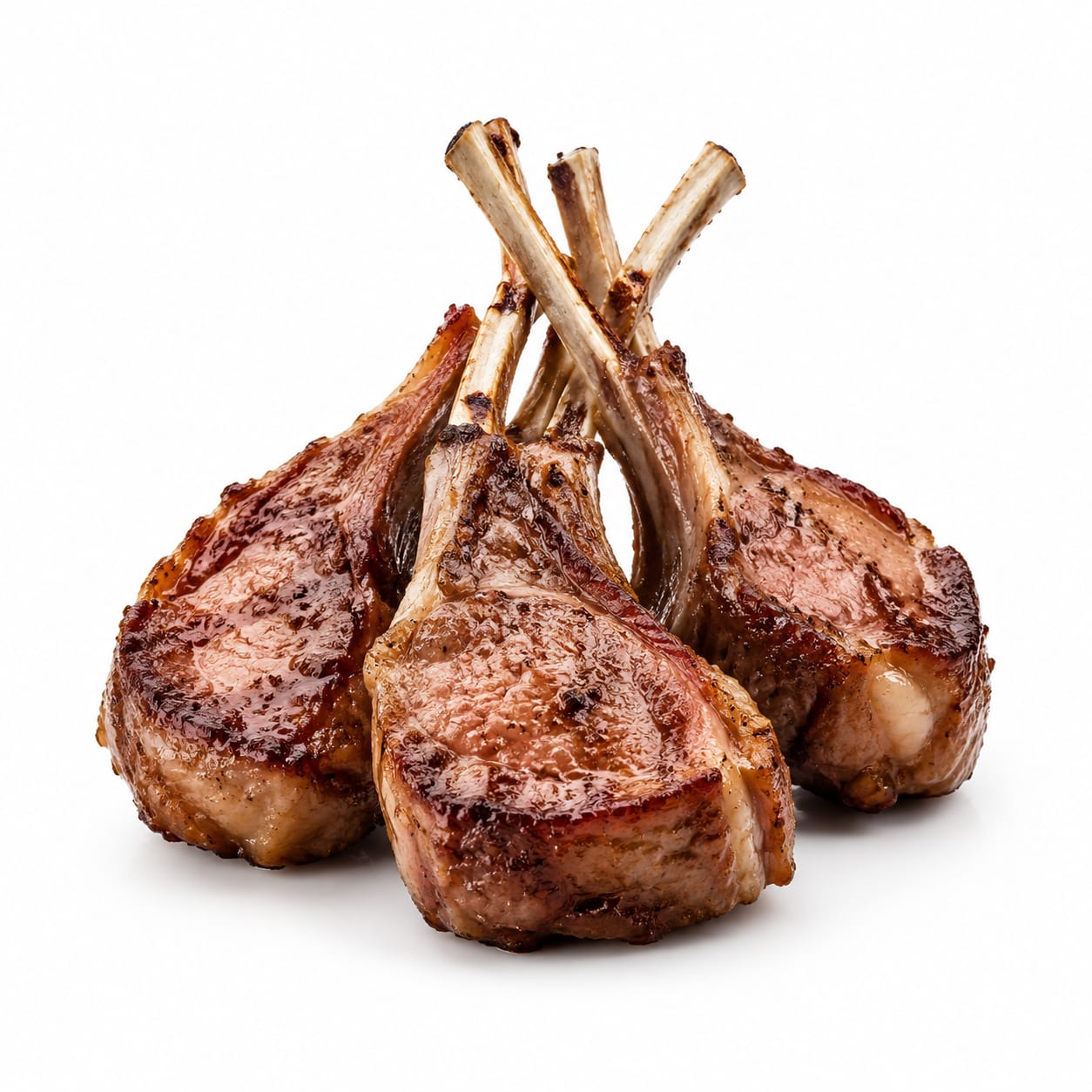
Lamb
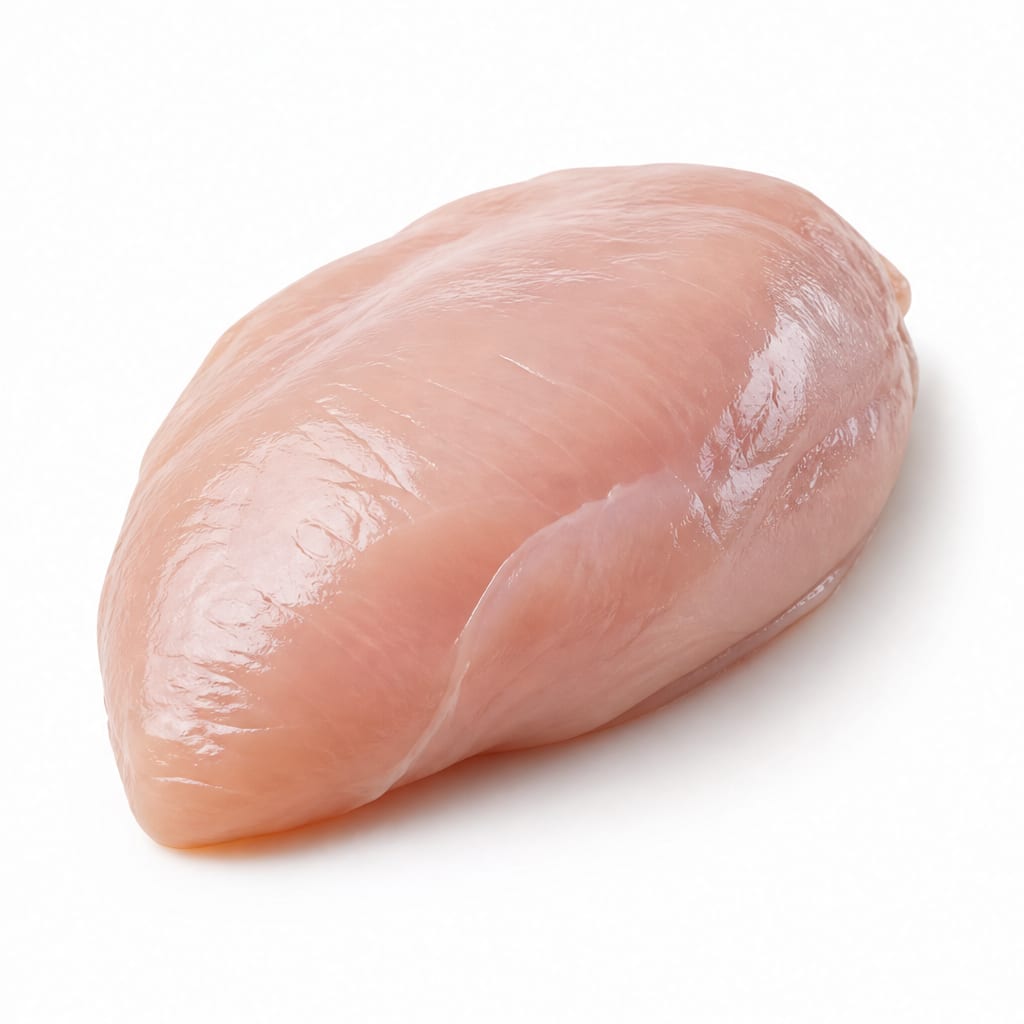
Chicken Breast
Chicken breast wins for everyday lean protein and heart health, but lamb dominates for iron, zinc, and eating satisfaction.
Chicken breast scores higher due to its superior fat profile and versatility for daily health goals. Lamb remains highly valuable but is penalized for higher saturated fat and calorie density, making it less ideal for unrestricted daily consumption.
You trade the micronutrient density and rich flavor of lamb for the calorie efficiency and cardiovascular safety of chicken breast.
At a glance
Executive summary
Overall
Chicken Breast
Healthier
Chicken Breast
More practical
Chicken Breast
Daily use
Chicken Breast
Key comparison lenses
Red meat vs lean poultry health impact
Users are usually weighing the cardiovascular risks of red meat against the leanness of poultry.
Protein quality for muscle building
Both are high-quality animal proteins, but the fat-to-protein ratio drastically changes their utility for body composition.
Micronutrient superiority
Lamb is uniquely rich in heme iron and B12, nutrients where chicken breast falls short.
Everyday practicality and meal versatility
Chicken breast is a daily staple, while lamb is often reserved for specific recipes or occasions.
Best choice for
Lamb
- Preventing or reversing iron-deficiency anemia
- Keto, carnivore, or low-carb diets
- Rich, satisfying weekend meals that prevent cravings
Chicken Breast
- Lean muscle gain without extra calories
- Heart-healthy and low-cholesterol diets
- Daily meal prep and calorie-controlled eating
Least suitable for
Lamb
- People managing high cholesterol or heart disease
- Strict calorie counters
- Those who need a quick-cooking weeknight protein
Chicken Breast
- Individuals with severe iron deficiency
- Those following a high-fat, low-carb diet
- People who struggle with bland, dry proteins
Deep comparison
Dimension by dimension
Each lens scores both foods and breaks down who each option suits.
- Dimension 1 · Priority 92Chicken Breast
Protein Efficiency & Muscle Building
Lamb · 78Chicken Breast · 96Chicken breast provides more protein per calorie, making it the gold standard for lean muscle growth.
Tradeoff
Lamb still offers excellent complete protein, but it comes packaged with significantly more fat and calories.
Why it matters
If you are tracking macros, chicken breast lets you hit high protein targets without blowing past fat limits.
Real-world impact
Eating chicken breast after a workout fuels muscle repair without leaving you feeling sluggish or overly full.
Lamb
- Higher-fat bulking diets where calorie surplus is easy
Better for
- Lean bulking where you want to minimize fat gain
Worse for
Chicken Breast
- Cutting phases where preserving muscle while losing fat is the goal
Better for
- Those who struggle to eat enough calories to maintain weight
Worse for
- Dimension 2 · Priority 90Chicken Breast
Heart Health & Lipid Profile
Lamb · 40Chicken Breast · 92Chicken breast is extremely lean and heart-friendly, while lamb's saturated fat can raise LDL cholesterol.
Tradeoff
You sacrifice the rich micronutrients of lamb to protect your cardiovascular system with chicken.
Why it matters
Frequent saturated fat intake directly impacts heart disease risk over time.
Real-world impact
Choosing chicken breast most days keeps your lipid panel looking clean at your annual checkup.
Lamb
- Diets where cardiovascular risk is not a primary concern
Better for
- People needing to lower their LDL cholesterol
Worse for
Chicken Breast
- Anyone with a family history of heart disease
- Managing high cholesterol or hypertension
Better for
- No real downside here unless the diet lacks other fat sources entirely
Worse for
- Dimension 3 · Priority 85Lamb
Micronutrient Density (Iron, Zinc, B12)
Lamb · 94Chicken Breast · 52Lamb is a powerhouse for heme iron, zinc, and vitamin B12, nutrients where chicken breast falls noticeably short.
Tradeoff
You get vastly superior blood-building nutrients with lamb, but at the cost of higher saturated fat.
Why it matters
Heme iron from meat is absorbed much better than plant iron, making lamb crucial for those prone to anemia.
Real-world impact
Eating lamb a few times a month can dramatically improve energy levels if you struggle with low iron.
Lamb
- Women with heavy menstrual cycles
- Individuals diagnosed with iron-deficiency anemia
Better for
- People who need to restrict iron intake
Worse for
Chicken Breast
- Those with hemochromatosis or iron overload concerns
Better for
- Vegans transitioning to meat who need quick iron replenishment
Worse for
- Dimension 4 · Priority 88Chicken Breast
Calorie Efficiency & Weight Management
Lamb · 48Chicken Breast · 95Chicken breast offers massive portion sizes for very few calories, while lamb is calorie-dense.
Tradeoff
Lamb is more satisfying per bite, but chicken lets you eat a much larger volume for the same calories.
Why it matters
Satiety isn't just about fat content; volume matters too, and chicken wins on volume.
Real-world impact
A 6oz chicken breast fills your plate and stomach for under 200 calories, making dieting feel less restrictive.
Lamb
- Those who prefer small, calorie-dense meals
Better for
- People who mindlessly eat large portions
Worse for
Chicken Breast
- Volume eaters who like large portions
- Anyone in a calorie deficit
Better for
- Those who feel hungry right after low-fat meals
Worse for
- Dimension 5 · Priority 75Lamb
Satiety & Eating Satisfaction
Lamb · 89Chicken Breast · 68Lamb's fat content makes it deeply satisfying and less likely to trigger post-meal cravings.
Tradeoff
Chicken breast is filling due to volume, but its lack of fat can leave you wanting more flavor or snacks later.
Why it matters
Meals that feel indulgent and satisfying are easier to stick with long-term.
Real-world impact
A lamb dinner feels like a complete, comforting meal, reducing the urge to hunt for dessert an hour later.
Lamb
- Emotional eaters who need meals to feel indulgent
- Those doing one-meal-a-day (OMAD) protocols
Better for
- People who feel overly sluggish after heavy meals
Worse for
Chicken Breast
- Those who prefer grazing or eating multiple small meals
Better for
- Dieters who feel deprived on bland food
Worse for
Timeline
Health impact over time
Short-term
Hours to days
Lamb
- High satiety and long-lasting fullness
- Heavier digestion, sometimes causing sluggishness
- Quick replenishment of energy if iron stores are low
Chicken Breast
- Light, clean energy without digestive heaviness
- Rapid muscle repair after exercise
- Potential hunger returning faster if not paired with healthy fats
Long-term
Months to years
Lamb
- Excellent maintenance of iron and B12 stores
- Increased cardiovascular risk if consumed too frequently
- Potential contribution to weight gain if portions are unchecked
Chicken Breast
- Supports healthy cholesterol and blood pressure levels
- Risk of iron deficiency if used as the sole protein source
- Easier long-term weight maintenance due to low calorie density
Risk profile
Safety & processing
Both lamb and chicken breast are whole, minimally processed animal proteins. The main concern isn't additives, but rather how the animals were raised, which affects the fat profile and contaminant levels.
Lamb
Heterocyclic amines (HCAs) from high-heat cooking
mediumCharring lamb at high temperatures creates compounds linked to cancer. Marinating and avoiding well-done charring reduces this.
Saturated fat overconsumption
mediumNot a contamination risk, but a metabolic hazard. Regular overconsumption stresses the cardiovascular system over time.
Chicken Breast
Salmonella and Campylobacter bacteria
highRaw chicken is a major carrier of foodborne illness. Strict kitchen hygiene and cooking to 165°F is mandatory.
Antibiotic residues
lowConventional chicken farming uses antibiotics, which can contribute to resistant bacteria. Choosing organic reduces this risk.
Who wins for whom
Audience fit
Same foods, different winners depending on your goal.
children
LambGrowing children greatly benefit from the high heme iron, zinc, and B12 in lamb, which are crucial for brain development and growth.
daily consumption
Chicken BreastChicken breast is mild, versatile, and lean enough to be eaten daily without negatively impacting heart health or calorie budgets.
diabetes
Chicken BreastChicken breast has zero carbs and very low saturated fat, which is better for insulin sensitivity and cardiovascular health in diabetics.
elderly
Chicken BreastOlder adults need heart-protective foods and easy-to-chew proteins. Chicken breast supports cardiovascular health without heavy saturated fat.
muscle gain
Chicken BreastWhile both work, chicken breast provides pure protein without extra calories, making it easier to build lean mass without gaining fat.
weight loss
Chicken BreastChicken breast's low calorie and fat content make it the ultimate weight loss protein, allowing for larger portions and easier macro tracking.
Your move
Decision guide
Choose Lamb
- You have been diagnosed with low iron or B12 deficiency
- You follow a keto or low-carb lifestyle and need satisfying fats
- You want a rich, comforting meal that prevents late-night snacking
Choose Chicken Breast
- You are trying to lose weight or lower your body fat percentage
- Heart health and cholesterol management are your top priorities
- You need a versatile, daily protein that fits into any meal prep
Either works if
- You simply need high-quality complete protein after a workout
- You are mixing up your protein sources to get a broad nutrient spectrum
Avoid both if
- You have severe gout and need to limit purines
- You are following a strict plant-based or vegan diet
Final recommendation
Make chicken breast your daily driver for lean, heart-healthy protein, but strategically incorporate lamb once a week or so to cover your iron and B12 needs. This balance gives you the best of both worlds without the drawbacks of either.
Practical
Consumer tips
- 1
Trim visible fat off lamb chops before cooking to significantly drop the saturated fat content.
- 2
Marinate chicken breast in yogurt or olive oil to keep it moist and prevent it from drying out during cooking.
- 3
Pair chicken breast with spinach or lentils to make up for its lack of iron.
- 4
Cook lamb to medium-rare to avoid charring, which reduces carcinogenic compounds and keeps the meat tender.
- 5
Buy organic or pasture-raised chicken whenever possible to minimize antibiotic and arsenic exposure.