
Nutrition comparison
Lamb vs Pork: Which Red Meat Is Healthier for You?
Compare lamb and pork on nutrition, saturated fat, processing risks, and cost. Learn which meat fits your health goals and when to choose each.
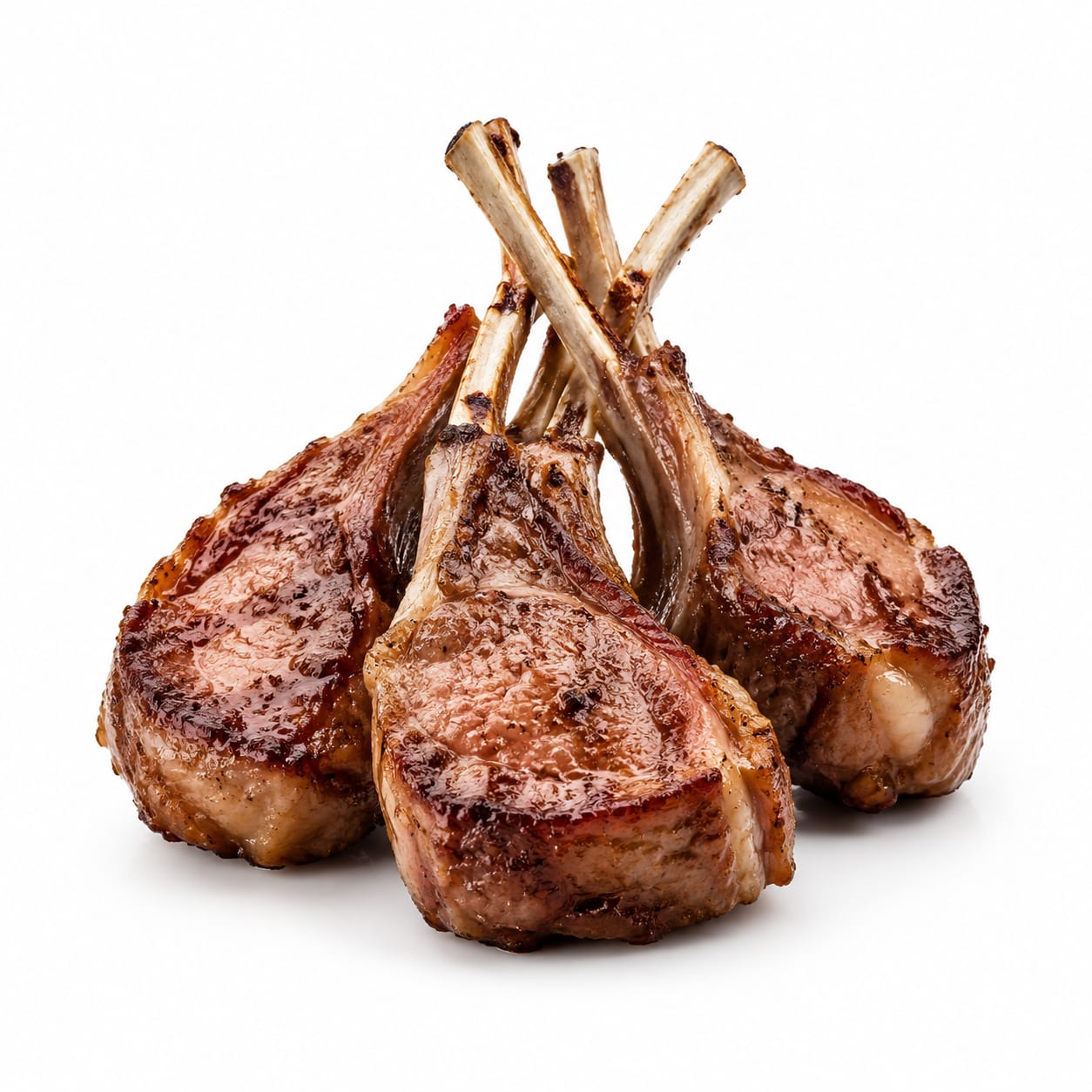
Lamb
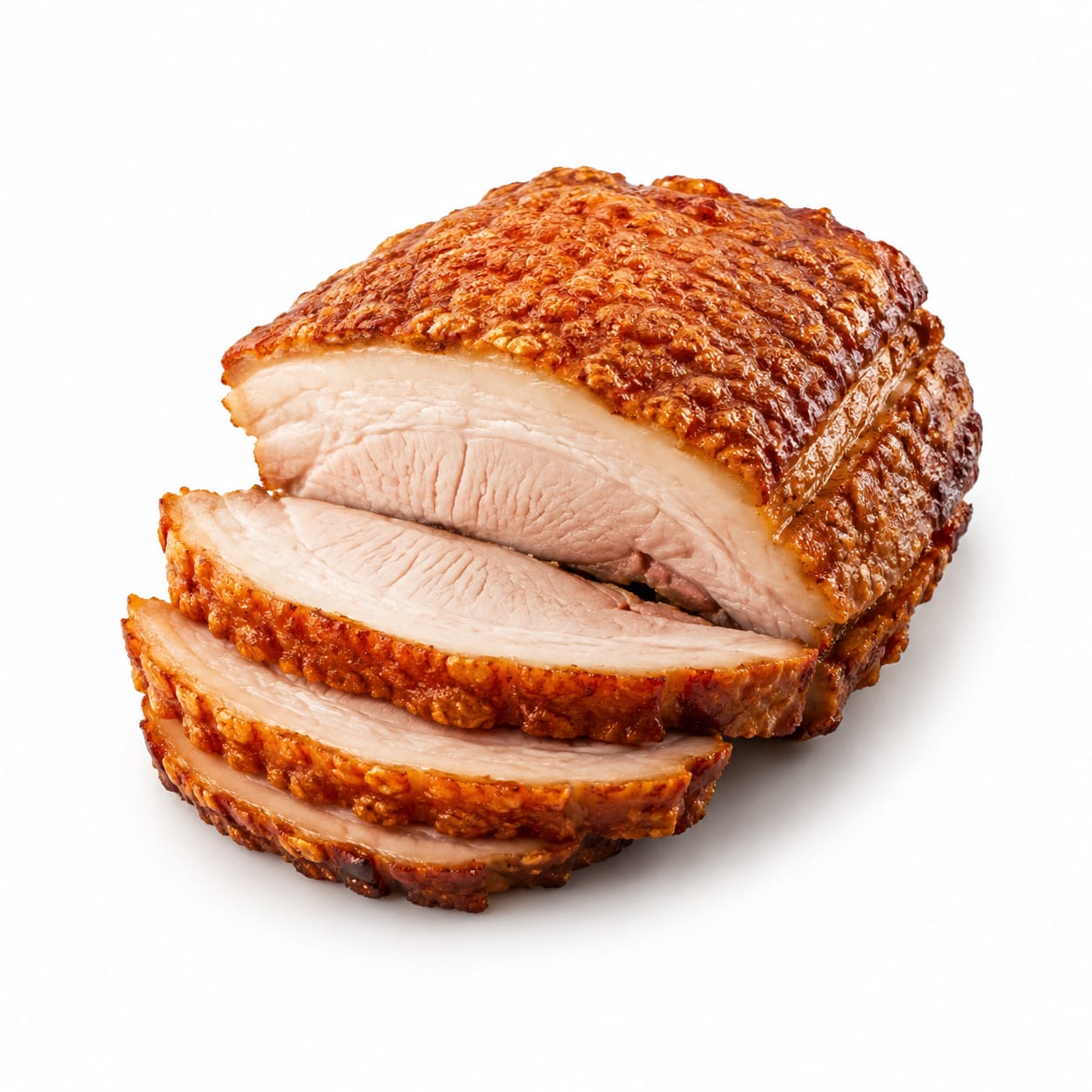
Pork
Lamb wins on micronutrient density and cleaner processing, but pork wins on affordability, leanness in select cuts, and everyday practicality.
Lamb edges ahead on micronutrient density and lower processing risk, but pork's affordability and lean cut options keep it competitive. The close scores reflect that both are red meats with meaningful saturated fat concerns, and the better choice depends heavily on cut selection and preparation.
Lamb gives you more B12, zinc, and iron with fewer processing concerns, but costs more and carries more saturated fat. Pork is cheaper and leaner in certain cuts, but processed forms carry significant health risks.
At a glance
Executive summary
Overall
It depends
Healthier
It depends
More practical
Pork
Daily use
Pork
Key comparison lenses
Saturated fat and heart health comparison
Both red meats carry saturated fat concerns, but lamb typically has more, making cardiovascular impact the primary decision factor
Processing and contamination safety
Pork is far more commonly processed into bacon, ham, and sausage, introducing nitrates and carcinogenic risks that lamb rarely carries
Micronutrient density and bioavailability
Lamb delivers significantly more B12, zinc, and heme iron, while pork excels in thiamin, making nutritional tradeoffs highly relevant
Antibiotic and farming practice concerns
Conventional pork farming relies heavily on antibiotics, while lamb production generally uses fewer, raising different safety profiles
Cost and everyday practicality
Pork is substantially cheaper and more available, making it the default weekly protein for many households
Best choice for
Lamb
- People needing B12 or iron support
- Those avoiding processed meats entirely
- Individuals prioritizing nutrient density over cost
- Grass-fed and pasture-raised meat seekers
Pork
- Budget-conscious families
- People choosing lean protein cuts like tenderloin
- Those who want versatile everyday cooking options
- Meal preppers needing affordable protein
Least suitable for
Lamb
- People strictly limiting saturated fat
- Budget-restricted households
- Those with gout flare-ups
- Anyone needing lean daily protein
Pork
- People avoiding processed meats and nitrates
- Those concerned about antibiotic exposure
- Individuals with religious dietary restrictions
- Anyone prioritizing micronutrient density per calorie
Deep comparison
Dimension by dimension
Each lens scores both foods and breaks down who each option suits.
- Dimension 1 · Priority 95Pork
Saturated Fat and Heart Health
Lamb · 35Pork · 50Lamb typically contains more saturated fat per serving than pork, especially in common cuts like shoulder and rib chops.
Tradeoff
Pork's leaner cuts like tenderloin and loin chops deliver significantly less saturated fat, but popular pork cuts like belly and ribs are just as heavy.
Why it matters
Regular high saturated fat intake raises LDL cholesterol and increases heart disease risk over time, making cut selection critical for both meats.
Real-world impact
Choosing pork tenderloin over lamb shoulder a few times a week can meaningfully reduce your saturated fat load without sacrificing protein.
Lamb
- Those who eat red meat only occasionally and want maximum nutrient density per meal
Better for
- People with existing heart disease or high LDL cholesterol
Worse for
Pork
- People managing cholesterol who still want red meat occasionally
- Anyone eating meat multiple times per week
Better for
- Those who default to fatty cuts like pork belly or spare ribs
Worse for
- Dimension 2 · Priority 90Lamb
Micronutrient Density
Lamb · 82Pork · 60Lamb delivers substantially more vitamin B12, zinc, and heme iron than pork, making it a stronger micronutrient package per serving.
Tradeoff
Pork provides far more thiamin (B1) than lamb, which supports energy metabolism, but falls short on the minerals most people are actually deficient in.
Why it matters
B12 and iron deficiencies are common, especially among women and older adults. Lamb covers these gaps more effectively.
Real-world impact
A single lamb serving can provide over 100% of daily B12 needs and a significant iron boost, while pork would require supplementation or additional food sources.
Lamb
- Women with low iron or ferritin levels
- Older adults at risk for B12 deficiency
- Anyone recovering from blood loss or anemia
Better for
- Those with hemochromatosis or iron overload conditions
Worse for
Pork
- People whose diets are already rich in B12 and iron from other sources
Better for
- Vegetarians transitioning back to meat who need maximum nutrient recovery
Worse for
- Dimension 3 · Priority 88Lamb
Processing and Carcinogenic Risk
Lamb · 75Pork · 40Lamb is almost always consumed fresh or frozen, while pork is frequently processed into bacon, ham, sausage, and cured products linked to cancer.
Tradeoff
Fresh pork cuts carry similar risk profiles to lamb, but the sheer prevalence of processed pork products in everyday diets makes overall exposure much higher.
Why it matters
The WHO classifies processed meats as Group 1 carcinogens. Regular bacon or deli ham consumption measurably increases colorectal cancer risk.
Real-world impact
Someone eating bacon three times a week and ham sandwiches for lunch faces substantially higher cancer risk than someone eating lamb chops twice a week.
Lamb
- Anyone actively reducing processed meat intake
- People concerned about long-term cancer risk
Better for
- Occasional consumers who rarely eat processed meats anyway
Worse for
Pork
- Those who strictly choose fresh pork cuts and avoid all processed forms
Better for
- Regular bacon, sausage, or deli meat eaters
- Children consuming hot dogs and ham frequently
Worse for
- Dimension 4 · Priority 80Lamb
Antibiotic and Farming Concerns
Lamb · 60Pork · 40Conventional pork production uses significantly more antibiotics than lamb farming, raising concerns about antibiotic resistance and residue exposure.
Tradeoff
Lamb farming is not perfect, but sheep generally require fewer antibiotics and are more likely to be pasture-raised, especially in certain regions.
Why it matters
Antibiotic overuse in livestock contributes to resistant bacteria that can infect humans, and residues may disrupt gut microbiome health.
Real-world impact
Choosing lamb from pasture-raised sources reduces your antibiotic exposure footprint compared to conventionally farmed pork.
Lamb
- People prioritizing cleaner meat sourcing
- Those concerned about antibiotic resistance
Better for
- Those assuming all lamb is automatically pasture-raised without verification
Worse for
Pork
- Consumers who can access and afford certified organic pork
Better for
- Anyone buying conventional pork without checking sourcing practices
Worse for
- Dimension 5 · Priority 75Pork
Cost and Everyday Practicality
Lamb · 35Pork · 80Pork is significantly cheaper than lamb across nearly all cuts and far more available in standard grocery stores.
Tradeoff
Lamb's higher cost limits it to occasional meals for most households, while pork can serve as an affordable weekly protein staple.
Why it matters
Cost is often the real deciding factor. A protein you can afford to eat regularly matters more than one you can only enjoy rarely.
Real-world impact
A family of four can eat pork two to three times a week for the same budget as one weekly lamb meal.
Lamb
- Special occasion meals where quality matters more than cost
Better for
- Households with tight grocery budgets
- Anyone needing affordable daily protein
Worse for
Pork
- Weekly meal planning on a budget
- Families needing affordable protein options
- Bulk cooking and meal prepping
Better for
- Special dinners where a premium cut is desired
Worse for
- Dimension 6 · Priority 70Pork
Cooking Versatility
Lamb · 55Pork · 78Pork adapts to far more cooking methods and cuisines, from grilling chops to slow-roasting shoulder to stir-frying strips.
Tradeoff
Lamb has a distinctive flavor that works beautifully in specific dishes but limits its range. Not everyone enjoys its taste, and it dominates any dish it enters.
Why it matters
A protein you can cook many ways reduces meal fatigue and makes healthy eating easier to sustain long-term.
Real-world impact
Pork tenderloin can be roasted, sliced for sandwiches, cubed for stir-fry, or grilled. Lamb chops basically get grilled or roasted.
Lamb
- Fans of Mediterranean, Middle Eastern, or Indian cuisine
- Those who love lamb's distinctive flavor
Better for
- Picky eaters unfamiliar with lamb's stronger taste
- Those wanting neutral-flavored meat for varied recipes
Worse for
Pork
- Home cooks wanting one protein for many recipes
- Families with diverse taste preferences
Better for
- Cooks specializing in lamb-centric traditional cuisines
Worse for
Timeline
Health impact over time
Short-term
Hours to days
Lamb
- High satiety from protein and fat content keeps you full for hours
- Rich heme iron provides noticeable energy support for deficient individuals
- Heavy fat content can feel overly filling or sluggish-inducing in large portions
Pork
- Lean cuts provide satisfying protein without heavy post-meal fatigue
- Processed forms like bacon cause quick satisfaction followed by cravings for more salty food
- High sodium in cured pork products can cause bloating and thirst
Long-term
Months to years
Lamb
- Consistent B12 and iron intake supports neurological health and prevents anemia
- High saturated fat intake with frequent consumption raises cardiovascular risk over years
- CLA from grass-fed lamb may offer anti-inflammatory benefits when sourced well
Pork
- Regular processed pork consumption increases colorectal cancer risk measurably over time
- Lean fresh pork as a staple protein can support muscle maintenance without excessive saturated fat
- Antibiotic exposure from conventional pork may contribute to gut microbiome disruption with chronic intake
Risk profile
Safety & processing
Lamb is overwhelmingly sold as fresh or frozen cuts with minimal intervention. Pork spans a wide spectrum from clean fresh cuts to heavily processed products loaded with nitrates, sodium, and preservatives. The processing gap is the starkest difference between these two meats.
Lamb
Parasitic contamination
lowModern farming has made tapeworm and other parasite infections from lamb extremely rare in developed countries, but undercooking still carries some risk.
Heavy metal accumulation
lowLamb can accumulate cadmium from grazing soil over time, particularly in kidney and liver cuts, but muscle meat exposure is minimal.
Pork
Trichinosis and parasite exposure
lowOnce a major concern, trichinosis from commercially raised pork is now extremely rare in developed nations, though wild boar still carries risk.
Nitrates and nitrites in processed forms
highBacon, ham, hot dogs, and sausage contain added nitrates that form carcinogenic nitrosamines during cooking, especially at high heat.
Antibiotic residues
mediumConventional pork farming uses more antibiotics than almost any other livestock sector, raising concerns about resistant bacteria and residue exposure.
Who wins for whom
Audience fit
Same foods, different winners depending on your goal.
children
PorkMilder-flavored pork is more widely accepted by kids, and lean cuts provide growing bodies with protein and B vitamins without overwhelming fat.
daily consumption
PorkPork's lower cost, wider availability, and leaner cut options make it more sustainable as a regular protein, provided you stick to fresh cuts and avoid processed forms.
diabetes
PorkLean pork cuts have minimal impact on blood sugar and less saturated fat, which matters for the cardiovascular risks that accompany diabetes.
elderly
LambLamb's superior B12, zinc, and iron content addresses the deficiencies most common in older adults, and its tenderness when slow-cooked suits aging digestion.
muscle gain
It dependsBoth provide complete high-quality protein. Lamb offers slightly more protein per serving with added micronutrients for recovery, while pork's leanness allows larger portions without excessive fat.
weight loss
PorkPork tenderloin and loin chops provide high protein with less fat and fewer calories than most lamb cuts, making portion control easier.
Your move
Decision guide
Choose Lamb
- You want maximum B12, iron, and zinc per serving
- You rarely eat red meat and want the most nutrient-dense option when you do
- You avoid processed meats and want a fresh-only protein
- You cook Mediterranean, Middle Eastern, or Indian cuisine regularly
- You can afford premium meat and prioritize quality over quantity
Choose Pork
- You need affordable protein for weekly meals
- You're willing to choose lean cuts like tenderloin and loin chops
- You want versatile meat that works across many recipes
- You're cooking for a family with diverse preferences
- You're monitoring saturated fat but still want red meat occasionally
Either works if
- You're eating red meat only once or twice a week
- You pair meat with plenty of vegetables and whole grains
- You source both from high-quality, pasture-raised producers
- You vary your protein sources across fish, poultry, and legumes
Avoid both if
- You have active gout or severe uric acid issues
- Your doctor has advised eliminating red meat entirely
- You have diagnosed cardiovascular disease and need to minimize all saturated fat
- You follow a plant-based diet for health or ethical reasons
Final recommendation
If budget allows and you eat red meat occasionally, lamb delivers more nutritional value per meal with fewer processing concerns. For everyday eating, lean pork cuts are the more practical and affordable choice, but strictly avoid the processed forms like bacon, sausage, and deli ham that carry real health risks. The most important decision is not lamb versus pork, but fresh versus processed.
Practical
Consumer tips
- 1
For pork, always choose tenderloin or loin chops over belly, ribs, or shoulder to keep saturated fat manageable.
- 2
If buying lamb, leg and loin cuts are leaner than shoulder or rib chops, which can be surprisingly fatty.
- 3
Whatever meat you choose, a palm-sized portion with double the volume in vegetables is the healthiest plate ratio.
- 4
Freezing lamb or pork does not reduce nutritional value, so buy in bulk when prices drop.
- 5
If you eat bacon or sausage, treat it as an occasional indulgence, not a breakfast staple.
- 6
Look for 'no antibiotics' or 'organic' labels on pork to reduce your exposure to farming chemicals.
- 7
Marinating lamb in herbs like rosemary and garlic before grilling reduces harmful compound formation during cooking.
- 8
Slow-cooking either meat makes tougher lean cuts tender without adding fat.