
Nutrition comparison
Beef vs Lamb: Which Red Meat Is Healthier for You?
Compare beef and lamb on protein, fat, nutrients, and health risks. Learn which red meat fits your goals better and how often you should eat either one.
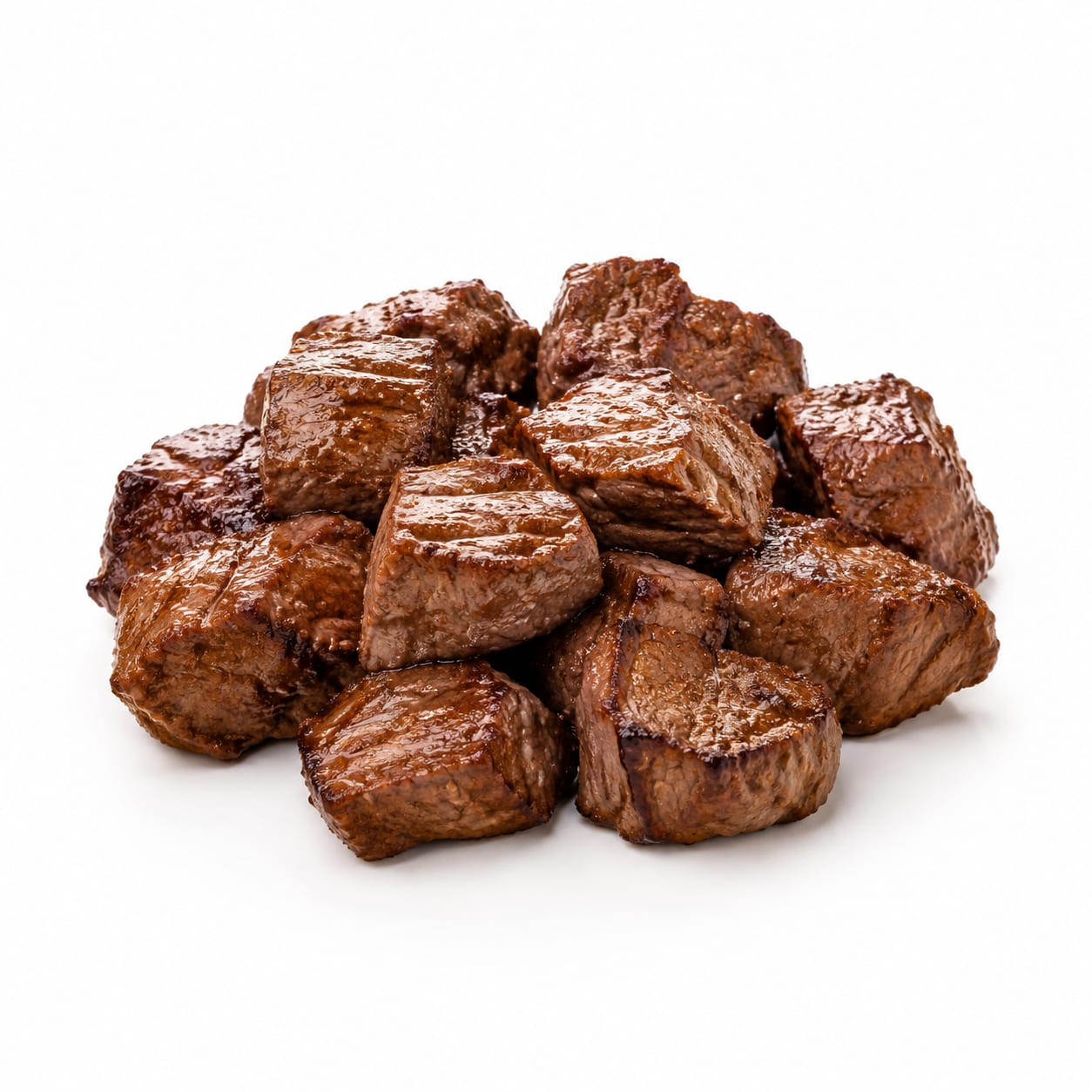
Beef
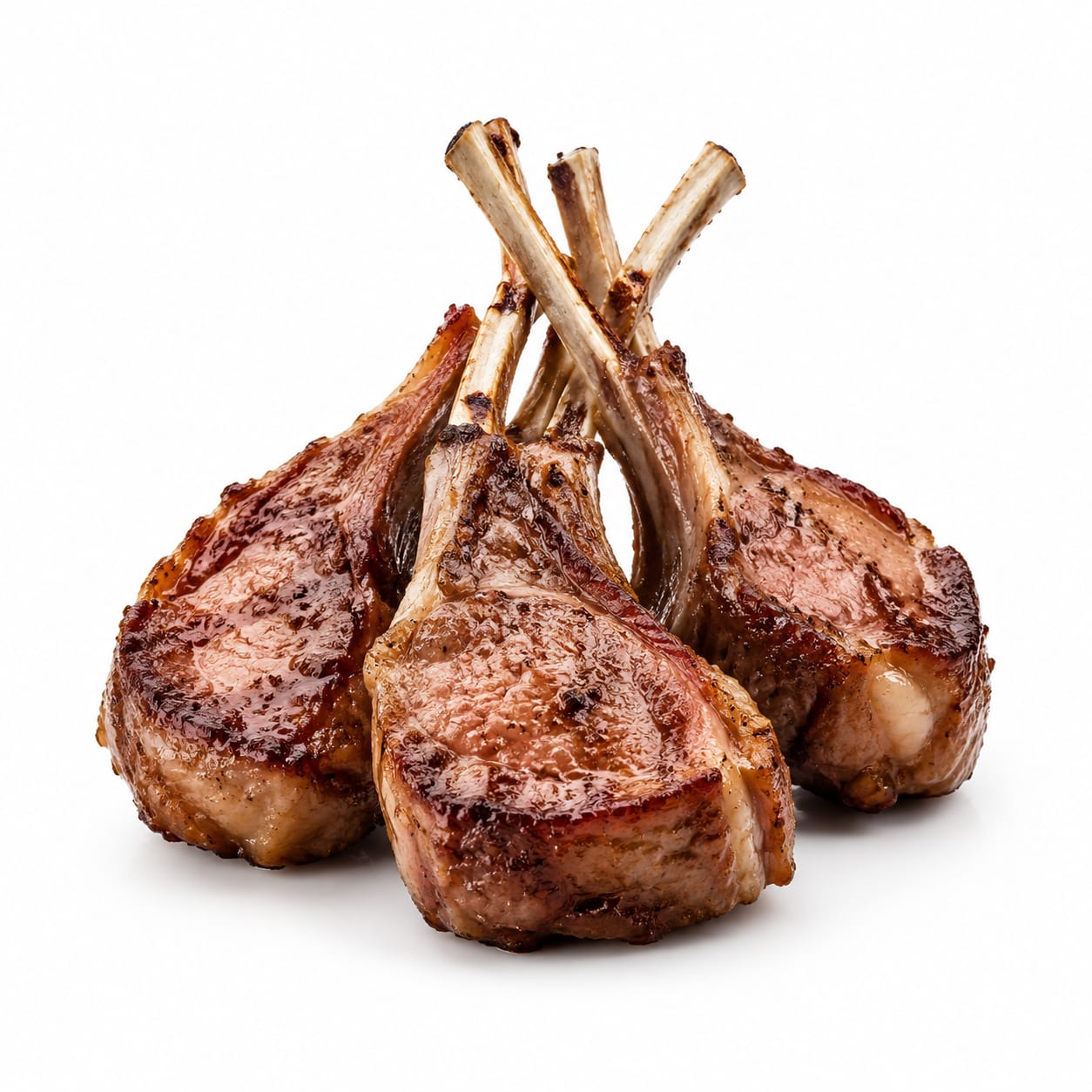
Lamb
Beef offers more protein, better zinc, and wider availability. Lamb delivers more omega-3s, higher CLA, and is more likely grass-fed. Neither is a clear winner—your choice depends on what you prioritize.
Beef edges ahead slightly due to higher protein density, lower fat options, and everyday practicality. Lamb competes strongly on fat quality and likelihood of grass-fed sourcing. Both lose points for being red meats with established long-term health concerns when consumed frequently.
Beef gives you leaner protein options and easier daily use. Lamb gives you a potentially cleaner fat profile but at higher calorie cost and less convenience.
At a glance
Executive summary
Overall
It depends
Healthier
It depends
More practical
Beef
Daily use
Beef
Key comparison lenses
protein quality and muscle-building potential
Both are premium protein sources; users want to know which delivers better results for strength and recovery
fat profile and heart health impact
Red meat fat composition is a top concern; lamb tends to be fattier with different fatty acid ratios
long-term disease risk including cancer and cardiovascular
Both are red meats with established health concerns; users need honest tradeoff analysis
nutrient density and micronutrient advantages
Iron, B12, zinc, and CLA content differ meaningfully between these meats
sourcing and contamination concerns
Antibiotic use, hormone exposure, and grass-fed availability vary significantly
culinary versatility and everyday practicality
Beef is more versatile and available; lamb is more niche and often pricier
Best choice for
Beef
- Maximizing protein intake per calorie
- Budget-conscious meal prep
- Everyday cooking versatility
- Higher zinc and B12 needs
- Athletes tracking macros closely
Lamb
- Prioritizing grass-fed and pasture-raised meat
- Seeking more omega-3s from red meat
- Conjugated linoleic acid (CLA) benefits
- Enjoying richer, more distinctive flavor
- Supporting smaller-scale farming systems
Least suitable for
Beef
- People avoiding conventionally raised meat with antibiotics
- Those seeking highest omega-3 intake from meat
- Diners wanting a milder, less common flavor
Lamb
- Strict calorie or fat budgeting
- Frequent daily consumption on a budget
- Those who dislike strong gamey flavors
Deep comparison
Dimension by dimension
Each lens scores both foods and breaks down who each option suits.
- Dimension 1 · Priority 92Beef
protein density and quality
Beef · 88Lamb · 78Beef delivers more protein per ounce and per calorie, especially lean cuts like sirloin or eye of round.
Tradeoff
Lamb still provides complete high-quality protein with all essential amino acids, but you get less protein per serving due to higher fat content.
Why it matters
If you are tracking protein targets for muscle gain or satiety, beef stretches further per calorie.
Real-world impact
A 4oz serving of lean beef gives roughly 28g protein vs 22-25g for the same portion of lamb. Over a week, that gap adds up.
Beef
- Hitting high protein targets without excess calories
- Post-workout meals where protein density matters most
- Meal prep where consistent macro tracking is important
Better for
- People who find lean beef cuts too dry or less satisfying
Worse for
Lamb
- Meals where satisfaction and flavor matter more than macro precision
Better for
- Anyone counting protein grams closely while managing fat intake
Worse for
- Dimension 2 · Priority 88Lamb
fat profile and heart health
Beef · 55Lamb · 65Lamb typically has more fat overall, but a higher proportion comes from healthier fatty acids including omega-3s and CLA, especially when grass-fed.
Tradeoff
Lamb's better fat ratio comes with more total fat and calories. Beef offers leaner cuts but conventionally raised beef has a less favorable fat profile.
Why it matters
The type of fat matters more than total fat for heart health, but total calories still count for weight management.
Real-world impact
Grass-fed lamb can have 2-3x more omega-3s than conventional beef. But a lamb chop also packs significantly more calories than a lean beef sirloin.
Beef
- Controlling total fat and calorie intake
- Choosing ultra-lean cuts like eye of round or tenderloin
Better for
- Conventional grain-finished beef has lower omega-3 and higher inflammatory omega-6
Worse for
Lamb
- Getting more anti-inflammatory omega-3s from red meat
- Benefiting from CLA which may support body composition
- Those prioritizing fat quality over quantity
Better for
- Higher total fat makes portion control harder
- Calorie-dense cuts can quietly push you over daily targets
Worse for
- Dimension 3 · Priority 80Beef
micronutrient density
Beef · 82Lamb · 76Beef wins on zinc, B12, and selenium. Lamb holds its own with iron, B12, and niacin but slightly trails on the minerals most people seek from red meat.
Tradeoff
Both are excellent sources of heme iron and B12. Beef has a clearer edge on zinc, which matters for immunity and testosterone.
Why it matters
If you eat red meat partly for micronutrients, beef delivers more of the hard-to-get minerals per serving.
Real-world impact
A single serving of beef covers roughly 70% of your B12 needs and 50% of zinc. Lamb covers similar B12 but closer to 35% of zinc.
Beef
- Zinc replenishment for immune support and hormonal health
- B12 needs for energy and nervous system function
- Selenium intake for thyroid and antioxidant defense
Better for
- People who already get plenty of zinc from other sources may not need the extra
Worse for
Lamb
- Niacin intake for energy metabolism
- Heme iron absorption (comparable to beef)
Better for
- Slightly less efficient at delivering the minerals most people lack
Worse for
- Dimension 4 · Priority 75Lamb
sourcing quality and contamination risk
Beef · 52Lamb · 70Lamb in most markets is more likely to be grass-fed and pasture-raised. Conventionally raised beef faces more antibiotic and hormone exposure.
Tradeoff
Lamb's cleaner sourcing comes with higher prices and less availability. Grass-fed beef exists but is harder to find and more expensive.
Why it matters
Antibiotic and hormone exposure from meat is a real concern for long-term health, even at low levels.
Real-world impact
Most US lamb is grass-finished, while most US beef is grain-finished with routine antibiotic use. If sourcing matters to you, lamb has a structural advantage.
Beef
- Wider availability of organic and grass-fed labeled options if you seek them out
- More transparent labeling standards overall
Better for
- Conventional beef often involves hormone implants and subtherapeutic antibiotics
- Grain-finished beef has a less favorable nutritional profile
Worse for
Lamb
- Higher likelihood of grass-fed and pasture-raised by default
- Less routine antibiotic use in lamb production
- No hormone implants commonly used in US lamb production
Better for
- Less regulatory oversight and labeling consistency in some markets
- Harder to verify specific sourcing claims for imported lamb
Worse for
- Dimension 5 · Priority 85It depends
long-term health risk
Beef · 45Lamb · 45Both are red meats carrying similar risks for heart disease and colorectal cancer when consumed frequently. Neither has a meaningful safety advantage.
Tradeoff
Moderation matters far more than choosing between these two. Eating either multiple times per week increases health risk similarly.
Why it matters
The red meat and cancer link applies to both equally. Your portion size and frequency matter more than which animal it came from.
Real-world impact
Eating red meat more than 3 times per week raises colorectal cancer risk regardless of whether it is beef or lamb. Both should be occasional, not daily, proteins.
Beef
- Lean beef cuts at least let you limit saturated fat exposure
Better for
- Processed beef (bacon, sausage, deli meat) carries much higher cancer risk
- High-temperature cooking of beef produces more HCAs and PAHs
Worse for
Lamb
- Grass-fed lamb's better omega ratio may slightly reduce inflammatory burden
Better for
- Higher fat content means more saturated fat per serving in most cuts
- Same colorectal cancer risk as beef at equivalent intake
Worse for
- Dimension 6 · Priority 70Beef
practicality and everyday use
Beef · 85Lamb · 55Beef is cheaper, more available, and more versatile across cuisines and cooking methods. Lamb is pricier, harder to find, and more limited in everyday recipes.
Tradeoff
Beef's convenience comes with more industrial farming concerns. Lamb's niche status means you pay more and cook it less often.
Why it matters
The best protein source is one you can consistently access, afford, and prepare. Beef wins on all three.
Real-world impact
Ground beef costs roughly $5-7/lb vs $10-15/lb for ground lamb. Beef works in tacos, stir-fries, burgers, roasts, and stews. Lamb shines in fewer dishes.
Beef
- Weekly grocery budgets under $100 per person
- Families needing versatile protein for picky eaters
- Quick weeknight meals with minimal prep
- Bulk meal prep and batch cooking
Better for
- People wanting to reduce reliance on conventionally farmed meat
Worse for
Lamb
- Special occasion meals where quality and experience matter more than cost
- Cuisines where lamb is traditional and expected
Better for
- Anyone cooking on a tight budget
- Households where multiple family members dislike lamb flavor
Worse for
Timeline
Health impact over time
Short-term
Hours to days
Beef
- High satiety from protein and fat keeps you full for hours
- Lean cuts provide steady energy without heaviness
- Heme iron boosts energy quickly if you are slightly anemic
- Heavy or fatty cuts can feel sluggish and hard to digest
Lamb
- Rich flavor and fat content make meals deeply satisfying
- Higher fat per serving can feel heavier post-meal
- Good heme iron absorption similar to beef
- The distinct flavor can be polarizing at the table
Long-term
Months to years
Beef
- Regular consumption (3+ times/week) linked to higher colorectal cancer risk
- Saturated fat from fatty cuts raises LDL cholesterol over time
- Excellent B12 and zinc status with consistent intake
- Conventionally raised beef may contribute to antibiotic resistance concerns
Lamb
- Similar colorectal cancer risk to beef at equivalent intake levels
- CLA from grass-fed lamb may offer modest anti-cancer and body composition benefits
- Higher total fat intake can contribute to weight gain if portions are not managed
- Grass-fed sourcing may reduce exposure to hormones and antibiotics
Risk profile
Safety & processing
Both whole cuts of beef and lamb are minimally processed by definition. However, conventionally raised beef carries more concern about hormone implants and antibiotic residues. Lamb production generally uses fewer additives, making it the cleaner option if you are avoiding hidden chemical exposure.
Beef
Antibiotic residues
mediumConventional beef cattle receive subtherapeutic antibiotics. Residues are regulated but low-level exposure accumulates over years of regular consumption.
Hormone implants
mediumUS beef commonly uses estrogenic hormone implants for growth. EU has banned these over safety concerns. Choose organic or grass-fed to avoid.
Pathogenic contamination
mediumGround beef is a common source of E. coli and Salmonella. Proper cooking to 160°F is essential for ground cuts.
HCAs and PAHs from cooking
mediumHigh-heat grilling or charring creates heterocyclic amines and polycyclic aromatic hydrocarbons, both linked to cancer risk.
Lamb
Pathogenic contamination
mediumLamb carries similar bacterial risks as beef. Ground lamb should be cooked to 160°F. Whole cuts are safer at medium doneness.
HCAs and PAHs from cooking
mediumSame charring risks as beef. Marinating before grilling and avoiding well-done charring reduces exposure significantly.
Import inspection gaps
lowMuch lamb in the US is imported from Australia or New Zealand. Inspection standards are generally strong but traceability can be harder to verify.
Saturated fat load
mediumHigher fat content means more saturated fat per serving, which raises cardiovascular risk with frequent consumption.
Who wins for whom
Audience fit
Same foods, different winners depending on your goal.
children
BeefMilder flavor, higher zinc for immune development, and more kid-friendly preparations like lean burgers or meatballs make beef more practical for families.
daily consumption
BeefNeither red meat should be consumed daily, but beef's lower cost, leaner options, and wider availability make it the more realistic choice if you are eating red meat regularly.
diabetes
It dependsBoth have zero carbs and minimal blood sugar impact. The deciding factor is saturated fat intake—lean beef cuts give you more control over that variable.
elderly
BeefLean beef provides highly bioavailable iron and B12 with less total fat, which matters more as metabolism slows and calorie needs decrease.
muscle gain
BeefHigher protein density per calorie and per serving makes beef more efficient for hitting muscle-building protein targets.
weight loss
BeefLean beef cuts provide more protein with fewer calories and less fat, making it easier to stay in a deficit while staying full.
Your move
Decision guide
Choose Beef
- You want maximum protein per calorie and per dollar
- You meal prep weekly and need versatile, affordable protein
- You prefer milder flavor that works in many dishes
- You are tracking macros closely for athletic performance
- You need reliable zinc and B12 intake from food
Choose Lamb
- You prioritize grass-fed and pasture-raised sourcing
- You want more omega-3s and CLA from your red meat
- You enjoy richer, more distinctive flavor in special meals
- You are willing to pay more for cleaner production practices
- You eat red meat occasionally and want the best quality when you do
Either works if
- You are eating red meat only 1-2 times per week as part of a varied diet
- You are choosing between grass-fed versions of both
- Your main concern is heme iron and B12 intake regardless of source
Avoid both if
- You have elevated LDL cholesterol and need to reduce saturated fat
- You have a family history of colorectal cancer and eat red meat frequently
- You are following a heart-healthy Mediterranean-style eating pattern
- You can get adequate protein from fish, poultry, legumes, and dairy instead
Final recommendation
For everyday eating, lean beef is the more practical and protein-efficient choice. For occasional meals where quality and sourcing matter most, lamb is worth the premium. The real decision is not beef versus lamb—it is how often you eat red meat at all. Limit both to 1-2 times per week, choose the leanest cuts you can find, and prioritize grass-fed when budget allows.
Practical
Consumer tips
- 1
Choose grass-fed beef when possible—it narrows the omega-3 gap with lamb significantly
- 2
Trim visible fat from both meats to reduce saturated fat by 10-20%
- 3
Marinate lamb or beef in rosemary, garlic, and olive oil before grilling to reduce carcinogenic compounds by up to 70%
- 4
Avoid charring or well-done cooking—medium is the sweet spot for safety and flavor
- 5
Pair red meat with cruciferous vegetables like broccoli or Brussels sprouts to support your body's detox pathways
- 6
Ground lamb or beef should always be cooked to 160°F—use a thermometer, not color
- 7
Lamb shoulder and beef chuck are affordable cuts that become tender in slow cookers and stews
- 8
If lamb's gamey flavor is too strong, try marinating in yogurt and lemon for 4-6 hours before cooking