
Nutrition comparison
Lamb vs Bison: Which Red Meat Is Healthier for You?
Compare lamb and bison nutrition including fat, protein, calories, and health impact. Discover which red meat is better for weight loss, heart health, and daily meals.
Overall winner · Bison
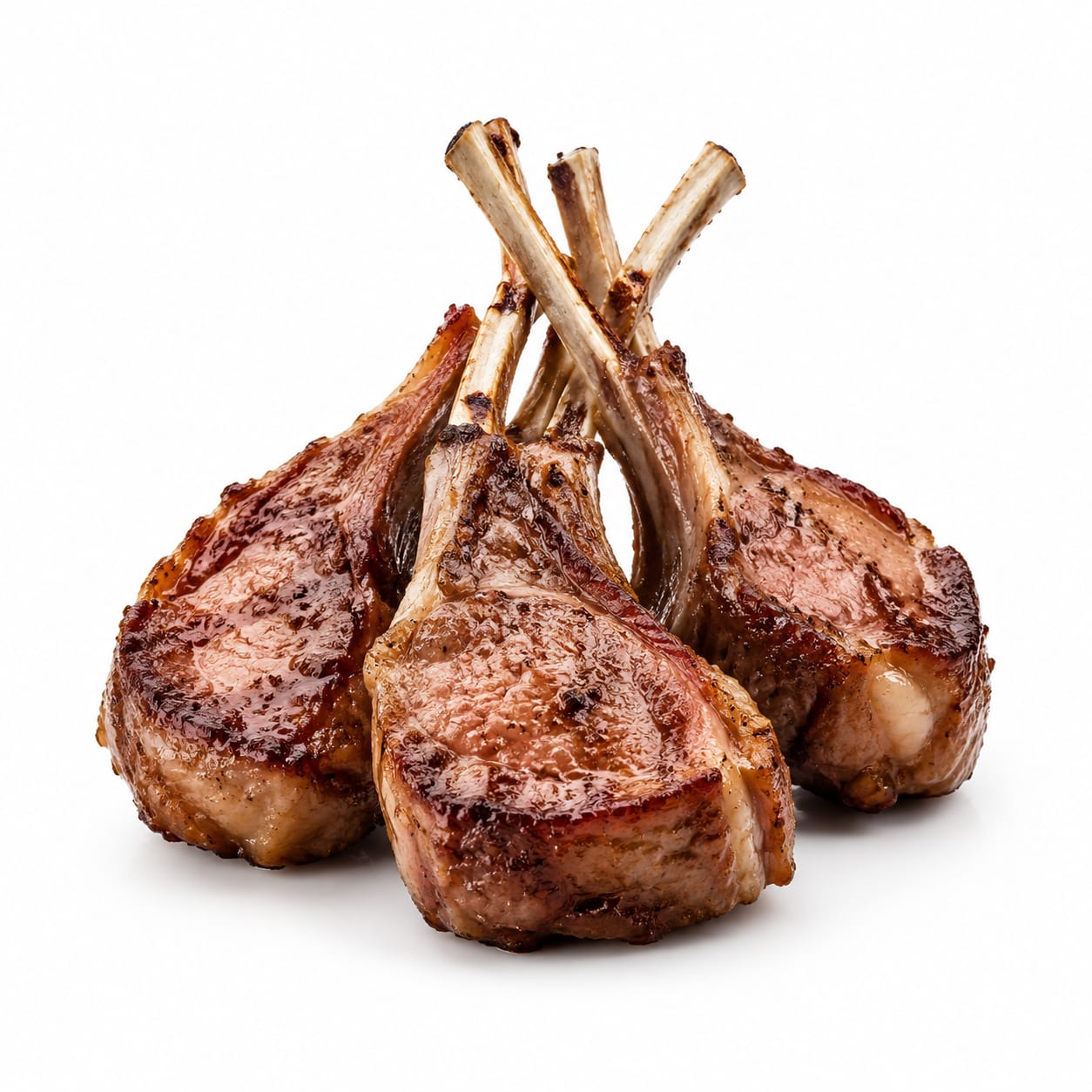
Lamb
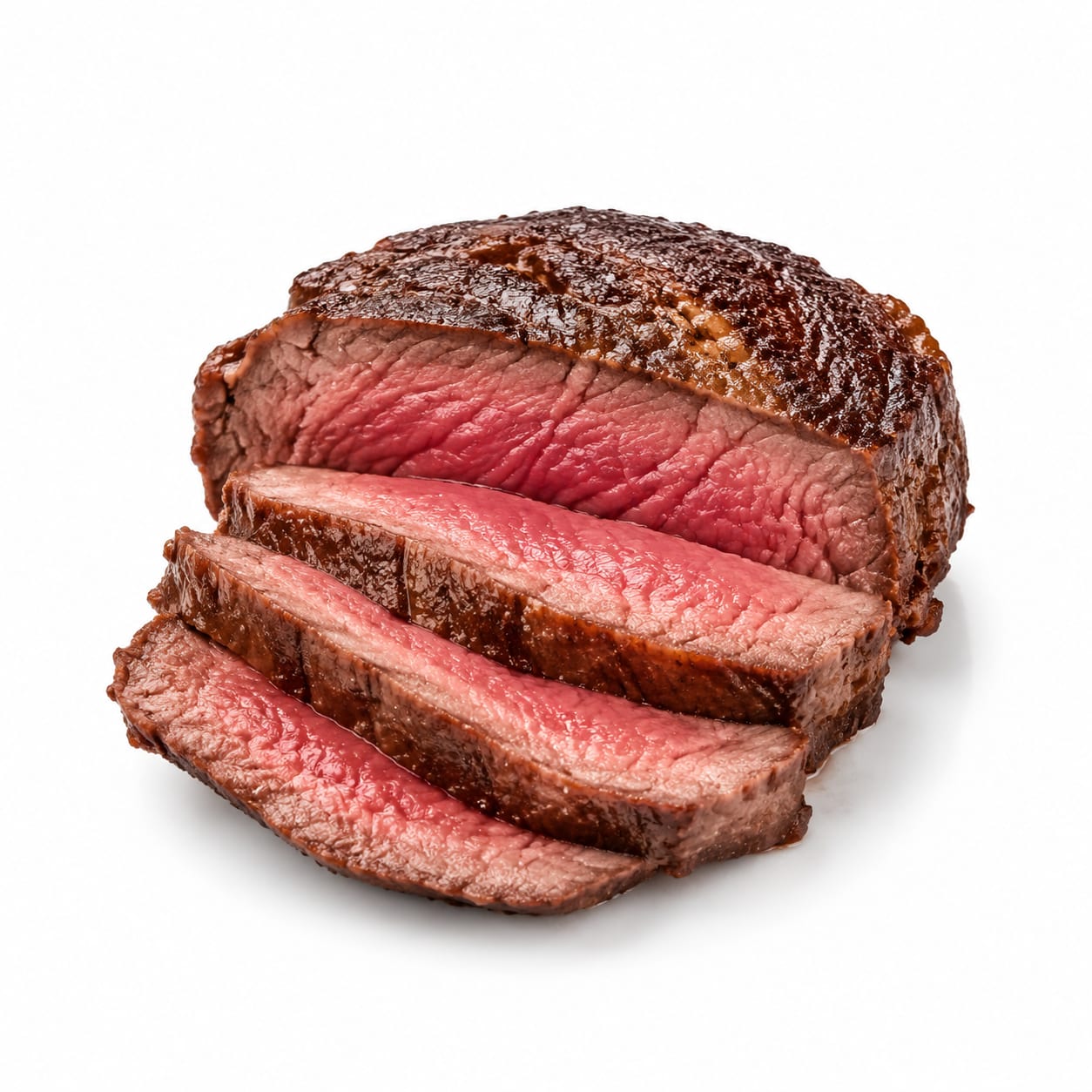
Bison
Bison delivers similar protein and iron with far less fat and fewer calories, making it the healthier choice for regular consumption. Lamb wins on flavor depth and culinary tradition but comes with a heavier metabolic price.
Bison scores notably higher due to its superior fat profile, lower calorie density, and better suitability for frequent consumption. Lamb remains competitive for flavor and satisfaction but loses ground on long-term health outcomes.
Rich, satisfying lamb flavor versus leaner, cleaner bison nutrition
At a glance
Executive summary
Overall
Bison
Healthier
Bison
More practical
Lamb
Daily use
Bison
Key comparison lenses
Leaner red meat alternative for health-conscious eaters
Bison is significantly leaner than lamb, making this the primary decision driver for most users comparing these two
Saturated fat and heart health concerns
Lamb's higher saturated fat content raises cardiovascular questions that bison largely avoids
Protein quality and muscle-building potential
Both are excellent protein sources but differ in protein-to-calorie ratio
Flavor preference and culinary versatility
Lamb's distinctive taste versus bison's cleaner flavor significantly impacts meal satisfaction
Sustainability and ethical sourcing
Bison is typically grass-fed and less industrially farmed, appealing to environmentally conscious consumers
Best choice for
Lamb
- Those who prioritize bold, distinctive flavor in meals
- Traditional and cultural cooking requiring authentic taste
- People wanting higher fat intake for keto or low-carb diets
- Special occasion meals where richness is desired
Bison
- Health-conscious eaters watching saturated fat intake
- Athletes seeking high protein with minimal calories
- People managing cholesterol or heart health concerns
- Anyone wanting red meat more frequently without the metabolic cost
Least suitable for
Lamb
- People with high cholesterol or cardiovascular risk
- Those tracking calories closely for weight loss
- Anyone eating red meat daily and concerned about saturated fat
Bison
- Shoppers on a tight budget due to premium pricing
- Those who find lean meats unsatisfying or dry
- Cooking beginners unfamiliar with lean meat preparation
Deep comparison
Dimension by dimension
Each lens scores both foods and breaks down who each option suits.
- Dimension 1 · Priority 95Bison
Fat Profile and Heart Health
Lamb · 35Bison · 85Bison has roughly half the fat and significantly less saturated fat than lamb, making it far gentler on cardiovascular health.
Tradeoff
Lamb's fat carries much of its signature flavor and juiciness, so sacrificing fat means sacrificing some eating pleasure
Why it matters
Saturated fat directly impacts LDL cholesterol and long-term heart disease risk, especially when red meat is eaten regularly
Real-world impact
Choosing bison over lamb a few times per week can meaningfully reduce your weekly saturated fat intake without eliminating red meat
Lamb
- Keto dieters seeking higher fat intake
- Those who find very lean meats unsatisfying
Better for
- Daily consumers concerned about cardiovascular risk
Worse for
Bison
- Anyone monitoring cholesterol
- People with family history of heart disease
- Frequent red meat eaters wanting a leaner option
Better for
- Those needing calorie-dense meals for weight gain
Worse for
- Dimension 2 · Priority 85Bison
Protein Quality and Density
Lamb · 70Bison · 90Both provide excellent complete protein, but bison delivers more protein per calorie and per gram of fat consumed.
Tradeoff
Lamb's protein comes packaged with more fat, which slows digestion but adds caloric cost
Why it matters
Higher protein-to-calorie ratio means better muscle support without excess energy intake
Real-world impact
A bison serving gives you similar protein to lamb but saves you 100-150 calories that would otherwise come from fat
Lamb
- Those who prefer fat-accompanied protein for longer satiety
Better for
- Lean bulk seekers wanting maximum protein per calorie
Worse for
Bison
- Athletes in calorie-controlled training phases
- Anyone building muscle while managing body fat
- Older adults needing efficient protein without extra calories
Better for
- Endurance athletes needing calorie-dense fuel
Worse for
- Dimension 3 · Priority 75It depends
Micronutrient Density
Lamb · 78Bison · 80Both are strong in iron, zinc, and B vitamins. Bison edges ahead slightly on B12 and selenium, while lamb offers more conjugated linoleic acid from grass-feeding.
Tradeoff
The micronutrient gap is small and unlikely to matter unless red meat is your primary nutrient source
Why it matters
Iron and B12 from red meat are highly bioavailable and critical for energy and blood health
Real-world impact
Either choice effectively prevents iron and B12 deficiency, so this dimension should not drive your decision
Lamb
- Those specifically seeking CLA from grass-fed ruminants
Better for
- Those wanting the highest B12 concentration per serving
Worse for
Bison
- People prioritizing B12 and selenium intake
Better for
- Anyone specifically targeting CLA supplementation through food
Worse for
- Dimension 4 · Priority 80Lamb
Satiety and Meal Satisfaction
Lamb · 85Bison · 72Lamb's higher fat content creates richer mouthfeel and longer-lasting fullness, while bison can feel lighter and less indulgent.
Tradeoff
Greater satisfaction comes with more calories and saturated fat, so the fullness has a metabolic cost
Why it matters
Meals that feel satisfying reduce snacking and overeating later, but not if the meal itself was calorie-heavy
Real-world impact
A lamb dinner may keep you full for hours but cost 600+ calories; bison satisfies adequately for 350-400 calories
Lamb
- Those who find lean meats leave them hungry
- People eating one large satisfying meal per day
- Diners wanting a luxurious eating experience
Better for
- Anyone who tends to overeat rich foods
Worse for
Bison
- Those preferring lighter meals that do not cause sluggishness
- People who eat multiple times per day and want balance
Better for
- Those unsatisfied by lean proteins alone
Worse for
- Dimension 5 · Priority 70Lamb
Culinary Versatility and Accessibility
Lamb · 82Bison · 58Lamb is widely available, comes in many cuts, and has established recipes across many cuisines. Bison is harder to find, more expensive, and requires careful cooking to avoid dryness.
Tradeoff
Better availability and easier cooking come with less favorable nutrition
Why it matters
Even the healthiest protein is useless if you cannot find it, afford it, or cook it well
Real-world impact
Lamb is available at any grocery store; bison often requires specialty butchers or online ordering at premium prices
Lamb
- Home cooks wanting reliable results
- Shoppers at regular grocery stores
- Those cooking on a moderate budget
Better for
- No significant culinary downsides beyond health profile
Worse for
Bison
- Adventurous cooks willing to learn lean meat techniques
- Those with access to specialty meat suppliers
Better for
- Beginners who struggle with lean meat cooking
- Budget-conscious families
Worse for
- Dimension 6 · Priority 65Bison
Sustainability and Ethical Sourcing
Lamb · 50Bison · 80Bison is almost exclusively grass-fed and pasture-raised with less industrial farming. Lamb production varies widely, with much of it grass-fed but some feedlot-finished, and it carries a larger carbon footprint per pound.
Tradeoff
More ethical sourcing comes with higher consumer cost and limited supply
Why it matters
Regenerative bison ranching can actually improve soil health, while intensive lamb farming contributes to greenhouse gas emissions
Real-world impact
Choosing bison supports less industrial meat production, though the premium price limits how often most people can choose it
Lamb
- Those buying locally raised lamb from known farms
- Consumers in regions where lamb is more sustainable to raise
Better for
- Consumers avoiding industrially farmed meat
Worse for
Bison
- Environmentally conscious meat eaters
- Those wanting to avoid feedlot-sourced meat
Better for
- Those who cannot afford premium-priced meat regularly
Worse for
Timeline
Health impact over time
Short-term
Hours to days
Lamb
- Heavy, satisfying fullness after meals due to higher fat content
- Possible sluggishness or food coma from rich, calorie-dense servings
- Steadier blood sugar from fat slowing digestion
Bison
- Lighter post-meal feeling with clean energy
- Less digestive heaviness compared to fattier meats
- Quick satisfaction without the heavy aftermath
Long-term
Months to years
Lamb
- Higher saturated fat intake may raise LDL cholesterol with frequent consumption
- Greater calorie load contributes to weight gain if portions are not managed
- Iron and B12 status well-supported with regular consumption
Bison
- Leaner profile supports healthier cholesterol levels over time
- Easier to maintain healthy weight with regular red meat consumption
- Consistent iron and B12 intake without the cardiovascular tradeoffs
Risk profile
Safety & processing
Both lamb and bison are whole, minimally processed meats. Neither typically contains additives when purchased as fresh cuts. The main difference is farming practice: bison is almost always grass-fed and pasture-raised, while lamb sourcing varies more widely.
Lamb
Variable farming practices
mediumSome lamb is feedlot-finished, which increases antibiotic exposure and changes the fat profile. Sourcing from trusted producers mitigates this.
Parasite contamination in undercooked meat
lowProper cooking eliminates risk. Lamb should reach 145°F internally for safe consumption.
Bison
Limited supply chain transparency
lowBison is less regulated than beef, so sourcing from reputable ranches matters. Most bison is grass-fed and antibiotic-free by industry default.
Overcooking and dryness leading to poor consumption
lowNot a safety risk per se, but bison's leanness means it dries out quickly, which can lead to disappointment and food waste.
Who wins for whom
Audience fit
Same foods, different winners depending on your goal.
children
LambLamb's richer flavor and higher fat content support growing children's calorie and nutrient needs, and it is easier to find and prepare reliably.
daily consumption
BisonBison's leaner profile makes it more appropriate for regular inclusion in a healthy diet without the cumulative saturated fat load of daily lamb.
diabetes
BisonBoth have minimal carbohydrate impact, but bison's lower saturated fat content is better for the cardiovascular risks that accompany diabetes.
elderly
BisonOlder adults benefit from bison's high-quality protein with less saturated fat, supporting muscle maintenance without cardiovascular strain.
muscle gain
BisonHigher protein-to-calorie ratio supports lean muscle growth without excess fat intake, especially valuable during cutting phases.
weight loss
BisonBison provides the same protein satisfaction with significantly fewer calories and less fat, making it easier to maintain a calorie deficit while keeping meals satisfying.
Your move
Decision guide
Choose Lamb
- You crave bold, distinctive flavor and find lean meats bland
- You are following a keto or high-fat dietary approach
- You are cooking a special occasion or traditional meal
- You struggle to get enough calories and find lean meats unsatisfying
- You want widely available meat that is easy to cook well
Choose Bison
- You want red meat nutrition with less saturated fat
- You are monitoring cholesterol or have heart health concerns
- You eat red meat multiple times per week and need a leaner option
- You are an athlete managing body composition while maintaining protein intake
- You care about sustainable and ethical meat sourcing
Either works if
- You eat red meat only occasionally and enjoy both flavors
- You are simply looking for high-quality iron and B12 sources
- You rotate proteins throughout the week for variety
Avoid both if
- You have been advised to eliminate red meat for health reasons
- You have gout and are sensitive to purine-rich foods
- You follow a plant-based diet for ethical or environmental reasons
Final recommendation
Make bison your default red meat for regular meals and save lamb for occasions when its rich flavor truly matters. This approach gives you the health advantages of leaner protein most days while still enjoying lamb's culinary strengths when they count.
Practical
Consumer tips
- 1
Cook bison to medium-rare at most since its low fat content makes it dry out quickly past medium
- 2
Marinate bison in olive oil or yogurt-based sauces to add moisture without heavy fat
- 3
If budget is a concern, use lamb for flavor in mixed dishes like stews where a little goes a long way
- 4
Look for grass-fed lamb when possible as it has a better omega-3 to omega-6 ratio than grain-finished
- 5
Buy bison in bulk from reputable online ranches to reduce the per-pound cost significantly
- 6
Let both meats rest after cooking for 5-10 minutes to retain juices and improve texture