
Nutrition comparison
Lamb vs Salmon: Nutrition, Health Benefits & Which is Better
Compare lamb and salmon side-by-side. Discover which protein is better for heart health, iron levels, and daily eating based on fat profiles, omega-3s, and more.
Overall winner · Salmon
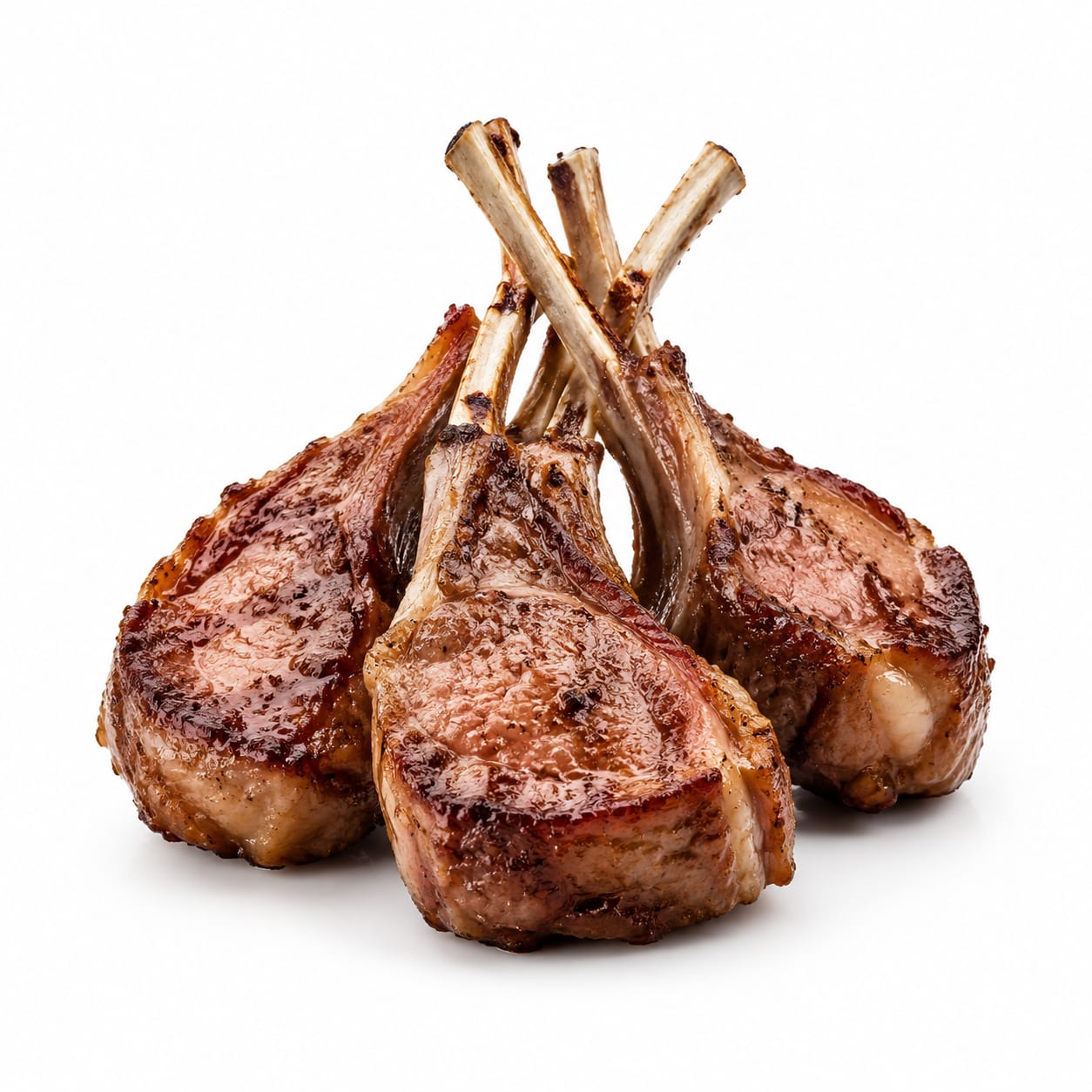
Lamb
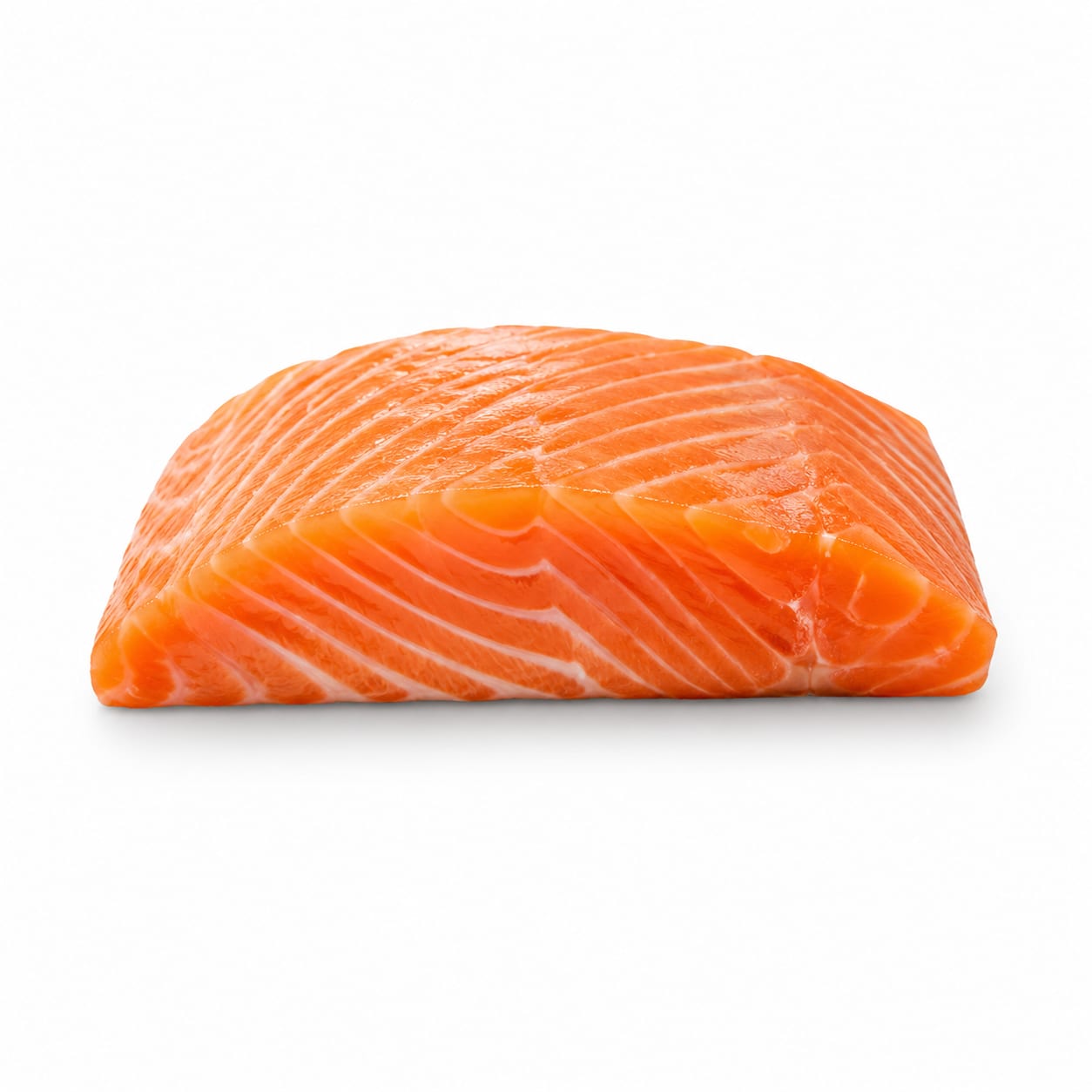
Salmon
Salmon wins for everyday heart health and anti-inflammatory benefits, while lamb is the champion for iron and hearty satisfaction.
Salmon scores significantly higher due to its exceptional omega-3 content and cardiovascular benefits. Lamb remains a strong protein source but is held back by higher saturated fat and lower everyday suitability.
You trade the heart-protective omega-3s in salmon for the dense, fatigue-fighting iron and B12 in lamb.
At a glance
Executive summary
Overall
Salmon
Healthier
Salmon
More practical
It depends
Daily use
Salmon
Key comparison lenses
Heart health and inflammation
Salmon provides anti-inflammatory omega-3s, while lamb contains more saturated fat, which can raise cholesterol.
Iron and energy levels
Lamb is rich in heme iron and B12, making it superior for preventing anemia and fighting fatigue.
Contaminant and heavy metal exposure
Salmon carries mercury and microplastic concerns, whereas lamb poses antibiotic and cooking carcinogen risks.
Meal satisfaction and digestibility
Lamb feels heavier and more comforting, while salmon digests easily and feels lighter after eating.
Best choice for
Lamb
- Boosting low iron levels and fighting fatigue
- Those needing high caloric intake and dense satiety
- Hearty, comfort food meals in cold weather
Salmon
- Protecting heart health and lowering inflammation
- Supporting brain function and mood stability
- Lighter, energizing dinners that are easy to digest
Least suitable for
Lamb
- People managing high cholesterol or heart disease
- Those on a calorie-restricted or low-fat diet
- Daily consumption due to saturated fat load
Salmon
- Strict budget shoppers due to high cost of wild-caught
- Those with severe mercury sensitivity or certain pregnancy restrictions
- People who dislike fishy flavors or textures
Deep comparison
Dimension by dimension
Each lens scores both foods and breaks down who each option suits.
- Dimension 1 · Priority 95Salmon
Heart Health & Inflammation
Lamb · 45Salmon · 95Salmon is strongly anti-inflammatory, while lamb can promote inflammation if eaten often.
Tradeoff
Choosing lamb means missing out on the heart-protective omega-3s that salmon delivers in abundance.
Why it matters
Chronic inflammation drives heart disease and joint pain. Salmon actively fights this, while heavy red meat can worsen it.
Real-world impact
Eating salmon regularly leaves you feeling lighter and supports long-term energy, whereas heavy lamb meals can make you feel sluggish later.
Lamb
- Situations where caloric density is needed for recovery
Better for
- Managing existing heart conditions
- Reducing systemic inflammation
Worse for
Salmon
- Reducing joint pain and stiffness
- Lowering triglycerides and supporting clear arteries
- Aging gracefully with better vascular health
Better for
- Those on extremely low-fat diets for medical reasons
Worse for
- Dimension 2 · Priority 85It depends
Micronutrient Density
Lamb · 88Salmon · 85Lamb provides unmatched heme iron and B12, while salmon offers rare vitamin D and selenium.
Tradeoff
You sacrifice the fatigue-fighting iron in lamb to get the bone-supporting vitamin D in salmon.
Why it matters
Iron deficiency drains your energy, while vitamin D deficiency weakens bones and immunity. Both are common gaps.
Real-world impact
If you feel constantly tired or cold, lamb might be the boost you need. If you lack sun exposure, salmon covers your vitamin D.
Lamb
- Reversing iron-deficiency anemia
- Supporting red blood cell production
- Women with heavy menstrual cycles
Better for
- People with hemochromatosis (iron overload)
Worse for
Salmon
- Maintaining strong bones and immune function
- Getting natural vitamin D in winter months
- Supporting thyroid function with selenium
Better for
- Those who need massive iron boosts quickly
Worse for
- Dimension 3 · Priority 75It depends
Satiety & Meal Satisfaction
Lamb · 90Salmon · 80Lamb feels heavier and keeps you full longer, while salmon satisfies without the heavy feeling.
Tradeoff
Lamb gives you a deeply comforting, stuffed feeling, whereas salmon offers a cleaner, lighter satisfaction.
Why it matters
Emotional satisfaction matters for sticking to a diet. A rich lamb dinner can prevent late-night snacking through sheer fullness.
Real-world impact
A lamb chop dinner feels like a feast and stops cravings for hours. Salmon feels energizing and will not weigh you down before bed.
Lamb
- Cold weather comfort meals
- Preventing late-night hunger after an active day
- Those who feel unsatisfied after light meals
Better for
- Hot summer days when you want something light
- Eating right before a workout
Worse for
Salmon
- Warm weather dining when heavy food sounds awful
- Eating late without ruining sleep quality
- Pre-workout meals that need to digest quickly
Better for
- Those who need extreme caloric density in few bites
Worse for
- Dimension 4 · Priority 80It depends
Contaminant & Safety Profile
Lamb · 75Salmon · 70Lamb risks involve cooking carcinogens and antibiotics, while salmon faces mercury and microplastic concerns.
Tradeoff
You choose between the heavy metal risks in seafood and the chemical exposure risks in red meat.
Why it matters
Toxins accumulate over time. Knowing where your food comes from matters more than the food itself.
Real-world impact
Charring lamb on the grill creates harmful compounds, while eating too much farmed salmon increases PCB exposure.
Lamb
- Avoiding mercury and heavy metal exposure
- Pregnant women strictly avoiding seafood contaminants
Better for
- People who frequently grill or char their meat at high heat
Worse for
Salmon
- Avoiding the carcinogens formed by charring meat
- Those concerned about antibiotic residues in livestock
Better for
- Those worried about ocean pollution and microplastics
Worse for
Timeline
Health impact over time
Short-term
Hours to days
Lamb
- Deep, heavy satiety that stops hunger for hours
- Potential sluggishness or food coma after a large portion
- Quick energy replenishment from dense B-vitamins
Salmon
- Light, clean energy without the heavy stomach feeling
- Faster digestion compared to dense red meat
- Mood stabilization from rapid omega-3 absorption
Long-term
Months to years
Lamb
- Increased cardiovascular risk if consumed more than twice a week
- Excellent maintenance of iron stores and prevention of anemia
- Potential increase in inflammatory markers with heavy consumption
Salmon
- Significantly lower risk of heart disease and stroke
- Better cognitive aging and memory retention
- Reduced joint inflammation and improved skin elasticity
Risk profile
Safety & processing
Both whole cuts of lamb and salmon are minimally processed. The real concern is farming practices: feedlot lamb and farmed salmon both have worse nutritional profiles and higher contaminant risks than their grass-fed or wild-caught counterparts.
Lamb
Heterocyclic amines from high-heat cooking
mediumCharring or grilling lamb over open flames creates carcinogenic compounds. Slow cooking or avoiding well-done meat reduces this.
Antibiotic and hormone residues
lowConventional lamb farming uses antibiotics, though less than beef or pork. Grass-fed options minimize this risk.
Salmon
Mercury and heavy metal accumulation
mediumLarger or farmed salmon can accumulate mercury and PCBs. Wild-caught Alaskan salmon is typically very low in these contaminants.
Microplastics and ocean pollutants
mediumAll seafood contains trace microplastics today. Varying your protein sources prevents over-accumulation.
Who wins for whom
Audience fit
Same foods, different winners depending on your goal.
children
SalmonSalmon provides essential DHA for brain development, though low-mercury wild options are crucial. Lamb is safe but lacks these specific brain-boosting fats.
daily consumption
SalmonSalmon can safely be eaten multiple times a week, while daily lamb consumption would heavily overload saturated fat limits.
diabetes
SalmonSalmon's omega-3s improve insulin sensitivity, whereas the saturated fat in lamb can worsen insulin resistance over time.
elderly
SalmonSalmon is easier to chew, digest, and protects against the cardiovascular and cognitive decline common in aging.
muscle gain
It dependsBoth offer top-tier protein. Lamb provides more creatine and iron for intense training, while salmon digests faster for post-workout recovery.
weight loss
SalmonSalmon provides high protein and satiety with fewer calories and less saturated fat than lamb, making it easier to stay in a deficit.
Your move
Decision guide
Choose Lamb
- You feel constantly fatigued, cold, or suspect low iron
- You want a rich, celebratory meal that feels deeply satisfying
- You are lifting heavy and need dense calories and creatine
Choose Salmon
- Heart health and longevity are your top priorities
- You want a high-protein meal that digests easily before bed
- You need mood support or better focus from omega-3s
Either works if
- You simply need high-quality complete protein after a workout
- You are rotating your protein sources to avoid toxin accumulation
Avoid both if
- You have severe gout and are sensitive to purines
- You are on a strict plant-based or vegan diet
Final recommendation
Make salmon your default protein for everyday health, and enjoy lamb as a satisfying weekly treat to keep your iron stores robust without overloading on saturated fat.
Practical
Consumer tips
- 1
Choose wild-caught Alaskan salmon over farmed to avoid PCBs and get a better omega-3 ratio.
- 2
Opt for grass-fed lamb when possible for a healthier fat profile and fewer antibiotic concerns.
- 3
Marinate lamb in rosemary and garlic before grilling to significantly reduce carcinogen formation.
- 4
Bake or poach salmon to preserve its delicate omega-3 fats, which can be damaged by high-heat frying.
- 5
Limit lamb to 1-2 times per week and pair it with plenty of vegetables to balance the meal.